With Vice President JD Vance and Secretary of State Marco Rubio seen as their party’s strongest potential candidates in a 2028 primary, the two have to balance their roles in the Trump administration with their future political plans.
Plus, Black rural voters share their perspectives from the battleground state of North Carolina, and Washington bureau chief Anna Johnson's weekly picks. |
|
|
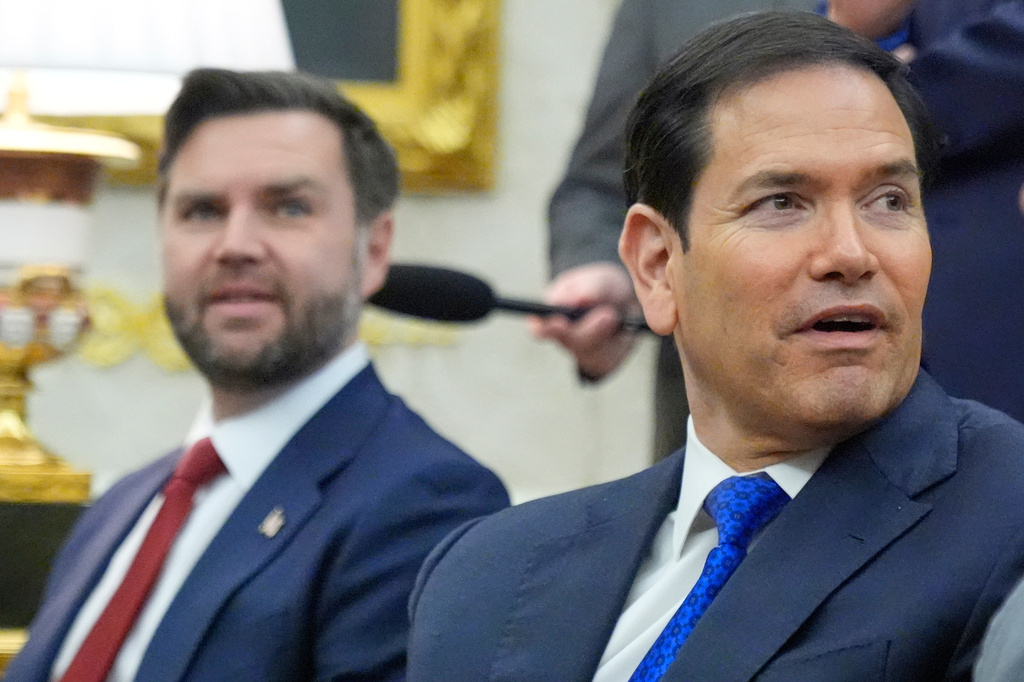
Vice President JD Vance, left, and Secretary of State Marco Rubio attend a meeting in the Oval Office at the White House, March 3, 2026, in Washington. (AP Photo/Mark Schiefelbein) |
Vance and Rubio’s differing postures on Iran war highlight their challenges ahead of 2028 election — By Michelle L. Price & Steve Peoples
As President Donald Trump assembled his Cabinet last week, he asked Rubio and Vance to give an update on the Iran war. Rubio, known for his hawkish views, gave an impassioned defense of the war, calling it “a favor” to the United States and the world. Vance, who has long pushed for restraint in U.S. military intervention overseas, was more sedate. He said that the U.S. now has “options” it didn’t have a year ago and that it is important Iran does not get a nuclear weapon — before redirecting his remarks toward wishing the troops a happy Easter.
The exchange was a distillation of their diverging postures toward the war that their boss has launched in Iran. And it comes as some would-be Republican presidential candidates begin quietly courting officials in key states like New Hampshire in the early stages of the GOP’s next nomination fight. It’s too soon to forecast how Republican voters might feel about the war next spring, when the 2028 contest is expected to begin in earnest, but the risks for both Vance and Rubio are acute. Rubio’s full-throated support for the war could come back to haunt him depending on how the conflict develops. Vance, meanwhile, would risk accusations of disloyalty if he were to stray too far from Trump, but struggles to square an appearance of support for the war with his past comments.
Read more on Price and Peoples' reporting on Vance & Rubio. |
|
|
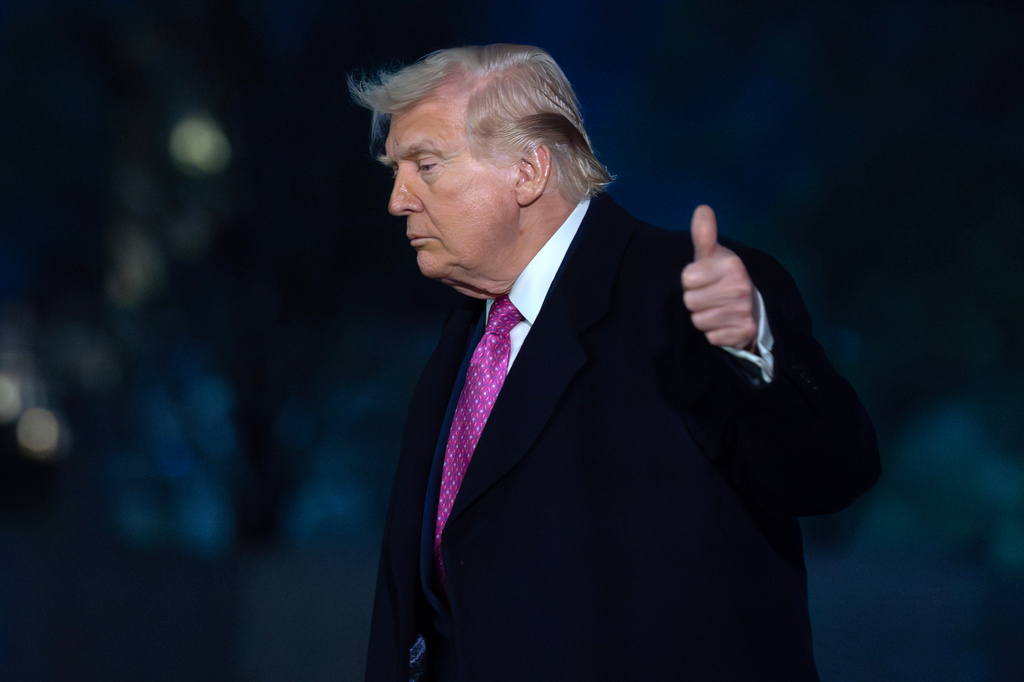
President Donald Trump waves to the media as he walks on the South Lawn upon his arrival to the White House, Sunday, March 29, 2026, in Washington. (AP Photo/Jose Luis Magana) |
Gulf allies privately make the case to Trump to keep fighting until Iran is decisively defeated — By Aamer Madhani, Samy Magdy, Matthew Lee & Sam Mednick
This story about what Gulf countries are pressing Trump for on the Iran war is a great example of the kind of reporting collaboration our AP team in Washington is doing with our AP team in the Middle East.
The birthright citizenship case at the Supreme Court hits close to home for this immigrant mother — By Mark Sherman
As the Supreme Court hears arguments in the birthright citizenship case today, Mark Sherman looks at how the case hits home for one immigrant mother.
Trump’s go-to moves to influence the markets are increasingly falling flat as the Iran war drags on — By Josh Boak & Fatima Hussein
Josh Boak and Fatima Hussein teamed up on a story examining Trump's messaging prioritization on the financial markets during the Iran war. |
|
|
AP Elections Spotlight: A look at North Carolina's rural Black voters |
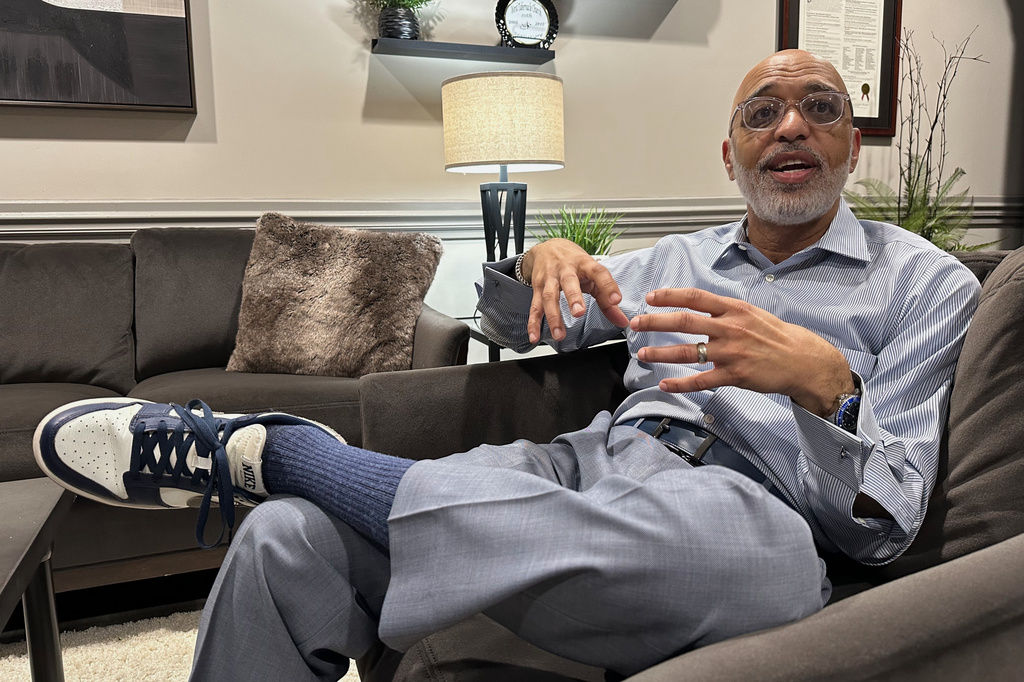
Pastor James Gailliard discusses his North Carolina state Senate campaign in his office at his Word Tabernacle Church in Rocky Mount, N.C., March 11, 2026. Gailliard is critical of how little national Democratic Party donors and organizations have invested in eastern North Carolina where rural Black voters are critical to election outcomes. (AP Photo/Bill Barrow) |
North Carolina’s electoral future may hinge on rural Black voters who feel ignored by Democrats — By Bill Barrow
The big picture: Democrats generally have strong support from Black voters, but they struggle in rural areas. That’s an urgent demographic puzzle in North Carolina, where more Black people live in small towns than urban centers.
If Democrats don’t manage to mobilize these voters, they could continue falling short in this critical battleground state. The outcome will determine whether former Gov. Roy Cooper gets elected to the U.S. Senate and maybe the next presidential race as well.
The criticism: Ricky Brinkley, 65, summed up the feeling of being forgotten about when elections roll around. The former truck driver lives “out in the county” and works at his daughter’s beauty supply store in Nashville.
“People don’t come out like they should and ask you how you feel about things,” he said. “You want somebody to vote, but you don’t want to do nothing to get the vote. No, it don’t work that way.”
The pitch: The Rev. James Gailliard, a former state lawmaker who leads a large Black congregation in Rocky Mount, said Democrats need more investment in rural areas. “You don’t win this state in Durham,” Gailliard said. “You win it in the east.”
Gailliard begged Kamala Harris’ campaign to visit during the last presidential race. “I couldn’t get any traction,” he recalled. “Two weeks later, guess who’s in Rocky Mount? Donald Trump.”
The work: North Carolina Democratic Party Chair Anderson Clayton said she’s investing more resources outside of the state’s cities. “People want to look at the word ‘rural’ in North Carolina and equate it to the word ‘white,’” she said. “In my vision of a Democratic Party, when you talk about reaching out to rural voters, you are talking about rural Black voters.”
Cooper’s campaign also said it’s making this a priority. He has held roundtable sessions with Black farmers, business owners and civic leaders in eastern North Carolina, along with students from North Carolina A&T University, a historically Black school that draws students from across the state. His campaign promises a statewide organizing effort before November.
Read more of Barrow's reporting from North Carolina. |
|
|
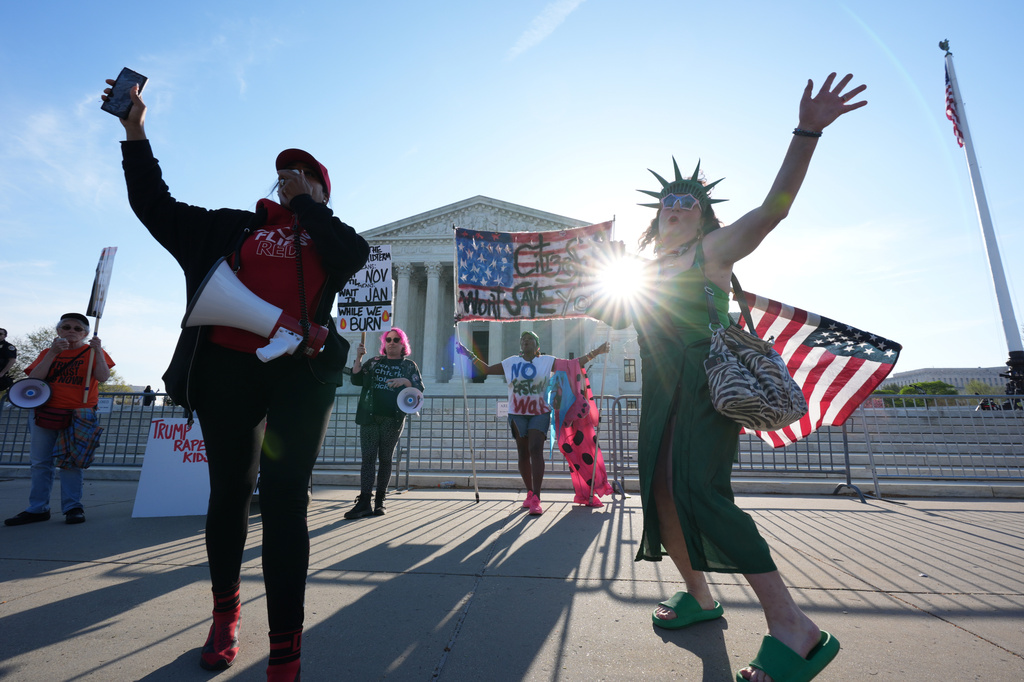
Pro and anti-Trump demonstrators rally outside the U.S. Supreme Court, before justices hear oral arguments on whether President Donald Trump can deny citizenship to children born to parents who are in the United States illegally or temporarily, on Capitol Hill, in Washington, Wednesday, April 1, 2026. (AP Photo/J. Scott Applewhite) |
Our visual journalists, including AP veteran J. Scott Applewhite, have been outside the U.S. Supreme Court for today's arguments in a birthright citizenship case.
The case, over Trump's executive order declaring that children born to parents who are in the United States illegally or temporarily are not American citizens, marks a historic moment: for the first time, a sitting U.S. president is in the courtroom for oral arguments.
Explore more of Applewhite's iconic work. |
|
|
|