|
I’ve edited a lot of stories about animals and evolution since I started working for The Conversation four years ago but the science behind how humans evolved still astounds me. Take this recent study about the long, bizarre journey our eyes took before reaching their modern form. Research from Lund University and the University of Sussex suggests our eyes come from a kind of three-eyed worm that lost its “steering” eyes when it changed lifestyle. For millions of
years it burrowed under the seabed and lived as a filter feeder. Read on to find out what happened to its vision next.
Meanwhile, as the world braces for the impact of war in the Middle East, read our explainer of how price controls work and whether they could be a decent way to protect struggling households.
And unless you’ve been living under a rock, you’ve probably read plenty about the Iran war and oil price escalation. But you may not have heard that the world’s supply of helium has been disrupted. That has major implications for medical care.
|
|
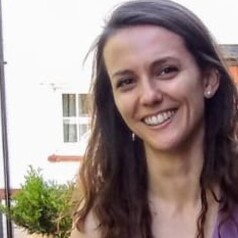
Jenna Hutber
Commissioning Editor, Science
|
|

LuckyStep/Shutterstock
George Kafetzis, University of Sussex; Dan Nilsson, Lund University
The now extinct worm-like animal first lost paired eyes, then re-evolved them.
|

The Athenian/Shutterstock
Benjamin Selwyn, University of Sussex
The price of 50 categories of staple goods are protected to prevent costs spiralling.
|

Helium is used for cooling the superconducting magnets used by MRI scanners.
Connect Images - Curated / Shutterstock
Gavin D. J. Harper, University of Birmingham
Helium, a critical material, could be in short-supply due to Qatar’s suspension of gas production.
|
World
|
-
Leonie Fleischmann, City St George's, University of London
The Israeli prime minister’s chances of re-election are likely to hang on the outcomes of the war against Iran.
-
David J. Galbreath, University of Bath
In Donald Trump’s second term he and his advisers have repeatedly questioned US involvement in translatlantic security.
-
Andrew Gawthorpe, Leiden University
The Trump administration is once again threatening to withdraw the US from Nato, citing the reluctance of the alliance to join the Iran war.
|
|
Politics + Society
|
-
Linda Woodhead, King's College London
American-style Christianity can no longer be assumed to be the future for the churches in Britain.
|
|
Arts + Culture
|
-
Alastair Bonnett, Newcastle University
Visions of environmental disaster are shaping world literature.
-
Stacey Pope, Durham University
This new exhibition showcases enduring memories and tackles challenges facing female football fans in the UK.
-
Hui-Ying Kerr, Nottingham Trent University
Shōtarō Ikenami’s newly translated novel is steeped in mystery, legend and the tensions of blood kin.
-
Roman Pavlyuchenko, University of Bath
DC is once more trying to build a Marvel-style mega-franchise on the big screen – but the past warns that cinematic universes don’t succeed on hype alone.
|
|
Environment
|
-
Alastair Bonnett, Newcastle University
Visions of environmental disaster are shaping world literature.
-
Louise Du Toit, University of Southampton
By integrating sustainability into AI laws, the planet can be somewhat safeguarded alongside AI’s rapid expansion.
|
|
Health
|
-
Richard Gater, Cardiff University
New research shows community groups are helping men open up about mental health and challenge traditional ideas of masculinity.
-
Kate Grimshaw, Manchester Metropolitan University
Bloating, discomfort, constipation and diarrhoea can be common problems for travellers.
|
|
Science + Technology
|
-
Damian Bailey, University of South Wales
When nations establish moon bases, the conditions will be difficult to adjust to.
|
|
|
|
| |
| |
| |

|
| |
| |
| |
|
|
2 March - 30 September 2026
•
|

|
3 March - 15 May 2026
•
Glasgow
|

|
11 March - 11 April 2026
•
|
|
|
|
|
|
| |


