| | In today’s edition: Sovereigns lean in, Gulf defense diversifies, and alternatives to the Strait of ͏ ͏ ͏ ͏ ͏ ͏ |
| |  Washington Washington | Islamabad | Abu Dhabi |
 | Gulf |  |
| |
|
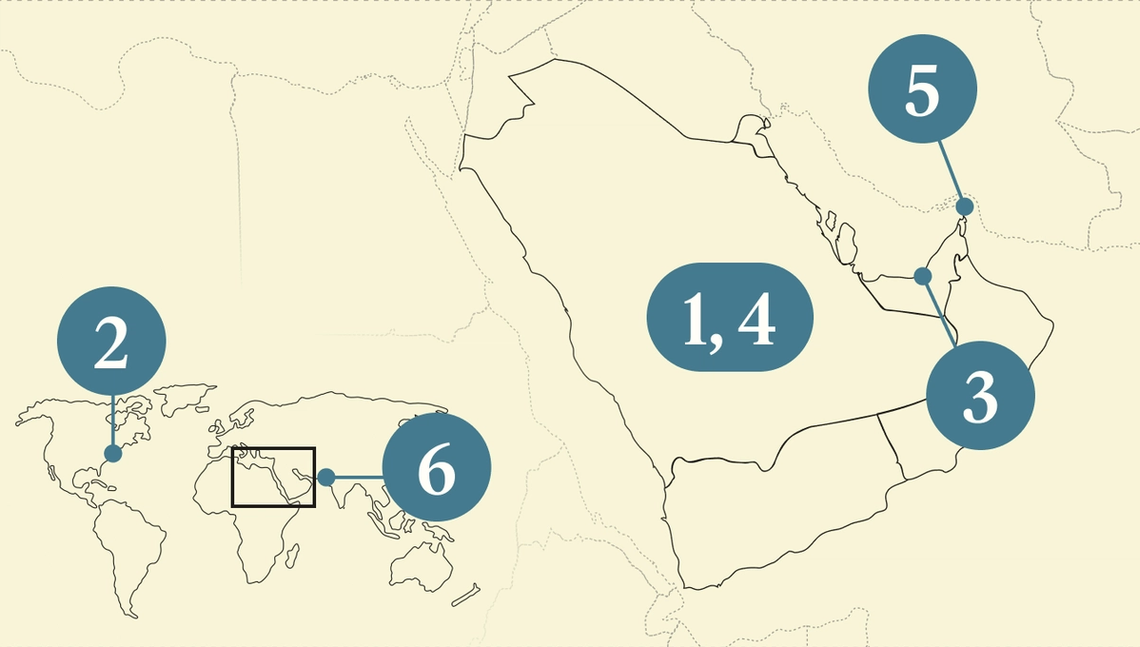 - SWFs keep up the pace
- Defense diversifies
- AI survives first test
- Bypassing Hormuz…
- … to avoid the toll
- New tactic after the talks
 IHC’s swanky London restaurant deal, and the Gulf shops for more air defenses. |
|
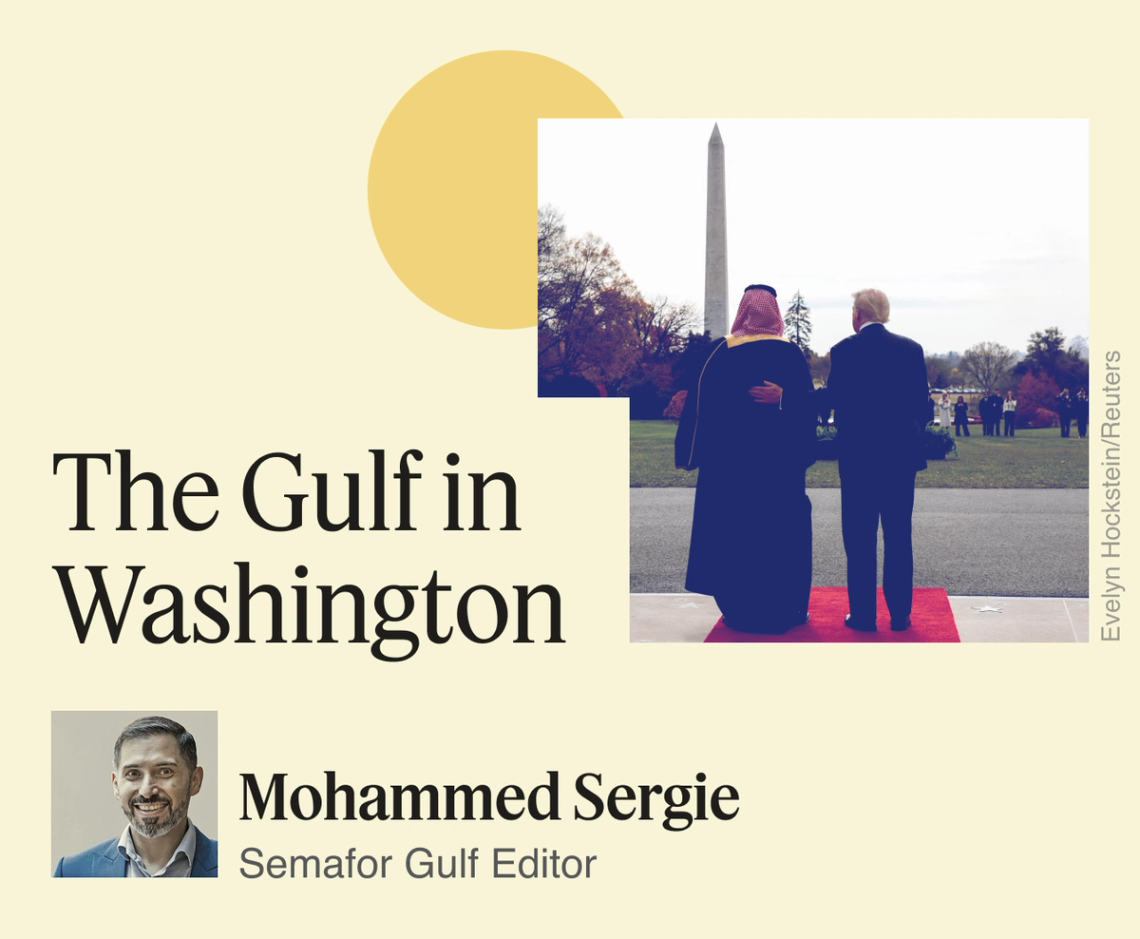 At a time of war, where will Gulf money go? Beyond the immediate energy supply crunch caused by the conflict, this is a central question occupying officials and investors gathering in Washington this week for the spring meetings of the World Bank and IMF. The war has taken a human and emotional toll in the region, and energy disruptions are exacting a global cost. It remains to be seen if the conflict also causes Gulf sovereign funds to change their focus — and reallocate capital — and how this will impact countries the world over. So far, Gulf officials have stressed their approach is business as usual. We have new data from Global SWF that affirms this, showing sovereign wealth funds had a bumper first quarter of the year (including a month of war). But going forward, the picture is murkier. If the conflict lasts a few months and energy and trade flows quickly return to normal, Gulf states will once again run large surpluses. Then they will face the same problem that created sovereign wealth funds in the first place: where to put the money. It may be fashionable to suggest that sovereign funds will signal their governments’ anger at the US for starting the war by trimming investments in the world’s biggest economy. The reality is different. Gulf investors aren’t going to redirect tens of billions of dollars into Anthropic and OpenAI competitors outside the US — because they don’t exist. The depth of America’s public and private markets, its technological advantage, and deep Gulf ties in defense, energy, and finance make a quick pivot unlikely. At Semafor World Economy in DC — where more than 500 CEOs and top policymakers are convening this week — we will bring you insights from US Cabinet secretaries, CEOs, and investors that matter to the Gulf. And in this issue, we examine some of the themes that will be discussed this week. You can explore the full summit program here. All sessions throughout the week will also be livestreamed on Semafor’s YouTube channel. |
|
War or peace, Gulf money keeps flowing |
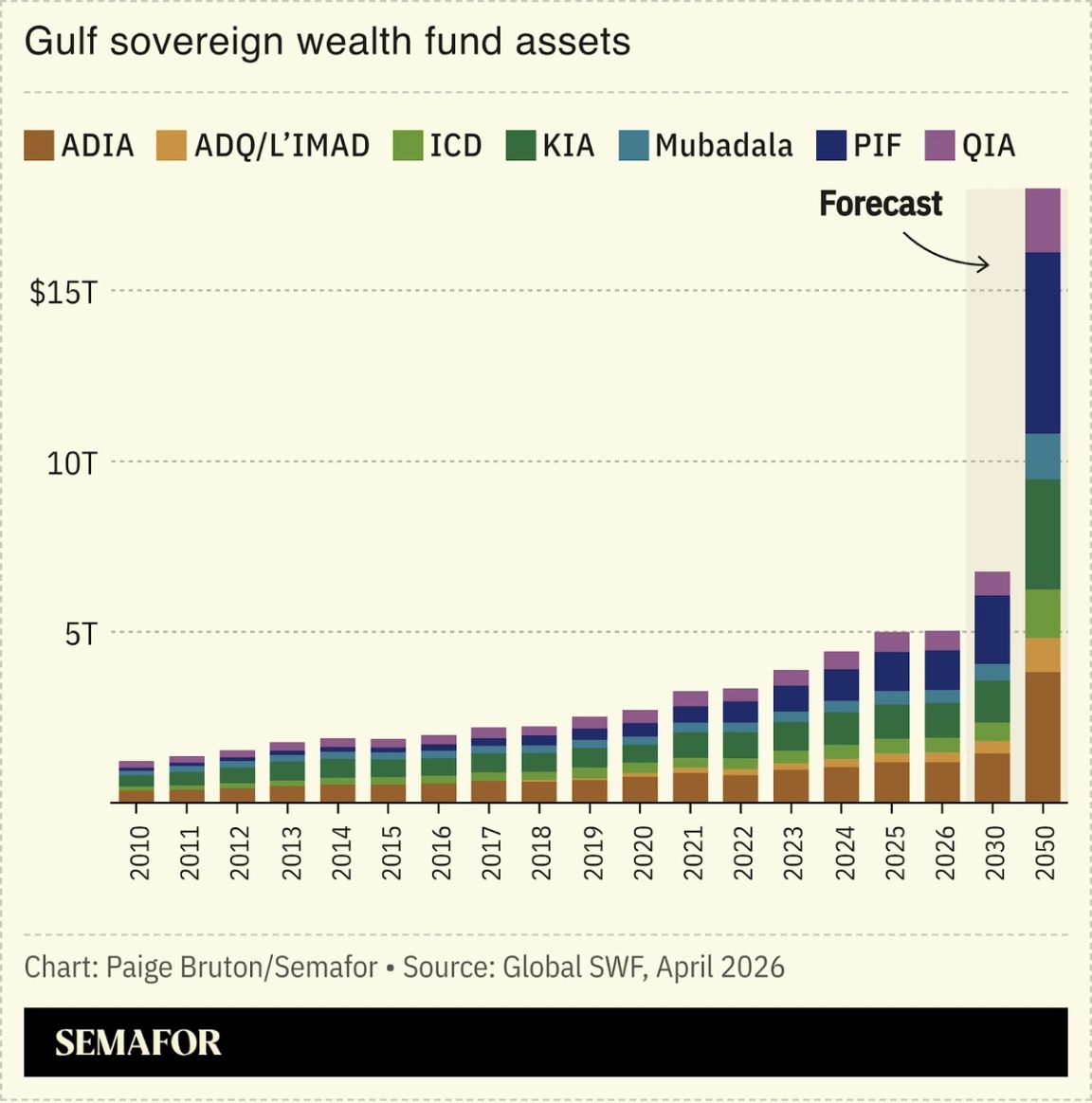 Gulf sovereign wealth funds maintained their pace of investments in the first quarter despite the war, according to data by consultancy Global SWF, but the flow may now slow. Saudi Arabia’s Public Investment Fund, Abu Dhabi-based Mubadala, and Qatar Investment Authority made almost $25 billion in new investments in the quarter between them. In normal circumstances, that would portend a banner year, but if the war drags on that could change. Some funds may be used to support government budgets and slow investments in private markets, said Diego López, managing director of Global SWF. Others could be used to shore up industries affected by the war, such as aviation, and provide financing for domestic military companies. Such strategies would reduce the capital available for overseas deals or to drive domestic economic diversification plans. On the other hand, some investors could target distressed assets. “We may see funds … act opportunistically,” López said. |
|
 Over the next five days, more than 500 CEOs and government leaders — including US Cabinet secretaries, central bank governors, finance ministers, and Fortune 500 executives — will take the stage for on-the-record conversations about the forces shaping the global economy. Our first sessions begin today, with discussions on Building Intelligent Enterprises, The Economics of Infrastructure, and Rethinking Global Business. Across the week, we’ll host 21 sessions on the global economy, infrastructure, technology, AI, finance, energy, and much more — you can view the full agenda here. All sessions throughout the week will be livestreamed on Semafor’s YouTube channel — watch here. |
|
Gulf weighs defense options |
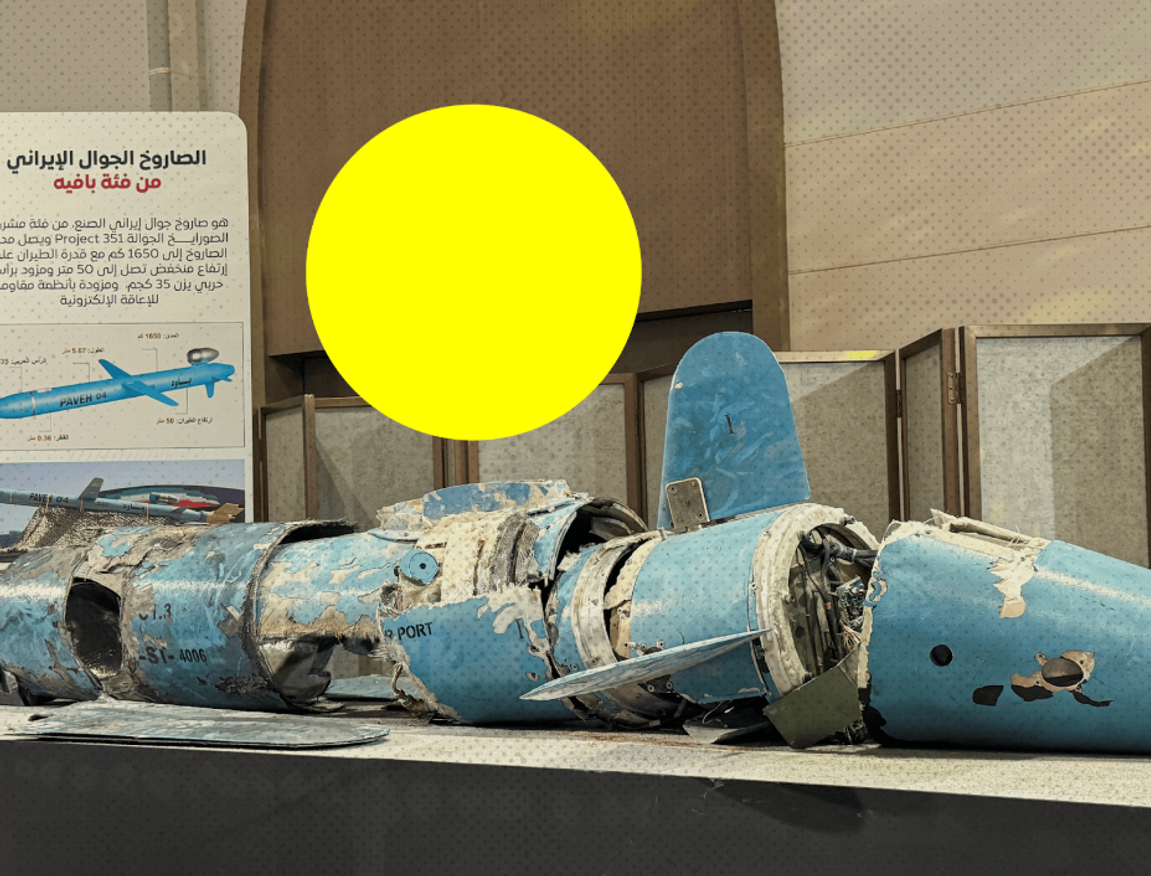 Gulf countries’ successes in shooting down Iranian missiles and drones have shown what hundreds of billions of dollars of defense spending buys. Around 85% of the 7,000 projectiles fired by Tehran have been intercepted, in large part because of US technology. In public, Gulf officials say the conflict has demonstrated the importance of close ties to the US, but in private there is a growing emphasis on diversification. This cements an existing trend. In recent years, Saudi Arabia signed a security pact with Pakistan, which Türkiye could yet join; the UAE has a deal with India. At Gulf military expos, Chinese, Pakistani, Russian, and Turkish firms now display their wares alongside suppliers like Boeing, Lockheed Martin, and RTX. Gulf states will have to ramp up spending to rebuild their stocks of interceptors and are keen to develop their own military industrial bases. US suppliers are likely to remain dominant but expect the web of alliances and hardware purchases to become increasingly diverse. — Matthew Martin |
|
View: Time for Hormuz alternatives |
| |  | Amena Bakr |
| |
 Kuwait Petroleum Corporation/Reuters Kuwait Petroleum Corporation/ReutersThe stranglehold Tehran holds over the Gulf’s energy exports is forcing the region to think about building in redundancies, rather than just alternatives, Amena Bakr, head of Middle East Energy & OPEC+ research at global commodities data firm Kpler, wrote in a Semafor column. “The effectiveness of bypass routes in Saudi Arabia and the UAE has reinforced their value during conflict,” Bakr writes. “But the obstacles are significant. New pipelines require tens of billions of dollars in capital, years of construction, and must navigate difficult terrain and security concerns. There is a reason there is so little cross-border energy infrastructure in the region: projects often get bogged down in disagreements over ownership, tariffs, and operations.” |
|
View: Gulf AI can withstand attack |
| |  | Winston Ma |
| |
 Rebecca Lewington/Cerebras Systems/Handout via Reuters Rebecca Lewington/Cerebras Systems/Handout via ReutersThe Gulf is not abandoning its AI ambitions just because Iranian drones have struck data centers, Winston Ma, author of The Hunt for Unicorns: How Sovereign Funds Are Reshaping Investment in the Digital Economy, writes in his debut Semafor column. “Viewing hyperscale projects, such as the $10 billion Public Investment Fund partnership with Google Cloud or the five-gigawatt Stargate UAE campus, merely as financial joint ventures is a miscalculation,” Ma writes. “Gulf sovereign wealth funds are not acting as passive allocators. They are helping to build what Nvidia CEO Jensen Huang calls a ‘five-layer cake’ of national AI capacity spanning energy, compute, cloud infrastructure, AI models, and applications.” |
|
View: The reordering of Hormuz |
| |  | Wael Mahdi |
| |
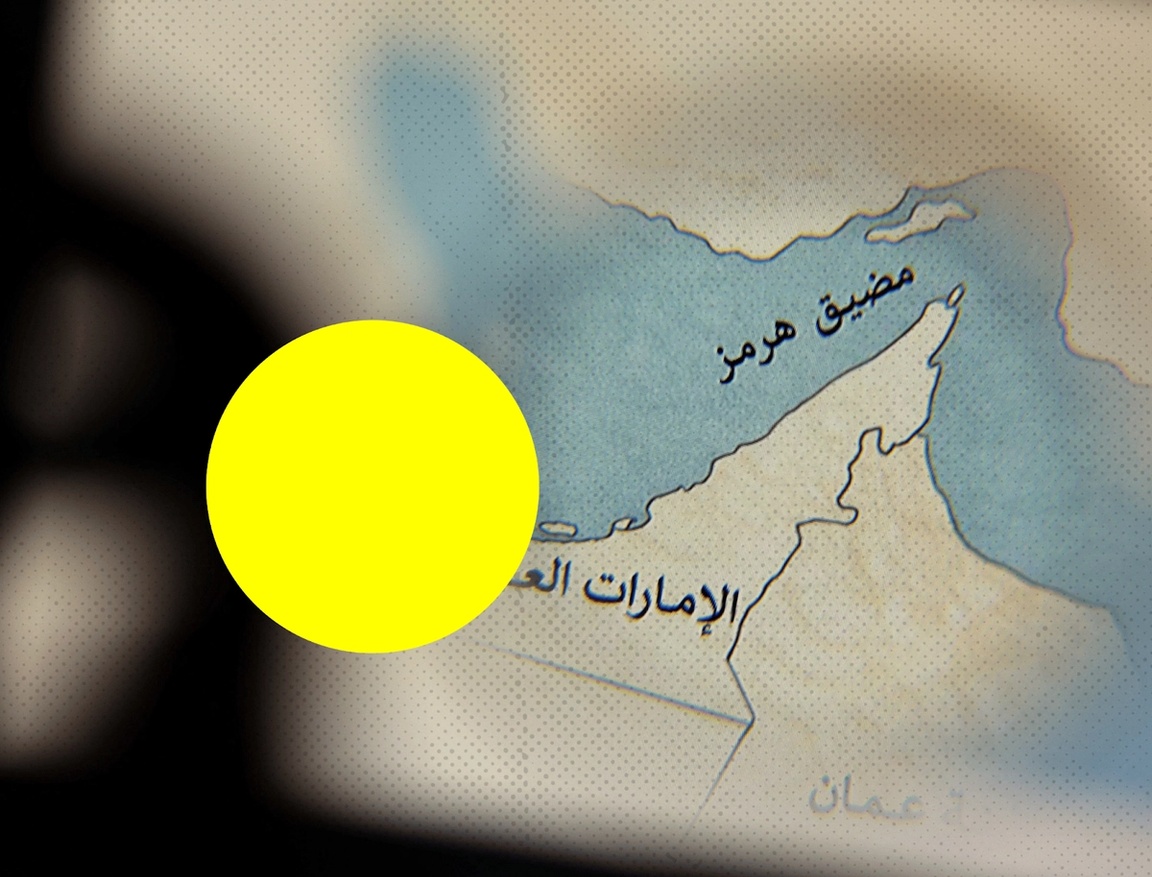 Tehran has learned that controlling the Strait of Hormuz is not only achievable but profitable, and Washington is taking note, independent energy commentator Wael Mahdi writes in a column for Semafor. “Iran wants to monetize Hormuz; The US wants to place conditions on access to it. Both, for entirely different reasons, prefer a managed strait to a free one,” Mahdi wrote. “The era of Hormuz as a global commons — open, unpriced, ungoverned — may be over not because one side won, but because both sides have found the new arrangement useful.” |
|
Confrontation follows talks |
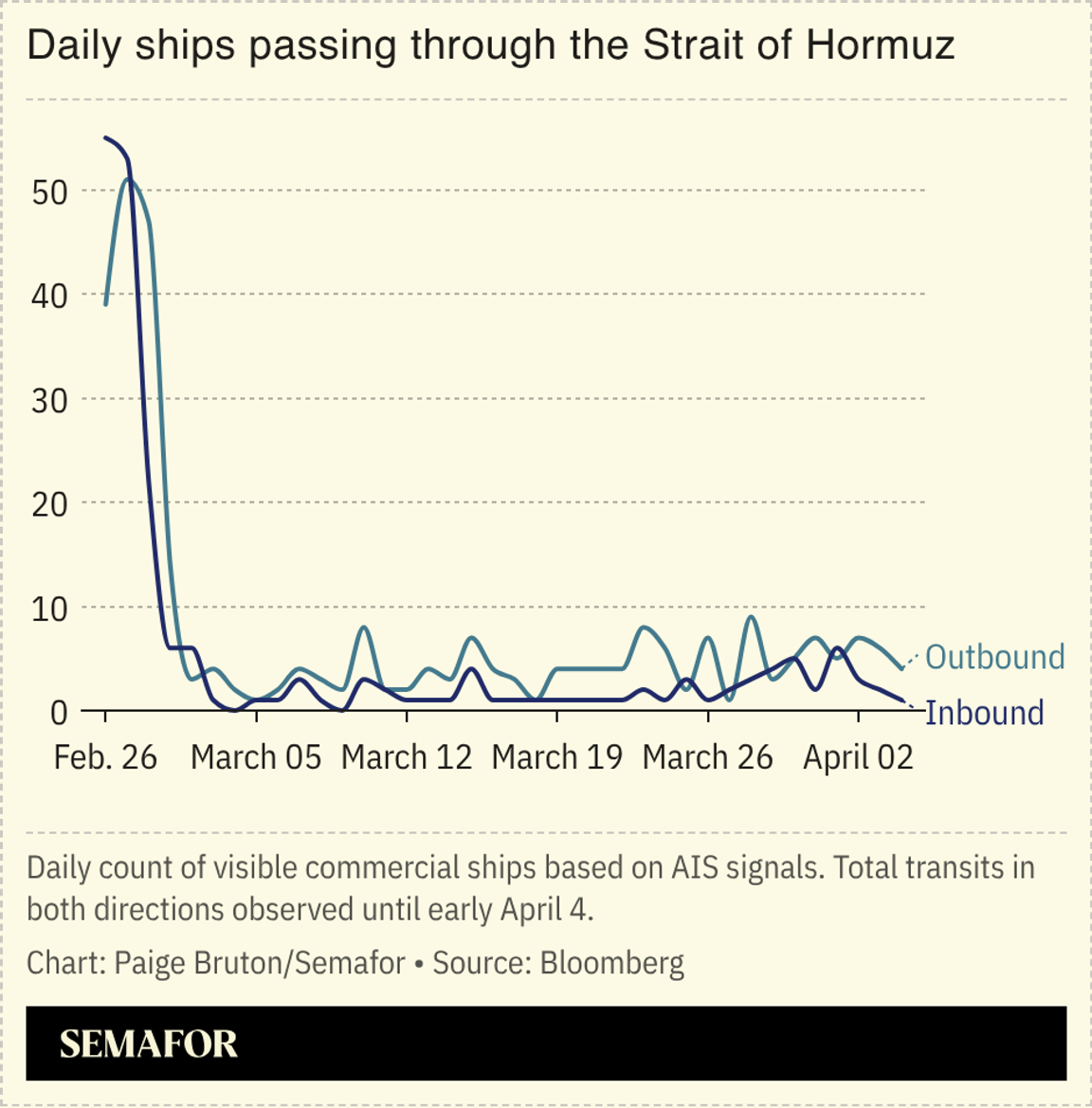 Talks between Iran and the US in Islamabad over the weekend ended without a breakthrough, or even any sign of improving trust. Further meetings may yet be scheduled, but for now the emphasis has shifted back to confrontation, while still maintaining the ceasefire. The US said it will blockade all maritime traffic to and from Iranian ports from today, around two hours after this briefing hits your inbox, and US President Donald Trump — who last week mused about working with Tehran to administer a fee on ships using the Strait of Hormuz — said “no one who pays an illegal toll will have safe passage on the high seas.” It is not clear how the US will police its blockade, or whether it is really willing to seize or attack other countries’ ships, but the initial response from Tehran was defiant: “If Iran’s ports are threatened, no port in the region will be safe,” Iran’s Armed Forces said. — Dominic Dudley |
|
 War- Ukrainian interceptors have downed Iranian drones in several Gulf countries, according to Ukraine’s President Volodymyr Zelenskyy. Kyiv has signed defense deals with Qatar and Saudi Arabia; security talks are underway with Bahrain, Kuwait, and Oman. — Financial Times
|
|
|


