
| Forwarded this email? Subscribe for more |



 |
| By The Free Press |
It’s Monday, April 20. This is The Front Page, your daily window into the world of The Free Press—and our take on the world at large. Today: Iran’s hard-liners take control. Elise Stefanik on Ivy League rot. Jed Rubenfeld on the real problem with the “shadow docket.” And much more. Plus: Tune in to our newest podcast, Second Thought, with Suzy Weiss.
But first: Will Americans pull the plug on AI?
A small Ohio community and a big tech proposal. It’s a local fight that’s still unfolding.
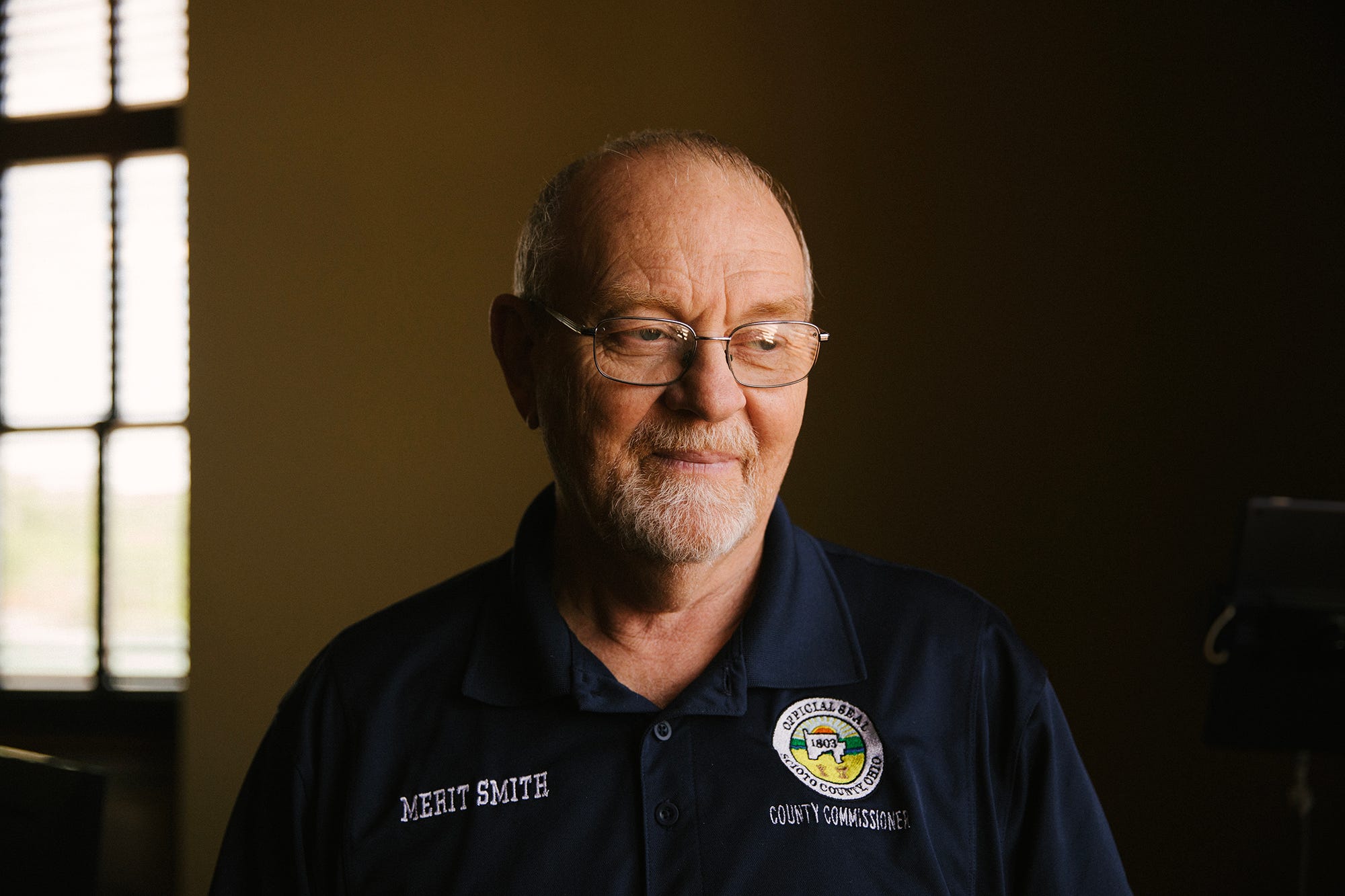
In Scioto County, Google has proposed a large data center campus that includes hundreds of acres, major tax incentives, and the promise of jobs and long-term investment. Local officials framed it as an economic turning point for a region that has struggled for decades.
But opposition has grown steadily, as Frannie Block learned when she arrived to investigate. Some residents say the process moved too quickly and lacked transparency. Others question whether the tax breaks are too generous, or whether the long-term benefits will match the scale of the project.
With tech firms racing to build the infrastructure of the AI revolution, similar disputes are happening in towns across the country. The campaign to stop them is expanding on the left, with Bernie Sanders and Alexandria Ocasio-Cortez pushing to freeze new construction until they can impose nationwide regulations.
As the politics of AI begins to take shape, what’s happening in Ohio is part of a larger question: Who bears the costs—and who decides—when the infrastructure of the digital economy moves in? Read Frannie’s dispatch from the front lines in one of the most important political fights of the moment.
—Mene Ukueberuwa
 |
The Latest in Iran
The cessation of hostilities between the U.S. and Iran is set to formally expire on Wednesday, but the region has hardly been quiet. On Friday, the Iranians effectively closed the Strait of Hormuz just hours after President Trump announced they had agreed to reopen it. Two India-flagged commercial vessels were fired upon on Saturday, and the U.S. Navy interdicted an Iranian-flagged vessel on Sunday.
Trump announced Sunday that he is green-lighting a second round of negotiations with Iran in Islamabad, Pakistan. Before the Americans jet off, Eli Lake writes, the president should probably figure out who is actually running Iran, a country that has kept the status of its leadership obscured—only to its advantage. Read Eli’s latest reporting on who America is negotiating with, and what the biggest challenges are ahead of possible talks this week.
If negotiations prove fruitless or the ceasefire expires without an extension, that will tee up a possible resumption of the war—a war that, as Michael Doran argues in a sweeping essay today, is badly misunderstood. Michael examines the seven myths that have clouded and misrepresented the logic and progress of Operation Epic Fury. If you want to understand why the cognoscenti keep getting this conflict wrong, read this piece.
|
Poison Ivies and the Future of College
Last week, a Yale University committee published a report acknowledging that American colleges in part have themselves to blame for declining trust in higher education. That may seem like a statement of the obvious to a Free Press reader, but it was a strikingly honest confession from inside the ivory tower.
So are America’s top schools finally getting it? And what, if anything, can they do about their many issues? One person who has spent a lot of time thinking about the ways in which American colleges have lost their way in recent years is Rep. Elise Stefanik. The Republican congresswoman played a key part in exposing campus antisemitism after October 7—including by grilling former Harvard president Claudine Gay and other college presidents. Now she’s written a book about higher ed, called Poisoned Ivies. She sat down with Maya Sulkin to discuss it as well as what the future holds for higher education, the GOP, and her own career as she departs Congress.


It’s not just radical politics. American colleges face a litany of threats—from financial pressure to AI. So is higher education’s decline terminal? That’s the question at the heart of Tyler Cowen’s latest column. Read Tyler’s predictions for the future of college:
|
The Real Problem with the Shadow Docket | ||||
 | ||||
|