| | US President Donald Trump extends the ceasefire with Iran, India’s oil workarounds are running out, ͏ ͏ ͏ ͏ ͏ ͏ |
| |  MUMBAI MUMBAI | SHENZHEN |  PYONGYANG PYONGYANG |
 | Flagship |  |
| |
|
The World Today | 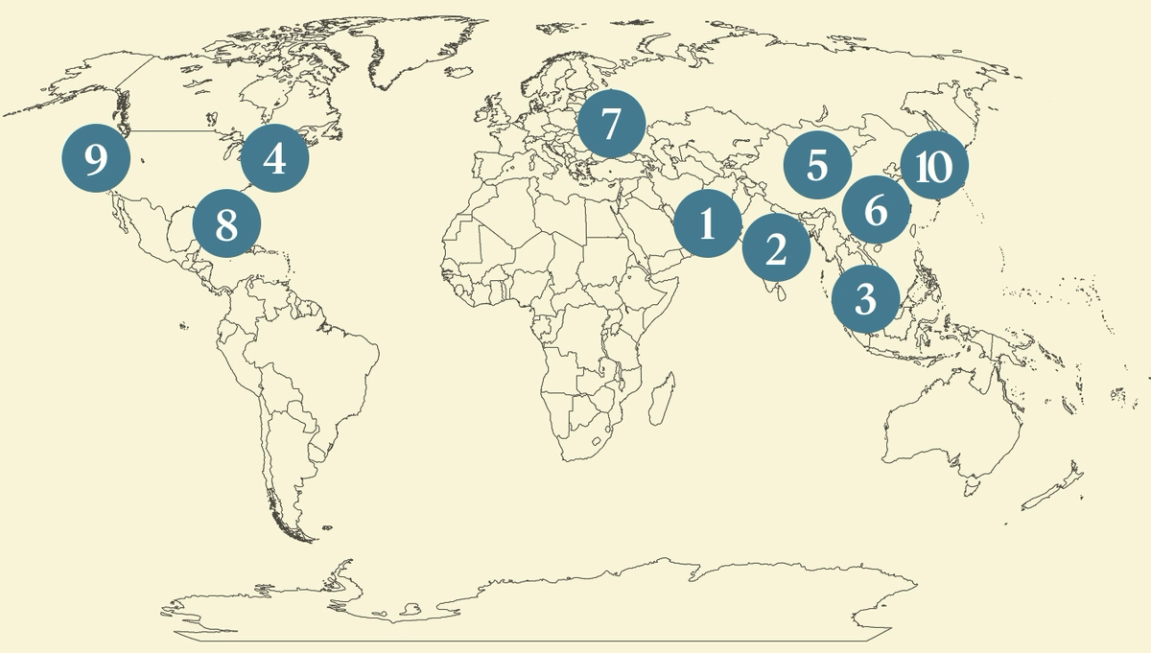 - Trump extends Iran ceasefire
- India’s oil buffers weaken
- Brace for canceled flights
- Warsh vows Fed independence
- China tightens trade rules
- Bigger US-China fight brews
- Fossil generation growth falls
- Astronauts get political
- Surveillance pricing scrutiny
- Kim Jong Un’s succession hint
 Life of Pi’s author reimagines the Trojan War. |
|
Trump extends Iran ceasefire |
 Kylie Cooper/Reuters Kylie Cooper/ReutersUS President Donald Trump extended the ceasefire with Iran on Tuesday, hours before it was set to expire amid uncertainty over peace talks. Trump, who earlier told CNBC that he would bomb Iran if a deal wasn’t reached before the truce deadline, announced that he would hold off attacks at the request of Pakistan — which is playing mediator — to give Tehran time to come up with a “unified proposal.” Trump added that the US blockade of the Strait of Hormuz would continue. The key waterway remains a major sticking point in future talks, amplifying worries among Gulf states that US-Iran diplomacy is now centered on managing Iran’s leverage over the strait, rather than achieving the broader de-escalation they desire, Reuters wrote. |
|
India, China running low on oil alternatives |
 Amit Dave/Reuters Amit Dave/ReutersThe closure of the Strait of Hormuz is squeezing Asia’s largest oil importers as they run low on alternatives. India and China have managed to cushion the blow of the Iran war’s energy shock by relying on diplomatic workarounds and Russian crude supplies already on water, but their “luck is beginning to run out,” Bloomberg wrote: Iranian forces attacked two India-flagged ships transiting the waterway, and analysts estimate that floating Russian crude available for purchase is down from 20 million barrels in February to between three to five million barrels. While India’s reliance on Gulf crude and LPG makes it particularly vulnerable, Beijing also called for “vigilance” to secure supplies. The war is “sparing no one,” an oil brokerage executive said. |
|
West should brace for flight cancellations |
 Edgar Su/Reuters Edgar Su/ReutersWestern countries could experience economic disruption on the scale of the COVID pandemic in the coming months, as energy markets continue to tighten as a result of the Iran war. Fuel shortages have begun to bite across Asia, prompting widespread flight cancellations and fuel rationing, which should serve as “a warning to Western markets that they are severely underpricing the risk” of such disruptions, Semafor’s energy editor argued. Europe is starting to see flight cancellations and the IEA chief warned the continent could run out of jet fuel in “six weeks or so.” If the Strait of Hormuz remains closed, Asian-scale shocks could land in the West with the unforeseen abruptness of the first coronavirus outbreaks in February 2020. |
|
Kevin Warsh vows Fed independence |
 Kevin Lamarque/Reuters Kevin Lamarque/ReutersUS President Donald Trump’s nominee for the Federal Reserve chair insisted to lawmakers Tuesday that he would uphold the central bank’s independence. During his congressional confirmation hearing, Kevin Warsh responded “absolutely not” when asked if he would be the president’s “sock puppet,” adding that Trump had not asked him to commit to interest rate cuts. Trump has repeatedly clashed with current chair Jerome Powell over his refusal to lower rates, prompting pushback from some politicians and business leaders. “What we care most about is the independence of the Federal Reserve,” Goldman Sachs’ president told Semafor last week. Several senators on Tuesday poured scorn on Warsh’s contention that the AI boom could clear the way for rate cuts, Semafor’s DC team noted. |
|
China’s new supply chain rules |
 Go Nakamura/Reuters Go Nakamura/ReutersBeijing enacted new rules that threaten stiff punishments for foreign and domestic companies that shift supply chains out of China, with penalties including “exit bans” on staff and asset seizures. The move reflects anxiety among policymakers as growing numbers of manufacturers shift production to places like India and Vietnam amid mounting geopolitical strains with the US and other Western countries. Beijing linked the restrictions to the Iran war, arguing that US threats to sanction Chinese banks over Iranian oil purchases created “spillover risks” for Chinese companies, the Financial Times reported. Analysts warned the measures will spike tensions with China’s trading partners, and could backfire by encouraging the very outflow of investment, talent, and technology that the legislation is intended to prevent. |
|
The next big US-China fight |
 Angela Ponce/Reuters Angela Ponce/ReutersAs the US and China wind down their tariff fight ahead of President Donald Trump’s planned visit to Beijing next month, a potentially more damaging fight is brewing over global supply chains. US political and business leaders are converging on a strategy to relocate critical supply chains and manufacturing to American and allied shores, while Beijing has passed legislation to punish companies doing exactly that, pointing to “more, rather than less, tension on the horizon,” Semafor’s China columnist argued. With Trump’s tariffs nullified by the US Supreme Court, Washington’s strategy toward Beijing has lacked a central prong, a Brookings expert told Reuters: “The US is taking pawns off the periphery rather than controlling the center of the board.” |
|
Solar power halts fossil generation rise |
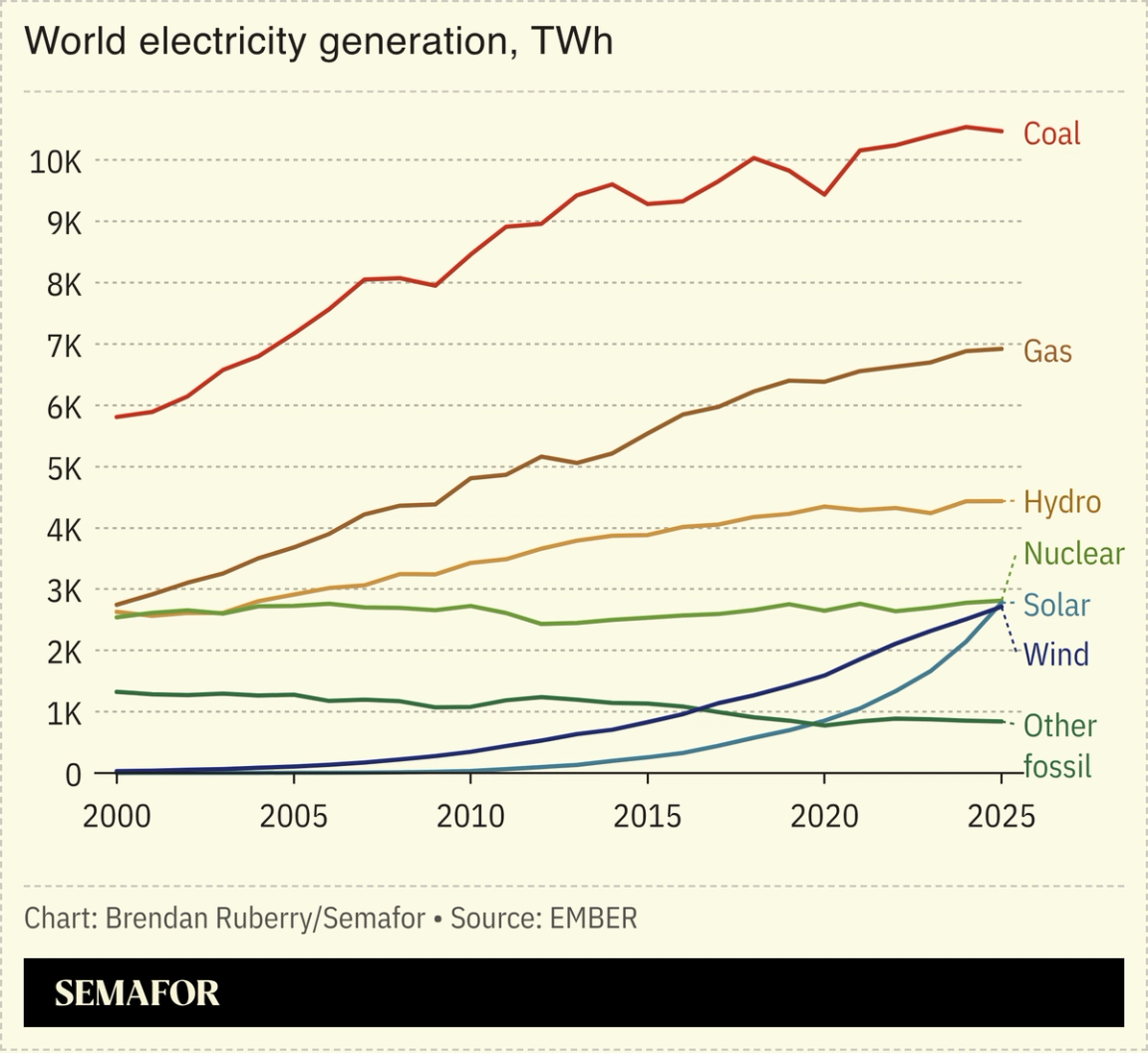 Global clean power production outpaced electricity demand last year, leading to a decline in fossil fuel generation for the first time since the pandemic. India and China largely drove the fall in fossil fuel generation thanks to solar power, which saw a roughly 30% increase in global capacity last year. While energy shocks from wars in Iran and Ukraine have exposed the vulnerability of the global energy system’s reliance on fossil fuels and has increased interest in renewables, the momentum toward clean abundant energy “is no longer just an ambition, it is becoming a structural reality,” Ember analysts said. Growth is expected to continue: China’s exports of solar panels, batteries, and electric cars reached a record high in March, 70% up year-on-year. |
|
 Colossal — the divisive startup that brought back Tom Brady’s dead dog and which wants to revive the woolly mammoth — has big goals, and almost none of them have to do with consumers. On this week’s Compound Interest, presented by Amazon Business, Liz and Rohan talk with Colossal’s Ben Lamm about building a bioscience empire serving governments — from drought-resistant crops to plastic-eating microbes, and much more (some of it classified!).
|
|
NASA astronauts get political |
 1971 Moon mission. NASA/David Scott via Reuters 1971 Moon mission. NASA/David Scott via ReutersMore than 100 former US astronauts launched a nonprofit to address an issue closer to home — the future of US democracy. Astronauts for America, which includes Democrats, Republicans and independents, plans to issue scores for political candidates and to hold officials accountable if they ignore the rule of law, The Wall Street Journal reported. The group said in an open letter that they were concerned by the “steady erosion of our founding values and principles” that had resulted in “political polarization and subversion of key constitutional and institutional norms.” While the letter does not mention President Donald Trump, the group’s co-founder said he decided to start the organization after witnessing an “un-American” immigration raid at a carwash. |
|
Airline surveillance pricing debate |
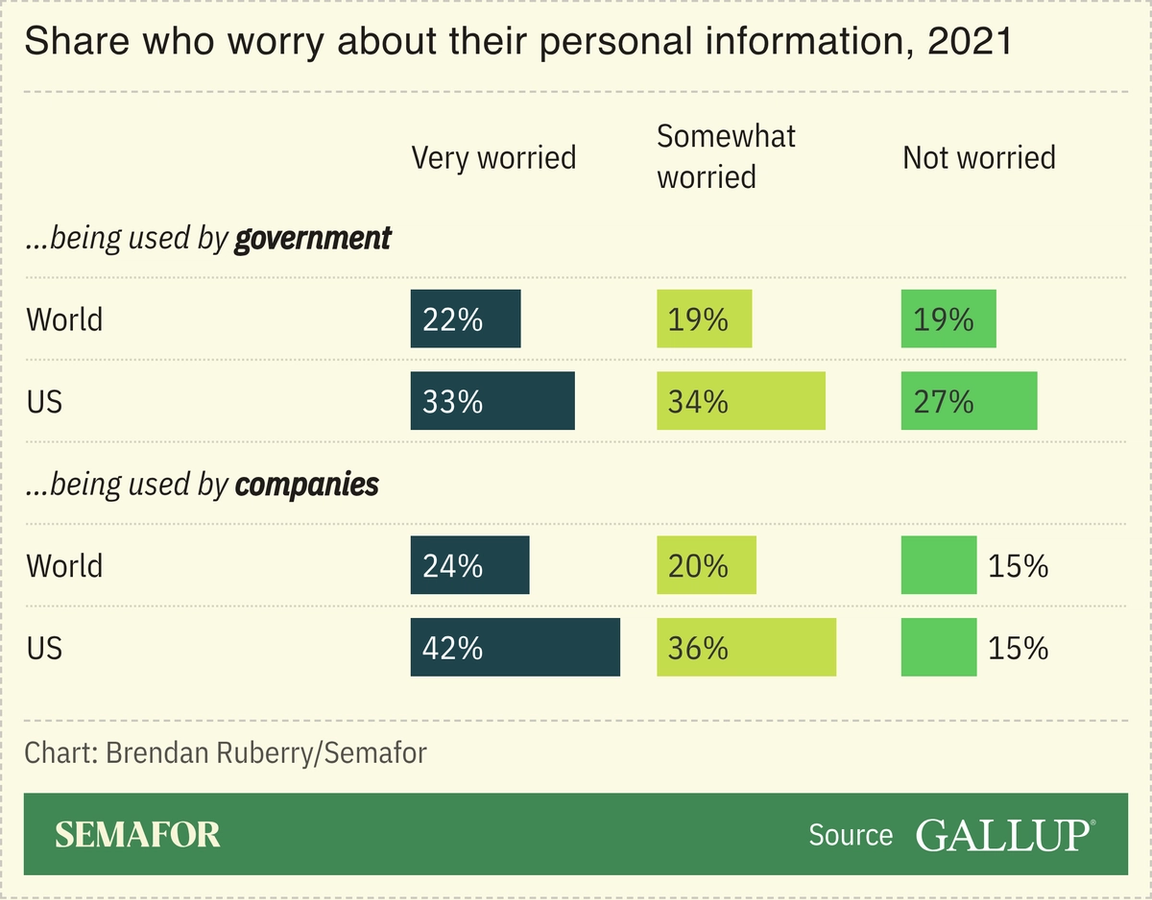 A post from a US airline sparked a row about surveillance pricing. A customer complained that a fare had gone up $230 in a day; JetBlue suggested using an incognito window, prompting speculation that it meant the airline set prices using personal data, which JetBlue denied. Personalized pricing is unpopular, although it is as old as haggling in bazaars. Businesses have always tried to work out how much people will pay, and such price discrimination allows big spenders to subsidize lower-income customers. The related issue of surge pricing based on demand is similarly unpopular but equally ancient. Economists, though, distinguish price discrimination from exploiting desperation, such as when Uber was accused of raising prices when customers’ phone batteries were low. |
|
|


