SpaceX-Cursor deal, Meta tracking software, Sullivan & Cromwell AI hallucinations.
 ͏  ͏  ͏  ͏  ͏  ͏  ͏  ͏  ͏  ͏  ͏  ͏  ͏  ͏  ͏  ͏  ͏  ͏  ͏  ͏  ͏  ͏  ͏  ͏  ͏  ͏  ͏  ͏  ͏  ͏  ͏  ͏  ͏  ͏  ͏  ͏  ͏  ͏  ͏  ͏  ͏  ͏  ͏  ͏  ͏  ͏  ͏  ͏  ͏  ͏  ͏  ͏  ͏  ͏  ͏  ͏  ͏  ͏  ͏  ͏  ͏  ͏  ͏  ͏  ͏  ͏  ͏  ͏  ͏  ͏  ͏  ͏  ͏  ͏  ͏  ͏  ͏  ͏  ͏  ͏  ͏  ͏  ͏  ͏  ͏  ͏  ͏  ͏  ͏  ͏  ͏  ͏  ͏  ͏  ͏  ͏  ͏  ͏  ͏  ͏  ͏  ͏  ͏  ͏  ͏  ͏  ͏  ͏  ͏  ͏  ͏  ͏  ͏  ͏  ͏  ͏  ͏  ͏  ͏  ͏  ͏  ͏  ͏  ͏  ͏  ͏  ͏  ͏  ͏  ͏  ͏  ͏  ͏  ͏  ͏  ͏  ͏  ͏ ­ ­ ­ ­ ­ ­ ­ ­ ­ ­ ­ ­ ­ ­ ­ ­ ­ ­ ­ ­ ­ ­ ­ ­ ­ ­ ­ ­ ­ ­ ­ ­ ­ ­ ­ ­ ­ ­ ­ ­ ­ ­ ­ ­ ­ ­ ­ ­ ­ ­ ­ ­ ­ ­ ­ ­ ­ ­ ­ ­ ­ ­ ­ ­ ­ ­ ­ ­ ­ ­ ­ ­ ­ ­ ­ ­ ­ ­ ­ ­ ­ ­ ­ ­ ­ ­ ­ ­ ­ ­ ­ ­ ­ ­ ­ ­ ­ ­ ­ ­ ­ ­ ­ ­ ­ ­ ­ ­ ­ ­ ­ ­ ­ ­ ­ ­ ­ ­ ­ ­ ­ ­ ­ ­ ­ ­ ­ ­ ­ ­ ­ ­ ­ ­ ­ ­ ­ ­  
Wednesday, April 22, 2026
SpaceX strikes a $60 billion deal for Cursor

Good morning. Fascinating indeed to absorb the world’s reactions to yesterday’s news that John Ternus will become the next CEO of Apple.

One that stuck with me? From none other than Tony “The iPod-father” Fadell, who offered as clear a north star as any for the company’s next chapter:

“People don’t choose products,” he wrote. “They choose experiences they can trust. Apple has always been built on that trust with users, with teams, and in products. This transition is continuing that trust.”

Today’s tech news below. —Andrew Nusca

Want to send thoughts or suggestions to Fortune Tech? Drop a line here.
SpaceX strikes a $60 billion deal for Cursor
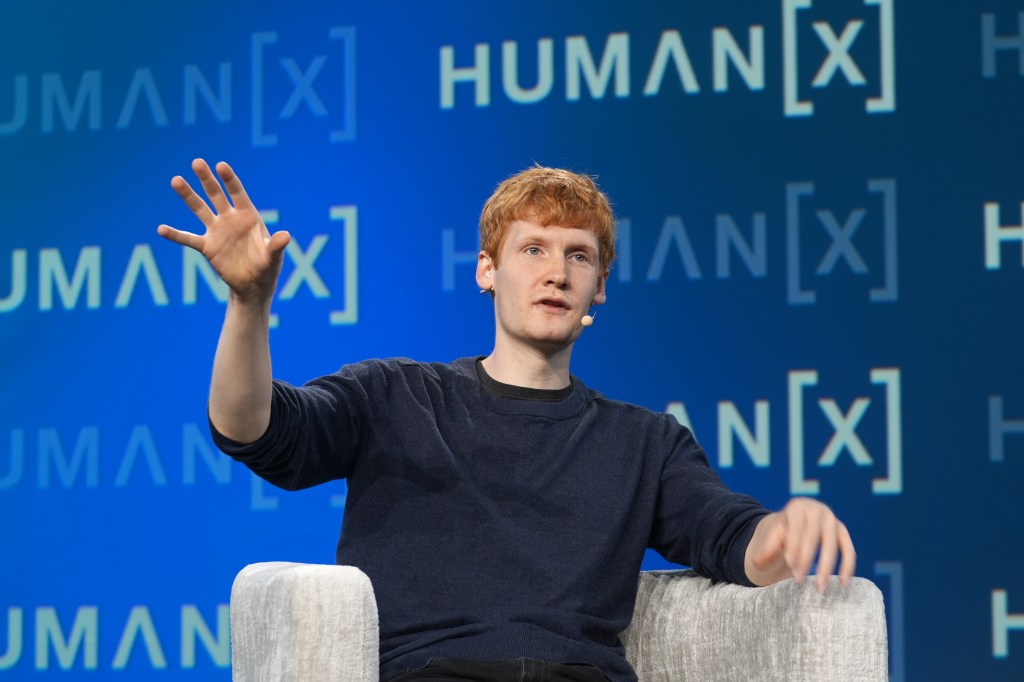
Cursor CEO Michael Truell on April 07, 2026 in San Francisco, California. (Photo: Big Event Media/Getty Images/HumanX)Cursor CEO Michael Truell on April 07, 2026 in San Francisco, California. Big Event Media/Getty Images/HumanX

OK, so here’s a wild one: Elon Musk’s rocket company SpaceX said Tuesday that it might acquire the hot AI startup Cursor for $60 billion.

Might! What a world.

The actual deal is a $10 billion collaboration to develop “coding and knowledge work” artificial intelligence, pairing Cursor’s AI expertise with SpaceX’s Colossus supercomputer. 

But if all goes well, SpaceX retains the right to acquire Cursor “later this year for $60 billion.” No pressure, Cursor CEO Michael Truell!

Cursor’s ascendance has been swift, with a big splashy feature in Fortune magazine and an almost $30 billion valuation at the end of last year. The San Francisco company has reportedly been in talks to raise $2 billion at a valuation of $50 billion; with that kind of trajectory, SpaceX was wise to strike a deal now.

Still, there was an air of inevitability to SpaceX—which acquired xAI in February—taking Cursor off the table. 

As Fortune’s Allie Garfinkle wrote last month: “Investors disagree about Cursor’s likely fate. Some say the only natural end point is an IPO, which would require the company to get its unit economics majorly in order. Others say it could be a mega-acquisition from OpenAI, which reportedly looked into acquiring Cursor early last year.” 

Surely Elon would never let that happen, eh? —AN
Meta is tracking U.S. staffers' computer activity
Meta is installing tracking software on U.S. employees’ work computers that will capture mouse movements, clicks, and keystrokes, along with some screenshots to feed the data into its AI training pipeline, according to Reuters

The tool, disclosed in a memo to staff this week in a channel belonging to the Meta Superintelligence Labs team, which Reuters saw, will run on a designated list of work apps and websites.

Meta’s memo framed the effort as a way for rank-and-file employees to improve company models in areas where they struggle to emulate basic computer-use behaviors, such as navigating dropdown menus and using keyboard shortcuts. The memo told Meta staffers that they can do their part to help by just doing their daily work. 

The broader goal seems to be to build AI agents capable of performing white-collar tasks on their own, the exact software Meta is racing to ship out amid competition from OpenAI and Anthropic. Those agents have a lot of data, but little footage of how to actually use it. 

“If we’re building agents to help people complete everyday tasks using computers,” a Meta spokesperson wrote in an email to Fortune, “our models need real examples of how people actually use them.”—Eva Roytburg
Top law firm to court: Sorry for the AI hallucinations
A white-shoe U.S. law firm told a federal bankruptcy court that a key filing it made in a high-profile case contained multiple hallucinations made by artificial intelligence.

The case in question pits government-appointed liquidators in the British Virgin Islands against Prince Group and its owner Chen Zhi, who was charged last year by U.S. federal prosecutors with wire fraud and money laundering as part of an alleged cyberfraud ring in Cambodia.

Sullivan & Cromwell deeply regrets the error, according to a letter written by Andrew Dietderich, one of the country’s top business restructuring lawyers. The firm didn’t name names in terms of who or what allowed the errors into the filing, but it reportedly has an enterprise license for OpenAI’s ChatGPT.

The good news? The hallucinations violated S&C’s policies on the use of AI. The bad? It still happened, sending the firm back to the drawing board on its governance. 

As the Financial Times points out, the slip-up is just “the latest example of a professional services firm grappling with the use of cutting-edge technology to speed up laborious research and cut down on staffing while also trying to maintain quality standards.” And, of course, justifying their $2,000 per hour billing rates. —AN
More tech
Microsoft cuts Xbox Game Pass prices. Ultimate drops from $30 to $23 per month, PC slides $2.50 to $14—but no future Call of Duty titles.

Did ChatGPT help plan a mass shooting? Florida’s attorney general issues criminal subpoenas to OpenAI to investigate.

Mozilla’s new Firefox has 271 fixes thanks to Anthropic's Mythos AI model.

Unauthorized users have reportedly had their hands on the limited-access Mythos since launch.

New York State sues Coinbase and Gemini, alleging that their prediction markets violate state laws against illegal gambling.
Kalshi may offer crypto trading in the U.S., pitting it against Coinbase.

Former ransomware negotiator pleads guilty to helping cybercriminals extort corporations.