Meta layoffs, Intel earnings, SpaceX lawsuits. Plus: Apple, Microsoft, Polymarket, SAP, Singapore, Tesla, U.K.
 ͏  ͏  ͏  ͏  ͏  ͏  ͏  ͏  ͏  ͏  ͏  ͏  ͏  ͏  ͏  ͏  ͏  ͏  ͏  ͏  ͏  ͏  ͏  ͏  ͏  ͏  ͏  ͏  ͏  ͏  ͏  ͏  ͏  ͏  ͏  ͏  ͏  ͏  ͏  ͏  ͏  ͏  ͏  ͏  ͏  ͏  ͏  ͏  ͏  ͏  ͏  ͏  ͏  ͏  ͏  ͏  ͏  ͏  ͏  ͏  ͏  ͏  ͏  ͏  ͏  ͏  ͏  ͏  ͏  ͏  ͏  ͏  ͏  ͏  ͏  ͏  ͏  ͏  ͏  ͏  ͏  ͏  ͏  ͏  ͏  ͏  ͏  ͏  ͏  ͏  ͏  ͏  ͏  ͏  ͏  ͏  ͏  ͏  ͏  ͏  ͏  ͏  ͏  ͏  ͏  ͏  ͏  ͏  ͏  ͏  ͏  ͏  ͏  ͏  ͏  ͏  ͏  ͏  ͏  ͏  ͏  ͏  ͏  ͏  ͏  ͏  ͏  ͏  ͏  ͏  ͏  ͏  ͏  ͏  ͏  ͏  ͏  ͏ ­ ­ ­ ­ ­ ­ ­ ­ ­ ­ ­ ­ ­ ­ ­ ­ ­ ­ ­ ­ ­ ­ ­ ­ ­ ­ ­ ­ ­ ­ ­ ­ ­ ­ ­ ­ ­ ­ ­ ­ ­ ­ ­ ­ ­ ­ ­ ­ ­ ­ ­ ­ ­ ­ ­ ­ ­ ­ ­ ­ ­ ­ ­ ­ ­ ­ ­ ­ ­ ­ ­ ­ ­ ­ ­ ­ ­ ­ ­ ­ ­ ­ ­ ­ ­ ­ ­ ­ ­ ­ ­ ­ ­ ­ ­ ­ ­ ­ ­ ­ ­ ­ ­ ­ ­ ­ ­ ­ ­ ­ ­ ­ ­ ­ ­ ­ ­ ­ ­ ­ ­ ­ ­ ­ ­ ­ ­ ­ ­ ­ ­ ­ ­ ­ ­ ­ ­ ­  
Friday, April 24, 2026
Meta cuts 8,000 workers to relieve AI spending pressure

Good morning.  In honor of the changing of the guard in Cupertino, pop quiz time:

John Ternus will mark the eighth CEO of Apple since its founding in 1976. Three of Apple’s CEOs took the company’s top job the same year they turned 51 years old. Who are they? 

Find the answer below, under “Endstop triggered.” 

Have a wonderful weekend. —Andrew Nusca

Want to send thoughts or suggestions to Fortune Tech? Drop a line here.
Meta cuts 8,000 workers
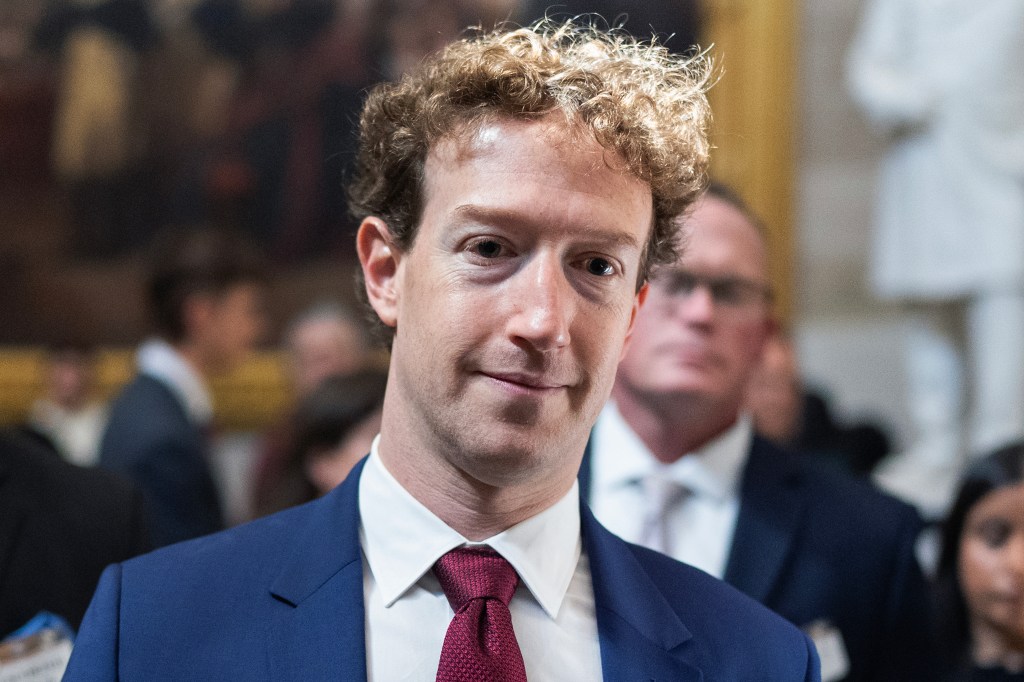
Meta CEO Mark Zuckerberg in Washington, D.C. on March 26, 2026. (Photo: Tom Williams/CQ-Roll Call/Getty Images)Meta CEO Mark Zuckerberg in Washington, D.C. on March 26, 2026.Tom Williams/CQ-Roll Call—Getty Images

Welp, Meta is once again eliminating jobs in light of its massive spending on artificial intelligence.

The parent company of WhatsApp, Instagram, and Facebook on Thursday told staff that it plans to cut about 8,000 gigs—about 10% of its workforce of nearly 79,000—beginning May 20.

It will also leave 6,000 open roles unfilled.

The news comes as Meta has committed to astonishing levels of capital expenditures this year as it competes in the artificial intelligence arms race. This year’s capex guidance is between $115 billion and $135 billion, nearly double last year’s spending.

“We’re doing this as part of our continued effort to run the company more efficiently,” the memo, written by chief people officer Janelle Gale, reportedly said, “and to allow us to offset the other investments we’re making.”

The layoffs follow earlier cuts in the company’s Reality Labs division and elsewhere. Zoom out and it’s been a relentless march: Tens of thousands of layoffs at Meta over the last four years as the company balances its AI ambitions with investor unease.

The company will report quarterly earnings on April 29. —AN
Intel crushes Wall Street targets
Intel has spent the last few years trying to reinvent itself and prove it’s still relevant in an AI-centric world dominated by Nvidia’s chips.

On Thursday, as Intel crushed Wall Street financial targets, the company had a new message: There’s nothing wrong with being a 58-year-old maker of PC and server microprocessors.

“We are embracing our roots as data driven, paranoid, and engineering driven,” CEO Lip-Bu Tan said at the start of the company’s Q1 earnings conference call, referencing the famous “only the paranoid survive” philosophy of Andy Grove, the late cofounder of Intel.

Shares of Intel surged more than 22% in after-hours trading Thursday after the company reported first-quarter results. Instead of the 2% decrease in revenue that analysts were expecting for the first three months of the year, Intel grew revenue 7% year-over-year to $13.6 billion. Revenue in the current quarter will range between $13.8 billion and $14.8 billion, Intel said, well above the $13.06 billion analysts have been expecting.

Demand for Intel’s central processing units (CPU) chips, which are based on its longstanding x86 architecture, is booming, the company said. In fact, revenue would have been even higher had it been able to produce more of the chips. —Alexei Oreskovic
Grok lawsuits threaten SpaceX’s global growth
Last month’s acquisition of xAI is giving SpaceX a teensy bit of buyer’s remorse. 

Not that it had much of a choice, mind you—both call Elon Musk founder, CEO, and largest shareholder.

As the U.S. rocket company prepares for a historic, $1.75 trillion IPO this summer, details from its S-1 regulatory filing have trickled out. In the typical section on risk factors, there’s a decidedly atypical item: A warning that the multiple investigations into the creation and distribution of sexually abusive imagery by xAI’s Grok AI model and chatbot may cause SpaceX to lose access to certain markets.

That such a thing happened is not new information. Grok was widely condemned over the last year after the chatbot generated nonconsensual, sexually explicit deepfake images—including those of minors. (xAI said it added additional safeguards to block such prompts.)

But the projected impact? That’s fresh. SpaceX said that the xAI allegations (and investigations in Brazil, Britain, California, Canada, France…) could give rise to additional lawsuits, liability, and government action that would harm the parent company’s opportunities in certain markets. And that’s something that “has occurred in the past,” SpaceX added, referencing Brazil’s 2024 ban after xAI refused to comply with a judicial order. 

A silver lining, at least if you’re Elon Musk? SpaceX’s 2024 reincorporation in Texas gives it additional protections to resist activist investors or hostile bidders who’d push for a more aggressive Grok fix. —AN
More tech
Microsoft offers voluntary buyouts to about 7% of U.S. staff.

U.S. soldier arrested for Polymarket profits from betting on Nicolás Maduro’s removal from office.

Tesla stock dives 4% on news that it earned next to nothing on cars in Q1 but will spend $25 billion in capex anyway.

Trump threatens the U.K. with a “big tariff” if it doesn’t drop its digital services tax.

Xbox CEO Asha Sharma: “Our new north star will be daily active players.”

SAP shares jump 10%. Q1 revenue of €9.56 billion tops analyst estimates while cloud revenue leaps 19% to €5.96 billion.

Singapore is “neutral ground” for tech firms caught between China and the U.S.