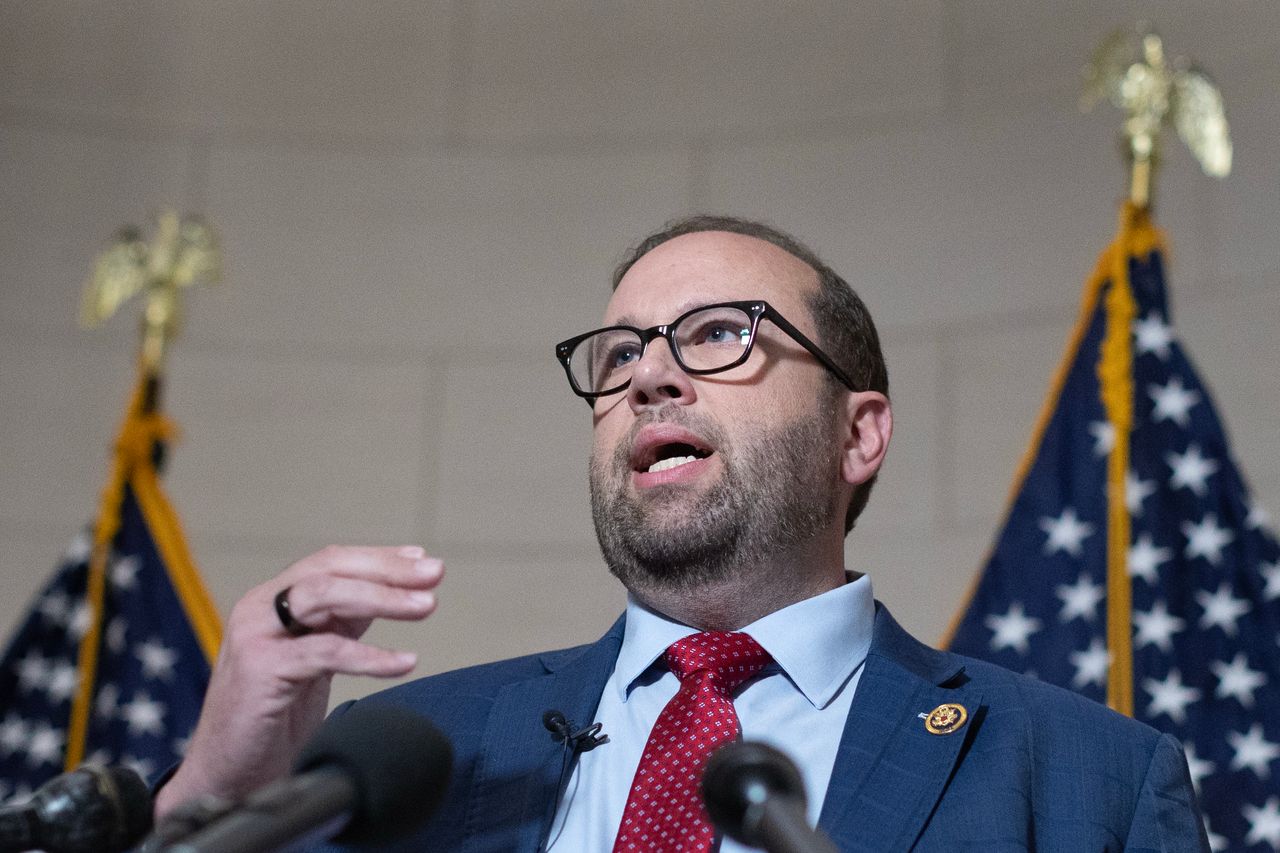
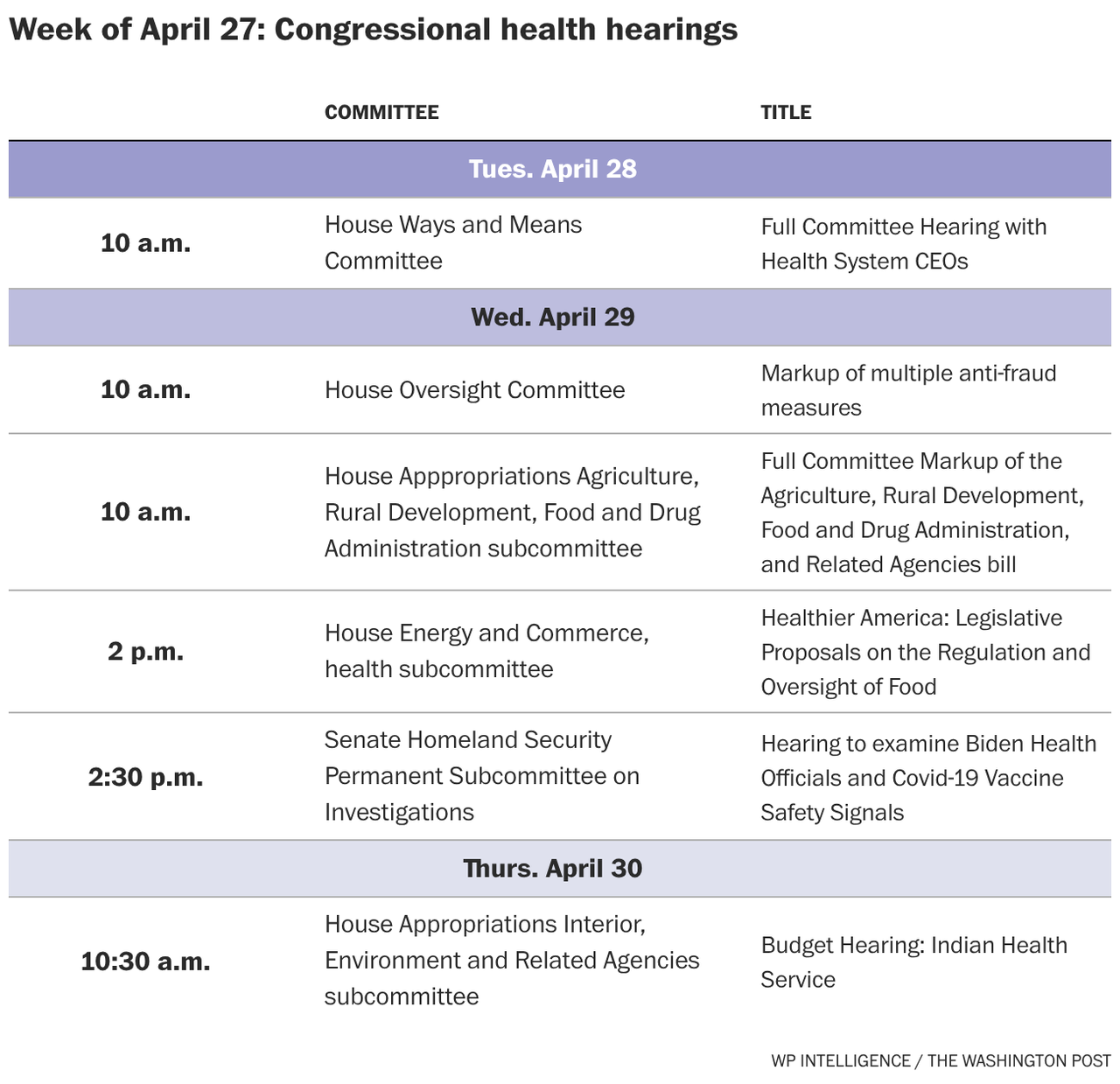
| |  | The Lead Brief | Top hospital executives will face the House Ways and Means Committee Tuesday as lawmakers scrutinize one of the biggest drivers of health care costs: hospital prices. Spending at hospitals accounts for roughly 31 percent of all health care costs, a data point that is likely top of mind for lawmakers as they examine how to tackle the issue of affordability throughout the system. Republicans, led by Chair Jason T. Smith (R-Missouri), have called leaders from for-profit HCA Healthcare and nonprofit health systems CommonSpirit Health, New York-Presbyterian and ECU Health. Democrats, meanwhile, have invited Brad Woodhouse, the president of progressive group Protect Our Care. “In just over two decades, hospital prices have exploded 300 percent, while the pace and scale of hospital mergers have led to market concentration that puts patients at the mercy of mega-corporations leaving reduced access and no competition,” Smith said in a statement. The hearing, he said, is intended to ask hospital executives “why patients are seeing this unsustainable — and, frankly, outrageous — increase in the cost of care.” Hospitals have argued that they are only responding to the rising cost of inputs — including wages and prescription drugs — that are rising faster than the level of inflation. Here are three themes to watch: - Consolidation: Most markets in the United States have highly concentrated hospital systems: In 83 percent of metropolitan areas, one or two health systems controlled more than 75 percent of the market, according to a recent KFF report.
Hospitals buying physician practices and converting them into hospital-connected outpatient departments — which are able to collect higher Medicare rates — has led to an increase in bipartisan interest in imposing what’s called site-neutral payments. Site-neutral payment reforms would reimburse these outpatient departments at the same rate as a doctor’s office. Hospitals have balked at the proposals, arguing the higher reimbursement is necessary to keep the lights on amid higher regulatory costs. - Charity care: Some critics argue that nonprofit hospitals don’t provide enough charity care — free or discounted services — for patients relative to the amount of tax breaks they receive.
At a previous House Ways and Means Committee hearing last year, a witness from the Brown University School of Public Health testified that nonprofit hospitals spent about 2 percent of their operating revenue on charity care, while for-profit facilities spent about 3.2 percent. Another study using 2018 data found that the average amount of charity care among small nonprofit hospitals was about 3 percent of their total expenses, compared to 1.81 percent of smaller for-profit hospitals’ expenses. However, larger for-profit hospitals spent an average of 3.72 percent of their expenses on charity care, while large nonprofits spent 2.6 percent. There wasn’t a meaningful difference in medium-size hospitals, according to the study. → Around the country, 26 states — plus Washington, D.C. — have begun imposing minimum standards for hospitals on how much charity care they must provide, but the specifics vary. If scrutiny increases, Congress could step in to impose national standards. - Rural reclassification: A growing number of hospitals in urban areas have been able to secure a “rural” designation that allows them to unlock higher Medicare reimbursement rates and other federal benefits meant to help improve rural health care.
A study published last year in Health Affairs found that the number of dual-classified hospitals rose from just three in 2017 to 425 in 2023. New York-Presbyterian Hospital, located in New York City, is among those with dual classification. While some hospitals have gained access to the 340B discount drug program by acquiring eligible facilities, others have gained access through reclassification. Keep an eye out for lawmakers to discuss this. While complex and technical, the 340B program — intended to support safety-net providers that operate on thin margins— has increasingly drawn congressional attention, including being mentioned several times during Health Secretary Robert F. Kennedy Jr.’s marathon hearings on Capitol Hill earlier this month. This could mean that the program is moving from a niche policy debate into the broader health care policy spotlight. | 

_tstmp_1756933376-1920-1080.png)