Thanks for reading The Briefing, our nightly column where we break down the day’s news. If you like what you see, I encourage you to subscribe to our reporting here.
Greetings!
Microsoft and OpenAI had big news this morning but before we dive into that, it's fair to say there’s a lot of excitement among investors (and reporters!) about the upcoming SpaceX IPO. But some people have a refreshingly realistic assessment of the situation. “There’s a trillion ways this can go wrong,” said Ashley MacNeill, co-head of capital markets at investment firm Vista Equity Partners, at The Information’s Financing the AI Revolution event in New York on Monday. “There’s only a handful of ways this goes right.”
MacNeill was making the point that the unprecedented nature of the IPO—SpaceX wants to raise $75 billion, roughly the total raised by all U.S. IPOs last year, according to Dealogic—is an issue in itself. “Most of the IPO market, most of the things you see are based on precedents, based on things that have happened before,” she said. “It’s not so often that you get things that haven’t been done before.…I think there’s a ton of ways that this can go awry.” For more on the event, see here.
Microsoft and OpenAI
Microsoft isn’t as glamorous a company as OpenAI in terms of buzziness and drama. But there’s a good argument to be made that Microsoft is the better AI investment. Today’s news that Microsoft and OpenAI have further loosened the ties that bind them demonstrates that.
The new deal allows OpenAI to sell its products via any cloud, resolving uncertainties about the deal it struck with Amazon’s cloud unit, Amazon Web Services, a few weeks ago. But OpenAI gave up a lot to win that freedom. It no longer gets a cut of what Microsoft makes selling its services. But Microsoft will continue to get a 20% share of OpenAI’s revenues through 2030, which could mean tens of billions of dollars in the next few years. Along with the 27% equity stake Microsoft has in OpenAI, the cloud and software giant is positioned to benefit enormously from whatever success OpenAI enjoys.
And now that Microsoft can also sell rival AI services such as Anthropic’s Claude, the cloud giant has hedged its bets. Meanwhile, the concession Microsoft gave—allowing OpenAI to sell through other clouds—may not end up being that meaningful for OpenAI. As we reported today, some AWS customers have shrugged off the news that OpenAI’s models would soon be available on the cloud service, “in part because they’ve come to rely on other model makers,” most obviously Anthropic.
That’s hardly a definitive conclusion, of course. Amazon hasn’t started marketing the OpenAI service, and things could change over time. But Anthropic has become the go-to AI service for businesses, as its fast-growing revenue demonstrates. That suggests AWS customers are more likely to stick with Anthropic than switch to OpenAI.
Microsoft has been out of favor on Wall Street all year, with its stock down 12%, the second-worst performance among the big tech names after Tesla. But investors are missing the bigger picture about what it stands to gain—and lose—from AI. Indeed, you could make the point generally regarding the three big cloud firms. Like Microsoft, Amazon and Google have equity stakes in Anthropic and sell its services on their clouds, so they participate in its success.
The three big clouds also have other giant businesses that continue to rake in money, although uncertainties about the impact of AI on those businesses are real. Even so, for all the appeal of OpenAI and Anthropic, the value of the diversified businesses of Microsoft, Google and Amazon can’t be overstated.
In Other News
• Chinese regulators on Monday blocked Meta Platforms’ $2 billion acquisition of Manus and ordered the companies to terminate the deal.
• More than 600 Google employees signed a letter to Google CEO Sundar Pichai asking him to reject a proposed deal with the Department of Defense to use Google’s AI on classified work.
• OpenAI CEO Sam Altman and President Greg Brockman attended jury selection on Monday as the trial in Elon Musk’s lawsuit against them and OpenAI got underway.
• Microsoft-owned GitHub on Monday said it would charge customers of its Copilot AI coding tools additional fees on top of base subscriptions, based on how much AI they use.
Today on The Information’s TITV
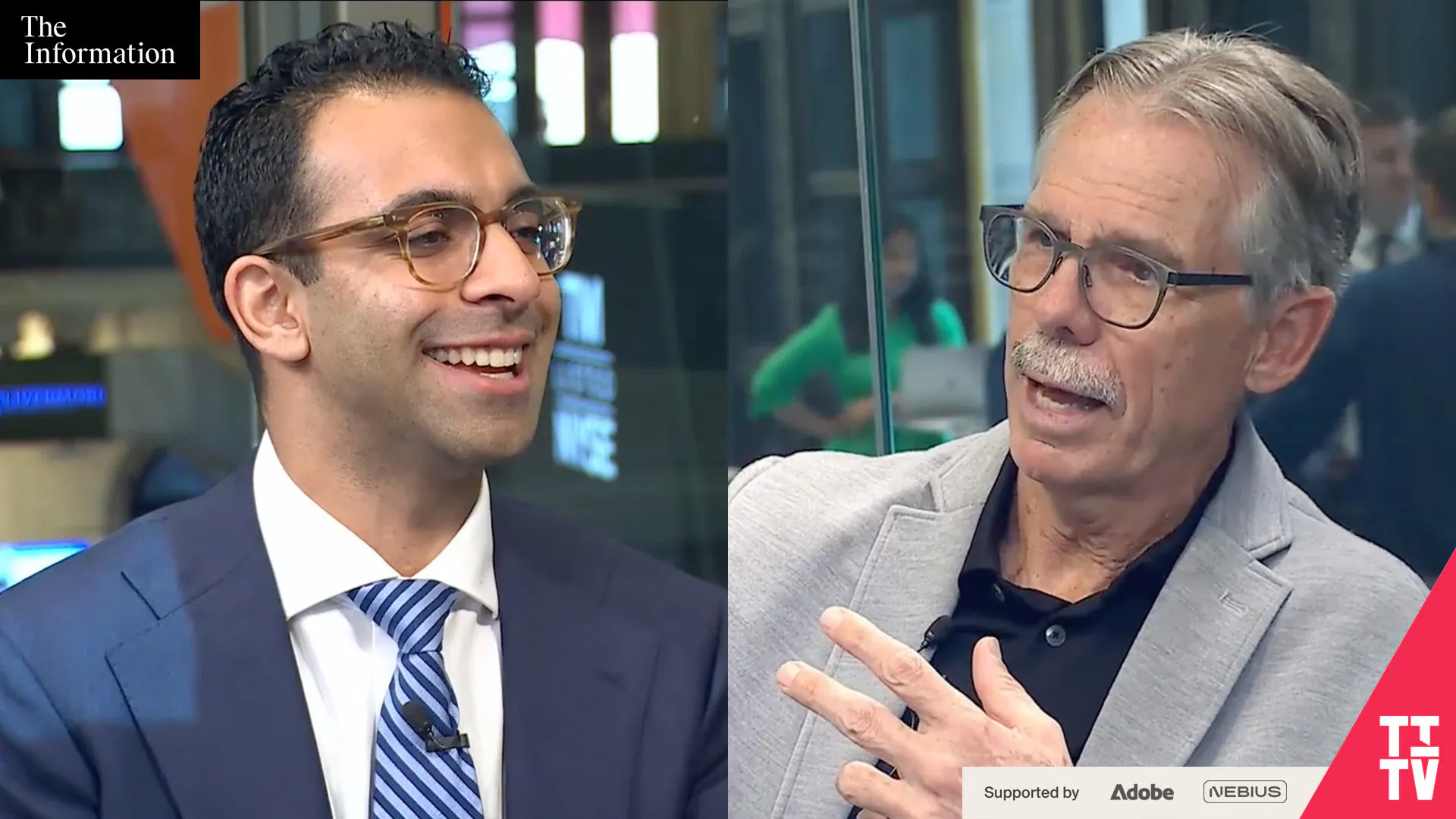
Check out today’s episode of TITV in which we speak with Silver Lake Partners co-founder Glenn Hutchins about the global AI race, circular financing and software valuations.
Recommended Newsletter
Start your day with Applied AI, the newsletter from The Information that uncovers how leading businesses are leveraging AI to automate tasks across the board. Subscribe now for free to get it delivered straight to your inbox twice a week.
The Information and Aily Labs are convening an intimate group of pharma, CPG, and retail executives in Los Angeles to address the next phase of enterprise intelligence. Request an invite.
Save the date for The Information’s annual AI Agenda Live in San Francisco, where top AI researchers, founders, investors and executives come together for a day of conversations about the breakthroughs and applications shaping the future of AI.
Save the Date: The Information returns to Napa Valley October 27-28 to convene senior women across tech, media, and finance. The event will feature two days of intimate, candid conversations with the leaders navigating today’s global shifts.