|
MAIN FEATURE:
Real estate is a tax tool, not just an investment
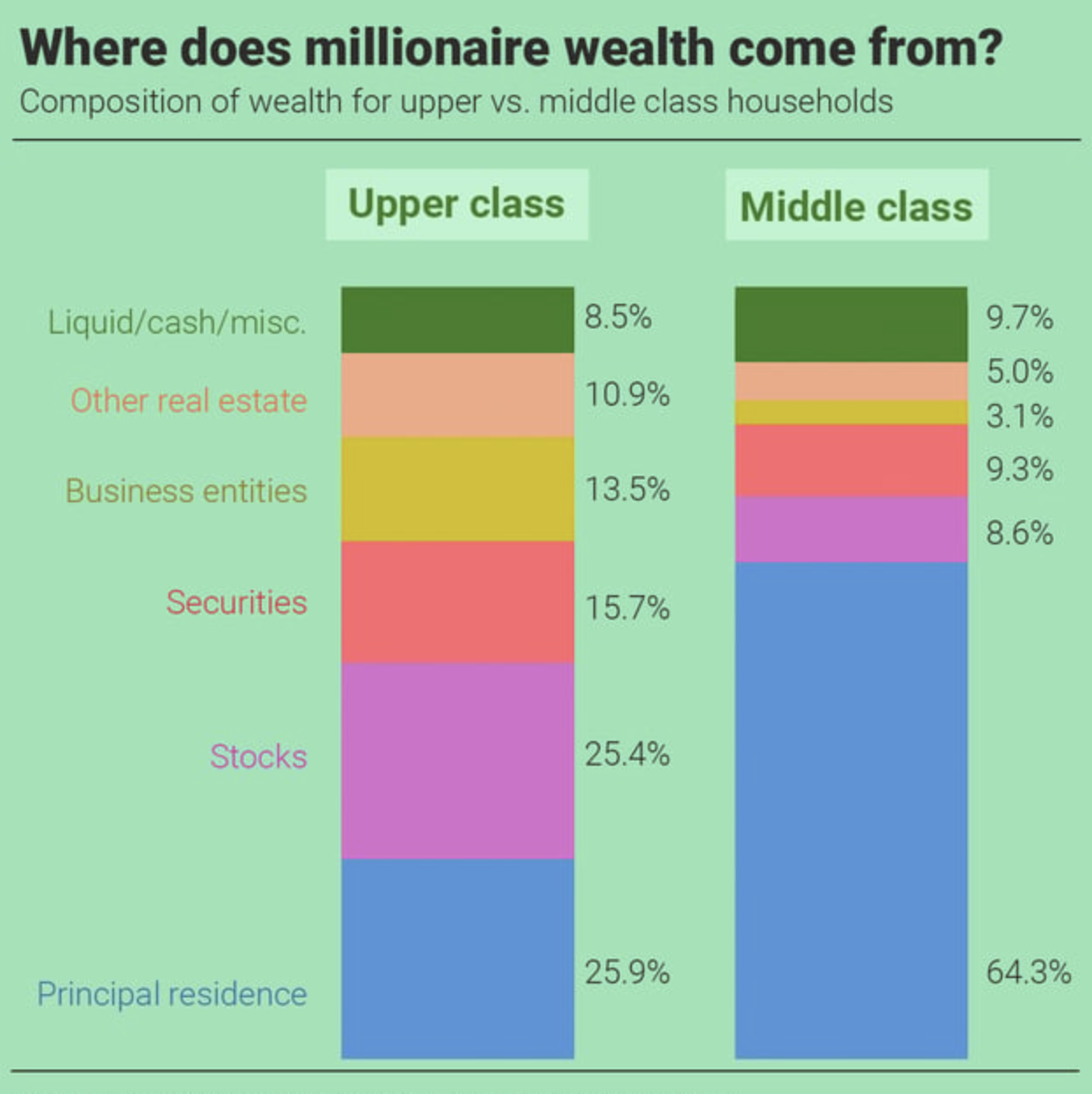
Most people’s relationship with real estate is equity. Their wealth is locked in their home. The asset is appreciating but there’s no way to touch that money unless they sell.
Some people’s relationship with real estate is cashflow. They buy rental properties and the tenants pay them every month. (A huge headache.)
But there’s actually three more jobs your real estate equity can be doing...
Job 1: Wipe out your tax bill
When you own investment real estate, the government lets you depreciate the property against your income.
Thanks to the bonus depreciation provision in the Big Beautiful Bill which just got extended, in many cases you can take 100% of that depreciation upfront in year one instead of spreading it out over decades.
So the result: you buy a property, and the government cuts your tax bill at the same time.
That's not a loophole. That's the tax code doing exactly what it was designed to do. The government wants people investing in real estate. This is how they incentivize it.
Job 2: Reinvest what you saved
Look at how many ads at tax time are about spending your refund.
Most people treat any tax savings like a bonus and they blow it.
You were counting on losing that money anyways. Put it into assets instead. Use it to get ahead.
I shared a similar example on LinkedIn about how Grant Cardone sold his private jet and people were celebrating as if he couldn’t afford it anymore. The truth is he had to sell it to buy a bigger one to wipe out another tax bill.
You can do the same thing. Use depreciation to reclaim money you were going to give to the government and put it into something like Bitcoin instead.
That’s how you accelerate your net worth without earning a single dollar more.
Job 3: You still own the asset
Not only do you save taxes and reinvest into assets, but you have the property appreciating as well.
I used to think about this the wrong way. I owned 200 rental doors at one point. I thought I was building passive income.
What I was actually doing was running a property management business. Tenants, maintenance, turnover, my wife always on the phone because the AC went out or the pool guy didn't show up. It was profitable, but the return on my time and energy just wasn't worth it.
Now I think about real estate differently.
I own trophy properties. A ranch in Austin. A house in Cabo. My primary residence. My family uses them. I use them for events and retreats. They sit on the asset side of my balance sheet, they appreciate, and I'm not dependent on tenants to make the math work.
When people come out to the ranch they say, "Mark, you're so lucky you can afford something like this." And I tell them: this place doesn't cost me money. It puts money back in my pocket. The write-off in year one more than covered the down payment.
That's the shift. Real estate isn't something you buy and manage. It's a tool. And when you understand all three jobs it can do at the same time, it becomes one of the most powerful tools in the system.
|