|
|
 |
|
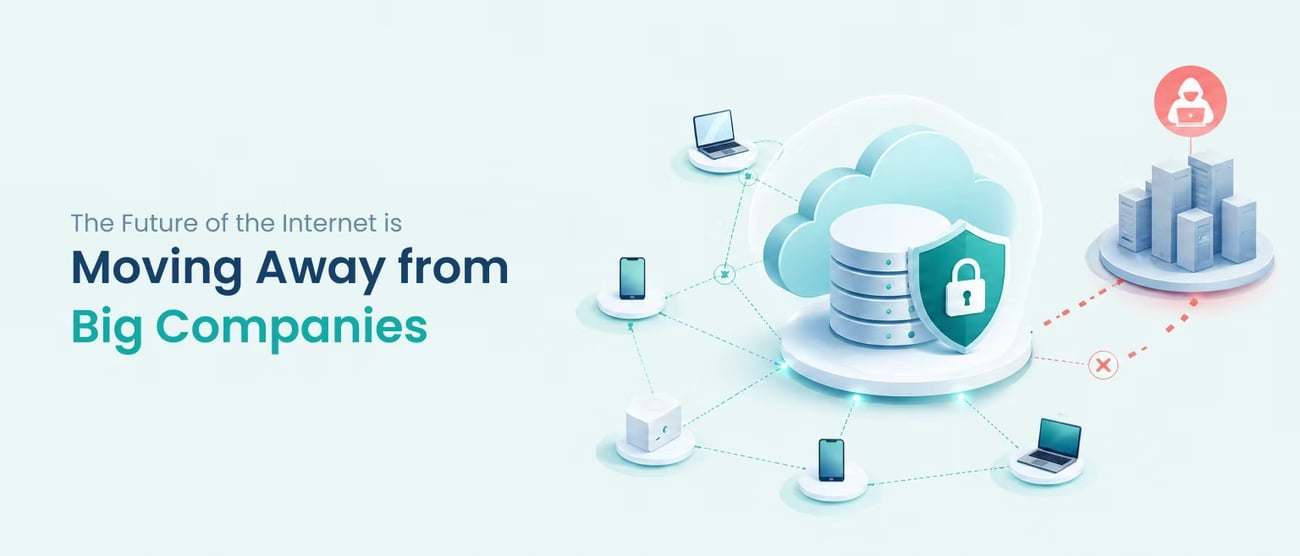
The Problem: Too Much Power in One Place
Do you agree that we rely too much on a few giant companies to keep our data safe. Well, this has become a very popular topic of debate on platforms like Reddit.
Right now, if you use a standard VPN or a big cloud service, you are putting all your trust in that one company… and people are asking:
-
What if that company gets hacked?
-
What if they are secretly keeping logs of what you do online?
-
What if their servers go down?
-
Are they selling my data?
if everything is in one "center," only one mistake puts everyone at risk.
The Solution: A "Neighborhood" Style Network
Instead of one big center, a "decentralized" network functions like a neighborhood. Instead of everyone going to one giant post office, people help pass messages to each other.
Regular users are choosing decentralized options for three simple reasons:
-
No Single Boss: There is no single company that can see everything or turn off the whole system.
-
Real Privacy: Your data isn't stored in one giant database that hackers can steal.
-
Better Access: Because the network is made of regular people in different homes, websites see you as a "real person" rather than a "business server." This makes it much easier to access content from around the world.
|
 |
|
Real-Life Examples
Example A: Watching Movies Anywhere Many people use "decentralized" tools to watch their favorite shows. Traditional tools often get blocked because they use "business" addresses. A decentralized system uses "home" addresses, so it’s much harder for websites to block you. It’s like using a friend’s Wi-Fi instead of a noisy office network.
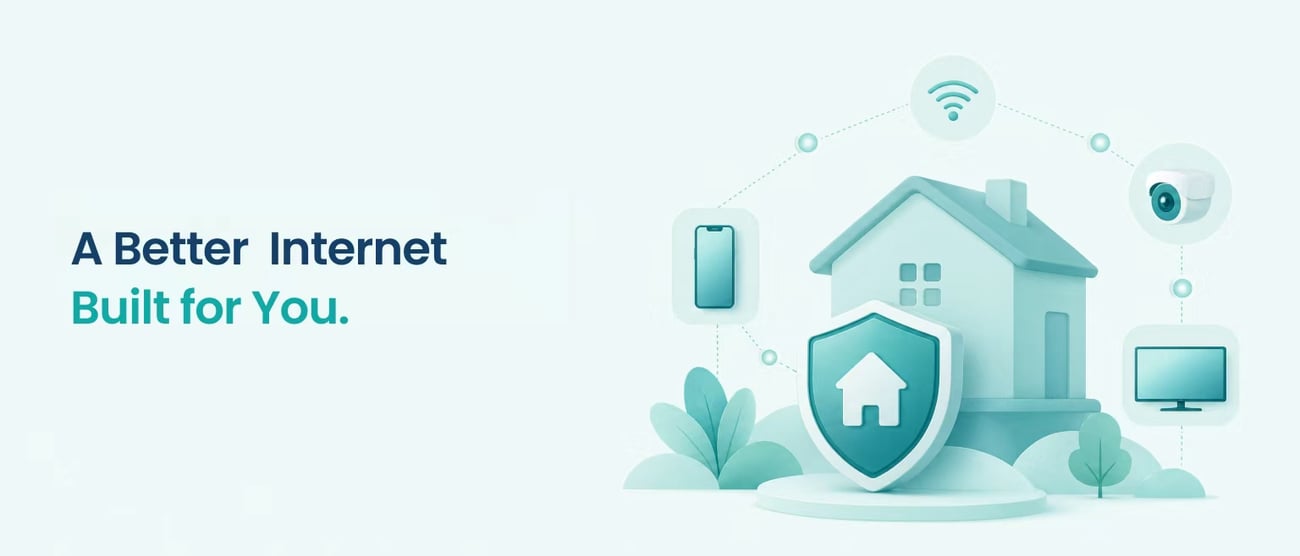
Example B: Safer Smart Homes If you have smart cameras or lights at home, they can be hacked. A decentralized setup acts like a protective shield around your whole house. It stops trackers before they even get to your phone or TV.
Example C: Owning Your Digital ID Imagine having a digital passport that stays on your own device, not on a big tech company’s server. You only show it when you want to, and no one can take it away from you.
What Are the Downsides?
It's not perfect yet. Because your data has to travel through different "neighbor" nodes, it can sometimes be a little slower than the big corporate systems. Also, the hardware can sometimes cost more at the beginning compared to a cheap monthly app.
Conclusion
The internet is changing. We are moving away from "big walls" and moving toward "big webs." By sharing the work across many small devices, we can create an internet that is more private, harder to break, and owned by the people who use it.
Best regards,
The Deeper Network Team
|
 |
|
Perseverance and Shared Success: A Letter to Every Builder of Deeper Network
|
|
|
|
|
|
 |
|
|
|
Experience the most Secure, Private, Fast and Reliable Network. |
|
|
|
|
|


