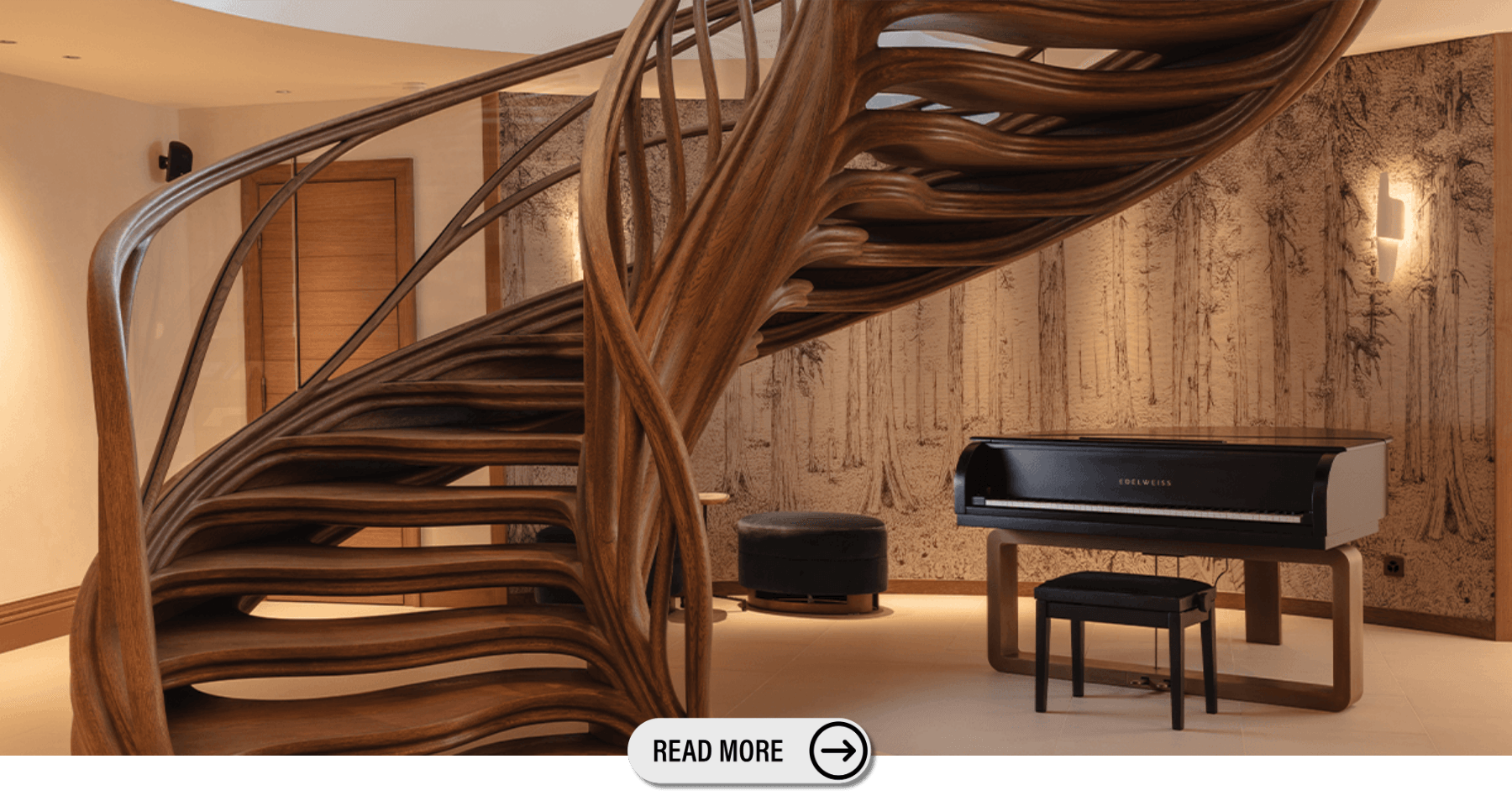
Located in Crans-Montana, Switzerland, this bespoke timber staircase project involved the design and realization of a highly complex, non-repetitive geometry within a private residence. The staircase is defined by an expanding helical form in which no two elements are identical. Each tread, baluster, and stringer detail was designed as a unique component, requiring a fully digital and parametric workflow from the earliest stages.
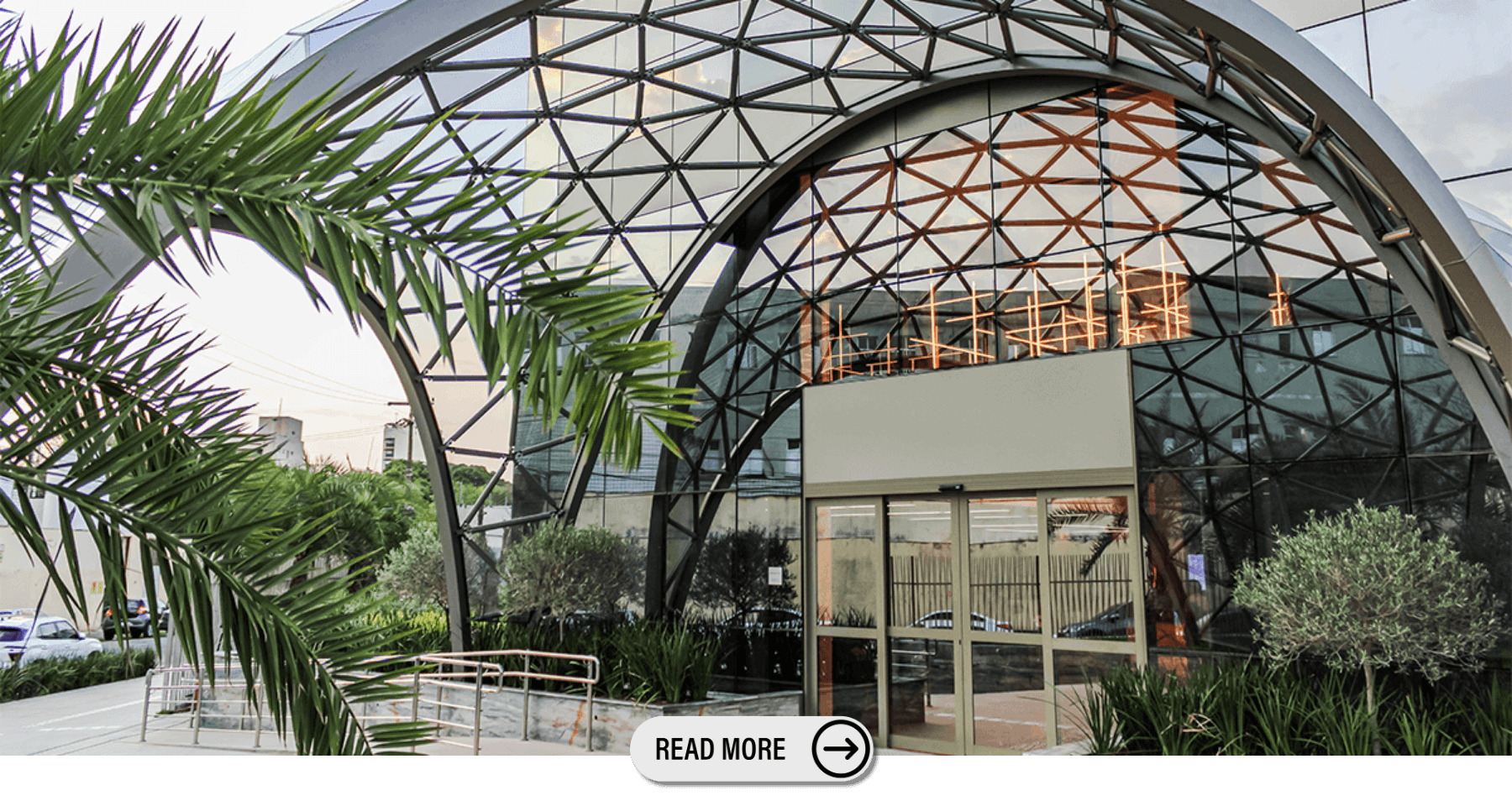
Marquise H.V is an entrance canopy designed for the Hospital da Visão in Teresina, Brazil. Developed by SELVAGEN in collaboration with Sérvulo Arquitetura, the project demonstrates how algorithmic design can translate complex geometry into a buildable system through a carefully structured digital workflow.
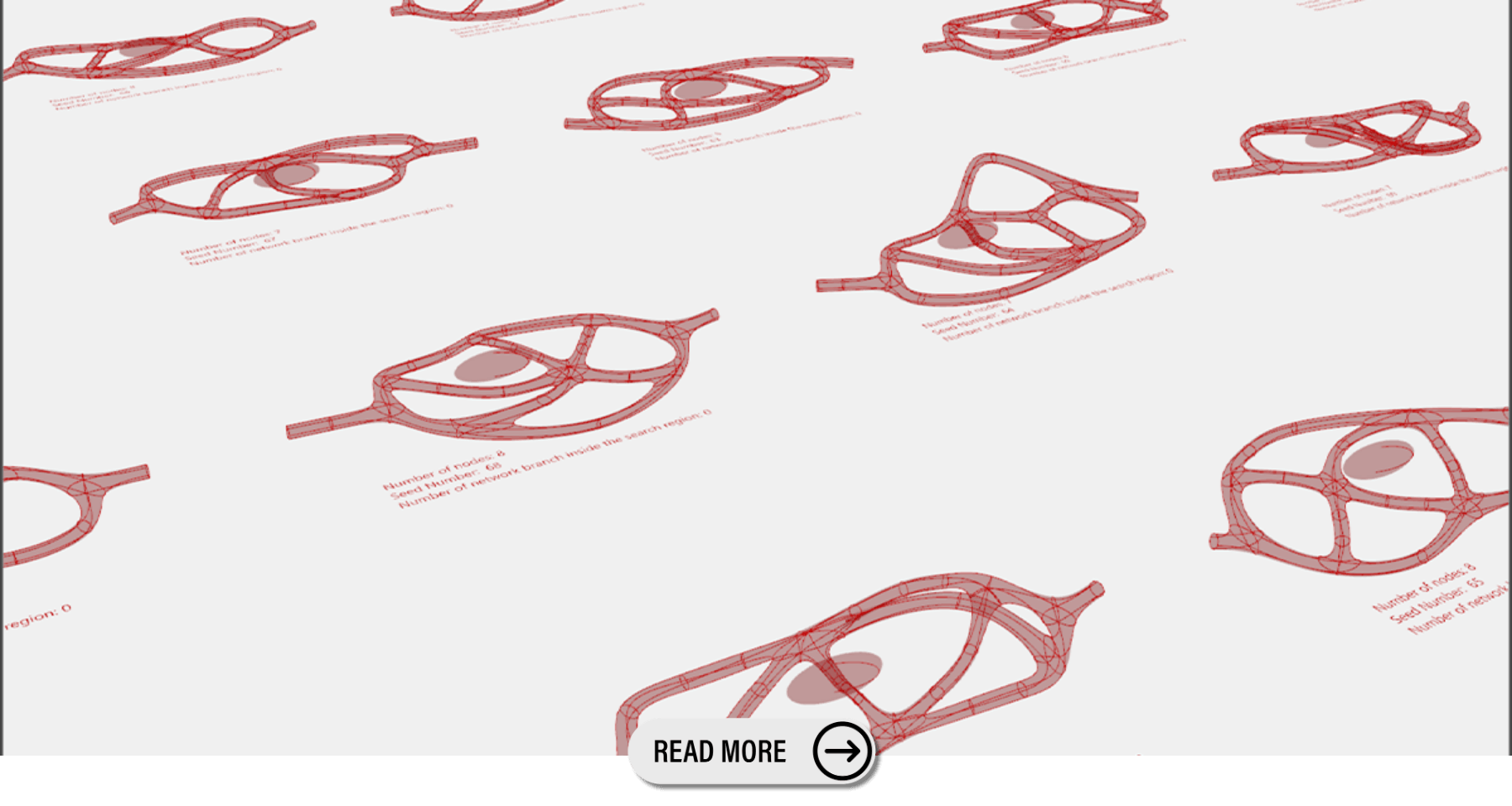
Advances in optical sensing and spectroscopy are transforming biomedical research, enabling non-invasive diagnostics and real-time monitoring of physiological processes. However, the development of these technologies is often limited by the lack of reliable, repeatable testing environments that accurately mimic the complexity of human tissue.
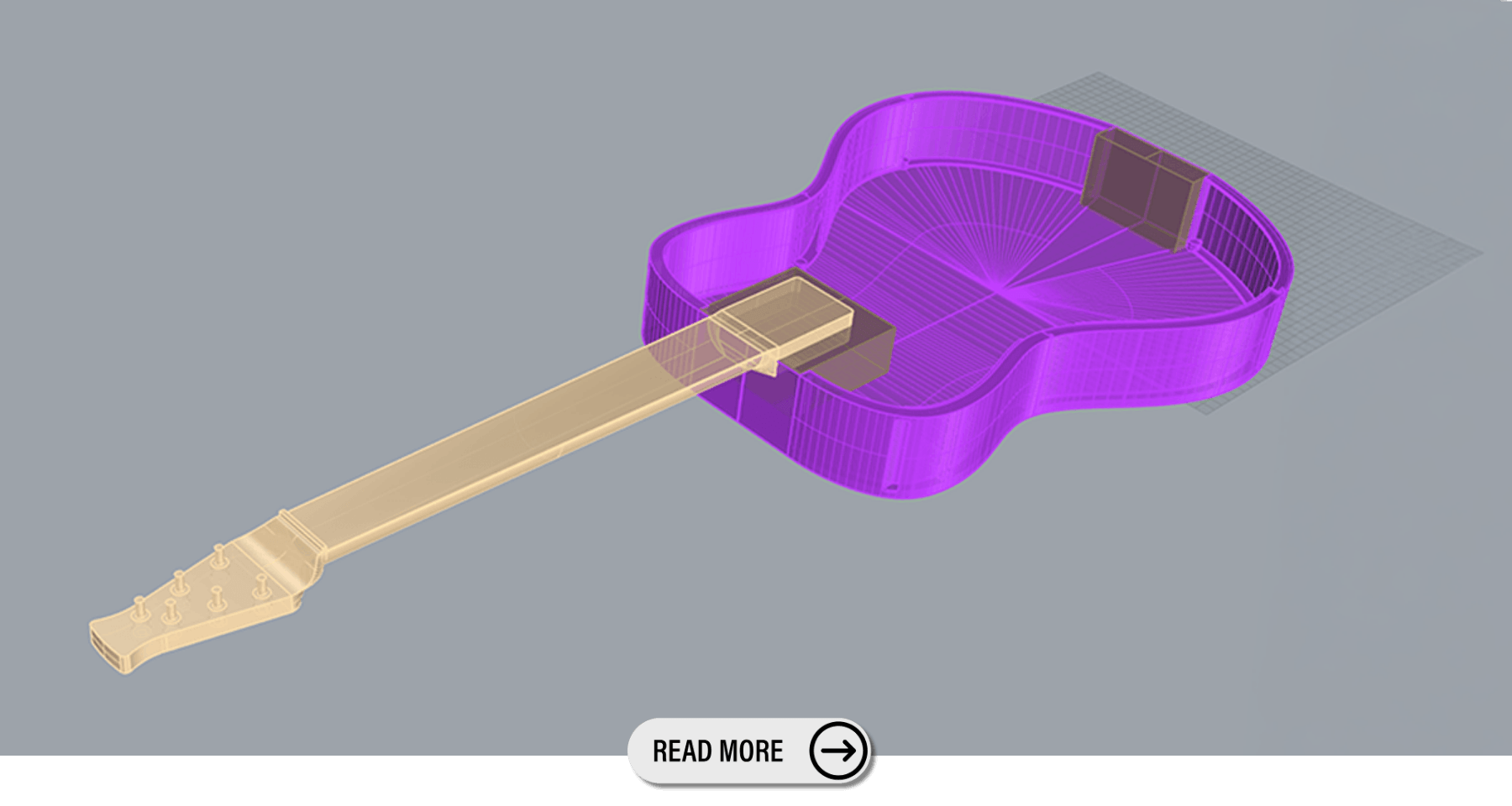
This project began with a fundamental question: how can acoustic guitars be built efficiently without relying on traditional, labor-intensive luthiery or large-scale manufacturing? The objective was to develop a digitally native instrument, designed entirely in CAD and optimized for distributed fabrication using accessible tools such as 3D printers and basic woodworking equipment.
Explore comprehensive training opportunities in Rhino, Grasshopper, and specialized plugins. Experience hands-on technology through multilingual courses that emphasize practical learning, flexibility, and certification opportunities, all supported by a dynamic global community of design and technology enthusiasts.
Enjoy a 20% discount with the code RHINO3DEDUCATION20