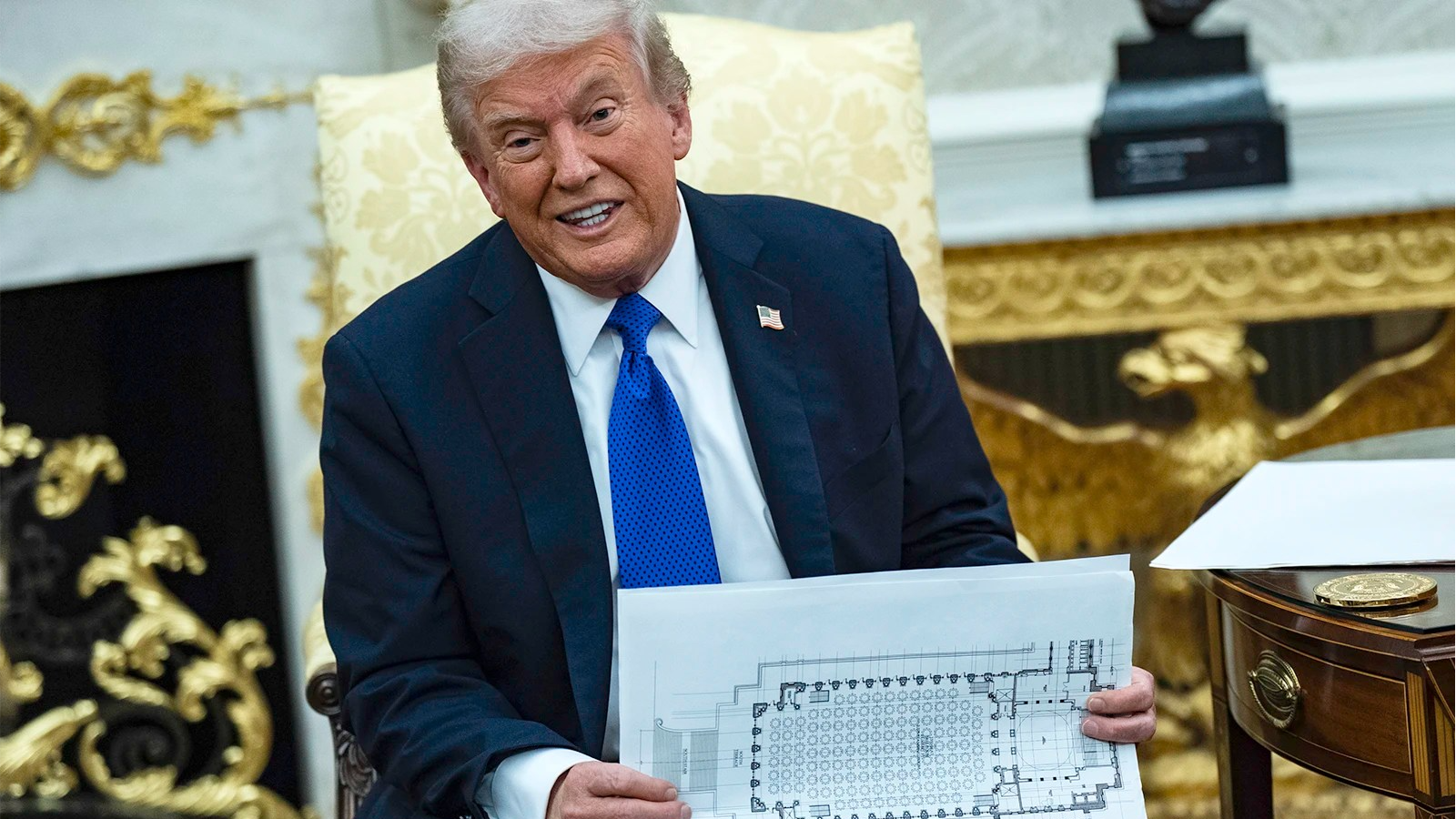
President Donald Trump said Monday that once the war with Iran is over, gas and oil prices will “drop like a rock.”
Many economists disagree. The profession even has a phrase for what happens to prices during a global conflict or supply shock: “rockets and feathers.” As in, prices shoot up like a rocket, but they slowly fall back like a feather.
This is not the first time Trump has run afoul of basic tenets of economics. Since returning to the White House, he has regularly given explanations, made predictions and taken actions that would lead to a failing grade in an Economics 101 course.
While campaigning in 2024, he promised to “bring prices down, starting on Day 1,” a pledge that economists dismissed as fundamentally impossible. Once in office, he implemented broad tariffs, insisting that they would be funded by foreign countries despite repeated warnings that the costs would be passed on to consumers. Then his war with Iran prompted the closure of the Strait of Hormuz, which triggered a surge in oil prices, fractured global supply chains and created severe fertilizer shortages — the exact catastrophic consequences that economists had long predicted.
None of these are partisan issues. While economists who advise Republicans might disagree with those who counsel Democrats on the virtues of tax cuts or deregulation, there is broad agreement on how inflation, tariffs and the global supply chain work. In fact, a 2006 survey showed there is a strong consensus among economists on a wide range of subjects, from why gas taxes are good to why agricultural subsidies are bad — two more areas where Trump has run afoul of their recommendations.
Read Lily Becker’s analysis here.