|
In a collection of her published diary entries, Virginia Woolf wrote, "Thinking is my fighting." This sentiment was a prominent theme in her 1940 essay, Thoughts on Peace In an Air Raid, in which the British writer framed the importance of individual thought as a crucial antidote to war and the rise of fascism.
I've been thinking a lot about Woolf's quote and its relevance today, largely connected to discourse on education. While literacy rates in the U.S. continue to plummet, a soaring number of individuals are adopting habits antithetical to thinking—offloading even the smallest of cognitive tasks onto ChatGPT, doomscrolling for hours on social media, and numbing the mind with addictive "brain rot." Critical thinking is being traded for passive acceptance and the death of curiosity—all in the name of efficiency and capital innovation. Our minds have become the new commodity.
In response to this, I've seen a clear cultural shift toward self-education. I, too, have been influenced by this new wave of autodidactic learning—personal curriculums, digital detoxes, reading challenges, etc. While these are certainly more examples of internet trends worming their way into our algorithms, beneath them lies something deeper: a collective desire to reclaim our own thoughts.
At the same time, access to quality information and educational materials can be hard to find, whether those resources are locked behind the gates of inflated tuition costs, class fees, or online paywalls. For Colossal, accessibility has always been an ongoing commitment. Over the last 15 years and counting, every article, interview, and instructional aid on our site has remained completely free. Our team believes that the ability to learn about and enjoy art must be universally available.
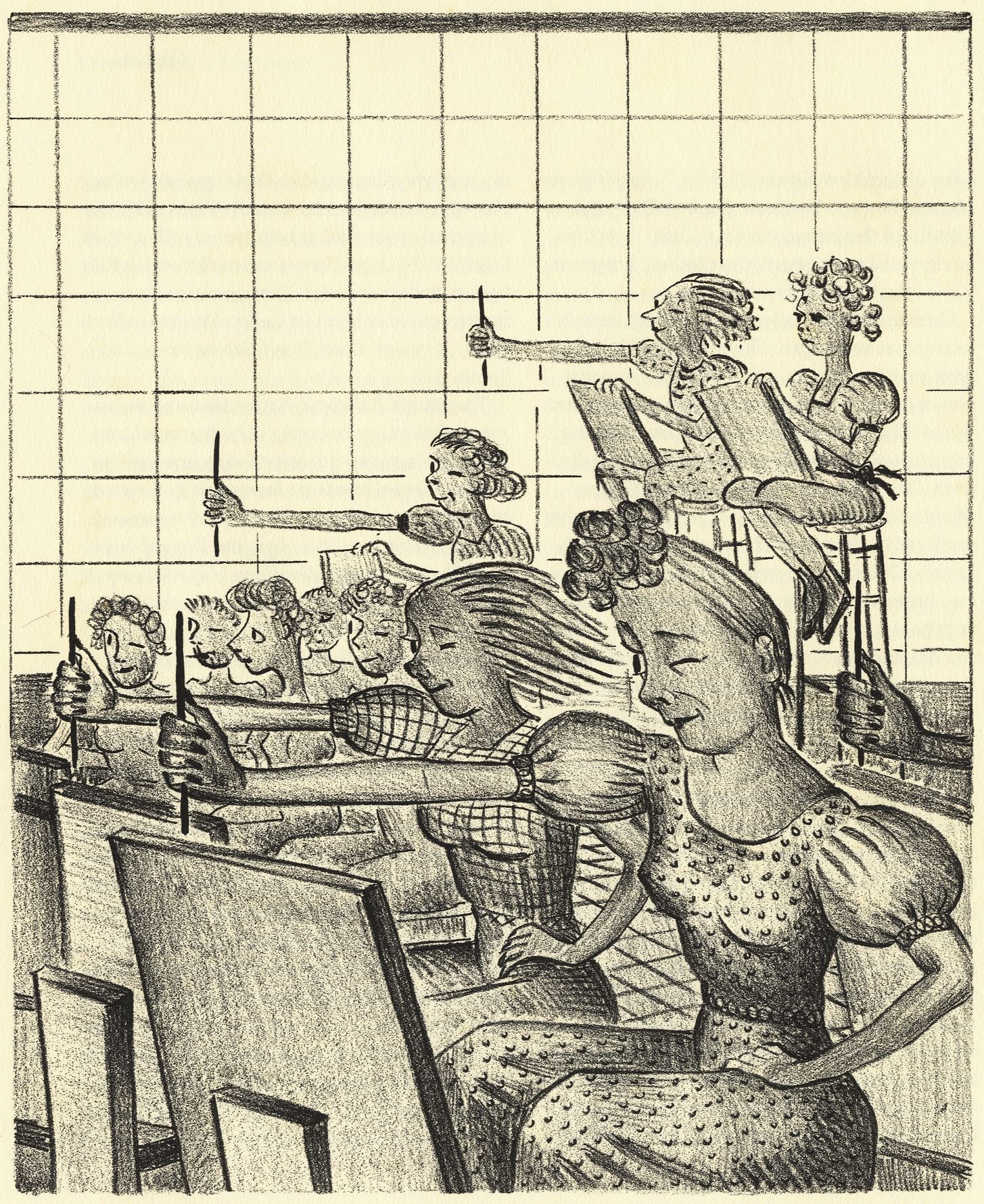
For years, members of this community have made us aware of how beneficial Colossal has been in their learning journeys. Educators of all ages have shared that they've introduced the website to their students, crafting complete lesson plans from our articles and glossary of art terms. I encountered Colossal for the first time in a classroom, and in another life where I taught elementary students art, it remained one of my most reliable tools.
Out of the classroom, learning persists, and we've been elated to hear many stories about how our daily doses of art allow readers to uncover something new everyday, gain more knowledge about contemporary art, and discover impactful stories that bring about change, connection, and hope.
And as we celebrate teacher appreciation this month, we'd like to highlight our deeply discounted education membership, available to current students and educators (simply shoot us a quick email and we'll get you set up).
Thank you for reading, sharing, and learning with us. ◆
Warmly,
Jackie Andres
Online editor, Colossal
|