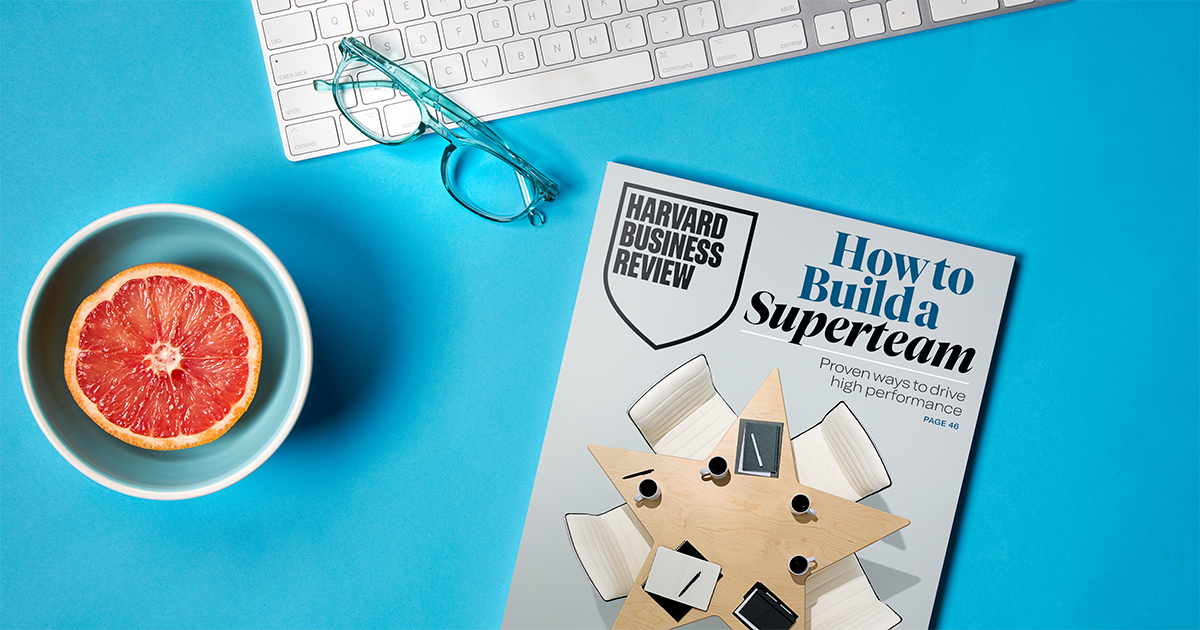
When teams struggle to perform, the instinct is often to add more tools, more dashboards, or more oversight. But performance problems are frequently coordination problems. Your biggest gains may come from redesigning how people work together—not the technology they use. Focus on the following.
Prioritize team familiarity. Teams that have worked together before communicate faster, anticipate problems earlier, and stay calmer under pressure. For high-stakes or unpredictable work, intentionally pair people with shared experience. You don’t need rigid teams, but you should treat familiarity as an operational advantage instead of leaving it to chance.
Balance continuity with fresh perspectives. Keeping the same people together forever can limit learning. Rotate team members selectively so employees are exposed to different working styles and approaches. The goal is stable cores with flexible edges: maintain consistency in key roles while introducing enough variety to spread knowledge and improve adaptability.
Build gender-balanced teams. Team composition shapes how people communicate and resolve conflict. Mixed-gender teams—particularly those balanced across hierarchical levels—demonstrate smoother teaching interactions and more effective cross-role communication. When assigning teams, consider how different perspectives and working styles affect performance instead of treating staffing as purely logistical. |
|
|
| by Antonio García Romero and Marco Caserta
|
|
|
by Antonio García Romero and Marco Caserta |
|
|
|
by Khadijah Sharif-Drinkard |
| |
|
| Don’t forget you’re entitled to 20% off your first purchase* |
| |
|
| A subscription puts the magazine in your hands and the full HBR.org library at your fingertips, ready whenever a question, project, or decision calls for it. |
| |
|
| Harvard Business Review Virtual Event |
Drive change and build trust in the AI age
Join us Wednesday, May 20. Featuring Arthur C. Brooks, Angela Duckworth, John Stankey, Carla Vernón, and more.
|
| |
|
|