Martin: 3 Taking Money from a Pension must-knows, including:
How to avoid huge tax mistakes when taking your 25% tax-free pension lump sum (age 55+)

Last week I took you through 13 Pension Savings Boosters, but it's equally important to understand how you get your money out of a pension. It can usually only be done by those aged at least 55 (rising to 57 from Apr 2028)... though for most, the longer you leave it in, the more time the money has to grow.
This is for Money Purchase (aka Defined Contribution) pensions. These are where you build up a pension pot of investments, and they're by far the most common type, as it's personal pensions and many workplace ones (see how to check). The other type
- workplace pensions where you get a percentage of your average or final salary when you leave, most common in the public sector - have different rules, often dictated by the scheme.
Do also watch my Martin Lewis Money Show Pension Special on ITVX from 2wks ago. I started talking 'taking money from pensions' about halfway through, and then into pension Inheritance Tax strategies.
1. Don't assume you can just take 25% tax-free out of your pension. Withdraw money and usually 25% of it is tax-free (capped for most at £268,275). The rest is taxable as income, so some of it may push you into a higher tax band. Yet how you take the 25% out has a huge tax impact. Luckily my taking your pension video explainer from last year is a piece of cake - well, chocolate Swiss roll if we're being technical...
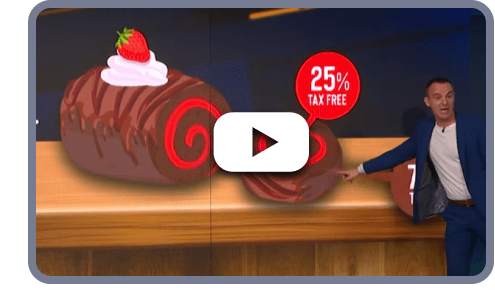
So in brief summary (the video explains it better) - withdraw money directly from your pension and only 25% of what you take will be tax-free, the rest taxable. To just take out the 25% tax-free bit, it usually needs to be done when you're putting the rest in a drawdown or an annuity.
What is a drawdown? In simple terms, think of your pension as a locked pot you save into for retirement. Drawdown is when you unlock some or all of it, take any tax-free cash you're entitled to, and leave the rest invested with a tap on it so you can draw money out when you need it.
In reality, it's still just a pension investment - you can even use the same investments - but as you've taken some out, it's technically a different product with a different name.
The first time you take taxable money from your pension... Your provider may use an emergency 'Month 1' tax code - this can tax the payment as if you'll get the same amount every month, so a big one-off or irregular withdrawal could mean a much bigger tax charge.
You will be able to reclaim any overpaid tax from HMRC either via tax forms, or it'll all come out in Self Assessment. Yet you may want to make your first withdrawal a smaller one, or spread your withdrawals over a year to mitigate this. |
2. Beware! Taking money out of your pension can limit what you can put in, in future. Each year, you get tax relief on your pension contributions up to your UK earnings, with a standard total cap, including employer contributions and tax relief, of £60,000 (it's lower for some higher earners).
Yet once you withdraw any 'taxable money' from your pension, the maximum allowance for future pension saving is usually reduced to just £10,000/yr under what's called the Money Purchase Annual Allowance (MPAA). There are a few main exceptions though (more help in How should I take my pension?)...
- Only taking some/all the 25% tax-free amount doesn't count.
- It doesn't apply if you used your pension money to buy an annuity (specifically, the normal lifetime annuities).
- You are allowed to withdraw from three Money Purchase pension 'small pots' with £10,000 or less in them, without it changing what you can put in (that's one reason for not consolidating these - see Is pension consolidation good?)
- The reduced allowance doesn't apply to future contributions to Salary Schemes.
| One thing to remember if you forget all else. |