|
Computer modeling is a valuable tool for investigating water movement, food webs, and other processes happening in the ocean. Projects funded by the NOAA RESTORE Science Program have leveraged advanced computer modeling to enhance understanding and management of the Gulf of America’s (formerly Gulf of Mexico’s) complex ecosystem. These models simulate interactions among species, habitats, and environmental factors, providing critical insights for resource managers.
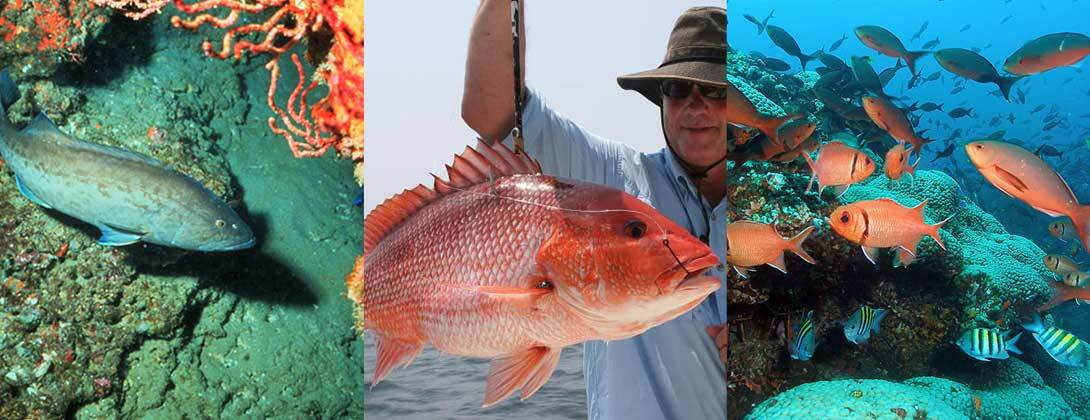
The University of Florida, in collaboration with NOAA and George Mason University, developed an ecosystem model for understanding stressor and predator-prey dynamics for species like gag grouper and Gulf menhaden. These models incorporate factors such as fishing pressure, habitat changes, and climate variability to inform sustainable fisheries management practices.
In another project, researchers linked fish distribution and diet databases to modeling platforms like Object-oriented Simulator of Marine ecOSysteEms (OSMOSE) and Ecopath, improving the accuracy of simulations of fish populations and their responses to environmental changes. This integration aids in predicting the impacts of management actions on the ecosystem.
Additionally, the Science Program has supported the development of decision-support tools tailored to specific management needs. For example, a web-based tool was created to evaluate the effects of management strategies on the red snapper fishery. This interactive platform allows managers to simulate outcomes of different regulations, facilitating informed decision-making.
Computer models can also be used to fine-tune observing networks. A University of Miami team supported by the Science Program used computer modeling to improve the effectiveness of monitoring ocean conditions in the Gulf. The team combined satellite and in-water data with advanced ocean models to better understand how observation networks support ecosystem management, especially for sensitive areas like coral reefs. One innovative approach, called Observing System Experiments, tested how removing or adding data sources affected model accuracy. This helped scientists identify which types of data are most important and where key gaps exist. The project also created early warning tools that alert sanctuary managers to unusual ocean conditions, like rising water temperatures.
Collectively, these modeling efforts provide resource managers with robust, science-based tools to navigate the complexities of ecosystem management. By simulating potential outcomes of various actions, these models support the development of strategies that promote the long-term sustainability of the Gulf's natural resources.
|