| | Disagreements over uranium and Strait of Hormuz tolls cloud Iran peace talks, US consumers are pulli͏ ͏ ͏ ͏ ͏ ͏ |
| |  | Flagship |  |
| |
|
The World Today | 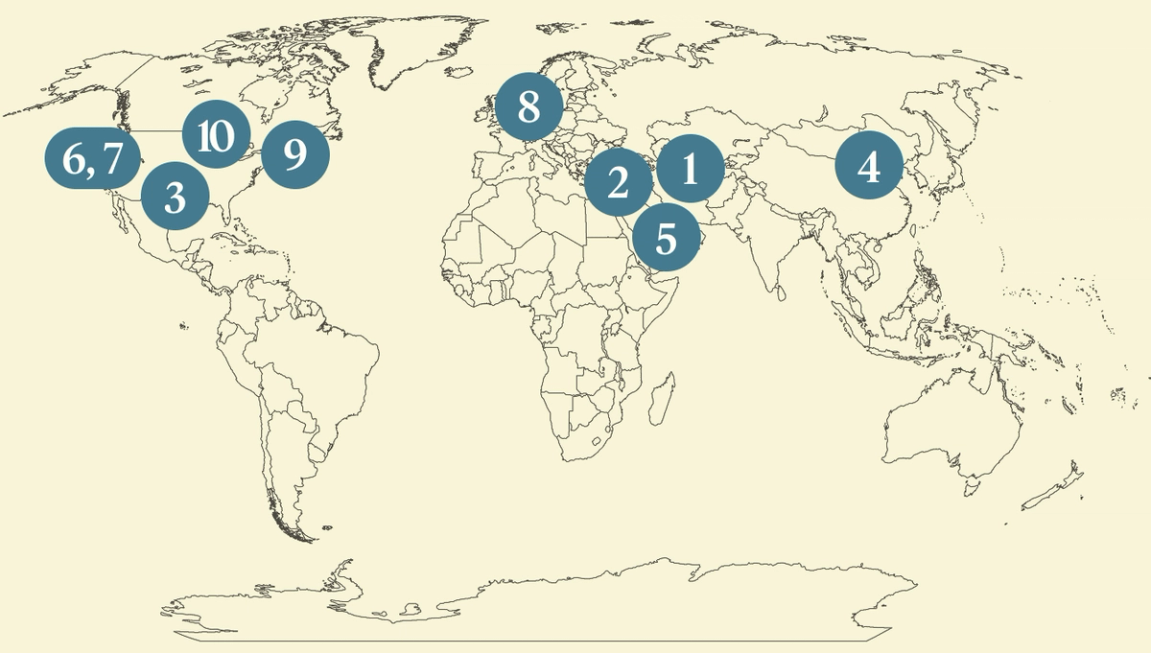 - Obstacles in Iran peace talks
- Israel shifts MidEast’s calculus
- US economic headwinds
- Property optimism in China
- Saudi oil revenues jump
- Trump holds off on AI order
- Big Tech piles on AI debt
- Europe’s carbon-capture bets
- Harvard caps A grades
- Knuckle-walking ancestor
 A new history of the first cross-country road race, and our latest Substack Rojak. |
|
Lingering barriers to US-Iran peace |
 Nazanin Tabatabaee/West Asia News Agency via Reuters Nazanin Tabatabaee/West Asia News Agency via ReutersDisagreements over uranium and a Strait of Hormuz “toll” system are dimming hopes for a breakthrough in US-Iran talks. While Tehran suggested Washington’s latest peace proposal “narrowed the gaps to some extent,” and the top US diplomat heralded “good signs” during negotiations in Pakistan, he stressed that “other options” are on the table. One major sticking point is an Iranian effort to set up a permanent tolling system in the strait, which the US opposes. The countries are also at odds over Iran’s control of enriched uranium: The US wants the near-weapons-grade material to be sent abroad — President Donald Trump said “we’re not going to let them have it” — but Iran’s supreme leader insisted it will stay in the country. |
|
Israel shifts Mideast power dynamics |
 Ammar Awad/Reuters Ammar Awad/ReutersWashington’s Middle East partners are increasingly seeing Israel as a destabilizing force, analysts said, a perception that is shifting regional power dynamics. Turkey is bolstering security partnerships in preparation for a regional power struggle with what it views as an unrestrained Israel, buoyed by the US, The Washington Post reported. As Ankara positions itself as a counterweight to Israel, their rivalry could “become the Middle East's new faultline” after Iran, an expert wrote in The New Arab. Gulf states understood the rationale of confronting Iran, but their priorities are now diverging from Israel’s, Arab News’ editor-in-chief argued in Semafor Gulf. As Iran rapidly recovers its military capabilities, the Gulf wants to pull Washington away from Israel’s escalatory tendencies toward Tehran. |
|
Signs of trouble for US consumers |
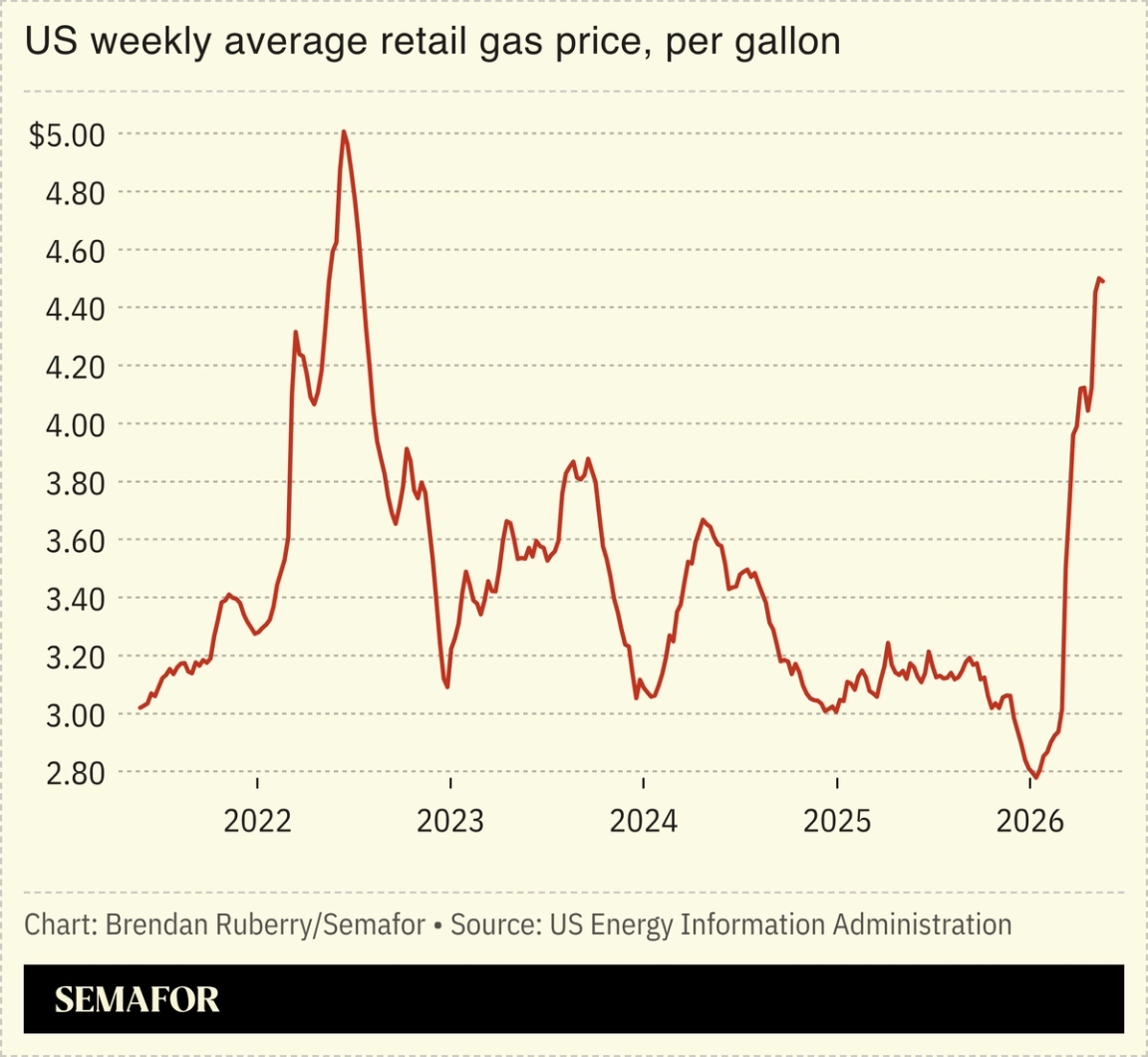 Major US retailers suggested shoppers are reining in spending as the Iran war raises prices on essential goods. Walmart on Thursday reported a worse-than-expected outlook, noting that its sales were driven by lower-price goods. The average number of gallons a customer buys at Walmart gas stations has fallen to 2022 levels, in an “indication of stress” amid soaring fuel prices, the company’s finance chief said. A Target executive echoed those fears, saying this week that “sentiment has been declining recently.” The signals spell trouble for an economy that has chugged along thanks in part to “resilient” consumers. US manufacturing activity picked up this month, new data showed, as companies stock up their inventories to protect against potential shortages and price hikes. |
|
China looks for signs of housing optimism |
|
War dents Saudi economic plans |
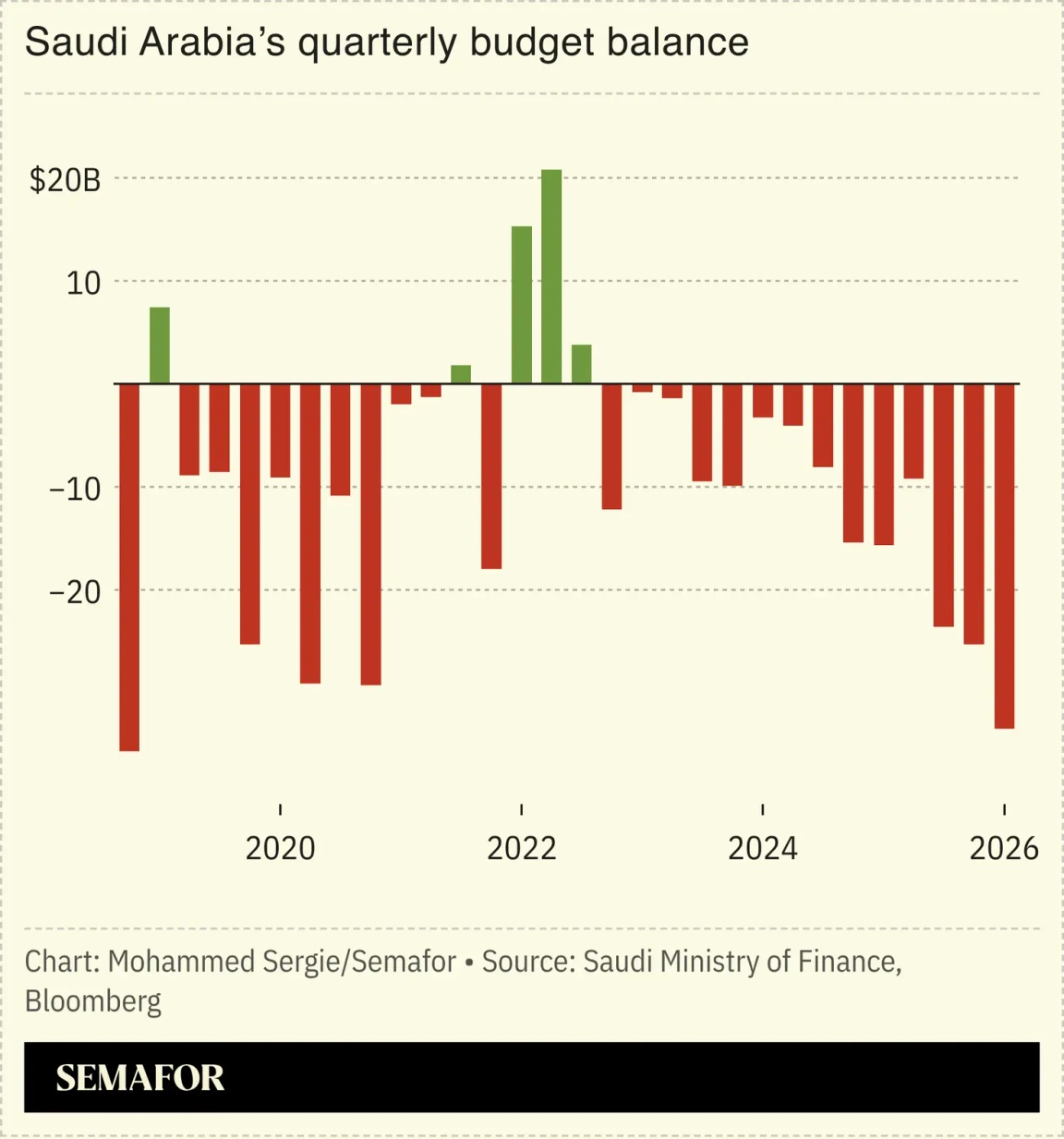 The Iran war is undermining Saudi Arabia’s efforts to diversify away from oil, while boosting the kingdom’s oil revenues. Riyadh ordered government entities to freeze payments to strategy advisers, management consultants, and law firms, which were central to the kingdom’s efforts to reinvent its economy and become a global business and entertainment hub, Semafor reported. The Esports World Cup was moved from Saudi Arabia to Paris because of the war, and the country’s sovereign wealth fund recently pulled out of LIV Golf. But the conflict is delivering a fresh oil windfall for the kingdom: Thanks to its ability to export via the Red Sea and rising oil prices, Saudi oil export revenues jumped to a more than three-year high in March. |
|
Trump postpones signing AI order |
 Kevin Lamarque/Reuters Kevin Lamarque/ReutersUS President Donald Trump on Thursday postponed signing an executive order on AI and cybersecurity over concerns it could shrink the country’s AI lead over China. The order laid out “a voluntary framework” for AI firms to share their new models with the government before their public release, stemming from concerns that high-powered AI systems, like Anthropic’s unreleased Mythos, could pose cybersecurity risks to national security and the economy. AI companies had already been briefed about the directive, but Trump said he “didn’t like certain aspects of it.” Still, the order illustrates his administration’s deepening reach into private enterprise: The government said Thursday it was taking more equity stakes in tech companies in a bid to boost the quantum-computing industry. |
|
AI debt issuance testing bond market |
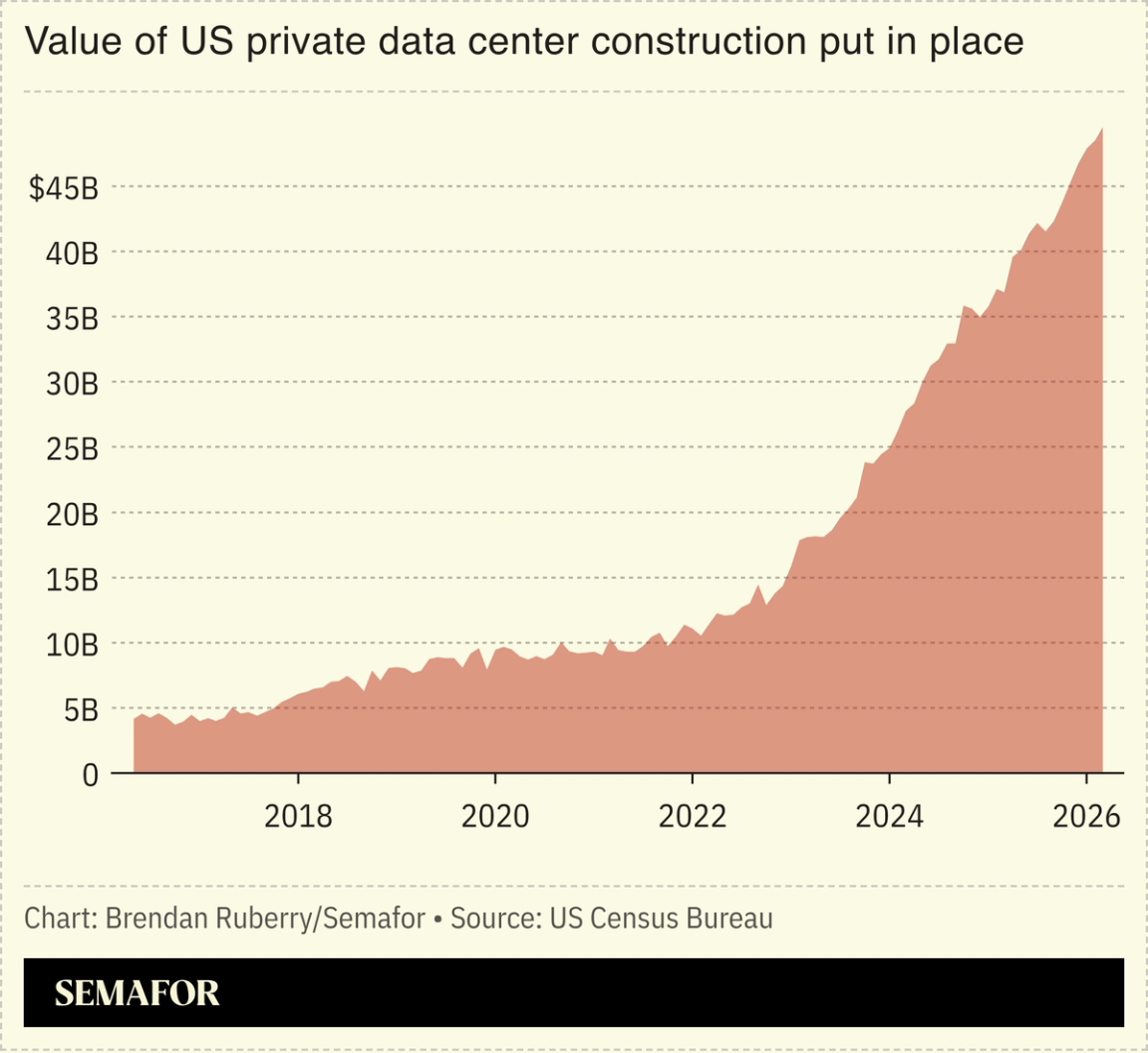 Massive debt issuance by Big Tech to fund the AI buildout is stress-testing the bond market. Barclays analysts said in a report Thursday that issuance from companies like Meta, Alphabet, and Amazon will likely exceed $200 billion this year; capital expenditures could hit $725 billion and near $1 trillion next year, as the companies rapidly plan data centers to feed high compute demand from AI. “Hyperscalers are starting to test the market’s depth,” the analysts said. The firms are deploying a diversifying toolkit to fund the AI growth, including data center bonds. Some big-spending AI startups are also eyeing IPOs to tap the market. |
|
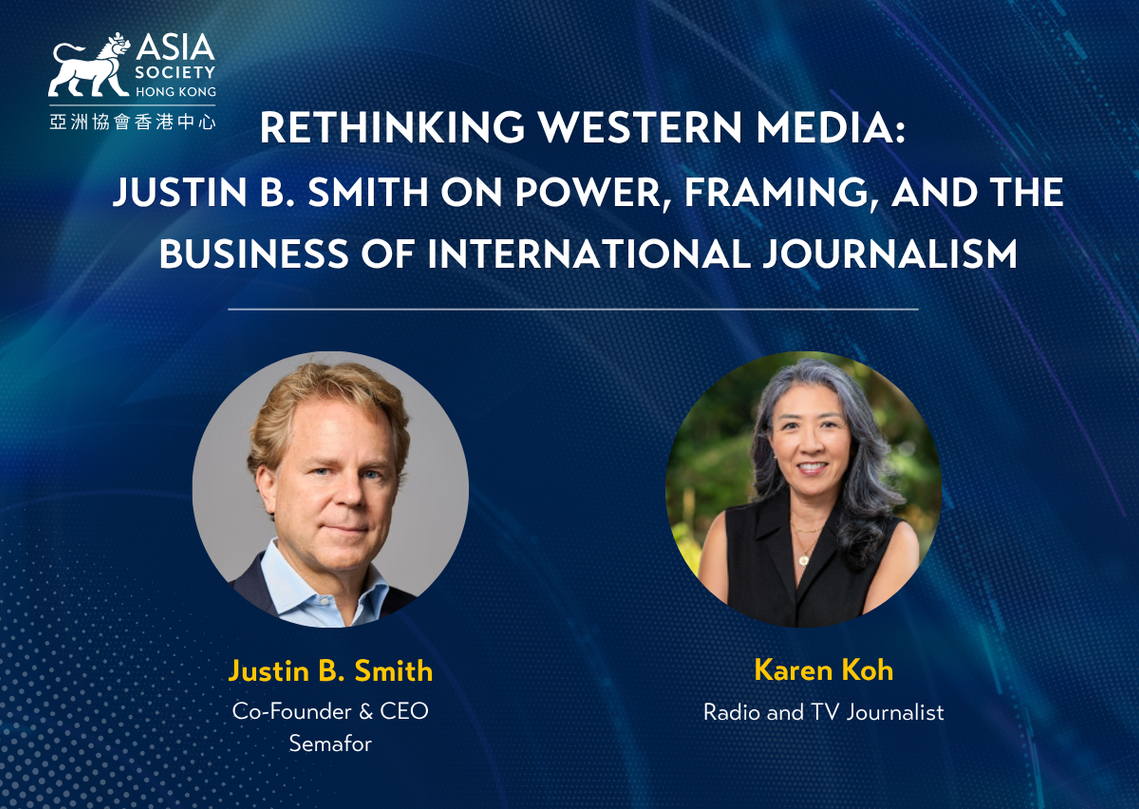 Who gets to define the global story? Semafor Co-Founder and CEO Justin B. Smith joins Asia Society Hong Kong to discuss how original reporting and live journalism events can elevate global perspectives for today’s most influential decision-makers and equip them to navigate a rapidly evolving world economy. Justin will also share what it takes to build a new media company in a shifting industry, and why audiences are increasingly seeking deeper, cross-cultural insight to make sense of a changing global landscape. Semafor readers can register at a discounted rate with code 50SFOFF. |
|
Europe’s ambitious carbon capture bet |
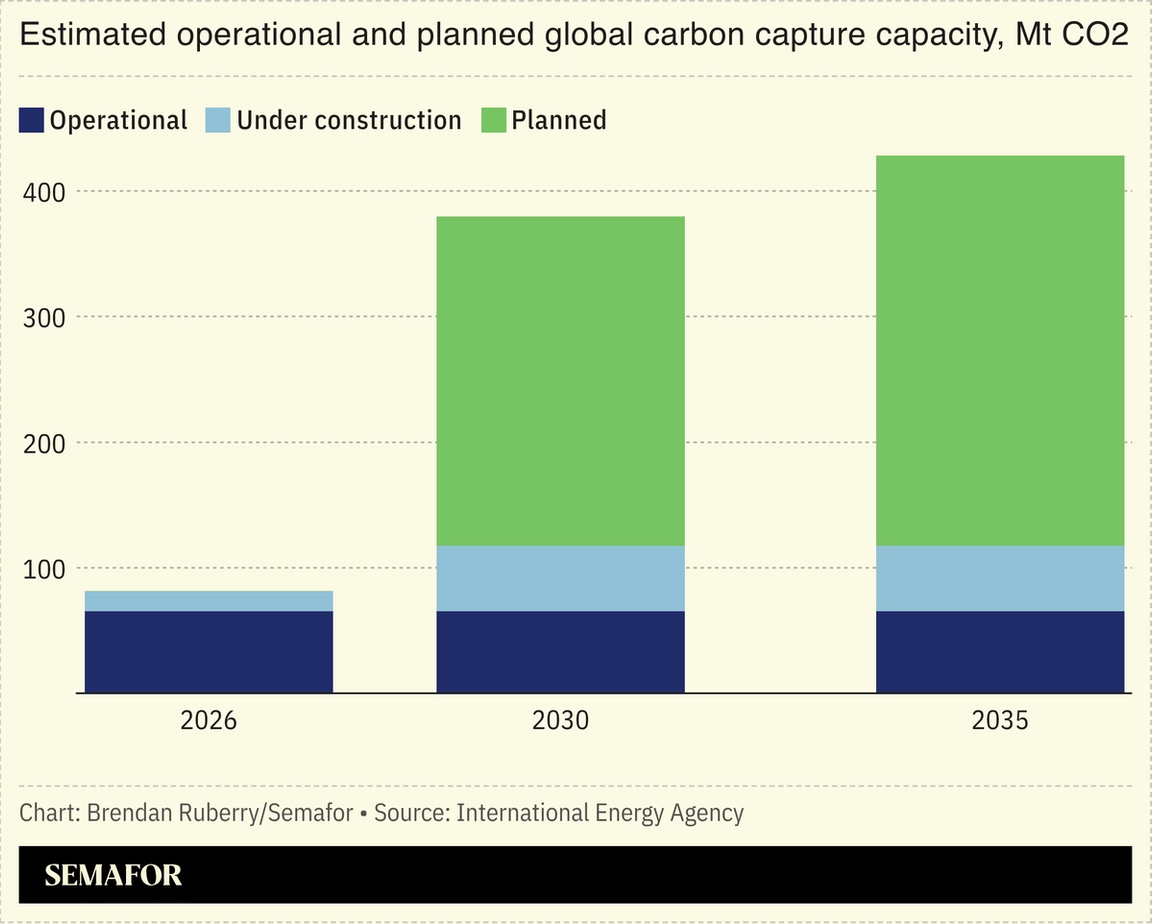 A Danish cement plant will capture 1.25 million tons a year of carbon dioxide from its emissions from 2030, in what analysts hailed as a landmark project in Europe’s industrial decarbonization strategy. Cement is among the hardest industries to decarbonize. It emits roughly 7% of global CO₂, and green electricity only partially helps, because much of the emissions come from the chemistry itself. The project at Denmark’s biggest emitter is one of Europe’s most ambitious carbon-capture bets, but it nearly didn’t happen: Denmark’s $4.2 billion tender almost collapsed as bidders fled strict terms. Officials tempered their expectations, highlighting the “difficulties of scaling [carbon capture and storage] projects,” Carbon Herald wrote. |
|
Harvard to curb grade inflation |
 Faith Ninivaggi/Reuters Faith Ninivaggi/ReutersHarvard will cap A grades in an attempt to curb grade inflation. In 2006, about 25% of Harvard grades were As; last year, it was around 60%. The university’s experience is not unusual. Yale awarded 79% As in 2022-23. In England, the share of students awarded first-class degrees rose from 16% in 2011 to around 29% in 2024. The inflation is partly driven by feedback systems like RateMyProfessor, an education analyst wrote: “Happy students… write more favorable evaluations.” But while an A makes an individual student happy, lots of As make it harder for employers to distinguish between excellent graduates and the merely very good, pushing students to find other ways to distinguish themselves, such as unpaid internships or personal recommendations. |
|
|


