In studio with Vy Voi, designer Rodolfo Agrella, Lawson-Fenning’s latest collection and a roadtrip to Cape Cod.
|
Sunday 24/5/26
|

|
|
London
Paris
Zürich
Milan
Bangkok
Tokyo
Toronto
|
|
International Contemporary Furniture Fair
|
|
It’s fitting that New York never sleeps because touring the city’s amorphous design week, which recently wrapped up, is more than just a day’s work. We visit the studio of Vietnamese-American Steffany Tran in Nomad, speak to Venezuelan designer Rodolfo Agrella at Monocle Radio’s pop-up studio at the International Contemporary Furniture Fair and treat ourselves to Lawson-Fenning’s Bosque collection in Noho. Then: we take a roadtrip to Cape Cod for the Memorial Day weekend. Lighting the way is Stella Roos.
|
|
the opinion: STELLA ROOS
Lightbulb moments: Objects and ideas collide at New York design week
|

|
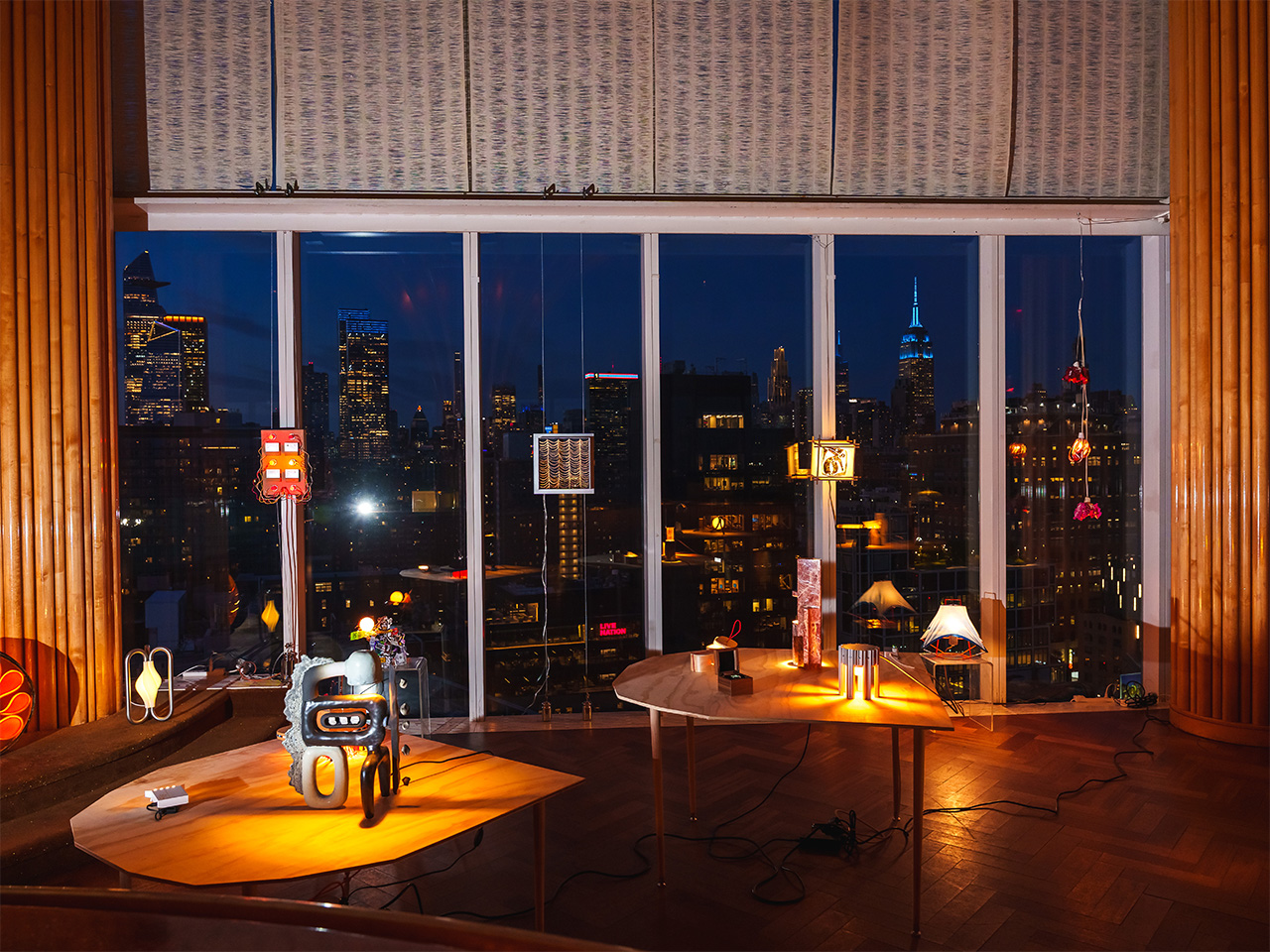
I walked up to The Standard hotel in New York’s Meatpacking District at about 21.00 on a Friday. Here, at the start of the city’s design week, there was a line stretching around the block. The hotel’s rooftop club, Boom, frequently hosts Met Gala afterparties and other celeb-studded bacchanals. This time, however, the people queuing were dressed-up design geeks there to look at lamps – specifically, the biannual Head Hi Lamp Show. Upstairs, guests sipped margaritas while inspecting one-of-a-kind lighting creations that held their own against the Manhattan skyline.
As far as design-world events go, it was astonishingly glamorous. All the more impressive was that there was no big sponsor or marketing operation behind it. The showcase is organised by Alexandra Hodkowski and Alvaro Alcocer, the owners of a Brooklyn bookshop who select their favourite lights, which are sent in from around the world via open call. The event began as a lark but has grown organically, based on a simple love for the fun that can be had with lamp-making.
|
Compared with its counterparts in Milan and Copenhagen, design week in New York is a slightly more amorphous affair. Almost anybody can participate by setting up an exhibition and it overlaps with larger art-world events including Tefaf, Frieze and the Independent Art Fair. Add in the fact that New York is the world capital of collecting and this week made it clear that design is acquiring a more serious role in the upper echelons of that market.
Tefaf at the historic Park Avenue Armory is a good bellwether for this shift. The Maastricht-born fair also includes antiquities and applied arts – and this year the exhibitors had gotten the memo that design was worth the effort. Gracing the hallways were supersized ducks, rabbits and sheep by Francois-Xavier and Claude Lalanne – not because the fair had a farmhouse theme but because a Lalanne hippopotamus bar fetched $31.4m (€27.1m) at Sotheby’s in December. Amid many play-it-safe Prouvés were also some beguiling examples of contemporary design, such as Frida Escobedo’s glittering Creek bench, which Friedman Benda gallery sold on the preview day.
Across the board, American exhibitors know how to sell. Contemporary design gallery The Future Perfect continued the lamp theme with a show of nightlights ranging from the scandalous (a shrine to Luigi Mangione) to the sublime (a bulb preserved in amber-hued rubber) and started from $10 (€8.60). Downtown gallery Tiwa Select, in collaboration with architecture magazine Pin-Up, sparked material desire with Souvenir, a show of exquisite vases by Nifemi Ogunro, Minjae Kim, Dana Arbib and more.
To protect my finances, I headed to the Van Alen Institute in Gowanus to learn about Herman Jessor, the prolific yet forgotten New York architect who designed more than 40,000 working- and middle-class co-op units. His projects have been put back in the spotlight by Zara Pfeifer, Brad Isnard and Daniel Jonas Roche, who argue that Jessor’s unshowy, cookie-cutter housing is exactly what the city needs more of. The talk floated big ideas – empowering the public sector, redeveloping parts of Queens, merging New York’s transit authorities – that served as a welcome reset. It’s easy to forget sometimes but design is as much about ideas as objects – and New York City Design Week celebrated both.
Stella Roos is Monocle’s New York-based design correspondent.
|
|
Studio Visit: Vy Voi
Good morning Vietnam
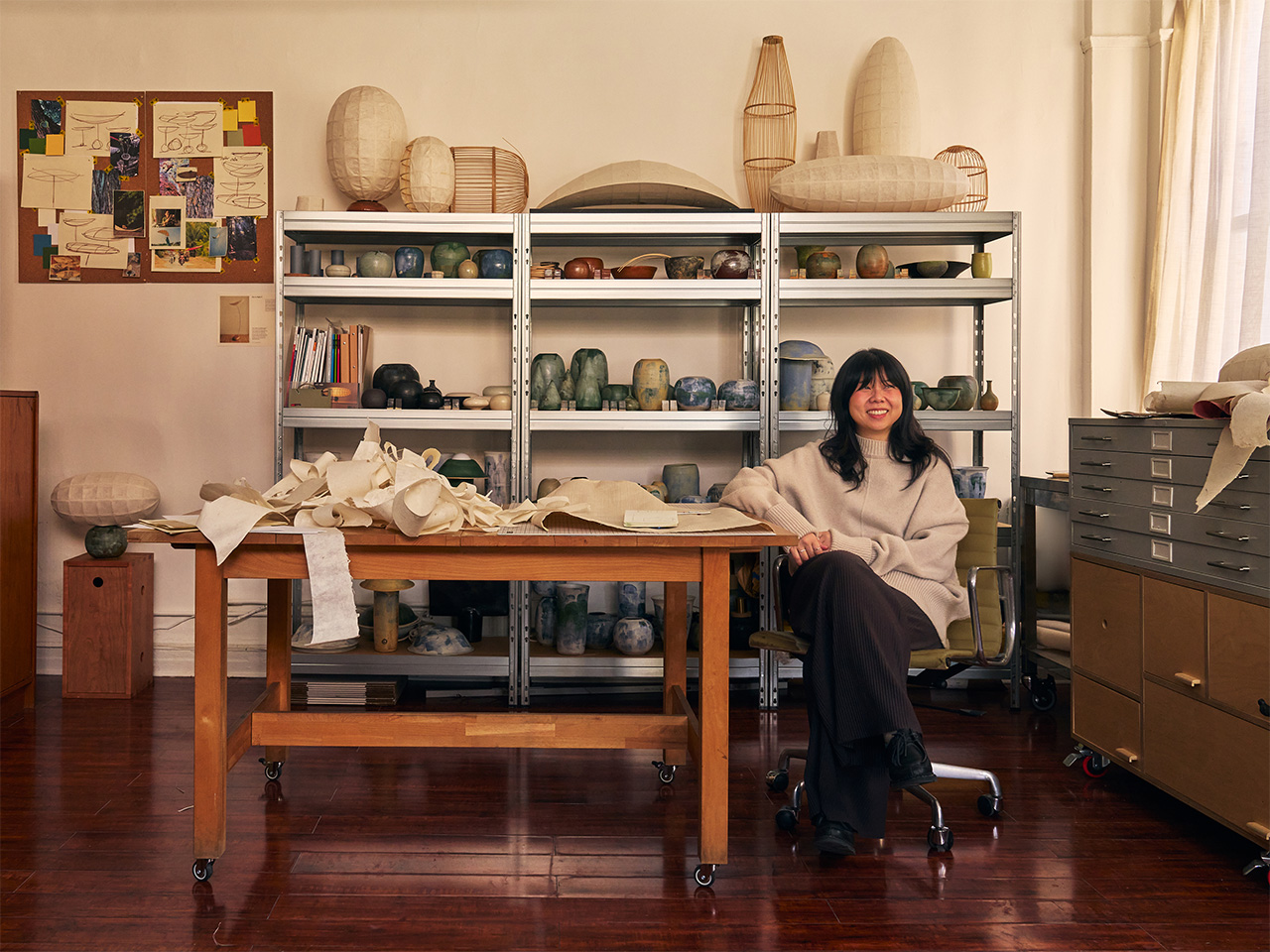
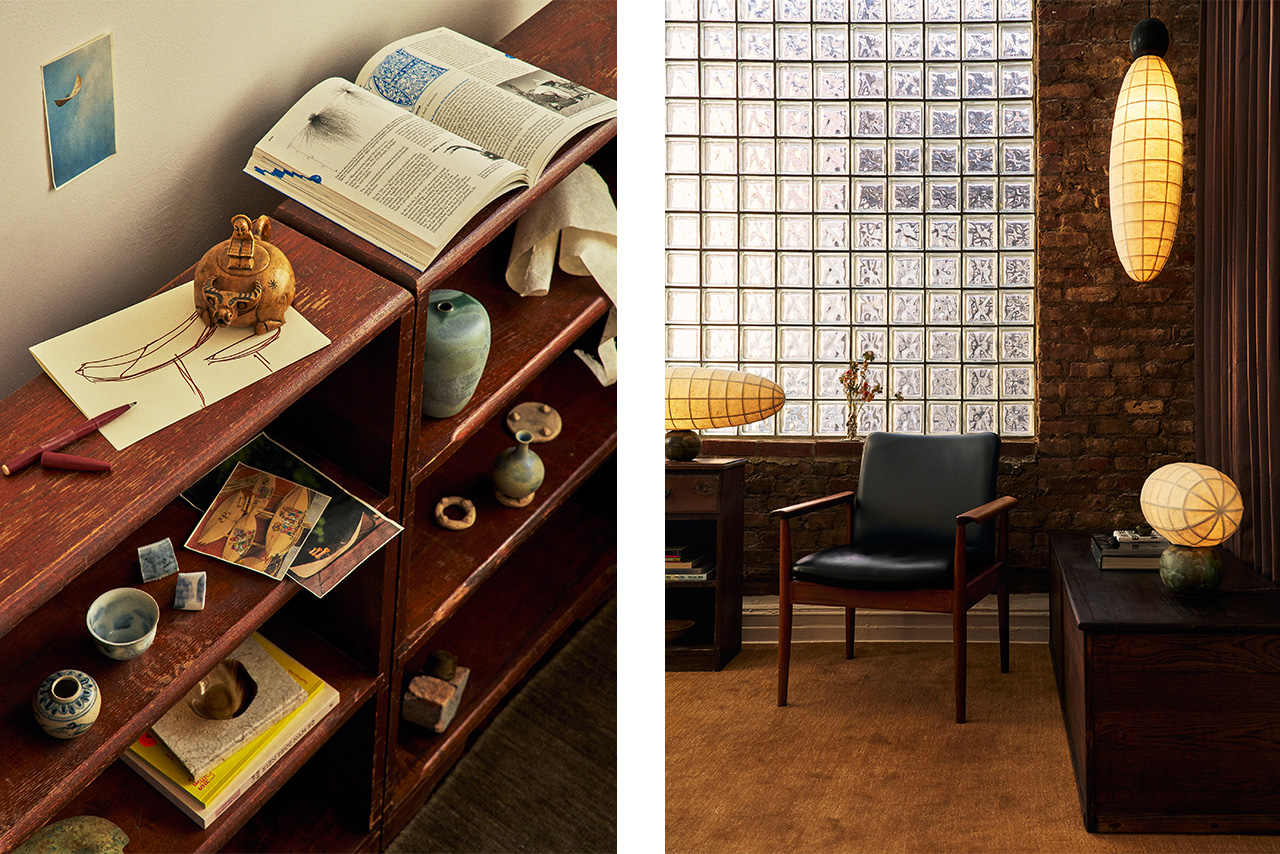
A new hub for Vietnamese design has opened its doors in Manhattan’s Nomad neighbourhood. Home to Vy Voi, a design practice based in New York and Ho Chi Minh City founded by Vietnamese-American Steffany Tran, the site serves as a finishing studio for the practice, as well as an occasional gathering space for the design community. Located in a 1920s former arcade, it’s filled with Vietnamese objects and books that serve as a resource for developing a deeper understanding of the Southeast Asian country’s traditional and contemporary culture.
|
|
“As a designer, it’s incredibly important to look at the past to inform the present, and even more paramount when the past is overlooked in contemporary creative conversations,” says Tran. “In my practice in particular, I actively seek out Vietnamese stories to tell through design. But finding its history and documentation is not always the easiest, especially in New York.” For those looking to learn more about Vietnamese design, keep an eye out for more community events to be hosted in the space throughout the year – or drop the Vy Voi team a line and say xin chào.
vyvoi.com
|
|
Words with... Rodolfo Agrella
Higher purpose
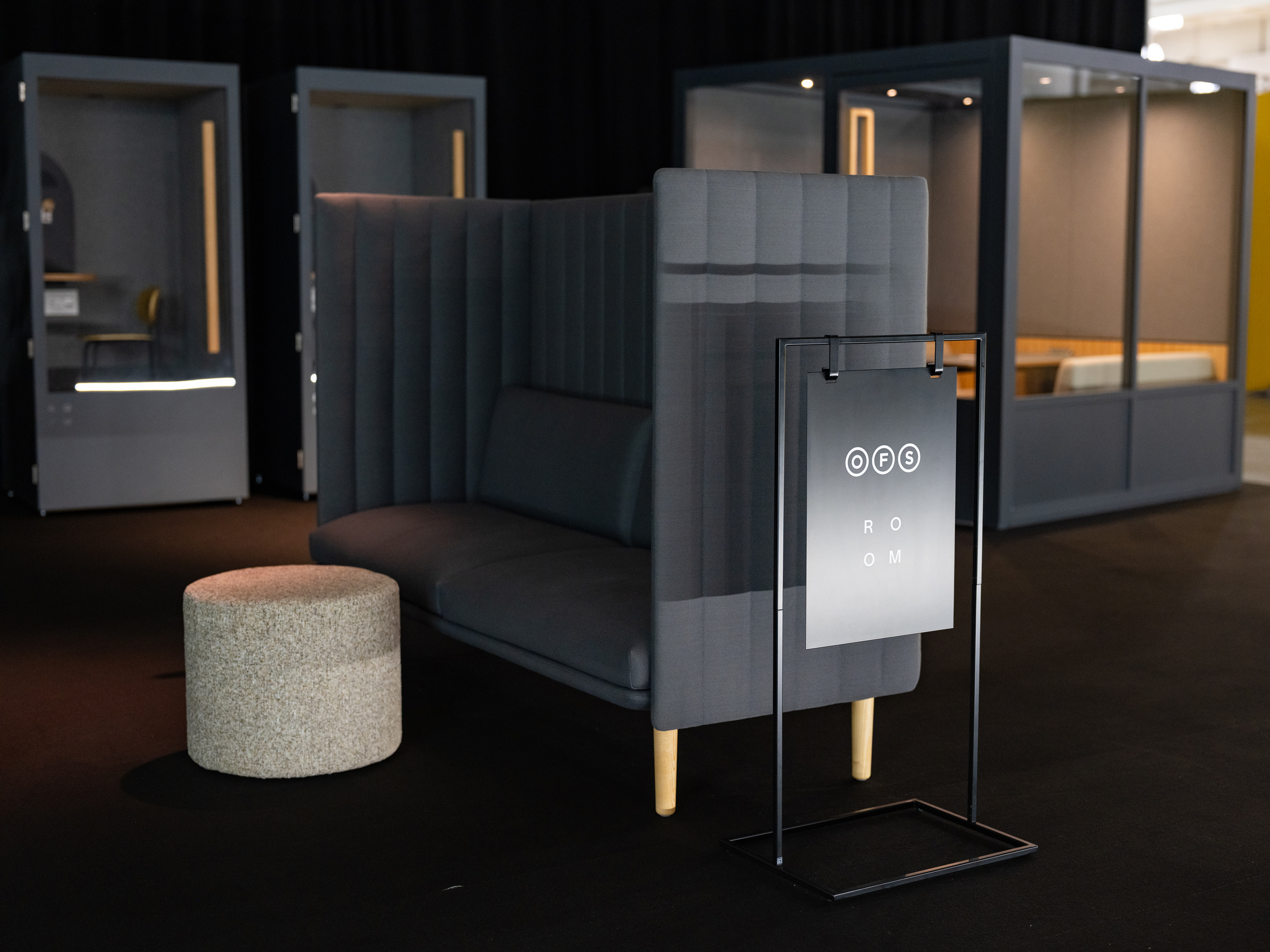
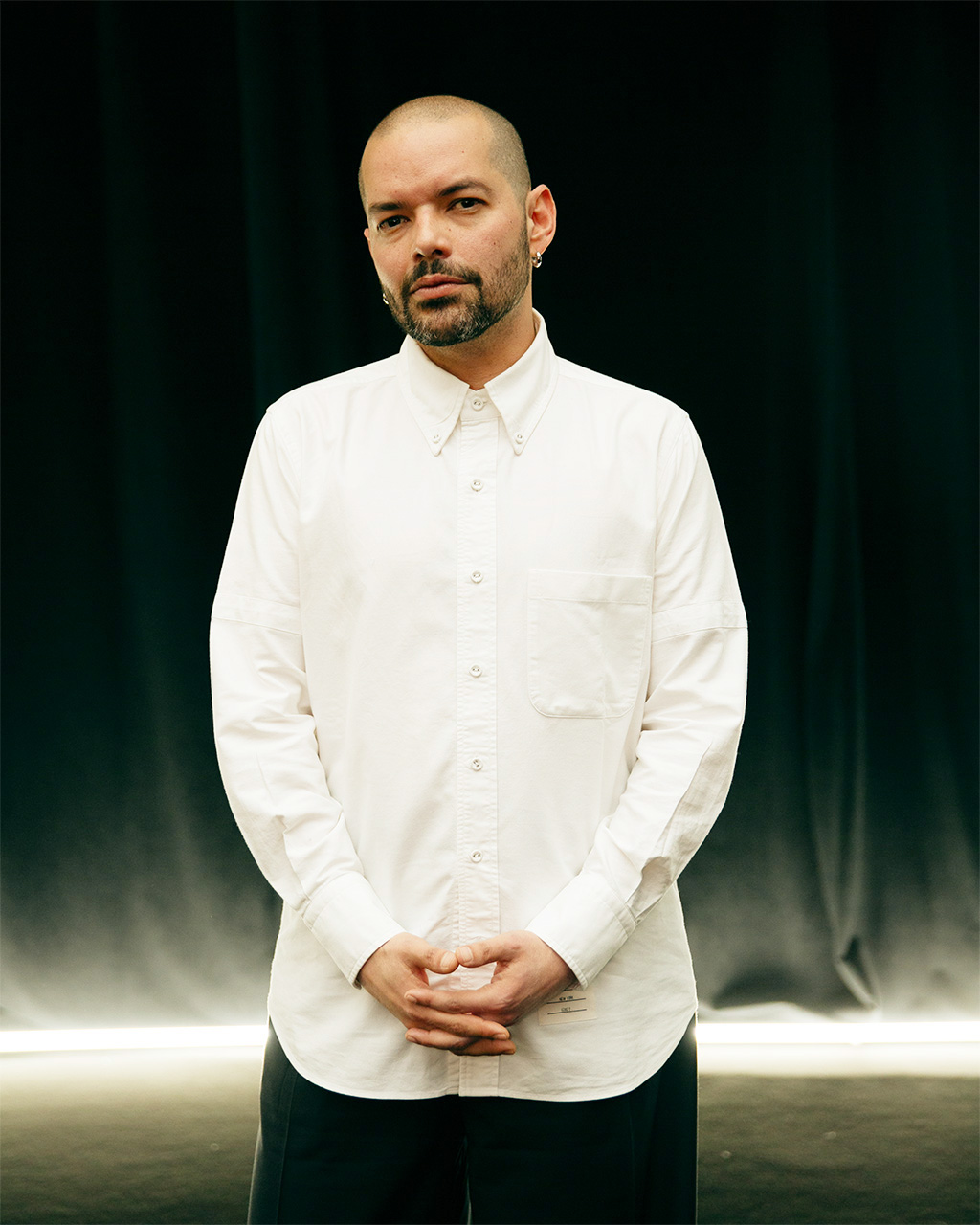
Venezuelan designer Rodolfo Agrella studied in Caracas and Milan, and is now mostly based in New York, where he established his award-winning interdisciplinary studio Rads in 2015. The practice works across interiors, graphics and spatial design, collaborating with the likes of Moma, Heller and Steinway & Sons. Its projects are defined by Agrella’s command of light and colour, which came to the fore in his work at this year’s International Contemporary Furniture Fair (ICFF), for which he served as art director. We spoke to Agrella at Monocle Radio’s pop-up studio at ICFF, in partnership with workplace design firm ROOM.
|
Tell us about your role as ICFF’s art director. How does your work support the fair’s ambitions?
ICFF is a unique platform for the design community, where business and culture exist in constant dialogue. My role is to be an anchor point, helping the directors, Claire Pijoulat and Odile Hainaut, to translate this into a spatial experience for both local and international audiences. It is a huge undertaking, entrusted to me with complete creative freedom.
Which design movement has inspired you the most?
It’s difficult to name a single source of inspiration, as I draw from so many. But I have a soft spot for the mid-century modern period. Beyond its aesthetics, what resonates with me is the way in which, during that era, design was conceived as a tool to improve society. That feels particularly meaningful to me, given my upbringing in Caracas, a city with an extraordinary concentration of architectural jewels from that time – my alma mater, the Central University of Venezuela, among them.
What about inspiration from beyond the design world?
I’m also profoundly inspired by music and the performing arts, which I think of as abstract manifestations of design. In that sense, the minimalism of Philip Glass and the poetic restraint of Robert Wilson provide compelling points of departure. The list, however, is much longer.
The sky’s the limit: which piece of furniture would you love to own?
I already own it: a chinchorro de Moriche, a woven fibre hammock crafted by the Warao people of Venezuela. More than an object, it is a quintessential expression of vernacular design and an extraordinary example of functional intelligence. It transforms according to need: a bed, a sofa, a chair, a swing, a cradle and even, traditionally, a funerary object. Made from Moriche palm fibres and remarkably adaptable, it embodies an elegant economy of means. It’s lightweight, flexible, spatially efficient and deeply rooted in cultural knowledge.
A priority for you, when it comes to design?
I strongly believe that design and creativity can help us to navigate turbulent times – but only if every creative action has the genuine purpose of improving society. We need that mindset now and in the future, not just as an industry but as humans.
What makes New York’s design scene so special? And where should we visit?
New York is a global hub of multicultural diversity and business, making it fertile ground for design and creativity. That diversity grants access to both highly curated worlds and raw, authentic experiences. I often visit Louis Kahn’s Four Freedoms Park for a visual cleanse but I equally enjoy wandering through Chinatown, moving between experimental design galleries, street markets and places such as Silence Please [a listening room-cum-teahouse]. From the Meatpacking District’s Ateliers Courbet to Midtown’s Carpenters Workshop Gallery, Greenpoint’s Japanese experience at 50 Norman and the SculptureCenter in Long Island City – design is truly served here.
For more from ICFF, tune in to ‘Monocle on Design’ on Monocle Radio – and visit room.com for more information on its soundproof booths.
|
|
the treat: Bosque by Lawson-Fenning
Human touch
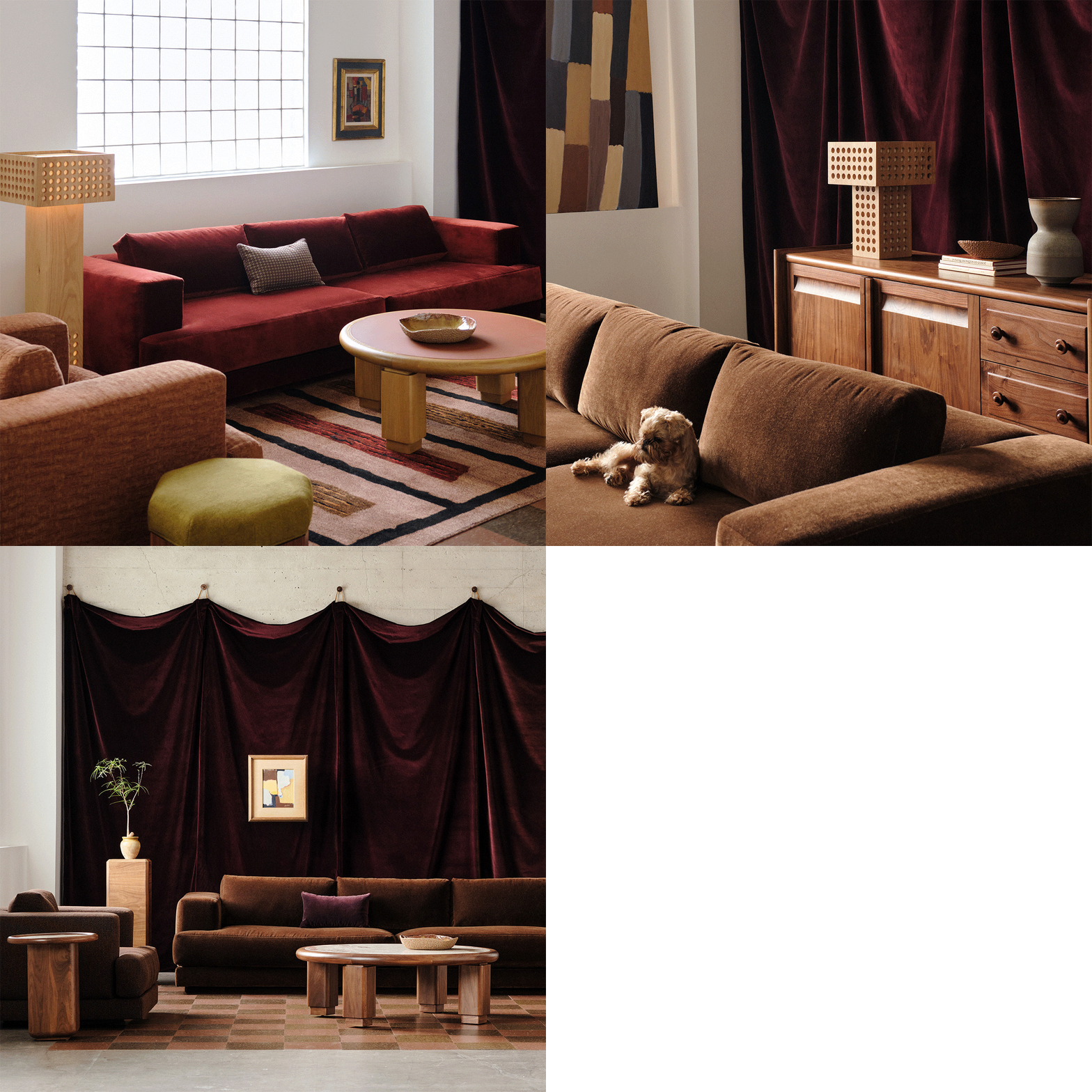
Founded in Los Angeles in 1997 – but now with an outpost in New York – Lawson-Fenning is renowned for its high-quality, US-made hardwood and upholstered furniture, as well as sleek collaborations with lighting designers and ceramicists. The firm is marking the first birthday of its New York showroom with a new collection, Bosque.
The 19-piece range, which spans from sofas to coffee tables, takes cues from the human-centric, expressive Japanese Metabolist movement of the 1960s. It’s an appropriate ethos for a collection of furniture that is both visually striking and ergonomically enticing – a perfect addition to any home.
See the new Bosque collection at Lawson-Fenning at 417 Lafayette St, Floor 5, New York.
|
|
The Roadtrip: Cape Cod Modern
Make for the Cape
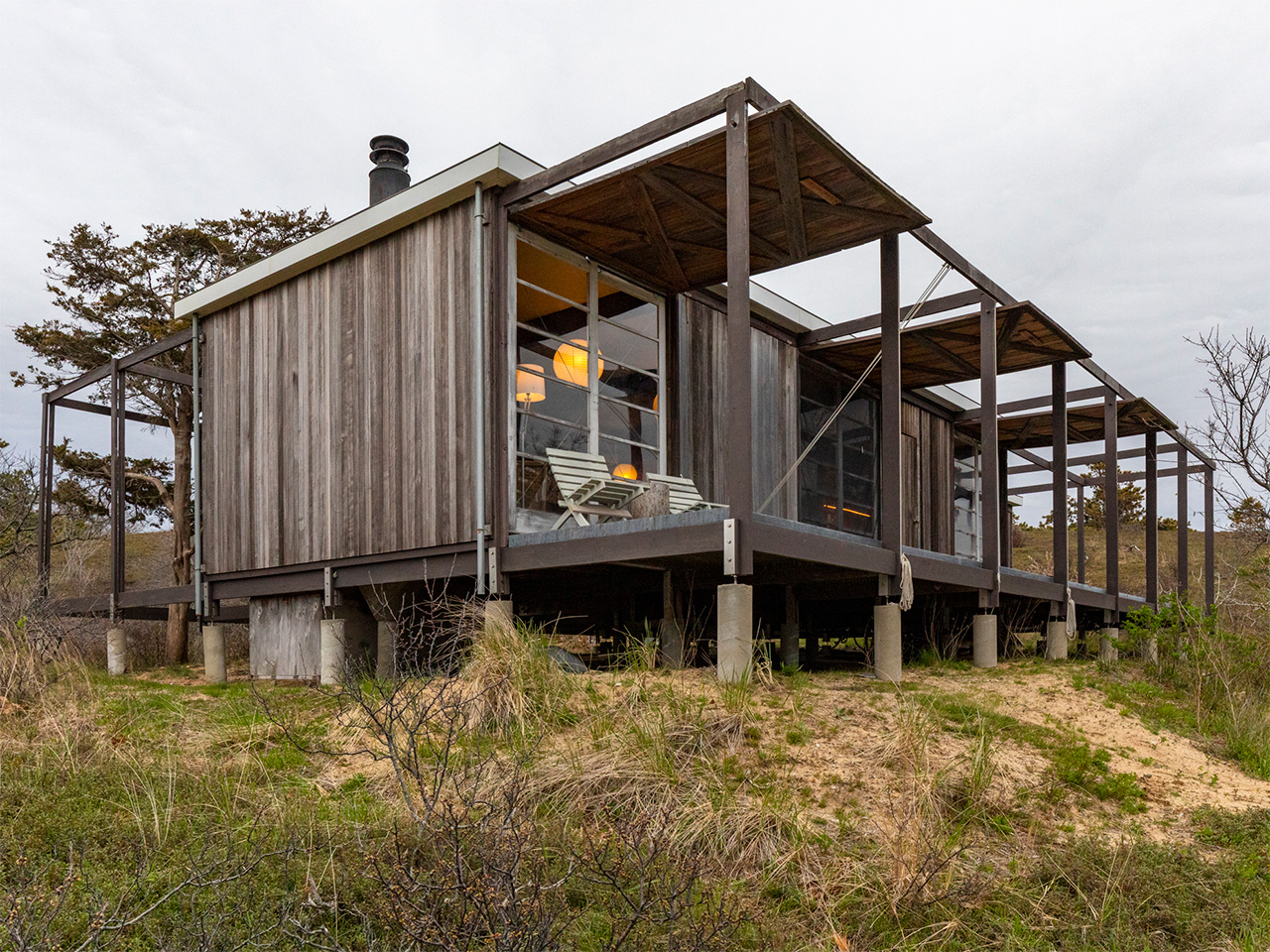
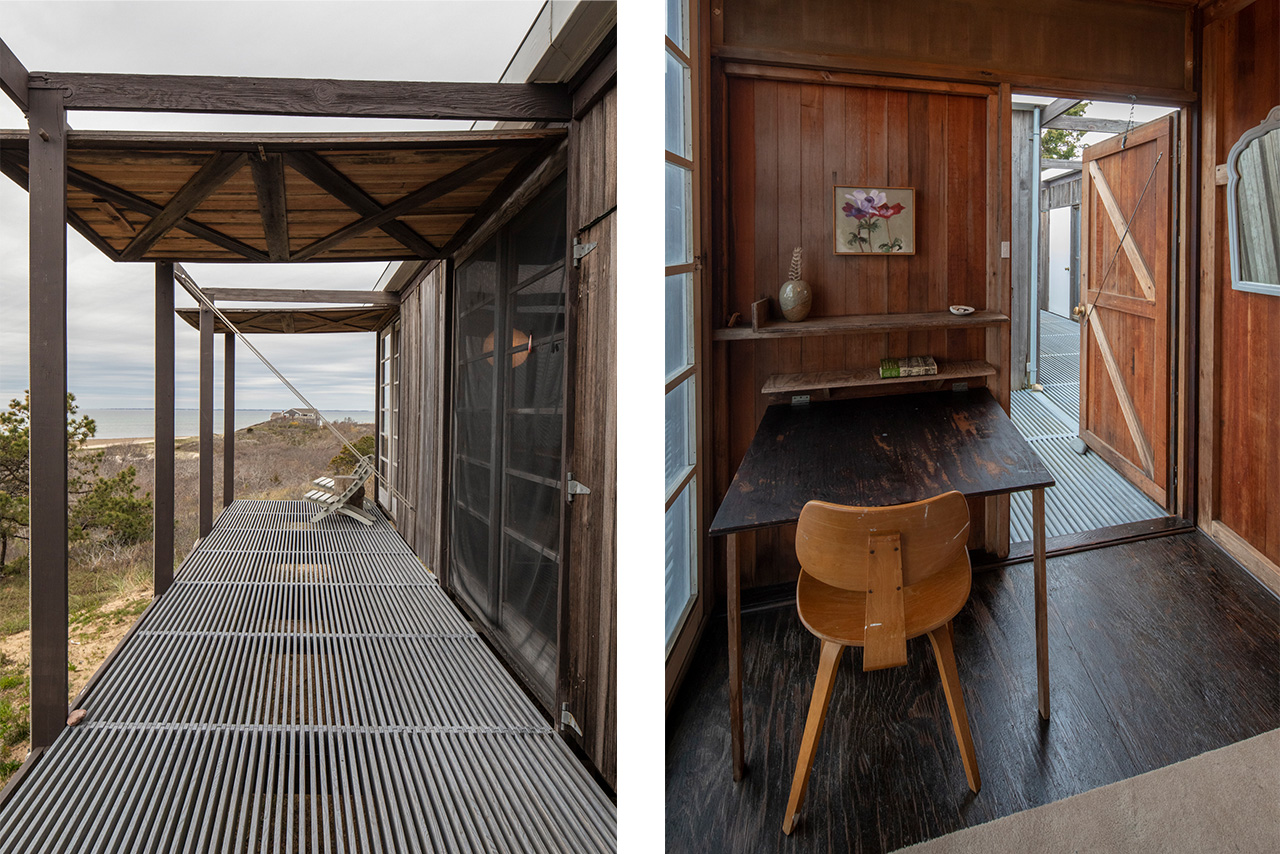
New Yorkers might have flocked to the Hamptons for this weekend’s Memorial Day holiday – but many will have had designs on other escapes along the eastern seaboard. Cape Cod in Massachusetts is a case in point – and a hub of mid-century architectural inspiration. Bauhaus founder Walter Gropius, Finnish modernist Eero Saarinen, structural engineer Paul Weidlinger, and mid-century master Marcel Breuer all spent time here on vacation or in building their own holiday homes and retreats.
|
|
Despite the grand names of architecture who designed them, these buildings are modest in form and empathetic to the whims of wilderness. Often drawing upon salvaged materials and largely comprising wood and stone, the architecture sinks into the environment – bringing those who dwell in it down to Earth. In the 1940s, a cosy cabin in Cape Cod proved the perfect antidote to the stress of modern urban living. Nearly 90 years later and the peninsula still possesses that power – reason enough to escape to the Cape.
For more on Cape Cod Modern, head to monocle.com.
|
|
Image credits: Courtesy of Hi Head Lamp Show, Andrew Bui, Brennan Freed, Courtesy of Lawson-Fenning, Andrew L Moore
If you would like to read this email online, click
here
Unsubscribe from Monocle On the Road.
This email is from Monocle whose registered office is at Midori House, 1 Dorset Street, London, W1U 4EG. You have received this email because you have previously provided us with your email address and subscribed to Monocle bulletins.
© 2026 Monocle
|
|
|