| | President Donald Trump is yet to sign off on the latest Iran deal, companies’ AI costs are balloonin͏ ͏ ͏ ͏ ͏ ͏ |
| |  | Flagship |  |
| |
|
The World Today | 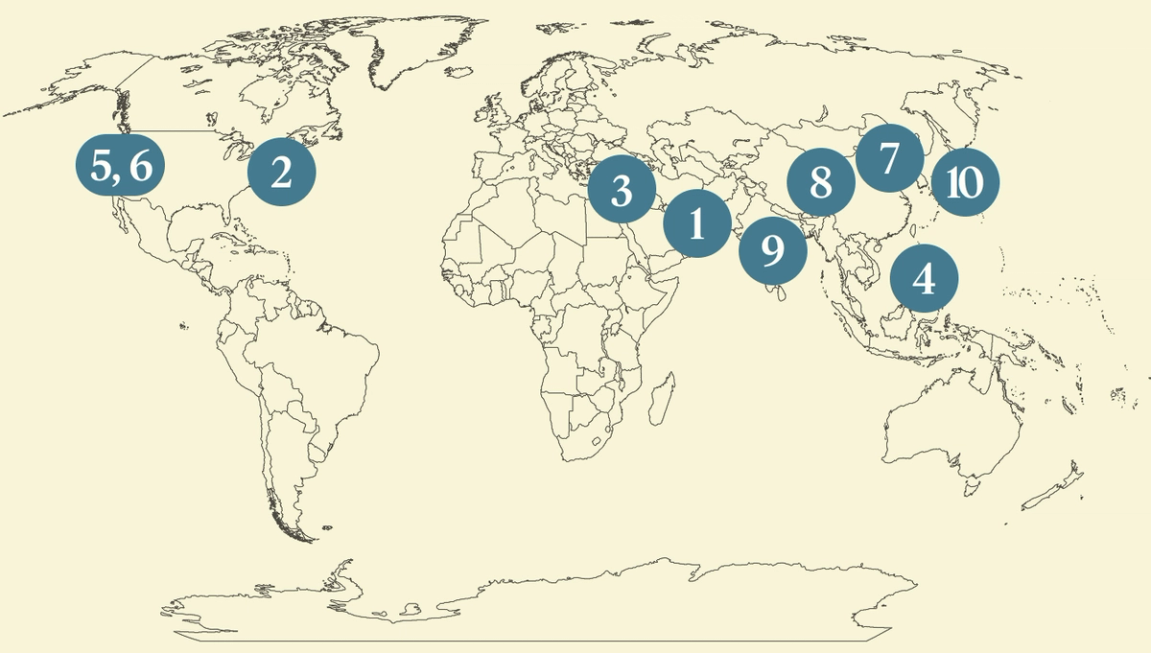 - A tentative Iran deal
- WH rejects doomerism
- Israel’s isolation grows
- Manila boosts Tokyo ties
- Anthropic tops OpenAI
- AI weighs on margins
- Huang’s China links
- Surging lithium demand
- India’s colonial club debate
- Japan’s gacha gacha mania
 A record that reflects a shape-shifting world. |
|
Deal awaits Trump, Tehran approval |
 Evan Vucci/Reuters Evan Vucci/ReutersThe US and Iran on Thursday neared a deal to extend their ceasefire and reopen the Strait of Hormuz, but the agreement is awaiting the approval of two key players: US President Donald Trump and Tehran. The proposed 60-day truce would provide a window for negotiations over the “far more complicated and technical issues at play,” including the future of Iran’s nuclear program, the BBC wrote. Trump has in recent days suggested he’s in no rush to strike a deal, and on Thursday, his Treasury secretary said “everything depends on what the president wants to do.” Iran state media reported the deal has yet to be finalized or confirmed, underscoring the uncertainty and back-and-forth that has defined the countries’ negotiations. |
|
WH rejects ‘doomer view’ of economy |
 Kylie Cooper/Reuters Kylie Cooper/ReutersThe US Treasury secretary on Thursday rejected the “doomer view” of conflicting economic data, as the White House struggles to sell the Iran war while oil prices fuel inflation. New figures show Americans are saving less, but Scott Bessent said that could signal “higher confidence” rather than household stress, or that consumers buoyed by stock-market gains are spending their paychecks more freely. The jobs market remains stable, but a key inflation gauge jumped in April and first-quarter economic growth was revised downward. The reports complicate the path ahead for new Federal Reserve Chair Kevin Warsh, who was chosen to deliver interest rate cuts but now has to contend with stubborn inflation, slower growth, and a growing hawkishness within the Fed. |
|
Israel relations with Europe, UN erode |
|
Japan-Philippines ties grow, thanks to China |
 Kiyoshi Ota/Pool via Reuters Kiyoshi Ota/Pool via ReutersJapan is bolstering ties with the Philippines as regional tensions grow over Chinese military activity. The countries’ leaders formally elevated their relationship and agreed to start talks on a military intelligence sharing agreement. Manila could be the first major customer for Japanese weapons since Tokyo scrapped an exports ban in April, a major break from its pacifist policy. Japan is also increasing military spending as China grows more assertive in Asia’s waters, making claims to territory in the South China Sea and East China Sea. Agreements between Tokyo and Manila “form part of a broader pattern” aimed at deterring Beijing, a Kyoto-based professor wrote. “Across the Indo-Pacific, networks of security cooperation… are steadily expanding.’” |
|
Anthropic surpasses OpenAI valuation |
 Courtesy of Anthropic Courtesy of AnthropicAnthropic on Thursday announced a new funding round valuing it at $965 billion, surpassing rival OpenAI as the world’s most valuable AI startup. The financing caps off a busy several months for the Claude maker, which has rolled out new coding and finance tools aimed at helping businesses be more productive, in a blow to software stocks. OpenAI — which was last valued at $730 billion — and Anthropic are both reportedly making plans to go public as soon as this fall. In a sign of the relentless pace of the AI boom, Anthropic on Thursday released a new version of its flagship model, Claude Opus 4.8, just 41 days after the previous version debuted. The latest funding round also materialized in a matter of weeks. |
|
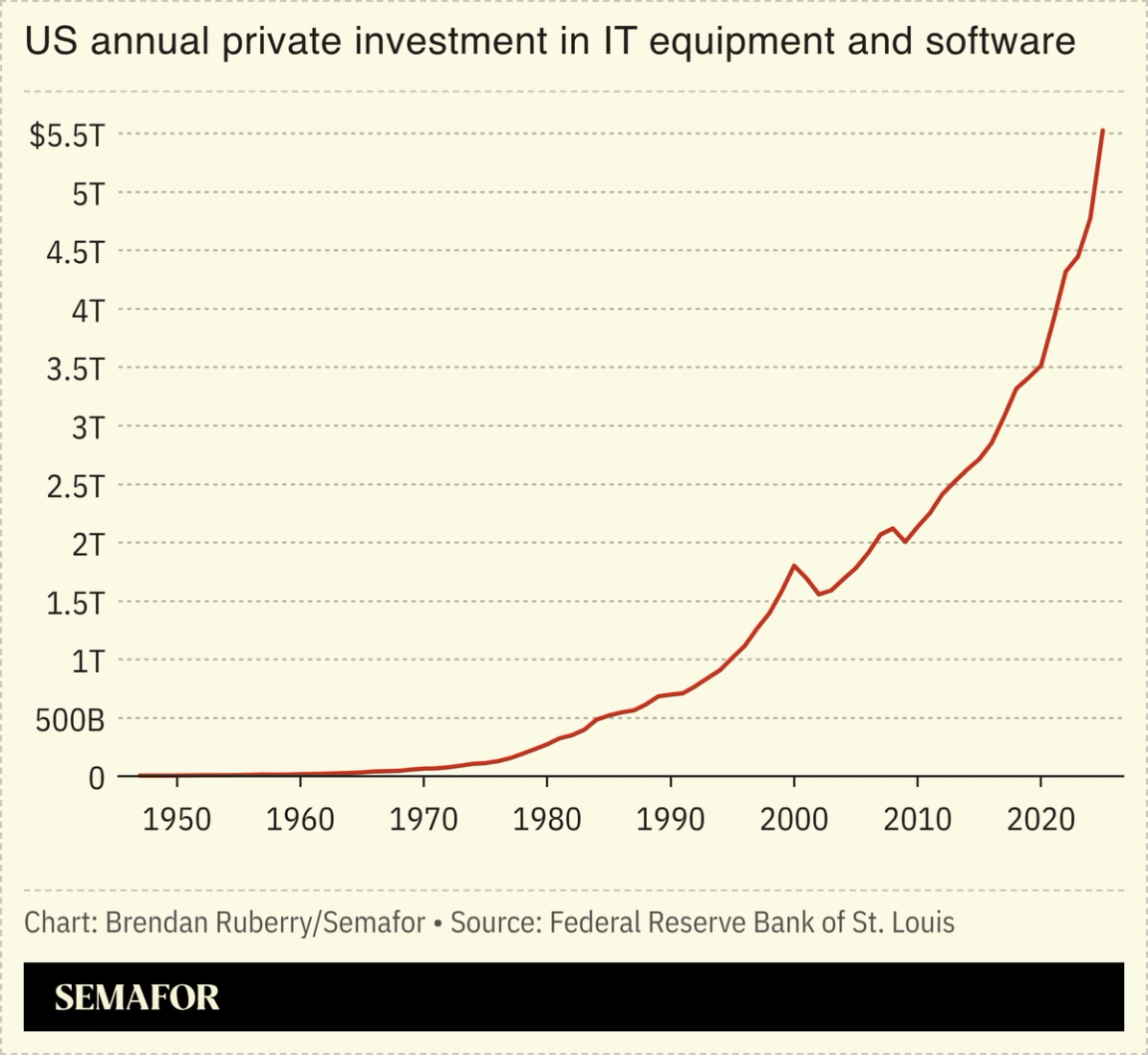 Companies are second-guessing their aggressive spending on AI, as the tech weighs on margins. AI has been pitched partly as an avenue for businesses to save money because of increased productivity — but corporations are now facing ballooning IT costs. Uber blew through its entire 2026 AI budget in four months because of Claude Code usage, and its COO said on a recent podcast that there isn’t yet a proven link between high AI adoption and useful customer-facing products. Axios reported that one company spent half a billion dollars on AI after failing to enact usage caps for employees. Still, signs of a pullback are scant: A major US law firm set aside $500 million to create a proprietary AI platform. |
|
Huang to join elite China board |
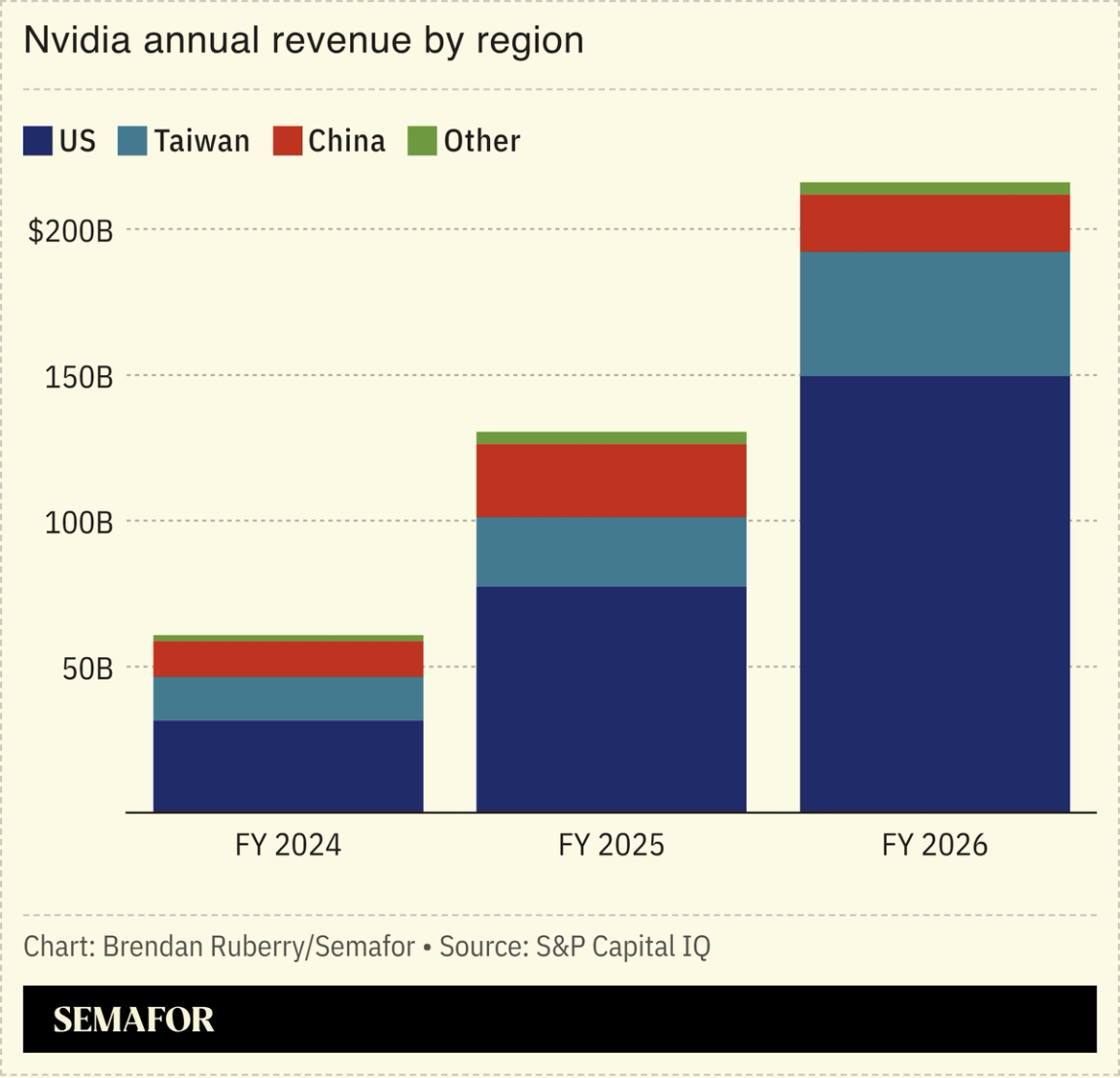 Nvidia CEO Jensen Huang is set to join the advisory board of an elite Chinese university, which counts Tim Cook, Elon Musk, and Mark Zuckerberg among its 65 members, the Financial Times reported. The board at the Tsinghua University School of Economics and Management, which also includes the heads of JPMorgan and BlackRock, is a rare forum uniting corporate and academic leaders from the US and China. The participation of Huang — who accompanied the US president in Beijing — reflects his desire to maintain links in China, despite admitting that the chip giant has “evacuated” the Chinese market. But news of the membership drew fresh scrutiny in Washington over American tech bosses’ affiliation with the university — the alma mater of China’s leader. |
|
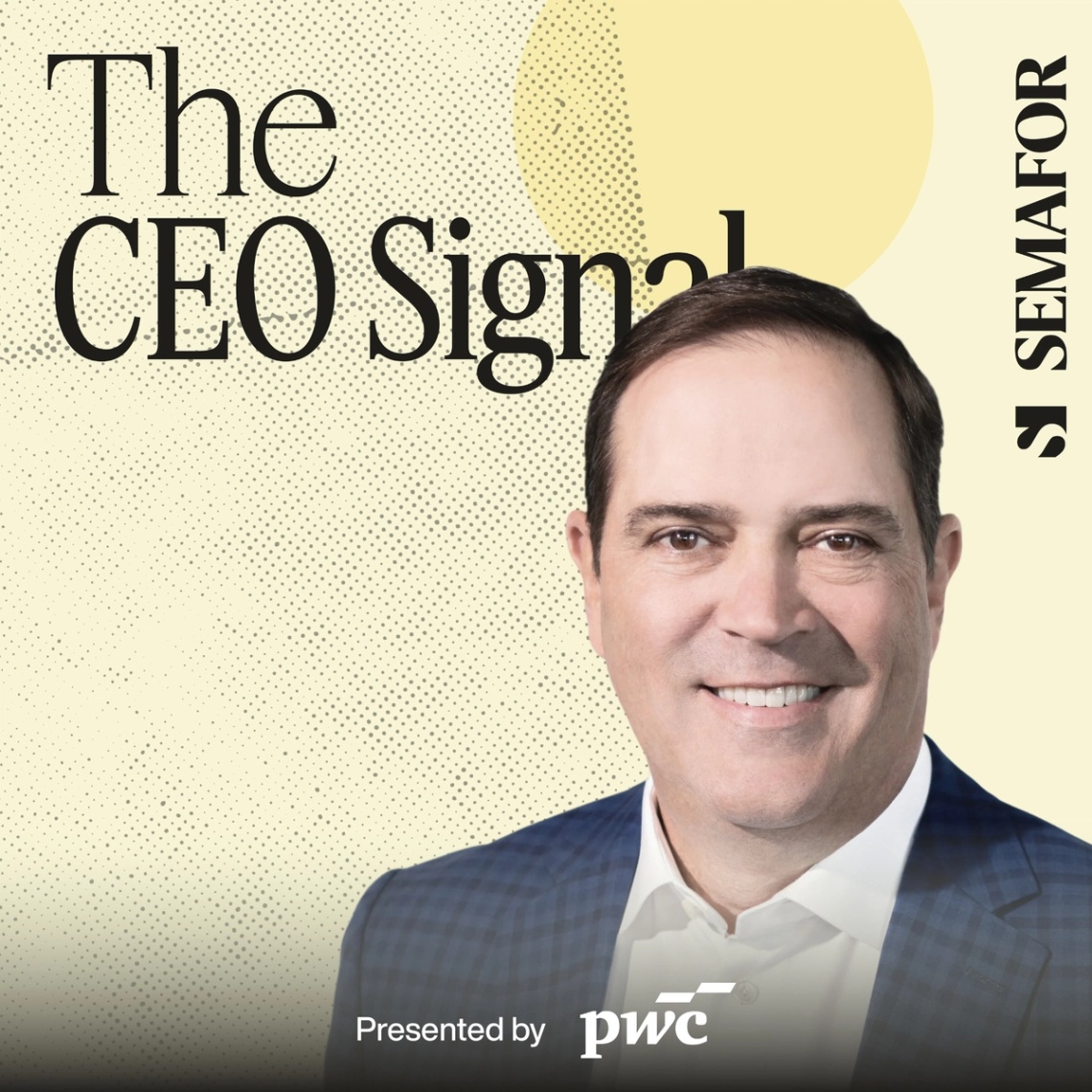 After more than a decade as Cisco’s CEO, Chuck Robbins says passive-aggressive behavior is “like death” to companies like his. On this week’s episode of The CEO Signal, presented by PwC, Robbins tells Penny and Andrew how he sets the pace for the tech giant’s shift to AI, why a bad decision beats a delayed decision, and what his approach is to people who aren’t on board with the strategy — “You get rid of them”. Robbins explains his biggest strategic calls and reflects on what he’s learned about leadership, including when to step out of the room so the CEO’s viewpoint doesn’t distort the decision-making process. |
|
Lithium demand set to surge |
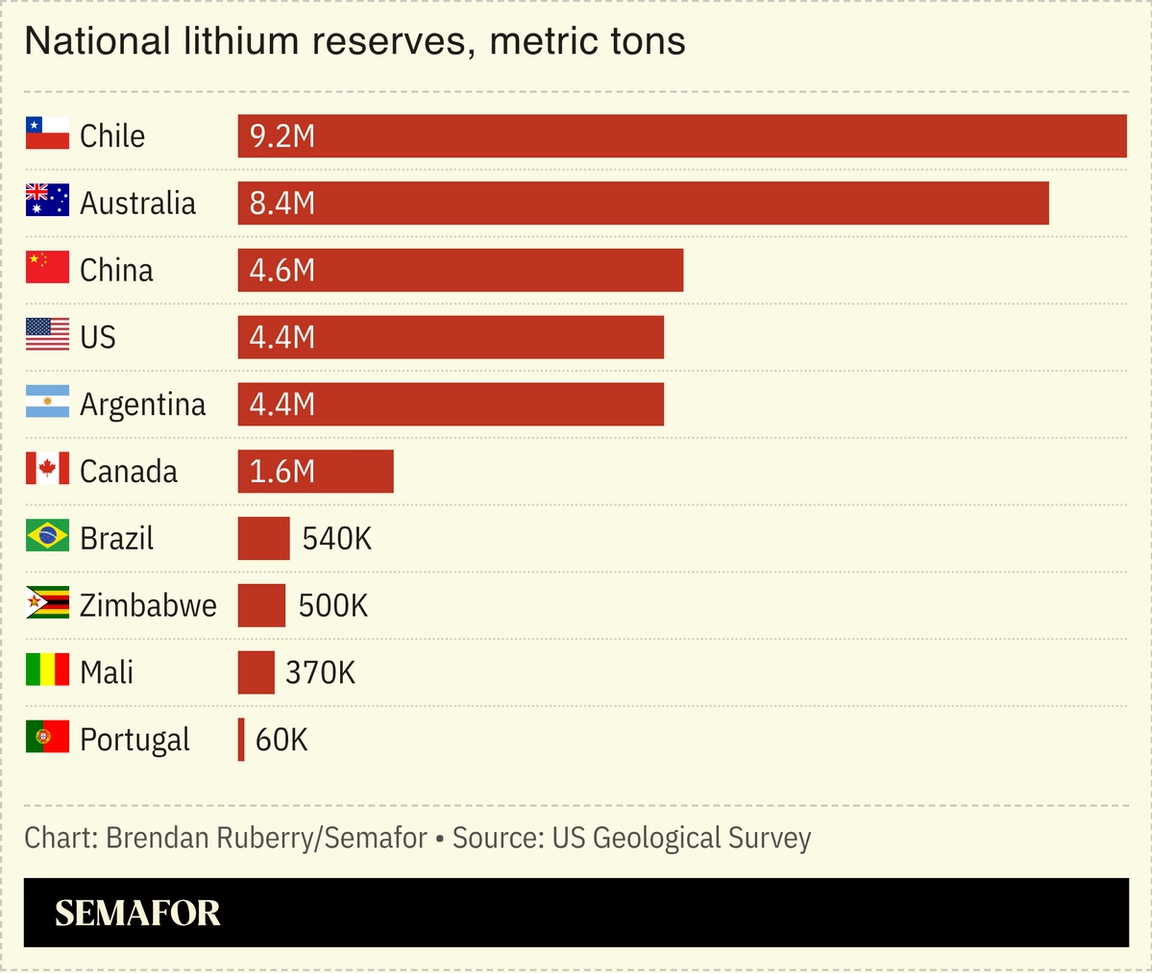 Analysts forecast that lithium demand will increase three- to sixfold in the next decade, but a mining boss in China argued that even these bullish forecasts were underestimates. The metal is vital in batteries, and the electrification of the global economy has driven its uptake: Annual use has gone up 30% a year since 2020, up from 10% a year in the 2010s, and demand hit 1.1 million tons last year. The CEO of Tianqi Lithium told the Financial Times that projections did not account for the growth of electric trucks, mining equipment, and ships. The Iran war is also boosting EV demand by pushing up gasoline prices. China accounts for about half of lithium mining and 80% of battery production. |
|
Modi moves to evict colonial-era club |
 Bhawika Chhabra/Reuters Bhawika Chhabra/ReutersThe Indian government’s move to evict a 113-year-old exclusive club in the country’s capital has ignited a debate intertwining politics, prestige, and colonialism. The Delhi Gymkhana Club, occupying a prime 27-acre public plot, is in the crosshairs of Narendra Modi’s nationalist government, which has targeted symbols of British-era rule. One minister told the Financial Times it was part of the plan to “decolonise India, both physically and mentally,” but critics called it a politically motivated land grab by the ruling party, which dislikes the optics of former military officers and bureaucrats “sipping gin and tonic and bitching about the government.” A Delhi journalist, however, argued the Gymkhana was merely “the last hangout of people who were once relatively important.” |
|
|


