Apple smart glasses, Nvidia goes full PC, SoftBank’s France pledge.
 ͏  ͏  ͏  ͏  ͏  ͏  ͏  ͏  ͏  ͏  ͏  ͏  ͏  ͏  ͏  ͏  ͏  ͏  ͏  ͏  ͏  ͏  ͏  ͏  ͏  ͏  ͏  ͏  ͏  ͏  ͏  ͏  ͏  ͏  ͏  ͏  ͏  ͏  ͏  ͏  ͏  ͏  ͏  ͏  ͏  ͏  ͏  ͏  ͏  ͏  ͏  ͏  ͏  ͏  ͏  ͏  ͏  ͏  ͏  ͏  ͏  ͏  ͏  ͏  ͏  ͏  ͏  ͏  ͏  ͏  ͏  ͏  ͏  ͏  ͏  ͏  ͏  ͏  ͏  ͏  ͏  ͏  ͏  ͏  ͏  ͏  ͏  ͏  ͏  ͏  ͏  ͏  ͏  ͏  ͏  ͏  ͏  ͏  ͏  ͏  ͏  ͏  ͏  ͏  ͏  ͏  ͏  ͏  ͏  ͏  ͏  ͏  ͏  ͏  ͏  ͏  ͏  ͏  ͏  ͏  ͏  ͏  ͏  ͏  ͏  ͏  ͏  ͏  ͏  ͏  ͏  ͏  ͏  ͏  ͏  ͏  ͏  ͏ ­ ­ ­ ­ ­ ­ ­ ­ ­ ­ ­ ­ ­ ­ ­ ­ ­ ­ ­ ­ ­ ­ ­ ­ ­ ­ ­ ­ ­ ­ ­ ­ ­ ­ ­ ­ ­ ­ ­ ­ ­ ­ ­ ­ ­ ­ ­ ­ ­ ­ ­ ­ ­ ­ ­ ­ ­ ­ ­ ­ ­ ­ ­ ­ ­ ­ ­ ­ ­ ­ ­ ­ ­ ­ ­ ­ ­ ­ ­ ­ ­ ­ ­ ­ ­ ­ ­ ­ ­ ­ ­ ­ ­ ­ ­ ­ ­ ­ ­ ­ ­ ­ ­ ­ ­ ­ ­ ­ ­ ­ ­ ­ ­ ­ ­ ­ ­ ­ ­ ­ ­ ­ ­ ­ ­ ­ ­ ­ ­ ­ ­ ­ ­ ­ ­ ­ ­ ­  
Monday, June 1, 2026
Apple’s smart glasses may not arrive until 2027, for a good reason

Good morning. When Fortune colleague Shawn Tully weighs in, it’s a must read.

That’s certainly the case with his latest: “If Elon Musk merges SpaceX with Tesla he’ll create a $3.4 trillion behemoth—with zero profits.” 

“Without SpaceX as an acquirer in the wings,” Tully writes, “Tesla looks highly vulnerable to a major selloff, given that it’s somehow maintaining a gigantic, even expanding valuation as its profits dwindle.” It would be the largest merger of all time—and leave SpaceX’s shareholders holding the bag. Hm.

Today’s tech news follows. —Andrew Nusca

Want to send thoughts or suggestions to Fortune Tech? Drop a line here.
Why Apple's smart glasses may not arrive until 2027
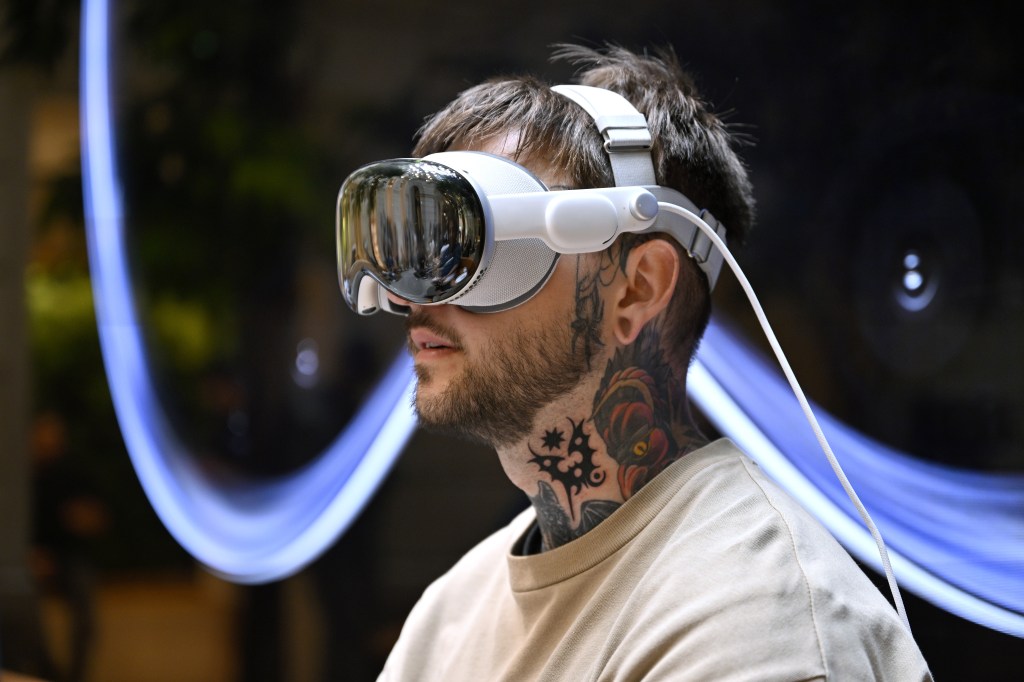
A customer wearing the Apple Vision Pro on July 12, 2024 in Paris, France. (Photo: Kristy Sparow/Getty Images/Apple)A customer wearing the Apple Vision Pro on July 12, 2024 in Paris, France.Kristy Sparow/Getty Images/Apple

A long-running approach for Apple is “best, not first.” 

Outgoing CEO Tim Cook confirmed it in a 2024 interview: “We’re perfectly fine with not being first,” he told the Wall Street Journal. “As it turns out, it takes a while to get it really great.”

That approach worked wonderfully for the Apple Watch, which arrived in 2015, a year or two after the first Android-based smartwatches hit the market. It now rakes in $17 billion per year and commands the largest share of the market globally.

Why not glasses, then? A new Bloomberg report says that the company’s long-awaited Meta Ray-Bans killer (codename: N50) won’t arrive by the end of this year, but the next, as it tinkers on a product aimed at a bigger opportunity.

If that sounds like the Apple Watch, which now outsells every watchmaker (analog or digital) on the planet, you’re right on the money, honey.

“The idea is to compete with products sold between roughly $200 and $500, a segment that includes EssilorLuxottica SA (Ray-Ban, Oakley, Persol, Oliver Peoples and Chanel), Safilo Group SpA (Tommy Hilfiger and Hugo Boss) and Warby Parker,” the report reads.

It would be a big step up for Apple. The eyewear market is believed to be worth about $200 billion—several multiples bigger than wristwear. The question is whether Apple can get its affairs in order fast enough to keep Meta’s own ambitions in check.

In the long term, Apple reportedly believes the specs could become a health device, not unlike—yep!—its watch, which has several FDA-cleared features. 

For now, though, Apple simply needs to convince glasses wearers that its goods are a fashionably worthy addition to the collection. Watch this space. —AN
The first Windows PCs with Nvidia chips are on the way
This fall, Nvidia becomes a consumer PC chipmaker.

The Silicon Valley company announced on Monday its RTX Spark, the first in a family of Arm-based silicon meant to take thin-and-light laptops to the next level.

How so? With the new chip, Nvidia says you can render 3D scenes, edit high-res video, play graphically intensive games, and—crucially—marshal multibillion-parameter AI agents without the device being plugged into the wall.

One of the first machines touting the new chip is the 15-inch Microsoft Surface Laptop Ultra, also announced on Monday. The device touts a 2,000-nit mini LED display, “all-day battery life,” a large haptic touchpad, and “1 petaflop of AI compute.” (I sense a new speeds ‘n’ feeds metric taking hold.) No word yet on availability or price, though.

More partner devices are reportedly on the way from Acer, Asus, Dell, Gigabyte, HP, MSI, and Lenovo, according to The Verge.

Which companies potentially lose from Nvidia’s entry into the category? Classic PC chipmakers such as AMD, Intel, Qualcomm, and—less directly—Apple.

But don’t expect them to take the news lying down. With PC shipments growing and the global memory shortage pushing prices up everywhere, the competition is only beginning. —AN
SoftBank pledges up to €75B for AI data centers in France
The Japanese conglomerate SoftBank said Saturday that it will invest as much as €75 billion (or approx. $87 billion) to build five gigawatts of AI data center capacity in France.

The initial investment is €45 billion for 3.1 gigawatts in the Hauts-de-France region north of Paris—specifically for data centers in Dunkirk, Bosquel, and Bouchain. Their capacity is expected to fully come online by 2031.

SoftBank’s enterprising founder and chief executive, Masayoshi Son, hopes to make France a regional AI hub, even if the country is a bit outside of SoftBank’s principal focus in the U.S. and Japan. 

(That’s not to say the company doesn’t have interests in the region. SoftBank retains significant stakes in Deutsche Telekom in Germany and Arm, Graphcore, and Wayve in the U.K, among others.)

Masa has reportedly ironed out some of the details of the deal with a notably prominent representative of France: President Emmanuel Macron, who has previously championed the ideas of sovereign AI and AI infrastructure, including chips, compute, and quantum.

The pair are expected to announce the investment during the Choose France Summit, which begins today in Versailles. —AN
More tech
VC investment in physical AI jumped from $4 billion in 2019 to $26 billion in 2025 (and it’s still accelerating).

Robotaxis are driving (ha!) Americans crazy, even if they’re statistically safer.

BlackBerry stock is up more than 185% in the last two months, thanks to the rise of connected cars.

China cracks down on ghost kitchens. New food delivery regulations begin this week.

Bill Gates: From world’s most admired man to a reported snub for Microsoft’s annual CEO summit.

The chair of FERC, the U.S. energy regulatory agency, says hyperscalers’ complaints “show a lack of understanding of how the utilities normally function and how the grid functions.”

Hollywood’s top execs got a 51% pay hike in 2025 as they laid off 17,000.