| | In this edition: Ethiopians go to the polls, DR Congo’s mining tax shift, and countries assert healt͏ ͏ ͏ ͏ ͏ ͏ |
| |  | Africa |  |
| |
|
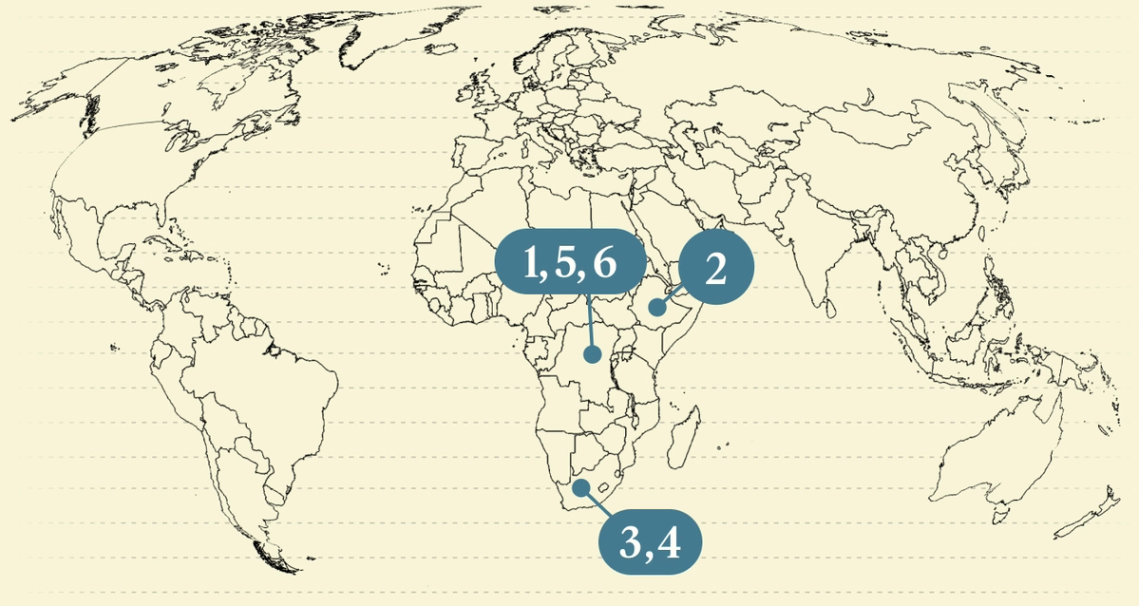 - African health sovereignty
- Ethiopians go to the polls
- Pretoria’s power lifeline
- Politicizing a water crisis
- DRC overhauls mining tax
- Dynamic Ebola response
 A play about a Malawian engineer arrives in London. |
|
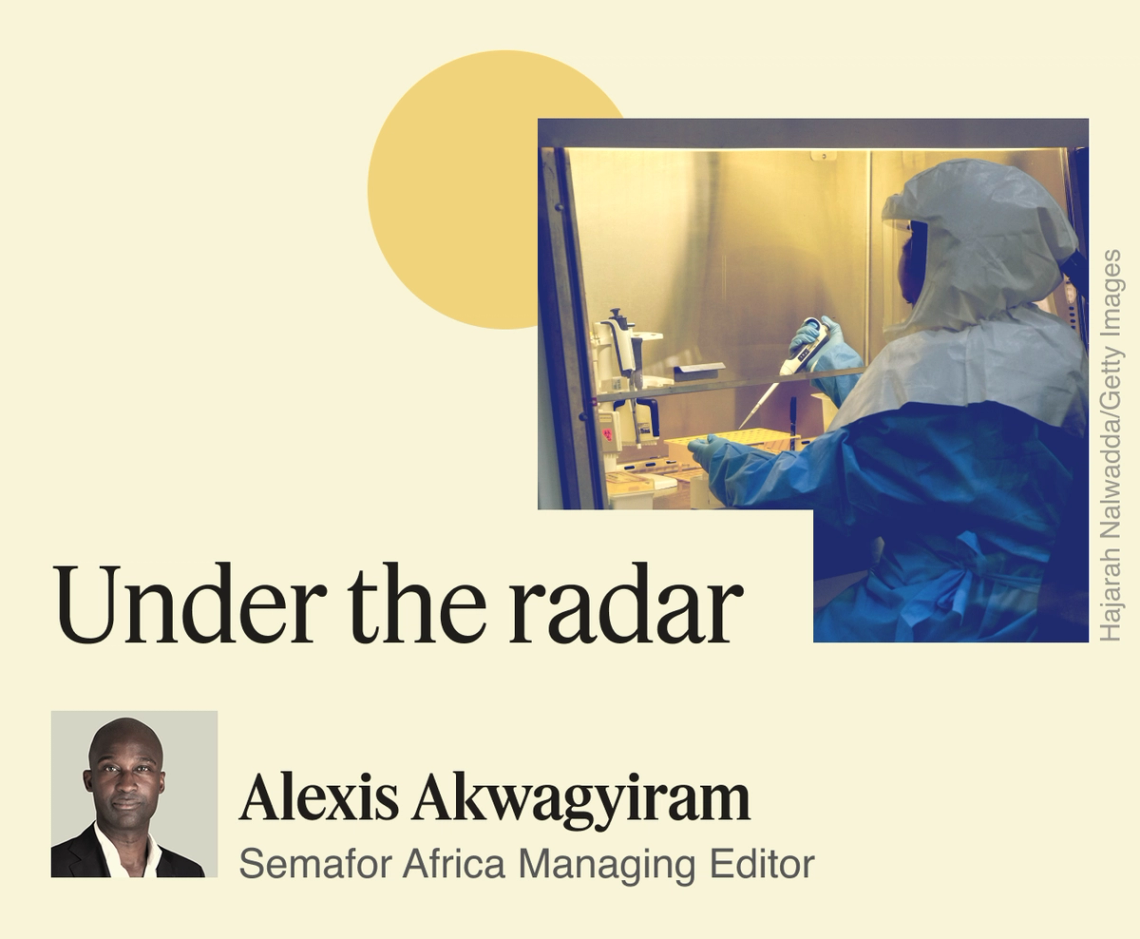 The Ebola outbreak in DR Congo is a reminder of the challenges created when informal economies collide with global supply chains and weak governance. The epidemic has so far been concentrated in eastern DR Congo, a region whose economy relies heavily on artisanal and small‑scale mining. Once smelted, gold, tin, tantalum, and tungsten from the area enter global supply chains, feeding demand for electronics, jewellery, and car parts. The fear is that the Bundibugyo strain, for which there is no vaccine yet, was circulating for weeks before being discovered. That raises the prospect that it could have spread undetected among workers who flew below the radar of the formal economy and can cross the region’s porous borders — a particular concern with DR Congo, which counts nine countries as its neighbors. The World Health Organization estimates there have been 1,000 suspected cases and more than 200 deaths in DR Congo, but the true scale remains unknown. Informality, as Yinka recently wrote, is often a rational adaptation to weak public services, scarce formal employment, and low state capacity. Eastern DR Congo has been gripped by fighting between the Congolese military and M23 rebels for years, making it difficult for the government to take control of the region and complicating relief efforts. The head of the WHO summed up the challenge in a post on X in which he said eastern DRC “now faces a catastrophic collision of disease and conflict.” It’s clear that this multi-pronged emergency will require multifaceted solutions, as a former USAID director argues in a Semafor column. This is the 17th recorded Ebola outbreak in DR Congo, so it’s unlikely to be the last, raising the question of what the country could do differently. The long-standing conflict in eastern Congo is proving to be intractable, but Kinshasa has control over the way it uses the funds raised from its natural resources. The Congolese government has agreed deals with Washington to provide US companies access to its minerals in the east of the country. This move to formalize the mining sector, along with efforts to raise more money from mining-related taxes, is an opportunity to plough revenues from extractive industries into improving public health facilities in the hinterlands. If all that happens, the dynamics in the relationship between mining, governance, and healthcare may actually change. |
|
A homegrown Ebola response |
 Gradel Muyisa Mumbere/File Photo/Reuters Gradel Muyisa Mumbere/File Photo/ReutersThe head of Africa’s leading healthcare body hailed homegrown efforts to tackle the fast-spreading Ebola outbreak, which comes in the wake of Western aid cuts on the continent. At least 247 people have died in the outbreak, and while it is so far concentrated in central Africa, Brazil is monitoring two patients with symptoms. Health systems in Africa are stretched, Jean Kaseya, the director-general of the Africa Centres for Disease Control and Prevention, wrote in the Financial Times, but African leadership is driving the response: “Africa’s health security must be built first on African soil.” The outbreak is straining hard-hit communities in DR Congo: Border closures are hampering local commerce, compounding fuel price hikes caused by the Middle East war in a region already wracked by armed conflict. And fears of a broader economic impact are mounting; the World Bank estimated $2.2 billion in lost GDP from the 2014-16 Ebola outbreak in West Africa. Healthcare workers are racing to develop a vaccine to fight the current strain, but experts warn it could take up to nine months. A version of this item originally appeared in Semafor’s twice-daily Flagship briefing. Subscribe here. → |
|
|
Ethiopians go to the polls |
 Ethiopia’s Prime Minister Abiy Ahmed votes. Ethiopia News Agency/Handout via Reuters. Ethiopia’s Prime Minister Abiy Ahmed votes. Ethiopia News Agency/Handout via Reuters.Ethiopian Prime Minister Abiy Ahmed is likely to retain his post in elections today, even as tensions in parts of the country spark fears of renewed conflict. Security challenges could prevent voting from taking place in parts of the country: Despite the end of a two-year civil war in 2022, tensions are rising in the northern Tigray region where a pre-war parliament has been recently restored, underscoring a continuing battle for influence between Abiy and regional leaders. Ethiopia’s economy is expected to grow by 7.8% in 2025-26 and 8.5% in 2026-27, according to the African Development Bank. Abiy has undertaken a campaign of economic liberalization, opening the country up to foreign companies, relaunching a stock exchange last year, and raising the revenue-generation capacity of state-owned enterprises. But Ethiopia faces significant challenges, such as an external debt level that the AfDB says is “unsustainable.” |
|
S. Africa signs off $2.3B power lifeline |
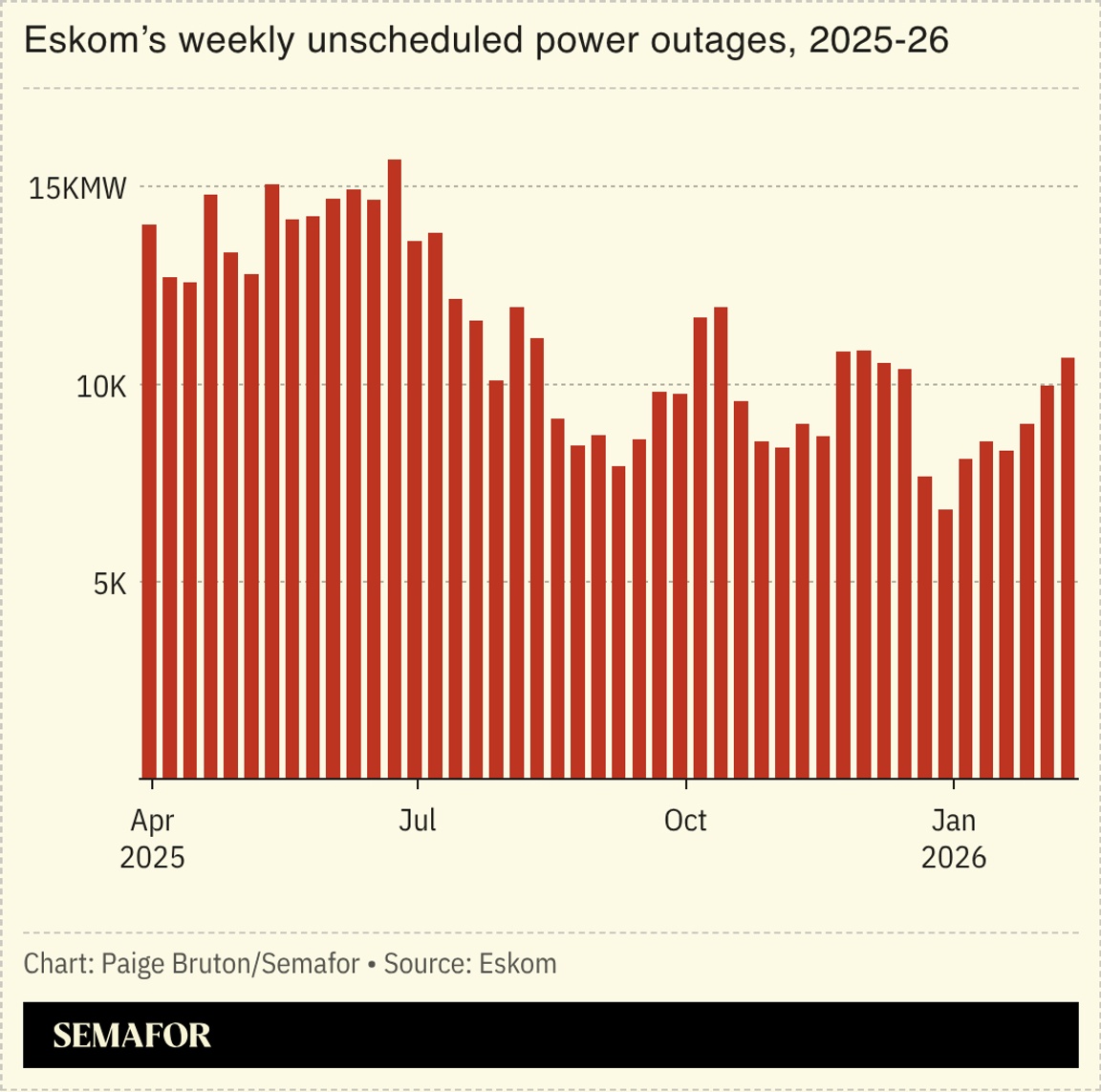 South Africa approved an estimated $2.3 billion five-year power tariff-package for its largest ferrochrome producers, moving to halt an industrial decline that saw the nation fall off its perch as Africa’s top manufacturing economy. The energy regulator signed off on the preferential electricity tariff for Glencore’s local venture and Samancor Chrome, slashing power prices by over 50% from the standard baseline. The intervention is an attempt by Pretoria to stabilize a smelting sector dominated by soaring electricity costs as a result of over-budget megaproject debt and ageing coal-fired power plant fleet maintenance. The urgency of the rescue package is underscored by the African Development Bank’s latest industrial rankings, which placed Morocco ahead of South Africa for the first time since 2010 following rolling power blackouts and weak supply chains. In return for the pricing concessions, Glencore immediately withdrew layoff notices, safeguarding more than 1,500 positions and thousands of other indirect jobs across the platinum belt. — Tiisetso Motsoeneng |
|
S. Africa water crisis as a political tool |
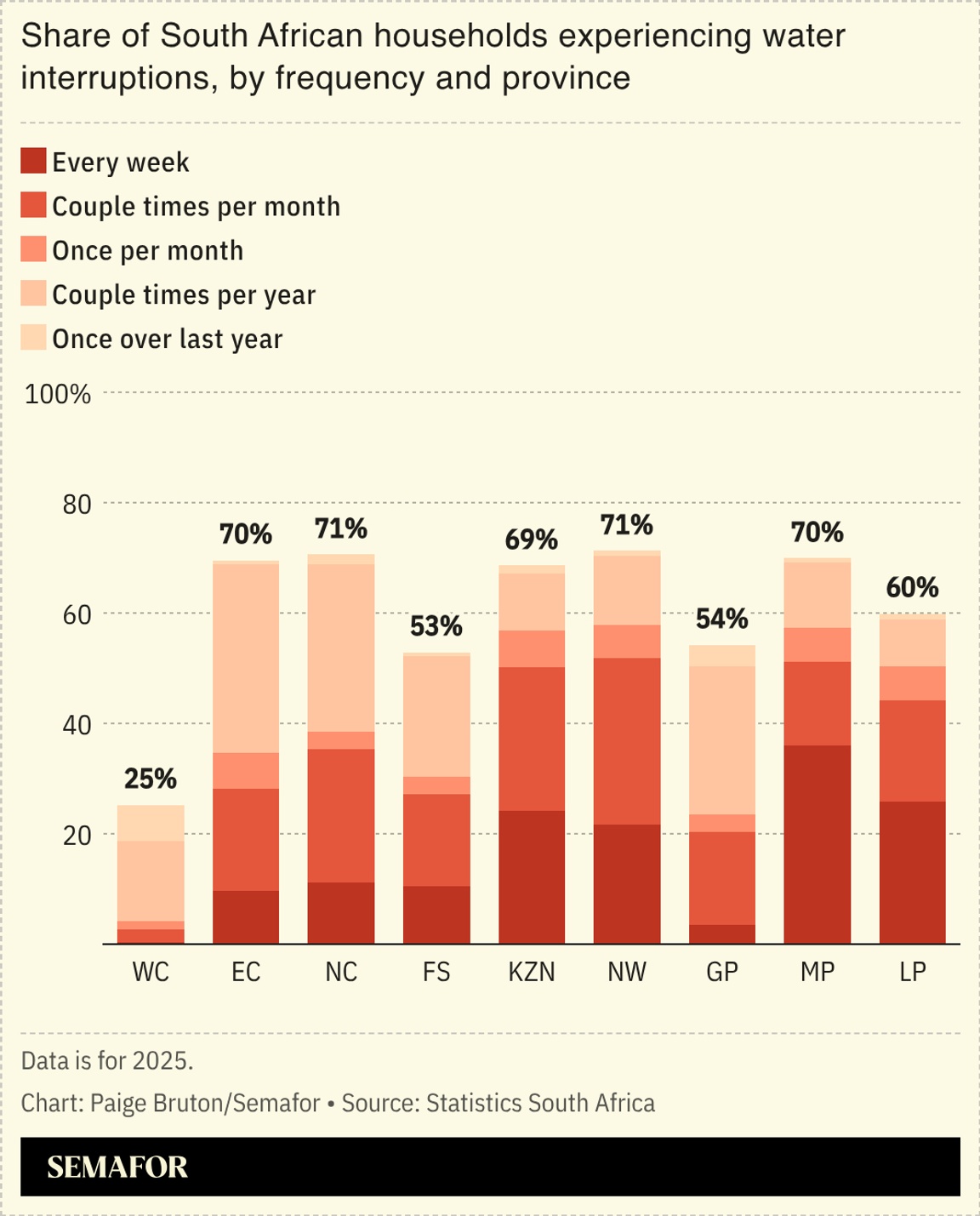 More than half of all households in South Africa face systematic water shortages, new data showed, offering the pro-business Democratic Alliance political leverage ahead of key local elections this year. National utility breakdowns have sparked a so-called dry-tap reality across Africa’s most industrialized economy; in the ANC-held Mpumalanga province, the faucets run dry in more than a third of households as often as once per week. The rolling disruptions, mainly driven by severe maintenance backlogs and ageing infrastructure leaks, have forced businesses to pay for backup systems, adding to investments many companies have already made to shield from chronic power outages in recent years. The Democratic Alliance — the ANC’s main opponent in November polls despite its role as a ruling partner in the national government — is likely to benefit from the water shortages. The party is already upholding its governing record in Western Cape where just 0.3% of houses faced water outages as a central campaign pillar. — Tiisetso Motsoeneng |
|
DRC adds lithium to high tax bracket |
 Glody Murhabazi/AFP via Getty Images Glody Murhabazi/AFP via Getty ImagesDR Congo added lithium to a list of strategic minerals that are subject to increased royalties, the country’s latest bid to boost revenues from its natural resources. Niobium, tantalum, tungsten, and uranium were also added to the list of minerals in the higher 10% tax bracket, according to a video posted on the mines ministry’s X account. The country’s southeastern region is home to one of the world’s largest hard-rock deposits of lithium, key for making batteries used in the renewable energy sector. DR Congo, like other African nations, is trying to capture more value from their raw materials. It imposed restrictions on cobalt exports late last year, forcing the metal’s largest producers to adopt new strategies. Ghana’s gold regulators, for example, introduced a new sliding‑scale royalty rate in March that rises in line with bullion prices. And Mali’s revised mining code sparked a dispute with Canadian miner Barrick last year, while Zimbabwe suspended its lithium exports earlier this year. |
|
View: Ebola requires dynamic response |
  Ricci Shryock/Reuters Ricci Shryock/ReutersContaining the rapidly spreading Ebola outbreak in eastern DR Congo will require far more than a health-sector response, argues a former USAID director in a Semafor column. The Bundibugyo strain is spreading through a region marked by armed conflict, displacement, and high population mobility linked to artisanal mining, creating conditions that allow the virus to spread quickly while authorities contend with the absence of an approved vaccine or treatment. Drawing on her experience leading responses to Ebola, polio, measles, and other outbreaks across Africa, Daniele Nyirandutiye writes that effective epidemic control depends on coordination across government and society, not just clinical interventions. She argues that trusted community networks, local leaders, educators, agricultural extension workers, humanitarian actors, and security officials must be integrated into preparedness and response efforts. The lesson from DR Congo, she says, is that lasting epidemic resilience requires permanent cross-sector institutions and relationships built long before a crisis begins. |
|
|