ADVERTISEMENT

View in Browser | APNews

DONATE

View in Browser | APNews

DONATE

By Meg Kinnard

June 01, 2026

By Meg Kinnard

June 01, 2026


A standoff between the White House and the Senate remains unresolved after Republican senators defiantly left town 10 days ago without passing legislation to fund President Donald Trump’s immigration enforcement agencies.


With Senate Republicans saying they won’t have the votes to pass the Homeland Security spending bill until the White House works with them to place parameters on a new $1.776 billion settlement fund designed to compensate Trump’s allies — and the president showing little interest in doing so — the path forward is unclear.


Plus, warnings from the bond market, this week's rollicking round of primaries, and a deeper look at the state of play in Georgia:


The Headline


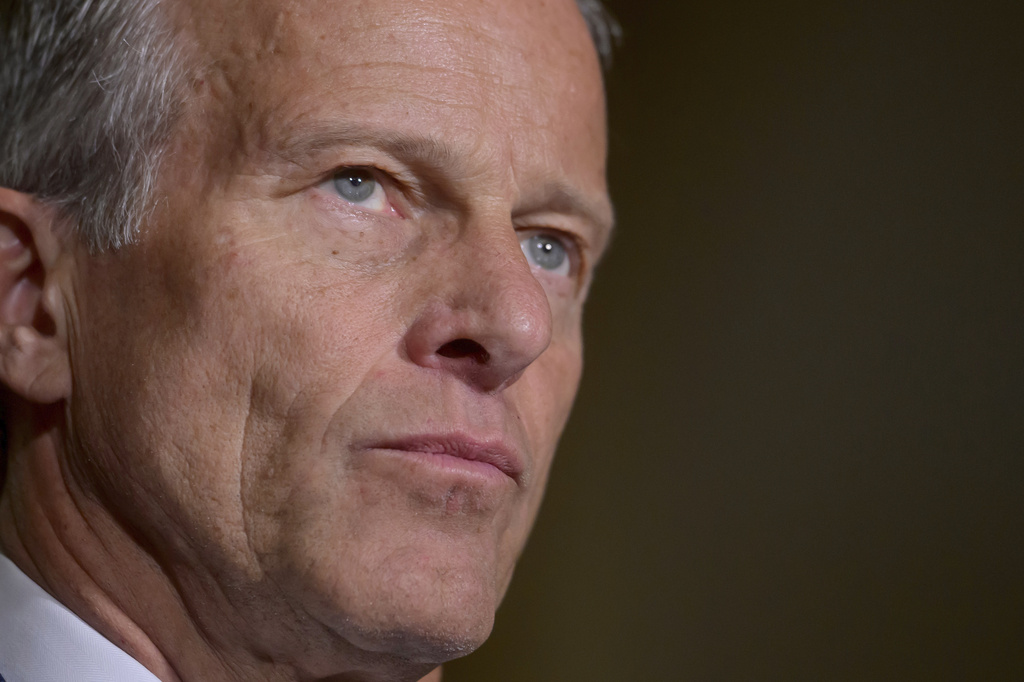
Senate Majority Leader John Thune, R-S.D., speaks during the Senate Republican policy luncheon news conference at the Capitol, Tuesday, May 19, 2026, in Washington. (AP Photo/Rod Lamkey, Jr.)

Tensions between GOP and White House over 'anti-weaponization' fund — By Mary Clare Jalonick


The Trump administration is “going to have to come up with some suggestions and ideas,” Senate Majority Leader John Thune said before the Senate — which returns to Washington Monday — left town on May 21. Thune, of South Dakota, said that the settlement money — some of which could potentially go to Trump supporters who beat police and attacked the Capitol on Jan. 6, 2021 — “just makes everything way harder than it should be.”


The impasse over the “anti-weaponization” fund could be an inflection point as Republicans try to keep their majority in this year’s elections and advance their agenda. Trump’s campaign year push to defeat GOP lawmakers whom he sees as disloyal, including some of Thune’s most reliable Republican votes in the narrow 53-47 Senate, has only added to the tension. 


Sens. Bill Cassidy of Louisiana and John Cornyn of Texas both lost reelection in May after Trump endorsed their primary opponents, and it is unclear how supportive they will be of the president’s agenda going forward. And a growing number of GOP senators have become frustrated with the president as he ignores what they see as their political needs. 


Democrats have said they plan to offer several amendments to the immigration bill to scale back or eliminate the settlement. Senate Minority Leader Chuck Schumer of New York said in a letter to colleagues Monday morning that Democrats will launch “a coordinated effort to kill the slush fund before one cent goes out the door.” 


As anger among Senate Republicans swelled, Trump made clear that he wasn’t highly concerned. 


“I don’t care about the midterms,” Trump said last week in a discussion about the Iran war. 


Read more from Jalonick on the White House-Senate GOP tensions.

Dive deeper ➤

  • Jerome Powell uses JFK award speech to warn against political pressure on Fed, courts and schools
  • As the Pentagon pushes for battlefield AI, some military leaders urge caution
  • Trump set to headline ‘Great American State Fair’ for nation’s 250th anniversary after artists drop out
  • Platner’s wife calls news coverage of Senate hopeful’s sexually explicit texts with women ‘shameful’

AP Elections Spotlight: The June 2 primary bonanza 

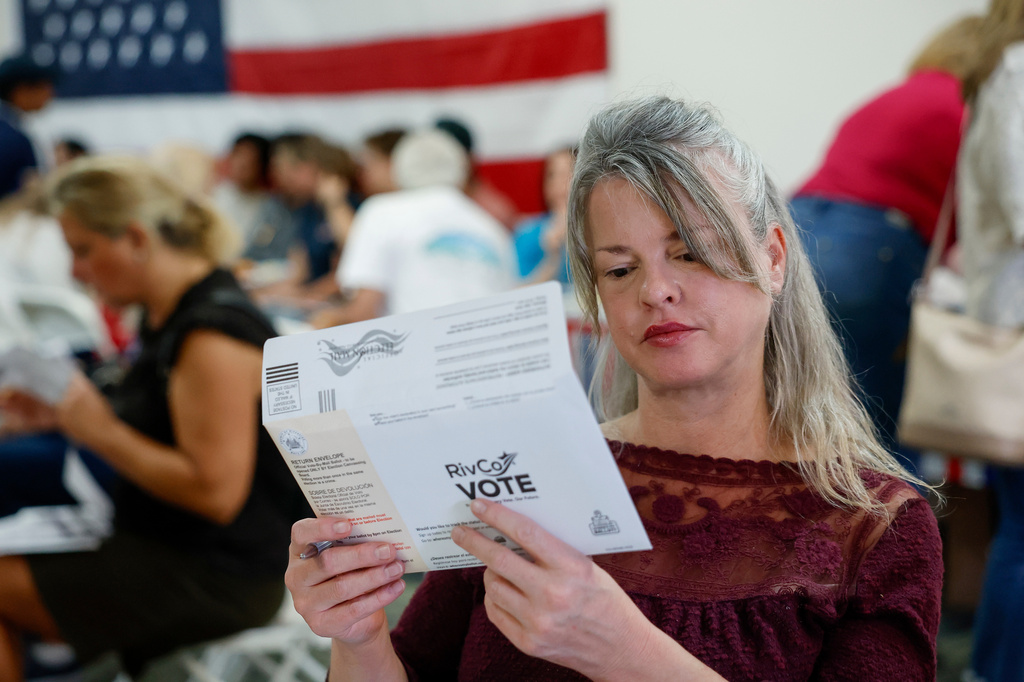
Tiffany Valencia, a Riverside County resident, fills out a primary election ballot during a "Barbeque, Beer and Ballots" event organized by Reform California on Saturday, May 9, 2026, in Corona, Calif. (AP Photo/Caroline Brehman)

Turning it over to elections reporter Robert Yoon for a preview of this week's primary blitz:


The big picture: California’s primary for governor — with its top-two/all-party format, 61 candidates, frequent lead changes and a touch of scandal — might be the most widely talked about race on the ballot Tuesday, but it’s just one of more than 300 contests voters will decide in seven states.


Here are some of the notable races on the docket in Arkansas, California, Iowa, Montana, New Jersey, New Mexico and South Dakota:


Governors: California is still the night's marquee gubernatorial race, but beyond the Golden State's borders, retirements and term-limits have created open seat primaries in Iowa and New Mexico.


In the latter, former Biden Interior Secretary Deb Haaland looks to become the first Native American woman to serve as governor of any state. In South Dakota, former Republican Gov. Kristi Noem’s successor, Larry Rhoden, is trying not to join a rather exclusive club: incumbent governors who lose their primary. He would be the sixth of this millennium.


U.S. Senate: The race to succeed retiring Republican incumbent Joni Ernst has steadily crept into Democratic calculations to retake the chamber. Two Democratic Iowa state legislators are in a competitive race for the nomination, and Trump has endorsed U.S. Rep. Ashley Hinson in the GOP primary.


Trump and retiring Republican incumbent Steve Daines have backed Kurt Alme in Montana's GOP primary. If he wins, he’d face the winner of a crowded Democratic primary, plus a well-funded independent candidate, Seth Bodnar.


U.S. House: Tuesday’s primaries in California, Iowa and New Jersey will set the table for some of the midterms' most competitive House races.


California’s first primary using a new, Democratic-friendlier map put the state’s Republican incumbents in a tough spot — especially U.S. Reps. Ken Calvert and Young Kim, who are running against each other in CA40. U.S. Rep. Kevin Kiley quit the GOP and will run in the general as an independent in CA06. Plus, Bay Area Democrats will nominate a successor to former Speaker Nancy Pelosi.


Down ballot: Notable local races include an increasingly reality show-styled Los Angeles mayoral election, state legislative grudge matches in Montana, unopposed New Mexico write-in candidates who each must receive a specific number of votes to advance to the general, and a special legislative primary in Arkansas.


Read more from Yoon on contests in California, Iowa, Montana & more.

AP is there: On the ground with Georgia politics


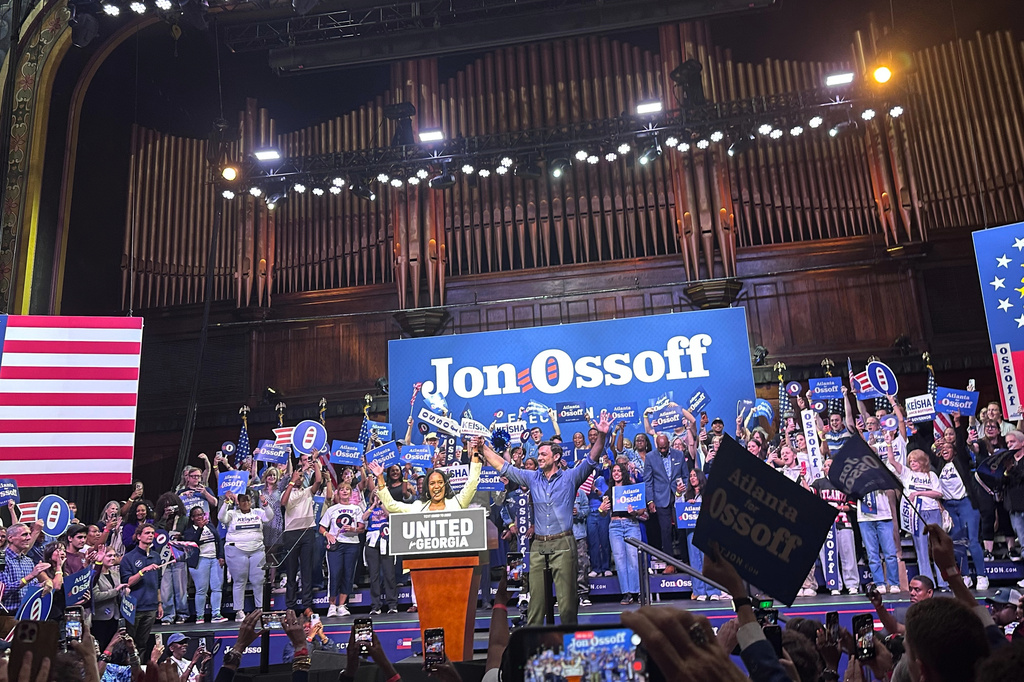
Democratic Sen. Jon Ossoff of Georgia and gubernatorial nominee Keisha Lance Bottom share the stage at a joint campaign rally in Atlanta on Sunday, May 30, 2026. (AP Photo/Bill Barrow)

Handing it over to Bill Barrow, our national politics reporter on the ground in Georgia:


"Georgia Democrats held their first joint rally of the general election campaign Sunday. Sen. Jon Ossoff and gubernatorial candidate Keisha Lance Bottoms had an enthusiastic crowd in downtown Atlanta at The Tabernacle. Republicans, meanwhile, are still fighting through runoffs for their nominees.

Georgia is a true battleground. Two Democrats in the Senate. Republicans running the statehouse. Trump won the state twice and lost it once. But Dems are confident this year — and Bottoms was eager to note that Democratic voters outnumbered Republicans in the first primary by about 150,000.

That hadn't happened since 1998, when Democrats still ruled the state.."


Read more from Barrow on the state of the midterms in Georgia.

Why the bond market’s US debt message matters for midterms


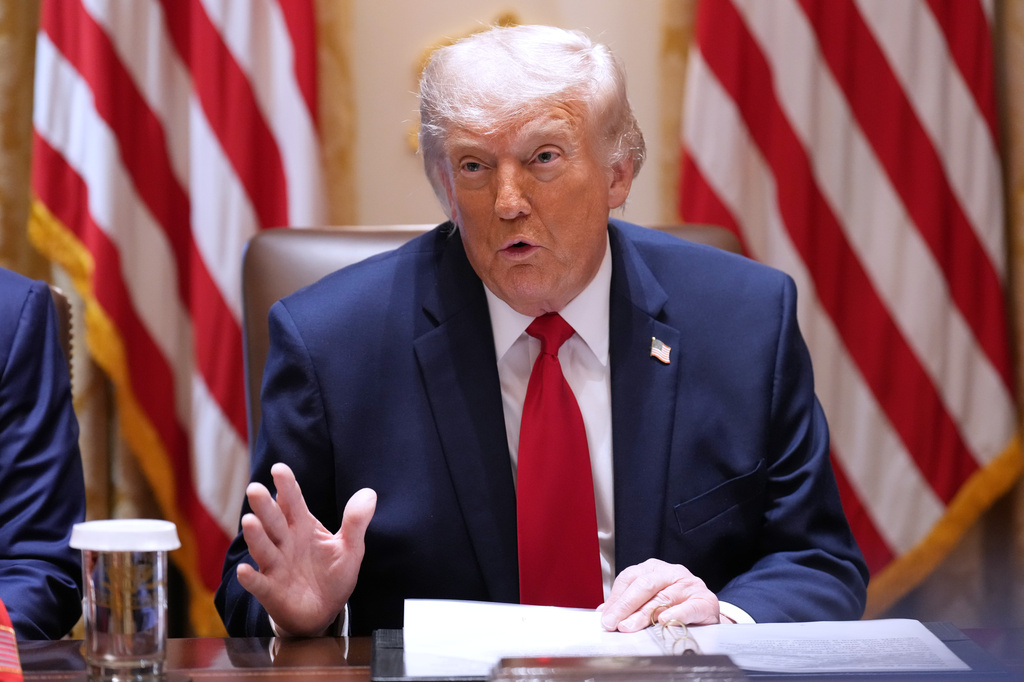
President Donald Trump speaks during a Cabinet meeting at the White House, Wednesday, May 27, 2026, in Washington. (AP Photo/Jacquelyn Martin)

Trump is facing a new inflation warning from the bond market, adding to his midterm challenges — By Josh Boak


The world is getting more uptight about lending money to Trump’s government — causing interest rates to climb in ways that are worsening affordability pressures, hampering economic growth and creating a new risk for Republicans in November’s midterm elections.


The energy price spike triggered by the Iran war has seeped into the price of bonds that help fund the U.S. government. Interest rates on a 10-year U.S. Treasury note are topping 4.44%, up from 3.95% before the war started at the end of February. Average mortgage rates have climbed to their highest levels in nine months, while auto sales are slumping.


The challenge is global in scale, as interest rates have risen for multiple countries as the world has been adjusting to the prospect of higher inflation, mounting questions about the sustainability of government debt and a dramatic surge in investment in artificial intelligence.


Trump has tried to assure Americans that he has a plan to trim the roughly $1.8 trillion annual budget deficit. In the past, he's pointed to tariff revenue, payments from foreigners for his “Gold Card” visa, and spending cuts made by the Department of Government Efficiency.


Economists say Trump’s strategies to meaningfully curb the deficit are unlikely to deliver the promised results.