
|
 |
The Cancer Research Machine Trump Is Gutting Just Delivered a Big Breakthrough
There’s new hope for one of the deadliest cancers. But Trump’s war on research puts future discoveries at risk.
|

| ||||||||||||


 |
IT IS NOT EASY TO OVERWHELM CANCER SCIENTISTS, a world-weary bunch who are constantly dealing with setbacks in their experiments—and, all too frequently, deaths among their patients. But it happened on Sunday morning, inside a darkened Chicago convention hall, when Harvard-based researcher Brian Wolpin announced the results of clinical trials for a drug called daraxonrasib.
Wolpin spoke in a monotone, addressing fellow oncologists from around the world. Above him and around the room, on a set of projection screens, a seemingly simple line graph revealed something extraordinary: Daraxonrasib had nearly doubled survival time for pancreatic cancer patients who’d already been through a preliminary round of chemotherapy.
As Wolpin read off the numbers, a few members of the audience clapped, then a few more, and then they started standing until eventually most of the room was on its feet. “It was sustained,” Adam Feuerstein, the veteran biotech correspondent from STAT, tweeted about the reaction. “I’ve never seen anything like it in the middle of a talk.”
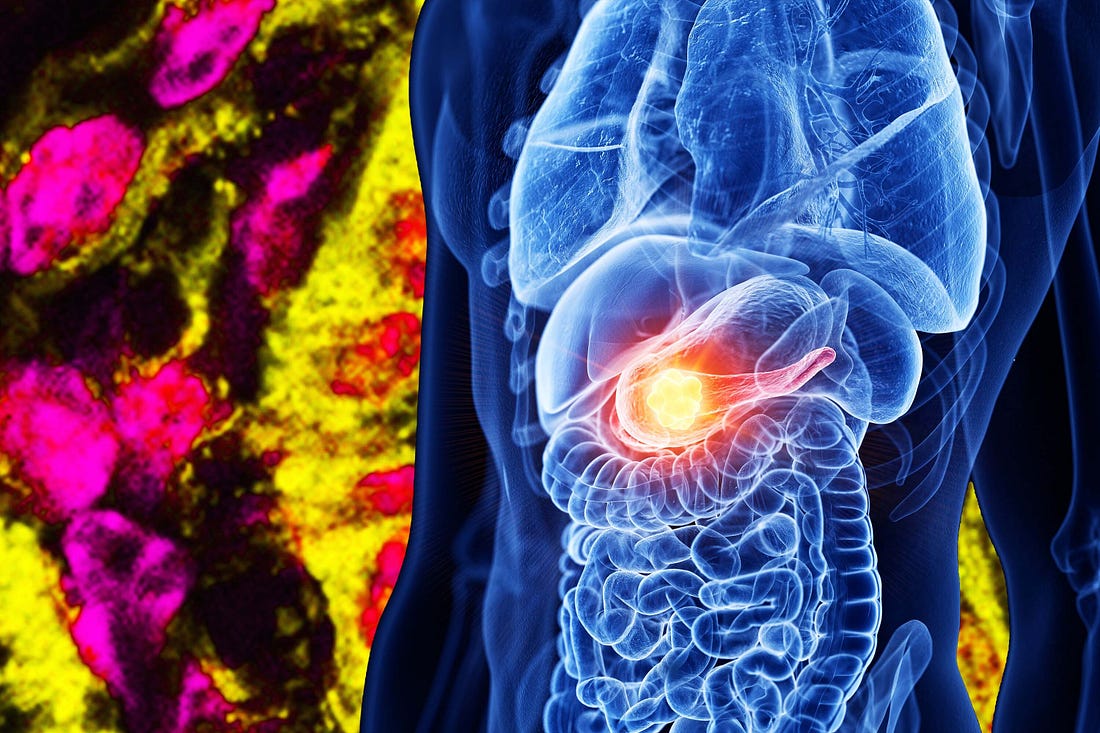
The news made headlines across the country, and it’s easy to see why. Pancreatic cancer took more than 50,000 American lives last year, according to estimates, making it the nation’s third-deadliest cancer. Until now, it has stubbornly resisted the kinds of treatment advances that have allowed patients with several other cancers to live a lot longer, and in some cases “beat” their cancers altogether.
That’s still a long way off for pancreatic cancer, because this new drug is not a cure. That near-doubling of survival time means that the patients already past the first phase of treatment survived for another 13.2 months on average when they got daraxonrasib, as opposed to 6.7 months if they went on the secondary chemo drugs typically administered at that point. And those who do benefit from the new drug will have to live with side effects, including intense rashes and serious gastrointestinal problems—a subject that former Nebraska Senator Ben Sasse, who is now on daraxonrasib, has discussed frequently during interviews about his battle with the disease.
But overall the side effects are less severe than they are for the existing alternative of more chemotherapy. It is among the reasons Sasse has called daraxonrasib a “miracle drug.” More importantly, the findings by Wolpin and other scientists show it’s possible to treat a cancer once considered “undruggable.” Researchers in the future may be able to stretch pancreatic cancer survival rates even more—by, among other things, deploying daraxonrasib as an initial treatment rather than a follow-up to chemo.
“That’s where, if this really has the possibility of either totally suppressing or—you know, God willing—even curing this, that would be a huge, huge breakthrough,” Ezekiel Emanuel, the oncologist who is now vice provost for global initiatives at the University of Pennsylvania, told me in an interview.
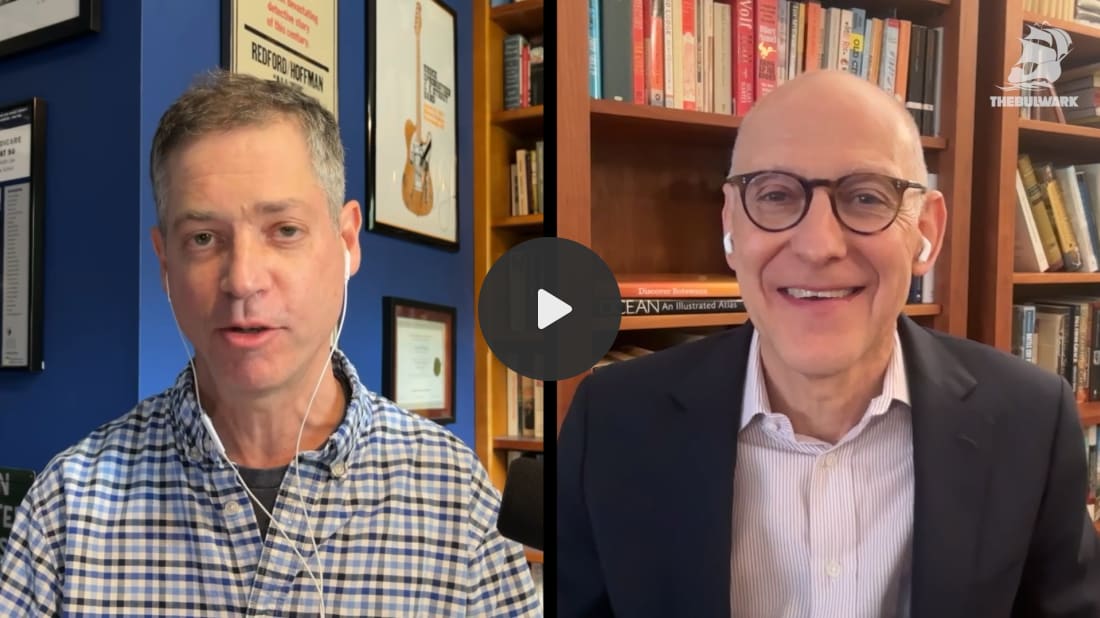
The “if” from Emanuel’s interview—which you can watch above—is an important caveat. Plenty of similarly promising cancer breakthroughs have, with further study and development, proved disappointing.
But plenty have panned out, too. In fact, one of the more oddly underappreciated stories of modern history is the steady, very real progress against cancer: The five-year survival rate for all cancers combined reached 70 percent for the first time last year, up from about 50 percent in the 1970s, according to the American Cancer Society.
Behind these advances are decades of scientific research, which brings us to a bittersweet asterisk to the pancreatic cancer announcement: The news comes right as the foundation for that progress—consistent research funding from the federal government—is being undermined by the Trump administration.