
| Forwarded this email? Subscribe for more |



 |
| By The Free Press |
It’s Wednesday, June 3. This is The Front Page, your daily window into the world of The Free Press—and our take on the world at large. Today: Peter Savodnik on the California primaries. Spencer Klavan on how a 20-year-old’s cheap horror film dethroned the latest Star Wars movie at the box office. Joe Nocera on the brilliance of Louis Armstrong. Plus much more.
But first: Niall Ferguson on the unseen perils of artificial intelligence.
Is artificial intelligence a blessing or a curse? It may be the defining question of the 21st century. The technology promises extraordinary benefits, from medical breakthroughs to unprecedented economic growth. But it also poses profound risks to how we live—and perhaps even to the future of humanity.
One thing we know is that the momentum behind more advanced AI is only building: On Monday, Anthropic—the company behind the popular Claude model—filed plans for an initial public offering that could value the company at nearly $1 trillion. Other AI giants are expected to follow suit.
Meanwhile, President Trump yesterday signed an executive order asking AI companies to voluntarily submit powerful new models for government review just 30 days before public release—a significantly watered-down version of the policy he was set to impose last month, which he reportedly rejected hours beforehand, saying it would “get in the way” of America’s competition with China.
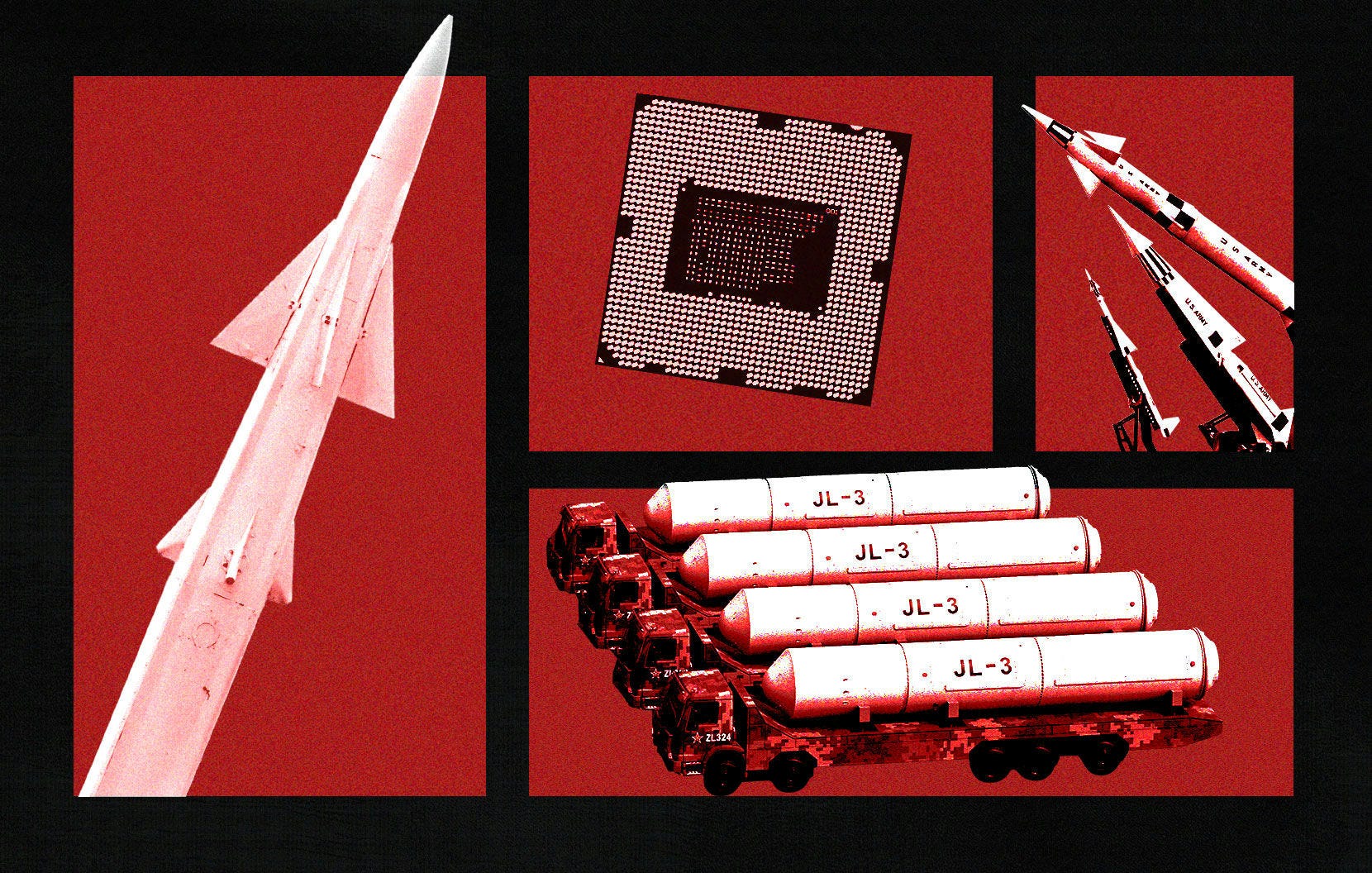
Such are the stakes of the AI race: the promise and peril of unprecedented economic disruption, a winner-takes-all tussle for geopolitical supremacy.
With so much on the line, things could go very wrong, very fast. That’s the argument historian and Free Press columnist Niall Ferguson lays out in his essay for us today.
“The unfolding history of artificial intelligence has now arrived at what may be its most dangerous moment,” he writes. “We may be hurtling toward the most dangerous arms race in history.” And we are doing so, argues Niall, when “the leadership of the competitors in this race is, to say the least, of mixed quality”:
The chief executives of the most important companies include at least one with a record of duplicity, and at least two egomaniacs. Meanwhile, the president of the United States is a former real estate developer and reality TV star, roughly half of whose public utterances are mere bluffs, and the leader of the People’s Republic of China is a Marxist-Leninist who aspires to eclipse Mao Zedong as a dictator.
What could possibly go wrong? For an answer to that question, read Niall’s essay.
—Jillian Lederman
 |
Last night, Californians took to the polls in the state’s “jungle primary” elections, teeing up an explosive one-on-one gubernatorial race and an exciting Los Angeles mayoral contest. At the time of writing, with 56 percent of votes counted in the Golden State, Republican challenger Steve Hilton leads the Gubernatorial race with 28 percent of the vote. In Los Angeles, with 63 percent of the votes counted, incumbent Karen Bass leads with 35 percent and former reality star Spencer Pratt is at 30 percent. Stay tuned for the thoughts of our man in Los Angeles, Peter Savodnik, on the final results later today. And while you wait, catch up with Peter’s live coverage in The Free Press Forum last night.
|
Tyler Cowen: Legal Weed Is a Mistake We Had to Make | ||||
 | ||||
|
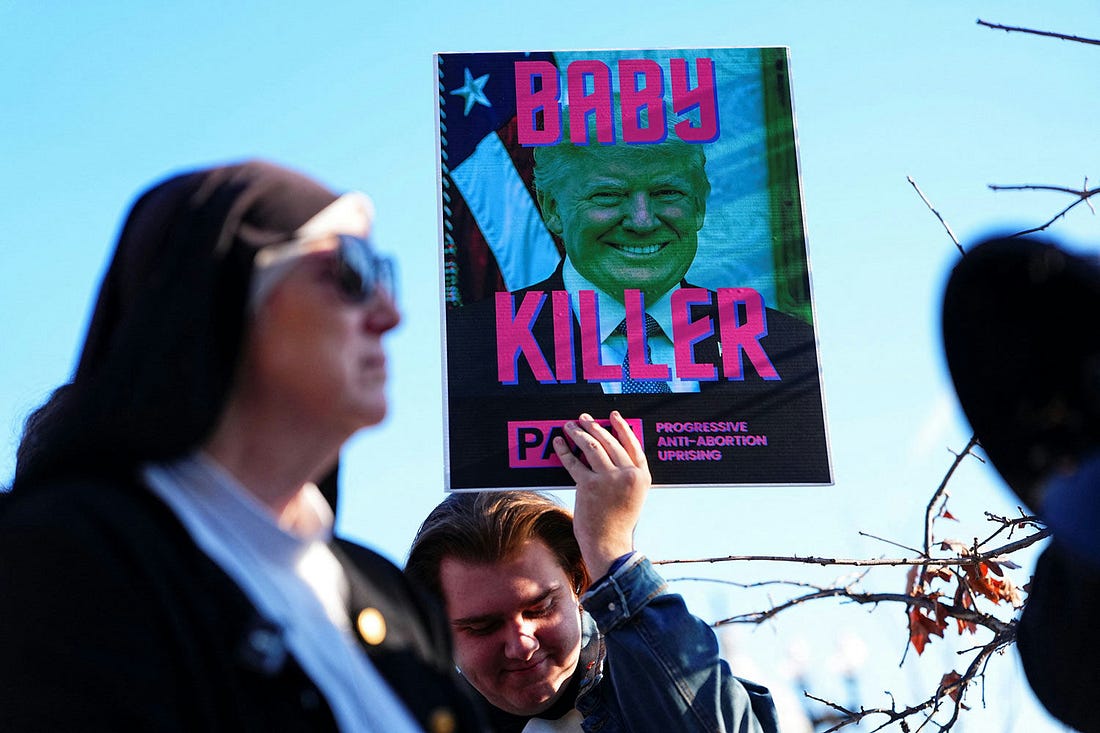
Could President Trump Face a Pro-Life Revolt? | ||||
 | ||||
|
The Kids Who Grew Up Online Are Coming for Hollywood | ||||
 | ||||
|
|
For the latest installment of our new Great Americans series, Joe Nocera pays tribute to jazz legend Louis Armstrong. Rising from the slums of New Orleans, Armstrong became “the first black entertainer to be truly embraced by Americans, whether white or black. Indeed, at the height of his fame, he was the most beloved entertainer in the world.” But beyond that, what made the self-taught “Satchmo” a key figure in 20th-century life, what drove his genius, and how did he become an unlikely Cold Warrior? Read Joe’s gorgeous piece. You won’t be disappointed.