| | In this edition: Iran war threatens food security, Senegal forms a new government, Barrick mulls Lon͏ ͏ ͏ ͏ ͏ ͏ |
| |  | Africa |  |
| |
|
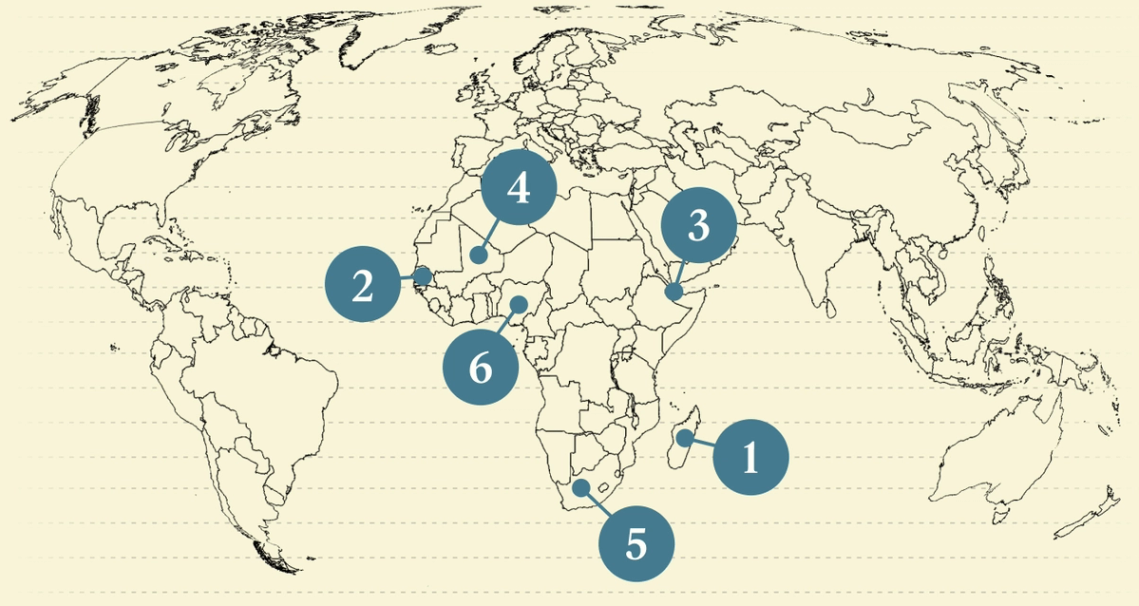 - Food crisis set to worsen
- Senegal politics in turmoil
- US cuts visa processing
- Barrick eyes London listing
- S. Africa picks inquiry chair
- Nigeria pension pot grows
 The continent’s booming basketball industry attracts growing investor interest. |
|
 For 25 years, the defining logic of China-Africa trade has been simple: Africa exports raw materials, China manufactures products, and Africa buys them back. In 2024, that arrangement led to a record $275 billion in trade. African countries imported $182 billion worth of Chinese goods while exporting just $93 billion back, overwhelmingly in raw commodities, according to a recent report from the Boston University Global Development Policy Center and the African Economic Research Consortium. Yet the same data reveals a shift that many observers still underestimate: China may need Africa more than the established narrative suggests. African countries supply more than 80% of China’s chromium and manganese imports. Guinea alone provides roughly a third of its bauxite. Copper exports from DR Congo and Zambia continue to expand. These are not niche commodities. They are critical inputs for electric vehicles, batteries, and the clean-energy supply chains on which China is staking its industrial future. That dependence gives African governments more leverage than they have historically exercised. Zimbabwe’s restrictions on raw lithium exports, which pushed Chinese investors toward local processing facilities, offer an early example of how resource-rich countries can use market access to bargain for more value addition at home. But a second trend is moving in the opposite direction. The era of large-scale Chinese infrastructure lending is over, note the report authors. At the peak of the Belt and Road Initiative, Chinese loan commitments often exceeded those of the World Bank. Today, new lending from Beijing has fallen below $5 billion a year. More strikingly, African countries now repay more to Chinese lenders annually than they receive in fresh financing, making China the only major creditor with net negative capital flows to the continent. The consequences are becoming visible in government budgets. Between 2026 and 2030, African countries are projected to spend 11% of public revenues on debt servicing. In Angola, the figure reaches 42%; in Senegal and Djibouti it exceeds 25%. That is the central tension in the next phase of China-Africa relations. Africa’s bargaining power is rising just as its fiscal space is shrinking. Countries that can use mineral leverage to attract processing and manufacturing investment — while avoiding debt burdens that crowd out industrial policy — will be best positioned to move beyond the role of raw-material supplier. |
|
Worst of food shortages yet to hit |
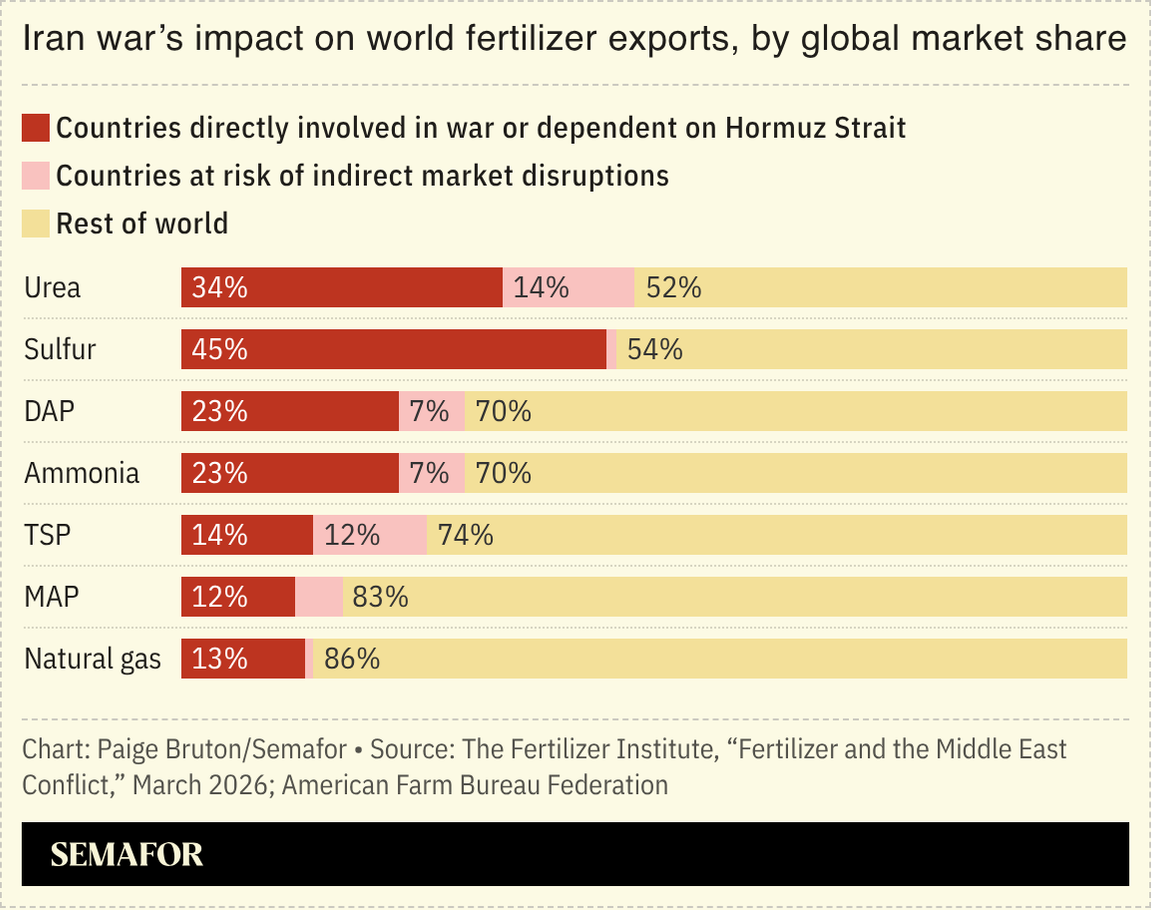 The Middle East conflict is putting significant strain on energy and food systems across Africa, which could threaten credit ratings on the continent, S&P warned. Several governments have already tightened fiscal policy, leaving them with few options if the situation continues to deteriorate, the credit agency warned. Key fuel and fertilizer exports have been all but blocked by disruption in the Strait of Hormuz, with the worst effects expected to hit import-dependent African economies in six to 18 months, S&P said. Food makes up more than 50% of household spending in most African nations, with Madagascar facing the highest risk followed by Benin, Mozambique, and Guinea. Several nations, including Comoros and Kenya, have also seen steep fuel cost hikes that sparked deadly protests and forced governments to walk back price increases — and underscore broader economic vulnerabilities. “If the energy shock persists, the impact would broaden into wider credit deterioration, with narrowing fiscal and monetary policy space,” S&P said. — Tiisetso Motsoeneng |
|
Senegal’s political crisis deepens |
| |  | Jenny Vaughan |
| |
 Senegal’s President Bassirou Diomaye Faye. Marvellous Durowaiye/File Photo/Reuters. Senegal’s President Bassirou Diomaye Faye. Marvellous Durowaiye/File Photo/Reuters.Senegal’s recently ousted prime minister said his party will not participate in the newly formed government, plunging the country into further political turmoil as it grapples with a major debt crisis. Bassirou Diomaye Faye, who last month dissolved the government and sacked Ousmane Sonko, appointed 30 new ministers on Monday. Senegal’s debt ballooned to more than $40 billion, or 132% of its GDP, after billions of dollars of unreported debt reportedly amassed by the government that preceded Faye’s administration was discovered. The IMF froze its $1.8 billion lending program to Senegal over the controversy. The relationship between Sonko and Faye, former allies, deteriorated in recent months as they disagreed over the handling of Senegal’s debt crisis, with Sonko ruling out debt restructuring and Faye showing a willingness to negotiate with the IMF. Sonko was elected parliament’s speaker after being dismissed as prime minister, giving him huge power over the passing of legislation. And his refusal to allow his Pastef party to participate in the new administration could undermine the president’s push to negotiate with the IMF. |
|
US slashes visa processing hubs |
 The US embassy in Johannesburg, South Africa. Wikimedia Commons/Creative Commons Photo/TapticInfo/CC BY-SA 4.0. The US embassy in Johannesburg, South Africa. Wikimedia Commons/Creative Commons Photo/TapticInfo/CC BY-SA 4.0.Washington plans to slash the number of embassies and consulates in Africa authorized to process visas from nearly 50 to just 20 “hubs” later this month, according to the Associated Press, further restricting entry to the US for African citizens. The cutbacks follow a directive from Secretary of State Marco Rubio and will require citizens of countries without a hub to travel to an approved site to apply — a potentially prohibitive logistical and financial burden. Non-hub embassies and consulates will remain open for American citizen services and diplomatic visas. The 20 hubs include Abidjan, Addis Ababa, Djibouti, Johannesburg, Kinshasa, Lagos, Luanda, Nairobi, and Yaoundé. Visa processing in Africa has already been curtailed under the Trump administration with a travel ban on certain countries, a requirement for some applicants to post bonds of up to $15,000, and disruptions caused by the ongoing Ebola outbreak. — Adrian Elimian |
|
Barrick weighs London listing |
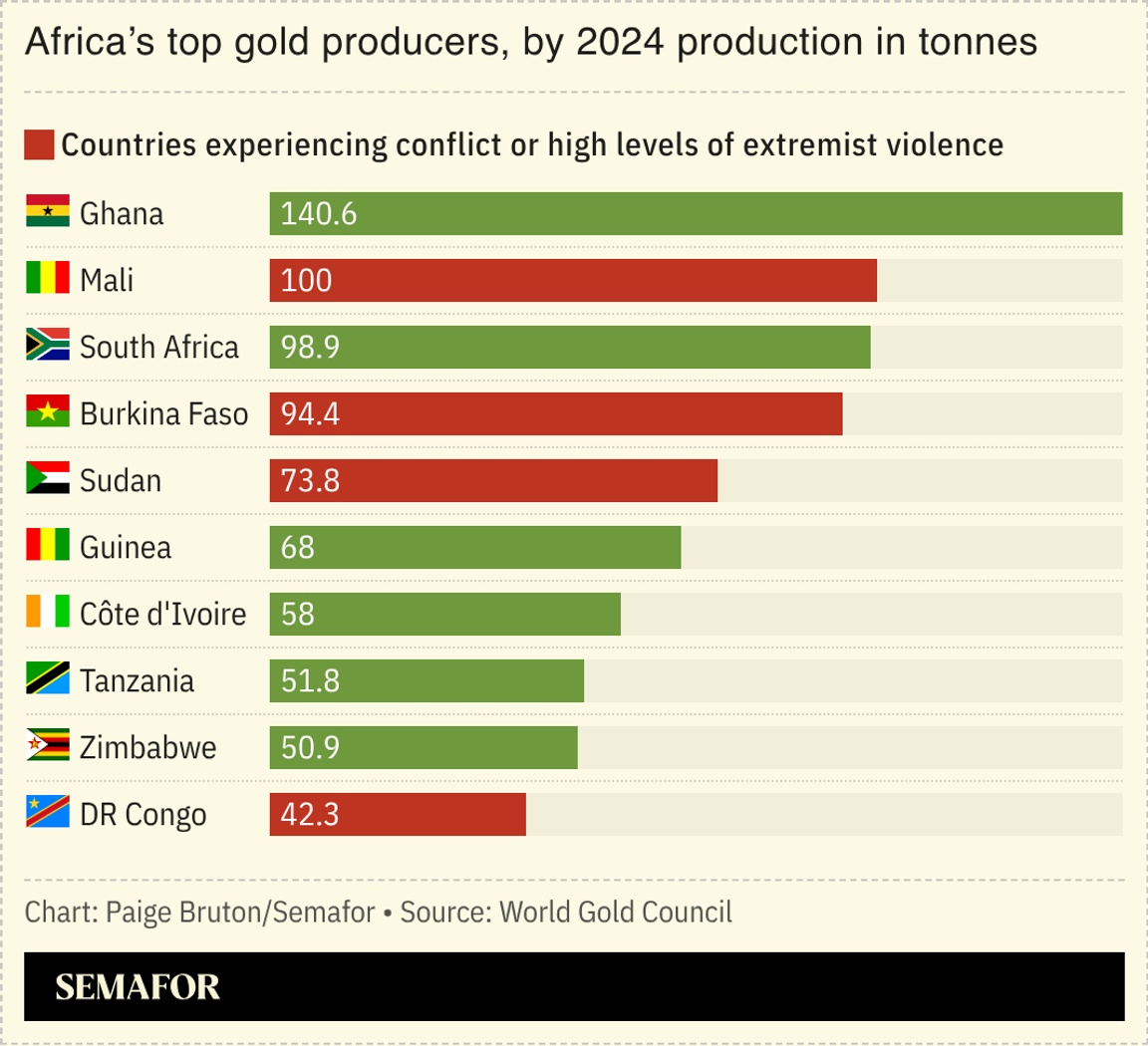 Barrick Mining is considering a London listing for its Africa business, Reuters reported, a move that comes as the gold mining giant seeks to move its operations from what it sees as risky regions. An all-share $30 billion transaction with UK-listed Endeavour is reportedly also being considered. Barrick CEO Mark Hill said last month the gold mining giant was seeking to divest riskier African assets and non-controlling assets, without naming any countries directly. The firm has mines in DR Congo, Mali, Tanzania, and Zambia. The firm was embroiled in a dispute with the Malian government over a new mining code in the country introduced in 2023 that saw it lose control of one of its most productive assets. It reached an agreement with Bamako in November last year to regain control of its mines. JPMorgan, in an analyst note, said the potential tie-up could boost outputs, but warned such an entity “would likely introduce new geographic exposures to [Endeavour] ... with higher average costs and lower relative organic growth,” citing Mali and DR Congo. |
|
S. Africa picks inquiry chair |
 Makashule Gana. @Makashule/X. Makashule Gana. @Makashule/X.
South African lawmakers chose a critic of President Cyril Ramaphosa to head an inquiry into whether the head of state should face impeachment, in a move seen as preserving the probe’s independence. Ramaphosa launched a lawsuit last week after the Constitutional Court ordered a revival of an inquiry over his handling of the 2020 theft of foreign currency at his game farm. The president has effectively tied his personal political survival to the credibility of some of the most respected institutions in Africa’s biggest economy, all of which have cleared him of wrongdoing. The parliamentary committee overseeing the probe, which met for the first time this week, elected Makashule Gana, an MP from the smaller social democratic RISE Mzansi party. Gana, who has no documented links to Ramaphosa, holds a casting vote in a deadlock, and wields power to summon individuals and demand documents. The selection may help the ruling coalition to quiet fears that Ramaphosa’s African National Congress party would install a loyalist to oversee a whitewash. Still, the process faces immediate legal challenges: Ramaphosa launched a legal bid to overturn an underlying report, arguing it relied on hearsay and misapplied the legal threshold for misconduct. — Tiisetso Motsoeneng |
|
Nigeria pension pot balloons |
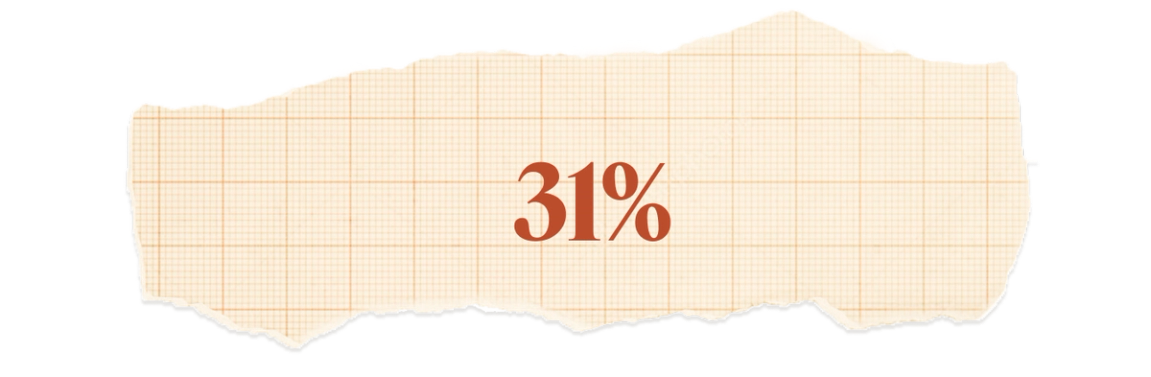 Nigerian pension fund assets rose 31% year-on-year to reach $22.6 billion in April. The jump came after assets invested in domestic equities more than doubled in value, adding nearly $3 billion to the pool within the period. Most Nigerian pension fund assets are held in federal government securities, and their value grew 18% over the past year. But the domestic capital market’s influence on pension fund growth underscores efforts by the industry to invest more in the public market. In a bid to boost these efforts, Nigeria’s pensions regulator in May waived a rule that bars funds from investing in companies that fail to demonstrate profitability for three years. |
|
 Business & Macro
|
|
|


