| Bringing you all the culinary industry news to fuel your passion | SIGN UP ⋅ SHARE |
|
|
 
|
Chartwells Higher Education relies on a data-driven strategy to guide its campus dining innovations. By collecting feedback through multiple channels -- including annual surveys, focus groups, and advisory board meetings -- the company is able to quickly respond to shifting student preferences and develop new programs that anticipate future needs. This continual cycle of data collection and analysis enables Chartwells to maintain a steady pace of innovation and ensure its offerings remain relevant for both current and incoming students.
|
|
|
|
|
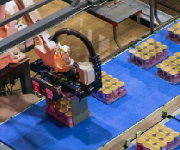
Unlock the same automated fulfillment infrastructure that gives major retailers their edge. Warehouse automation requires massive capital, long-term contracts, and years to implement. Fortunately for you, Exol™ already made the investment. You get world-class robotics and a nationwide network without the capital commitment or decade-long lock-in. Learn More. |
|
|
|
| ADVERTISEMENT |  |
|

|
La Madeleine CEO John Dillon is leading a brand refresh to attract a younger generation of customers. The initiative includes rebranding from "French" to "French-inspired," simplifying the menu and introducing a smaller-footprint prototype. Having grown up in Dallas where the chain was founded, Dillon describes la Madeleine as a formative presence in his family's life. His mother, mother-in-law and wife have all been fans, and his daughter worked at the cafe in high school, so when Dillon became CEO in early 2025, it felt like a full-circle moment. The chain, which has a strong emotional connection with longtime customers and a loyal workforce, is experiencing positive sales and traffic trends as it expands beyond Texas.
|
|
|
In the 2026-2027 school year, 33 Houston ISD schools will no longer participate in the federal program offering universal free lunches, marking a significant increase from just seven campuses the previous year. The district explained that the schools did not meet federal criteria for program participation and must now require families to apply for free or reduced-price meals based on income.
|
|
|
Lielle, a fine-dining restaurant in Los Angeles by Swedish chef Marcus Jernmark, offers a four-course prix fixe menu for $150, making high-quality dining more accessible. The restaurant's success is attributed to Jernmark's deep engagement with local farmers' markets and his innovative dishes, such as aged jack with peas and squab with hazelnut miso. Lielle's vibrant atmosphere and exceptional nonalcoholic beverage options have made it a standout in the city's dining scene, writes Mona Holmes.
|
|
|
|
|
Uncover how data-driven insights guide foodservice brands in crafting exceptional, market-savvy menus. Transform analytics into actionable strategies. Join Datassential on June 4 at 1PM EST for crucial insights. Register now! |
|
|
|
|
|

| Nourish: Health, Nutrition and Wellness News |
|
A study published in JAMA Network Open highlights the benefits of low-insulinemic and planetary health diets for managing weight during menopause. The research, involving over 38,000 women from the Nurses' Health Study II, found these diets, rich in whole plant foods and healthful fats, were linked to reduced weight gain and lower obesity risk. Despite potential measurement errors in dietary assessments, the findings suggest incorporating these diets into midlife care could prevent obesity and support long-term health. |
|
A survey in the American Journal of Public Health found that 77% of Americans support mandatory warning labels on ultraprocessed foods, and 87% want government safety testing of laboratory-made chemicals before they are used in food. Researchers launched the Fed UP! campaign to raise awareness about the health risks of ultraprocessed foods, which studies have linked to higher risks of dementia, heart disease and obesity. |
|
|
|
On-farm animal well-being is a foundational element of food safety, according to Dr. Michelle Schack. Decisions about animal health, comfort, housing, nutrition, and handling directly affect the safety of animal-derived foods. Healthy, calm and well-cared-for animals have lower pathogen loads, reduced risk of contamination and are less likely to introduce food safety hazards into the supply chain. Dr. Schack emphasizes that animal well-being is not just an ethical concern -- it is a practical control point in risk management, shaping food safety outcomes from the very start of the supply chain.
|
|
|
| Culinary Trends and Innovations |
|
| |
 |
| (SGAPhoto/Getty Images) |
Restaurants are finding that customers who enjoy spicy foods tend to be especially loyal, often returning for the memorable flavors and experiences that spicy dishes offer. Operators like Enat Ethiopian and Blaze Pizza say spice lovers develop cravings for authentic, layered heat, leading to repeat visits and higher average checks. Data shows that while only a small percentage of guests opt for extremely spicy options, even moderate levels of heat encourage customer retention. The trend is supported by the proliferation of spicy items on menus, with 79.9% of operators now offering them, according to Technomic.
|
|
| |
 |
| (Olga Peshkova/Getty Images) |
A new wave of nonalcoholic fermented beverages is making its mark on the US beverage scene, offering a complex and food-friendly alternative to traditional wine and spirits. Rather than mimicking or dealcoholizing existing drinks, these beverages are crafted through fermentation--often with foraged herbs, fruits, and botanicals--resulting in layered flavors and less than 0.5% ABV. Companies like Less Than 0.5% are importing selections from European producers such as Villbrygg and Cul Sec, as well as partnering with Brooklyn's Unified Ferments, bringing these innovative drinks to fine-dining restaurants and adventurous consumers seeking sophisticated nonalcoholic options.
|
|
|
| ICYMI: The most popular stories from our last issue |
|
| | | |