| | Experts remain skeptical of a US-Iran deal, AI to take center stage at G7 summit, Russia strikes Ukr͏ ͏ ͏ ͏ ͏ ͏ |
| |  Brussels Brussels | Caracas |  Kinshasa Kinshasa |
 | Flagship |  |
| |
|
The World Today | 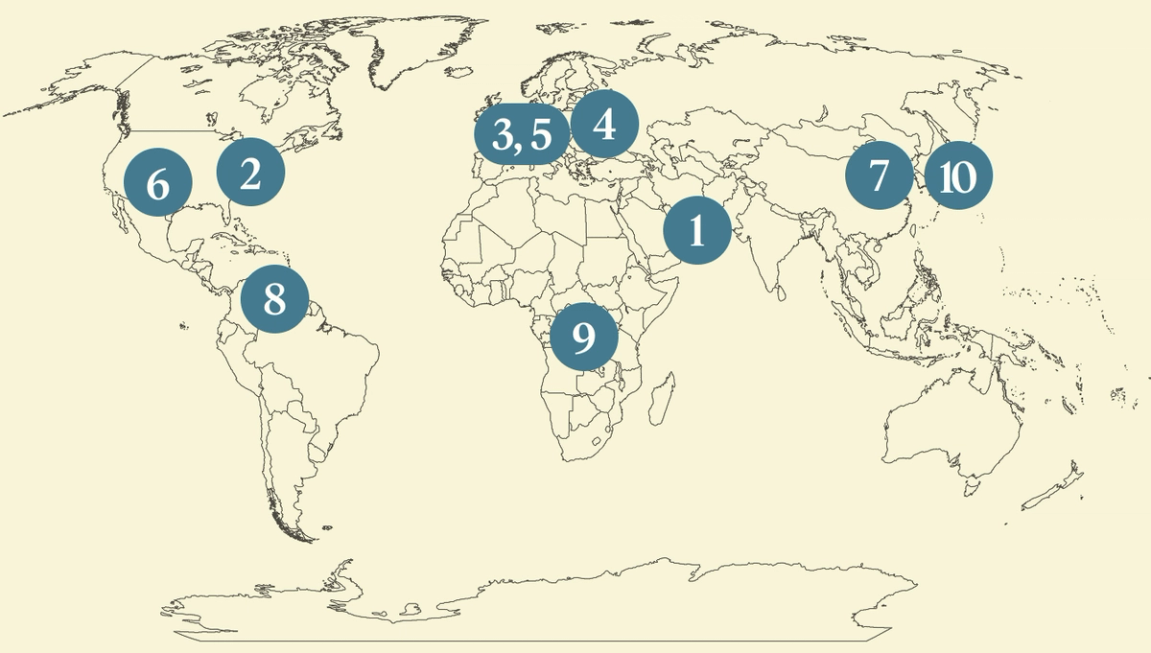 - Caution over US-Iran deal
- G7 summit’s AI worries
- France faces US challenge
- Russia’s new aerial barrage
- Europe’s defense boom
- US green power surges
- China’s gig-worker struggle
- Venezuela drug boss killed
- False claims drive Ebola
- Landmark human gene trial
 A book by the late, great British painter David Hockney on how the Renaissance masters may have achieved their startling realist paintings. |
|
 Amirhosein Khorgooi/ISNA/WANA via Reuters Amirhosein Khorgooi/ISNA/WANA via ReutersStock markets surged and oil prices plummeted after Washington and Tehran reached a deal to reopen the Strait of Hormuz, though analysts voiced caution over the agreement’s prospects. US President Donald Trump said ships could traverse the waterway within days and would not be charged a toll, but a Senate ally warned that “Iran’s view of the agreement seems different.” Commerzbank’s chief economist said in a note to clients that he anticipated “occasional setbacks,” while a prominent DC expert described the agreement as “perhaps, the end of the beginning.” An executive told the Financial Times he was “pessimistic” about the prospects for any deal, with the outlet noting that clearing the strait’s oil-and-gas backlog could take weeks. |
|
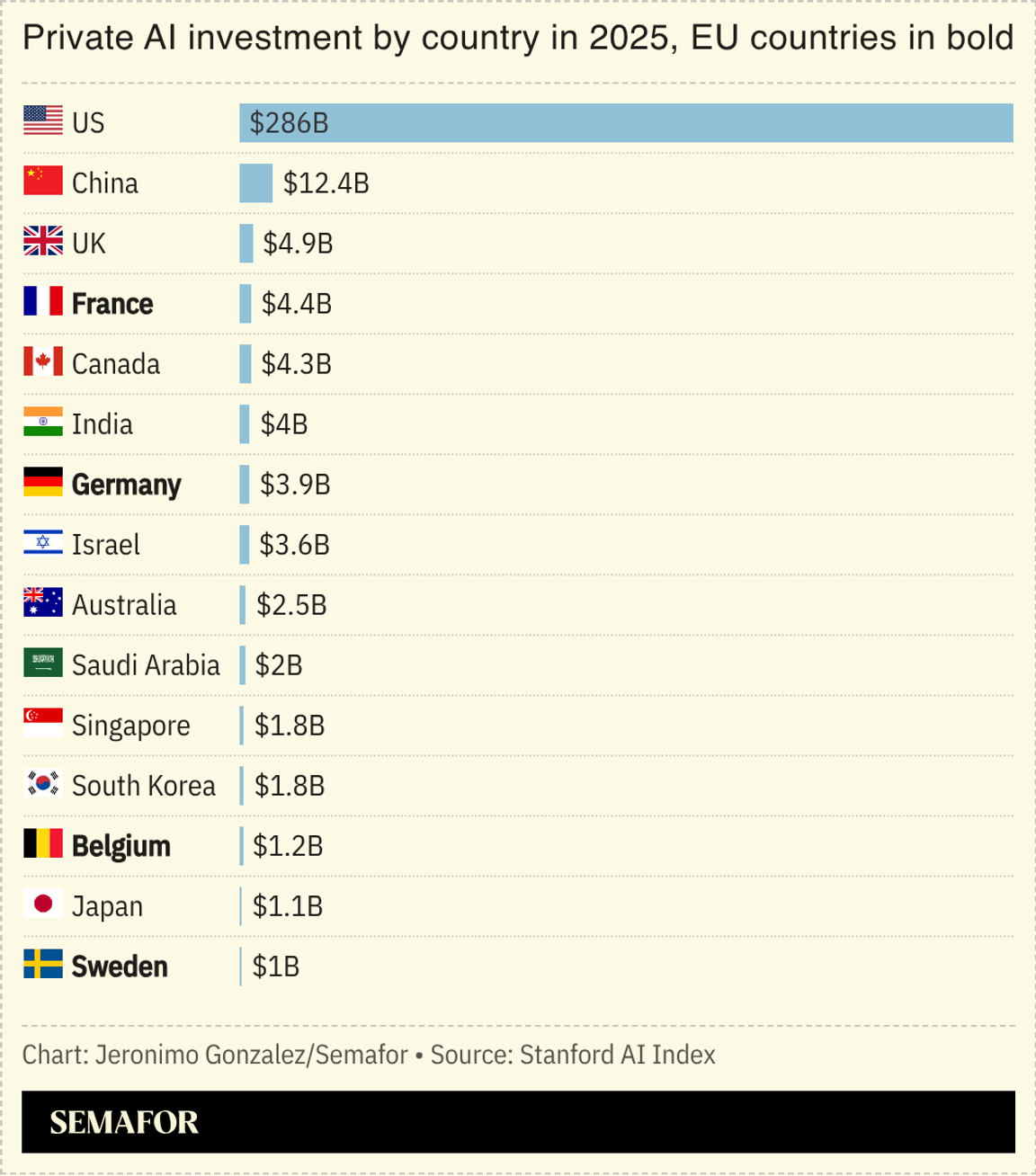 The White House’s decision to block foreigners’ access to Anthropic’s cutting-edge AI model looks set to dominate a G7 summit that opens today in France. The sudden move sparked alarm among Western allies: The EU said the decision underlined the bloc’s need for “technological sovereignty,” while Canada’s leader argued it showcased the risk of relying on a small cluster of powerful US tech firms. Such so-called middle powers have largely trailed in the AI race behind the US and China, with American efforts in particular dwarfing those of transatlantic rivals: France’s leading AI firm, Mistral, is reportedly in talks to raise funding at a valuation of about $23 billion — roughly 40 times smaller than Anthropic’s estimated valuation. |
|
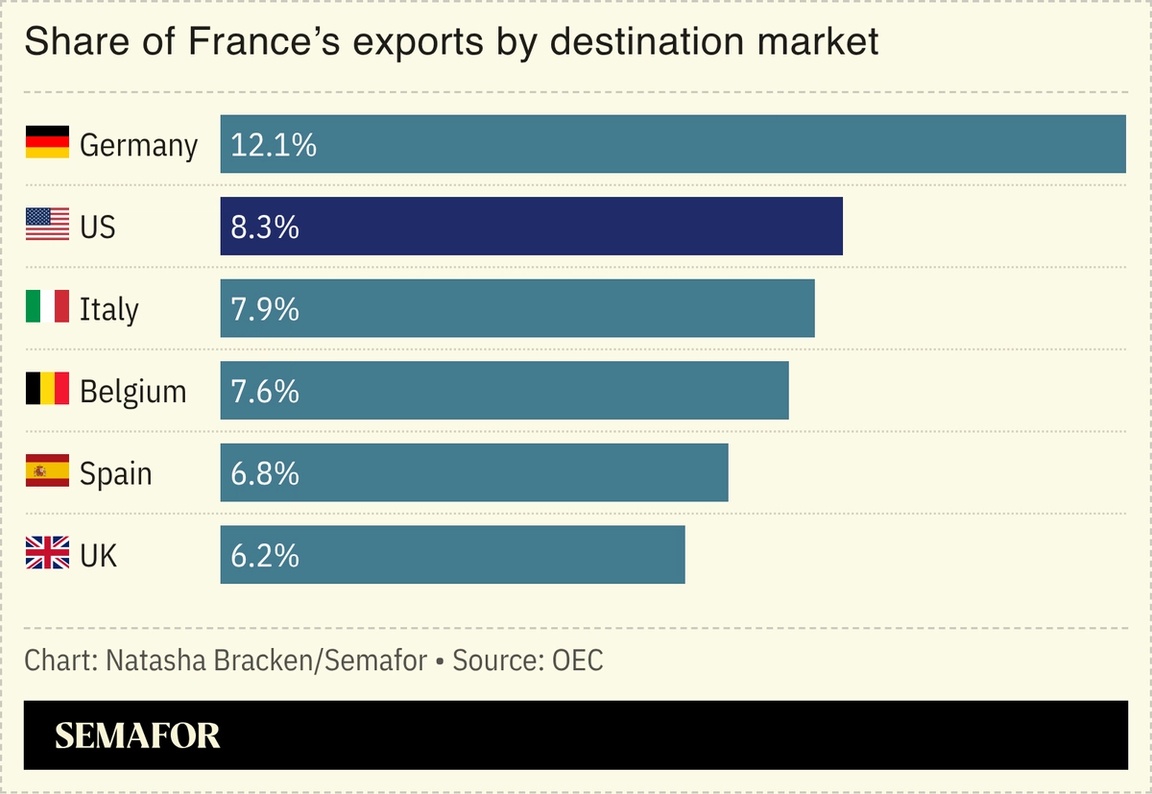 US President Donald Trump threatened to reopen a trade row with Europe over Big Tech regulations, casting a pall over transatlantic ties ahead of a G7 summit that was already set to be tense. Trump demanded France remove a digital tax on US tech firms or face 100% tariffs on French wines, a dispute that would draw in the EU writ large because Brussels sets bloc-wide trade policy. The remarks suggest the summit’s host, French President Emmanuel Macron, will struggle to repair his “bruised bromance” with the US leader. In any case, Trump has few friends in Paris these days: The French far right’s presidential candidate rejected a potential Trump endorsement, calling him “extremely unsteady” in a Politico interview. |
|
 Ukrainian Presidential Press Service/Handout via Reuters Ukrainian Presidential Press Service/Handout via ReutersRussia fired another huge aerial barrage at Ukraine, killing at least 10 people, while Kyiv intensified its drone campaign against Moscow-controlled territory, underscoring the broad shift in their war from ground-based combat to the skies. Analysts noted that Russia had recently begun increasing its manufacture and use of aerial weapons, while Ukraine is appealing for replenishment of its dwindling stores of Patriot interceptors to protect its airspace. Kyiv, meanwhile, is fighting an intense drone campaign focused on cutting off Russian access to Crimea, aiming to limit the Kremlin’s supply lines for battles elsewhere and potentially forcing Moscow to make “some very hard choices,” a Kyiv-based analyst told the Financial Times. |
|
Europe divided on military spend |
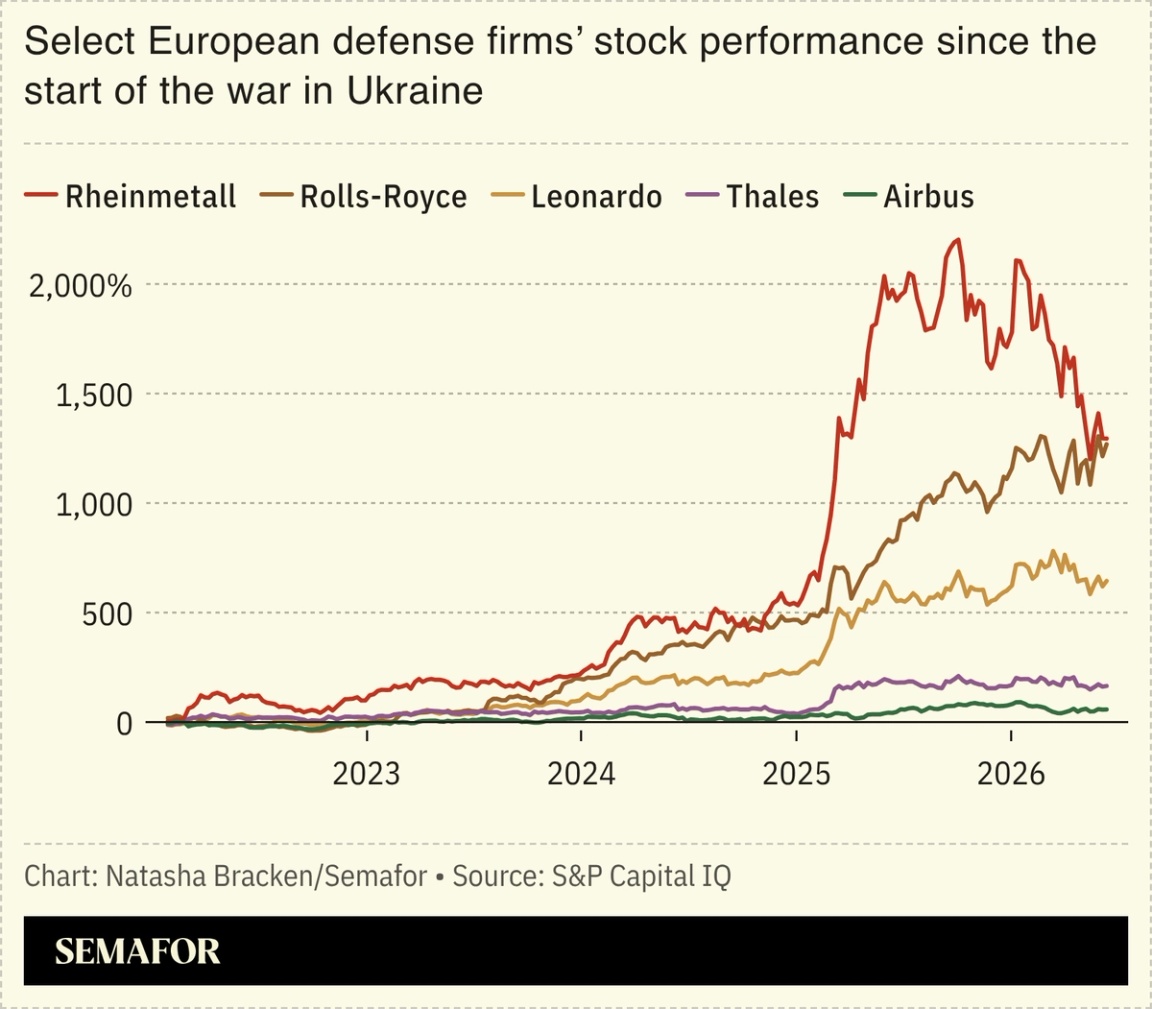 European countries’ efforts to rebuild their militaries are roiling politics across the continent. The rearming underway is driving investments and the creation of new jobs in some places — and resentment among locals over inequality and unfulfilled promises in others, The Wall Street Journal reported. France is undergoing a “paradigm shift” as a defense sector previously regarded as morally dubious is now lauded. Elsewhere, Britain’s beleaguered prime minister faces pressure to follow through on promises to ramp up spending after the resignation of two ministers. European countries likely need to move urgently: The US is considering pulling a third of the fighter jets it provides NATO, according to The New York Times. |
|
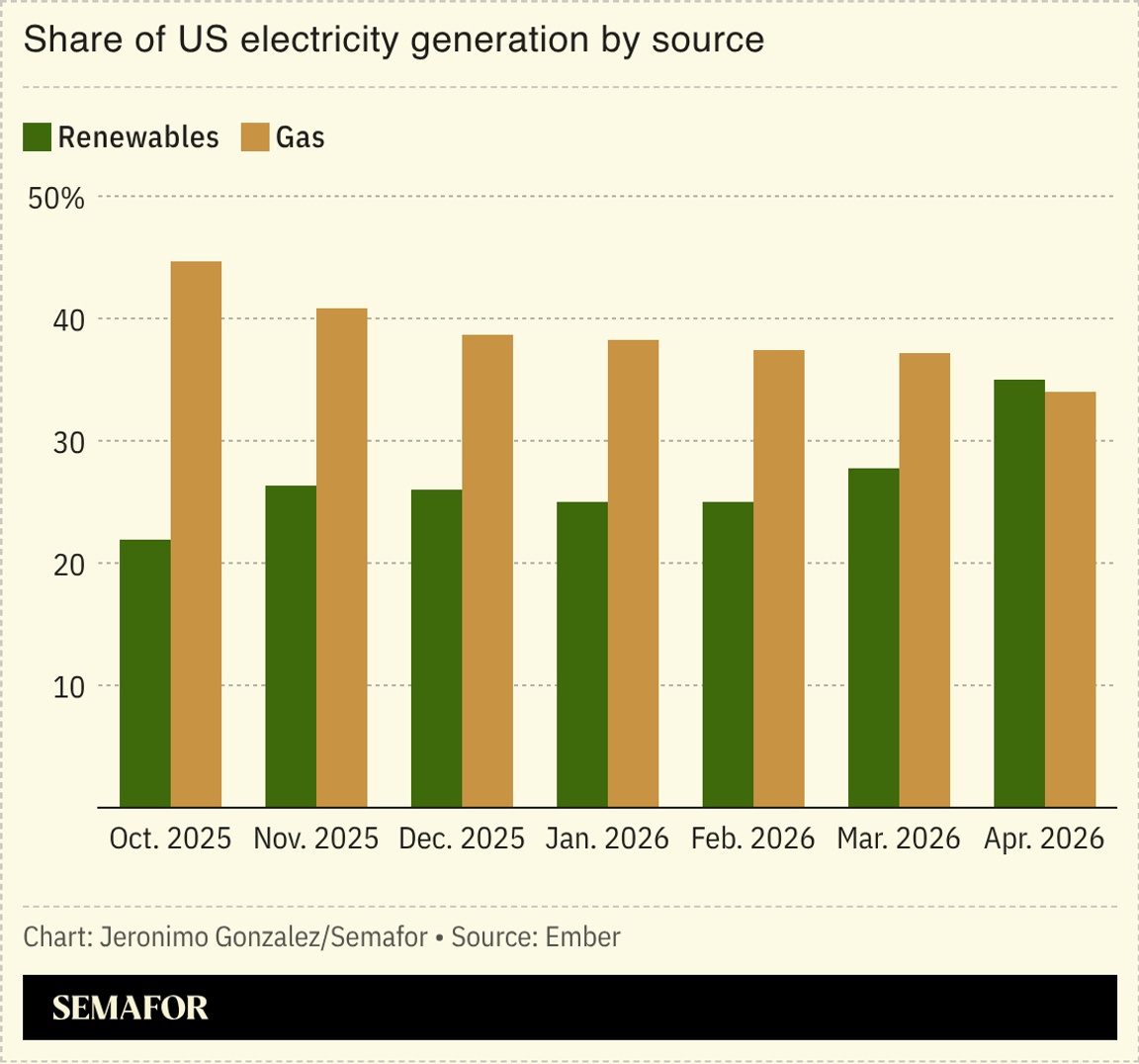 The biggest wind farm in the US began commercial operations, highlighting the country’s rapid rollout of green energy despite the Trump administration’s hostility to the industry. The SunZia Wind Project in New Mexico will, at capacity, generate 3.65 gigawatts of electricity, enough to supply around a million homes, after decades of planning delays and opposition from Washington. Authorities had imposed a “total halt” on wind development, but soaring fossil fuel prices sparked by the Iran war, as well as surging electricity demand to power AI data centers, have boosted the green energy sector in the US: This year, renewables provided more electricity than gas over the course of a month for the first time. |
|
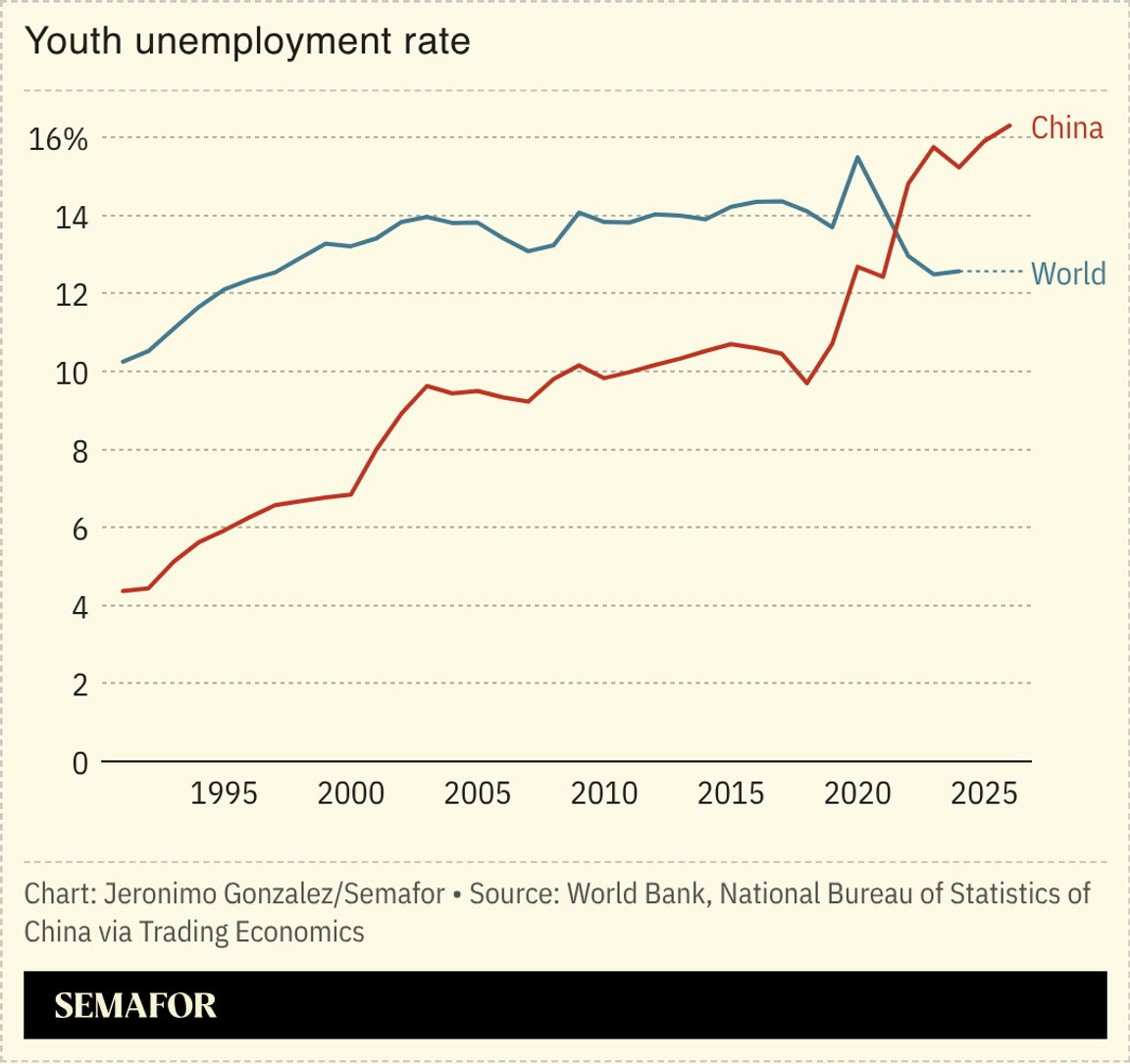 China’s gig economy has absorbed many of the country’s millions of unemployed people, though experts questioned its capacity to take in new workers. More than 200 million people are flexibly employed in the world’s second-largest economy, but AI has made many of those jobs precarious, threatening economic stability, the South China Morning Post reported. Meanwhile, cooling growth in the gig economy is widening a divide within the blue-collar labor market, with the number of ride-hailing drivers, truck drivers, and livestreamers declining, Caixin said. Experts fear slowing economic growth — Beijing set its 2026 growth target at 4.5-5%, the lowest in decades — could stoke persistently high youth unemployment rates. “The employment situation is severe,” an expert at Zhejiang University said. |
|
Venezuela mob boss killed |
 Donald Trump via Truth Social/Handout via Reuters Donald Trump via Truth Social/Handout via ReutersPresident Donald Trump said US forces killed the leader of Venezuela’s Tren de Aragua cartel, raising fears in Latin America that other mob bosses could be targeted in similar strikes. The US says its campaign against Tren de Aragua, which it had designated a terrorist organization, is part of efforts to revitalize Venezuela after the ousting of the country’s president in January, though many there say the benefits of Washington’s de facto custodianship have yet to be realized. While Trump argues that Venezuelans are “dancing in the streets” over the US takeover, “here in Venezuela, we have to tell [him] that nobody is happy,” a trade union official told the Financial Times. |
|
 Gradel Muyisa Mumbere/Reuters Gradel Muyisa Mumbere/ReutersHealth workers in the Democratic Republic of Congo said misinformation regarding the Ebola virus was hindering efforts to contain the outbreak, as official cases approached 1,000. False claims about the virus, including that the epidemic was a hoax, have proliferated across the Central African nation, accelerating the spread of the disease in overcrowded displacement camps where hundreds of people often share a toilet, Reuters reported. Meanwhile the World Health Organization said there were many “blind spots” in high-risk areas of the outbreak, suggesting official statistics could reflect a huge undercount. Despite the concerns, officials voiced hope that a vaccine may be ready for clinical trials within a couple of months. |
|
|