|
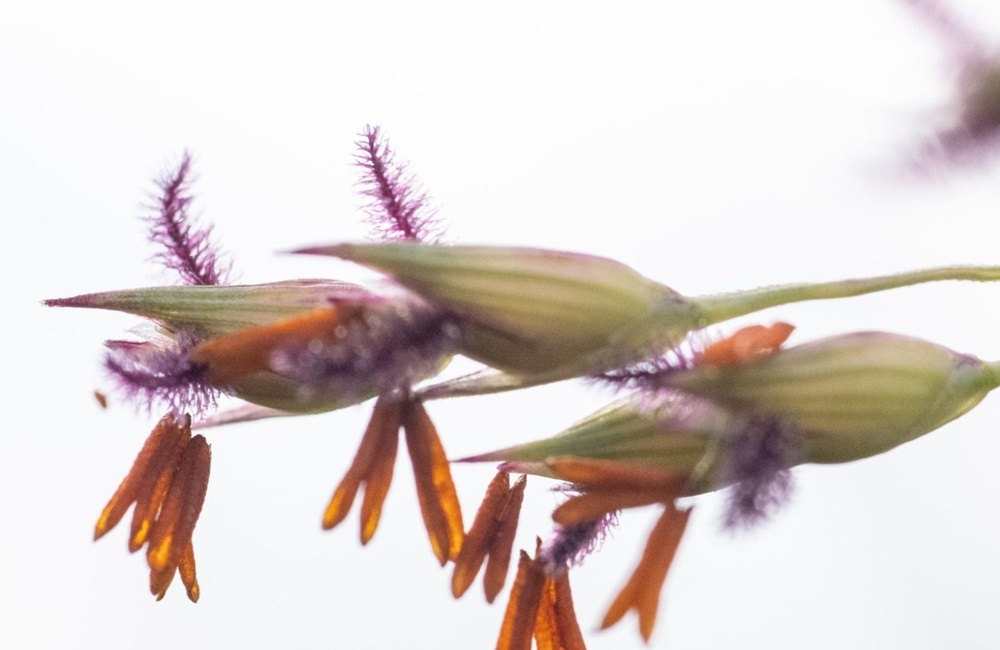
Panicum virgatum L., commonly known as switchgrass, observed in United States of America. (Photo by Carol Chen)
Combining Citizen Science and AI to Better Understand Agriculture
Citizen science is a practical way for professional researchers to gather real-world data from multiple regions and time periods through the help of private citizens. Now, with AI technology available, large quantities of data from citizens can be readily used by ARS researchers to find solutions for agricultural issues.
In a recent study published in Cell, ARS researchers and university collaborators developed a computer vision AI system named Flowering Labeler for Open-source Research-grade Images via Self-supervised Transformer (FLORIST) to screen large numbers of grass photos taken by citizen scientists. The researchers specifically studied switchgrass, one of the four major warm-season perennial grasses of the North American prairie. They were able to analyze its flowering patterns in real-world conditions to better understand the mechanisms of adaptation. They compared their findings from FLORIST to their findings from designed common garden experiments. Learn more...
|