A renovated Paris pad, interior designer Sophie Ashby and a monograph about staying grounded.
|
Wednesday 17/6/26
|

|
|
London
Paris
Zürich
Milan
Bangkok
Tokyo
Toronto
|
|
|
|

Driving force
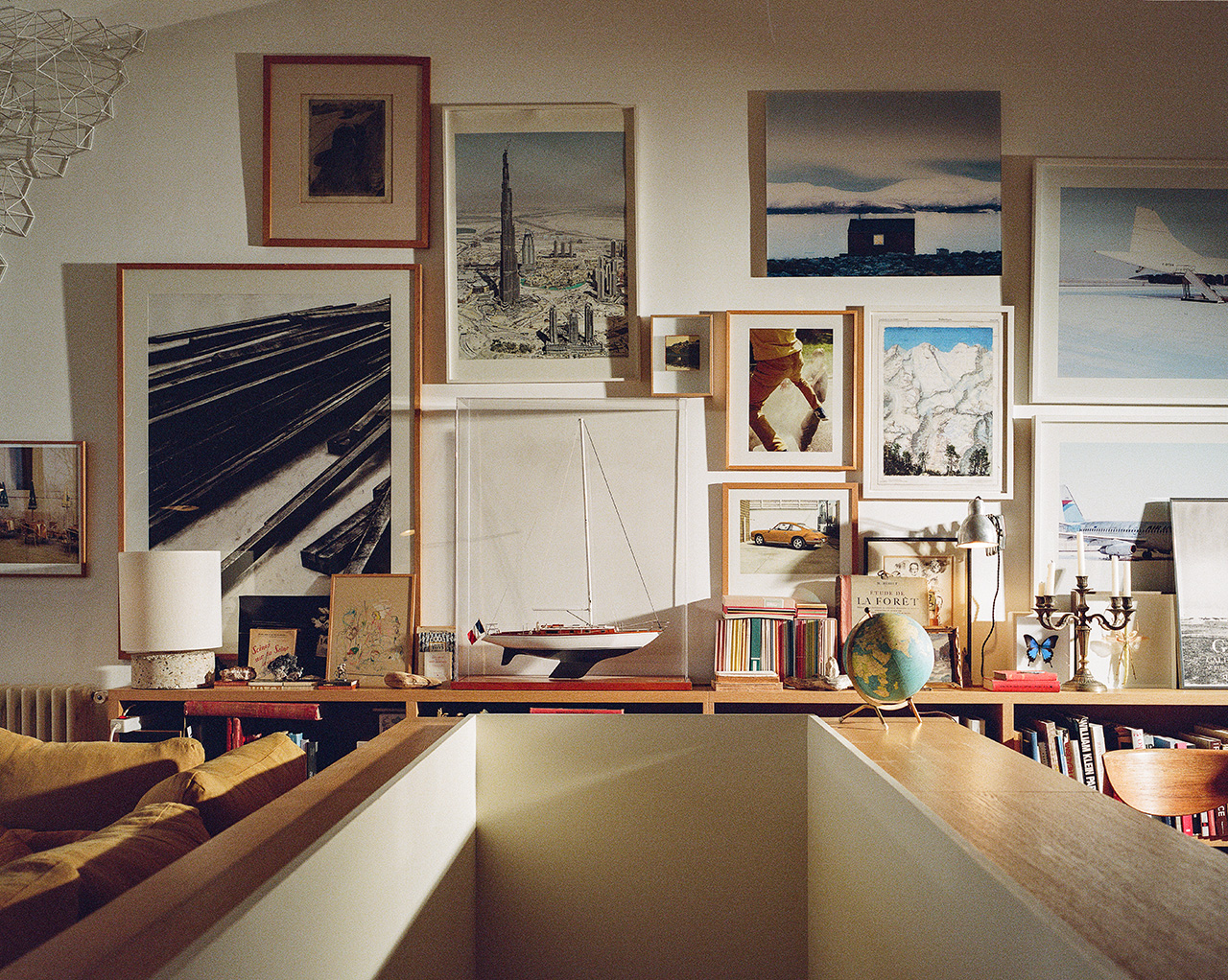
This week’s dispatch starts high above Paris, in the renovated residence of Saint-Lazare founder, Antoine Ricardou (pictured). Then: interior designer Sophie Ashby tells us why Milan never gets old, we throw back to the modernist lamp that shows its working and peruse South Korean architect Byoung Cho’s monograph about staying grounded. Putting us into gear is Gregory Scruggs.
|
|
OPINION: Gregory Scruggs
Licence to thrill
Design is meant to be lived with. That seems to be a core tenet of almost every maker and creative working with high-end brands today. The nicks and knocks that come with everyday use – whether the item in question is a dining chair, a sofa or an elegant timepiece – are now apparently to be embraced. But would you be brave enough to put an object through its paces if you had paid more than €60,000 for it? That’s a question that owners of the new Ford Bronco will be asking themselves.
The Detroit-based automaker recently unveiled the first luxury version of the Bronco – the US’s answer to the Range Rover or Suzuki’s Jimny – at a lavish launch event at a Cascade Mountains resort, in collaboration with Seattle-based outdoor brand Filson. As fly fishermen cast lines in the background, Paul Wraith, Ford’s global design director for SUVs, insisted that the model should be driven to its full, off-road potential. “This is a vehicle that you should feel confident about using out in the world,” he told The Monocle Minute on Design. “It’s premium but not precious.”

|
It’s an outlook that chimes with the Bronco’s heritage. When it was launched in 1966, it was marketed as a car combining the toughness of military vehicles with the steadiness and ease of a reliable consumer vehicle. It was a hit. Despite its pioneering status, however, the model was discontinued in 1996. When Ford revived it in 2021, the company faced a far more crowded marketplace.
So what could Ford do to make the Bronco stand out? Wraith told me that Filson featured heavily on his team’s mood boards during the vehicle’s design process. A cold call to the heritage outdoors brand yielded a surprising confession: it turned out that the Bronco appeared on the mood boards of Filson’s designers.
The resulting collaboration is as beautiful on the inside as it is on the outside, with quilted leather, ventilated seats and brass accents that resemble the fastenings on a classic Filson work jacket. It recalls Ford’s successful partnership in the 1980s and 1990s with Eddie Bauer, another outdoor-clothing brand. Filson, however, has a more luxury focus, with fewer than two dozen shops and recent openings in Milan and Cortina d’Ampezzo.
The outfitter also designed the saddlebags tucked into the car’s boot and door pockets. One admirer during the launch deemed them the perfect tackle boxes, which made me wonder whether I would be willing to muck up such a high-end vehicle. Nearby, photographer and brand ambassador Caziah Franklin stood next to his 2024 Bronco, which he had just driven from Tennessee to Washington state. It was so thoroughly caked in dirt that it might as well have been camouflaged.
For a certain kind of consumer, a dirty vehicle is a status symbol. It’s proof that the owner has not just the income but also the leisure to unplug and head somewhere off road. Perhaps it’s time to hop in the driver’s seat, turn on the Bronco’s Goes Over Any Type of Terrain feature and charge through some mud.
Gregory Scruggs is Monocle’s Seattle correspondent. For more design news and analysis, subscribe to Monocle today.
|
|
the project: Ricardou Residence, France
Lofty ambitions
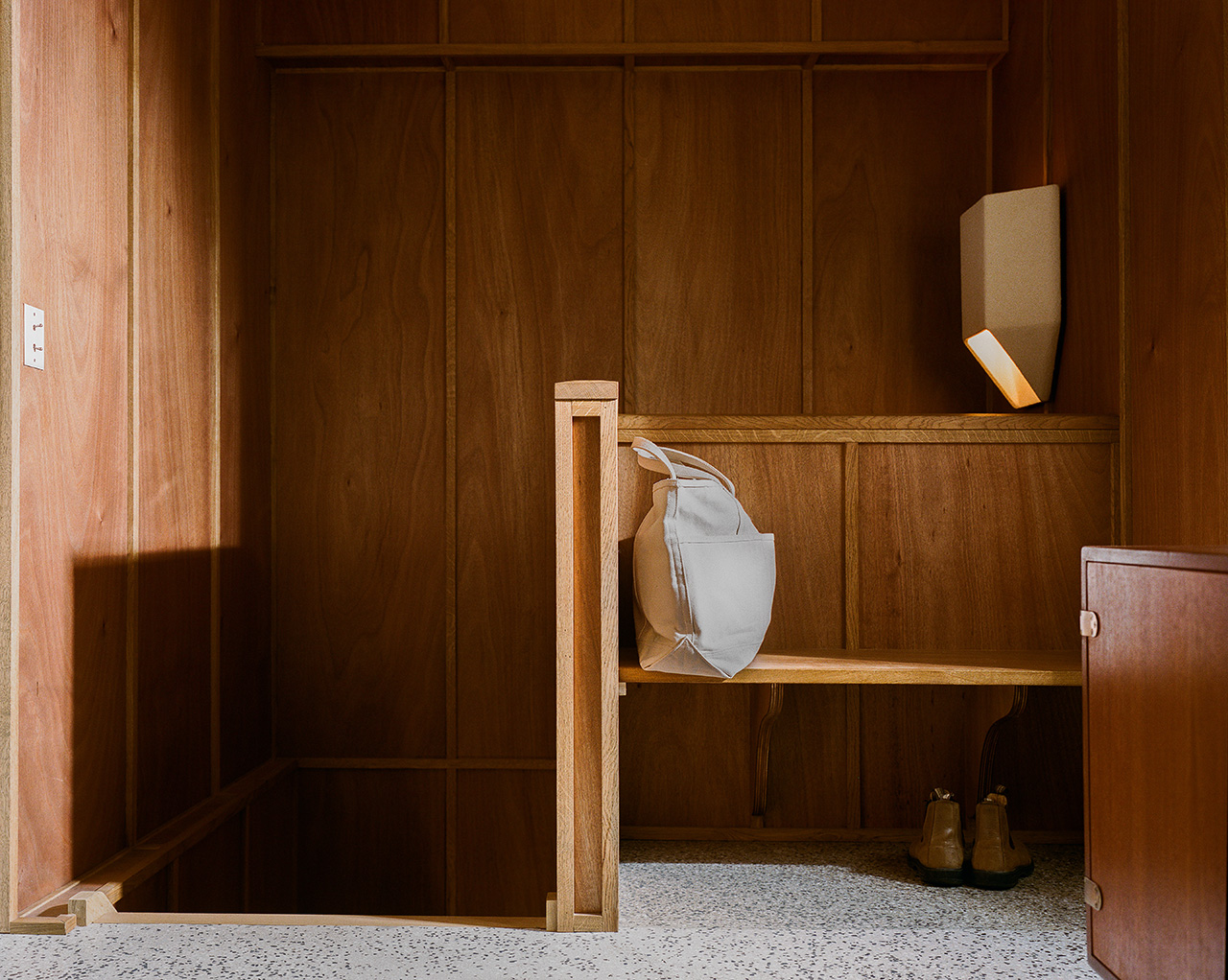
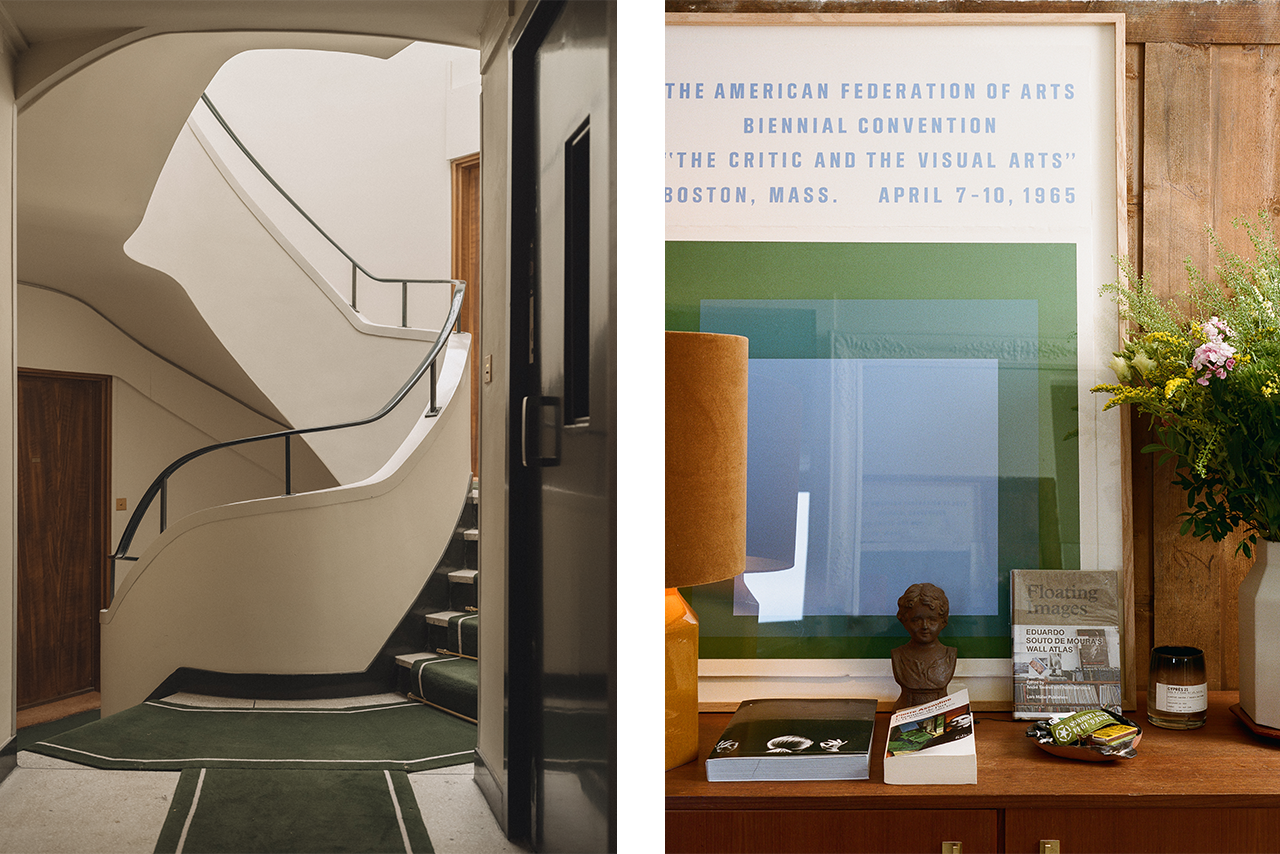
“I need to be in the sky,” says Antoine Ricardou, co-founder of Saint-Lazare, a Paris design studio that has worked with brands such as Cartier and the Centre Pompidou. In the open-plan kitchen and lounge on the top floor of his three-storey Montmartre apartment, you feel as though you’re floating above the city. “I see it as a lighthouse,” says the architect and designer. “There’s a beautiful phrase in France for this kind of place: nid d’aigle – the eagle’s nest.” Though located in a quintessential Paris neighbourhood, the apartment is unlike much of the rest of the city, sitting in a building constructed after the Second World War. Little money was available at the time so its design had to be more about function than form: no ornamental façades and wrought-iron balconies. It means that the entrance and stairwell look like something that you might find in Milan: terrazzo floors, plywood walls and a spiral staircase that winds up four floors.
|
|
It’s an approach that Ricardou has paid tribute to in his renovation of the apartment, which was once two separate residences. The main bedroom, for instance, is pared back and homely. Its bathroom, with terrazzo floors, marble-tiled walls and windows that look out onto Paris, is completed by a porcelain bathtub, which doubles as a shower and is now dressed with heavy, dark mustard curtains that can be drawn during the colder months. “If I were the architect of this building in the 1950s, I would have done the bathroom like this,” says Ricardou. The top-floor living space has a loft-like feel, with a pitched white ceiling, exposed beams and windows flanking both sides. On the terrace, your gaze falls onto the Basilique du Sacré-Coeur, which is so close that you can almost touch it. “It feels very poetic when you hear the bell,” he says.
For more on Antoine Ricardou’s residence, including how the apartment’s transformation fits into a multigenerational family story, pick up a copy of Monocle’s July/August issue, on newsstands tomorrow or at monocle.com/shop.
|
|
WORDS WITH... Sophie Ashby, UK
Something in the air
Sophie Ashby, who grew up between South Africa and the UK, is the founder and creative director of interior-design firm Studio Ashby, which has offices in London and Cape Town. With projects spanning heritage buildings in west London, residences in New York and Hong Kong, and hotels in countries from South Africa to Spain, Ashby brings warmth and an eclectic sensibility to every space that she works on. Here, she shares her Milan address book and tells us about a recent project combining scent with sculpture.

|
Which design movement has influenced you most?
Early modernism – particularly the work of Carlo Scarpa, Lina Bo Bardi, Alvar Aalto and Josef Frank. It all feels timeless, thoughtful and deeply human.
The sky’s the limit – which piece of furniture would you buy?
It would have to be a Carlo Bugatti table from Milan-based design gallery Nilufar. It’s such a beautifully intricate, exotic piece.
A recurring source of inspiration?
Travel, art galleries, museums, nature, old hotels and quietly beautiful spaces. I’m forever inspired by places with a strong sense of history and old magic.
A favourite project that you have worked on?
Our collaboration with self-care brand Reia, launched earlier this month. It’s a special project for Sister by Studio Ashby, our homeware and lifestyle brand. With Reia’s co-founders Celia Foot and Sophie Salisbury, we created the Serra Talisman: a sculptural, tactile ceramic vessel, paired with a bespoke aromatherapeutic scent, designed to transform the art and ritual of scenting the home. Think of it as scent meets sculpture.
A dream commission?
A safari lodge in Africa. The bush is my favourite place to be and I dream of those horizons, colours and landscapes.
What’s the priority for you and the industry?
Making design more accessible and representative. Through United in Design, a charity that I co-founded with Alex Dauley, I have seen how important it is to create clearer pathways into the creative industries for young people from all backgrounds.
Which city has the best design scene? And where should we visit?
Milan during Salone del Mobile. It’s worth going to again and again. I love seeing all those historic homes opened up across the city, from Villa Borsani and the Fornasetti house to Villa Necchi Campiglio and Osanna Visconti’s apartment. Nilufar Depot, Dimorestudio and Alcova are always highlights. We were lucky enough to showcase our work at the latter this year.
For more from designers such as Sophie Ashby, tune in to ‘Monocle on Design’ on Monocle Radio.
|
|
from the archive: Sphère Éclatée N. 4, France
Something in the air
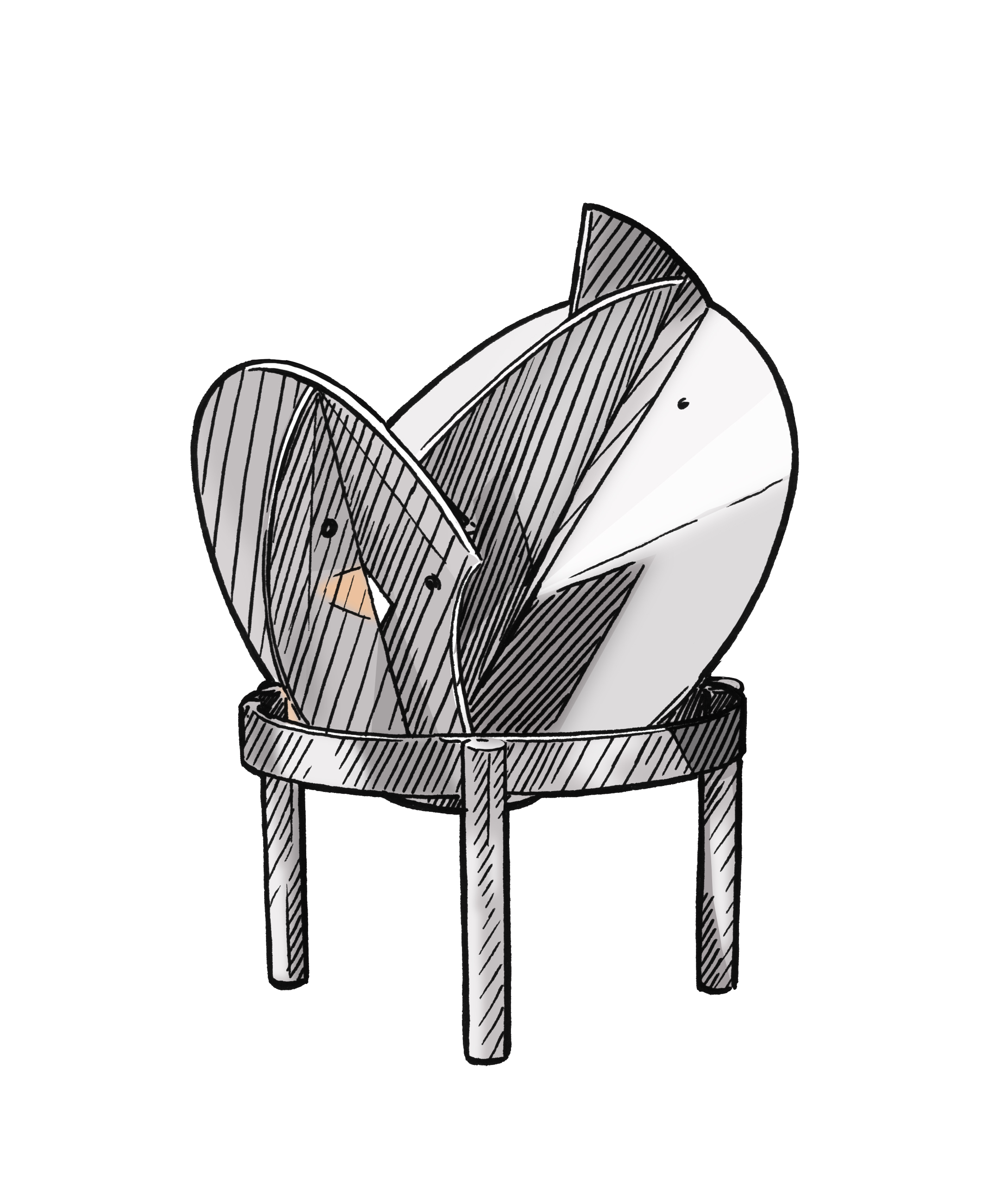
In the 1920s master glass-maker Jacques Le Chevallier and engineer René Koechlin began moonlighting as creators of lamps. The pair collaborated on a small number of modernist lights, often using raw aluminium to construct their works. Many featured visible screws and exposed technical components, and became coveted by up-and-coming French architects.
The Sphère Éclatée N. 4 – or “Shattered Sphere No 4” – is a desk light that rests on a three-legged base. Made from aluminium sheets, it features a visible bulb and a window cut-out that allows the user to adjust the amount of light that is emitted. The piece, which resembles a three-dimensional version of a painting by Soviet constructivist El Lissitzky, still feels contemporary a century after it was made. Le Chevallier and Koechlin’s hobby was time well spent. When Christie’s last put a Sphère Éclatée N. 4 lamp up for auction in 2011, it sold for €61,000.
|
|
IN THE PICTURE: ‘Earth Works: Houses by Byoung Cho’, South Korea
Proving ground
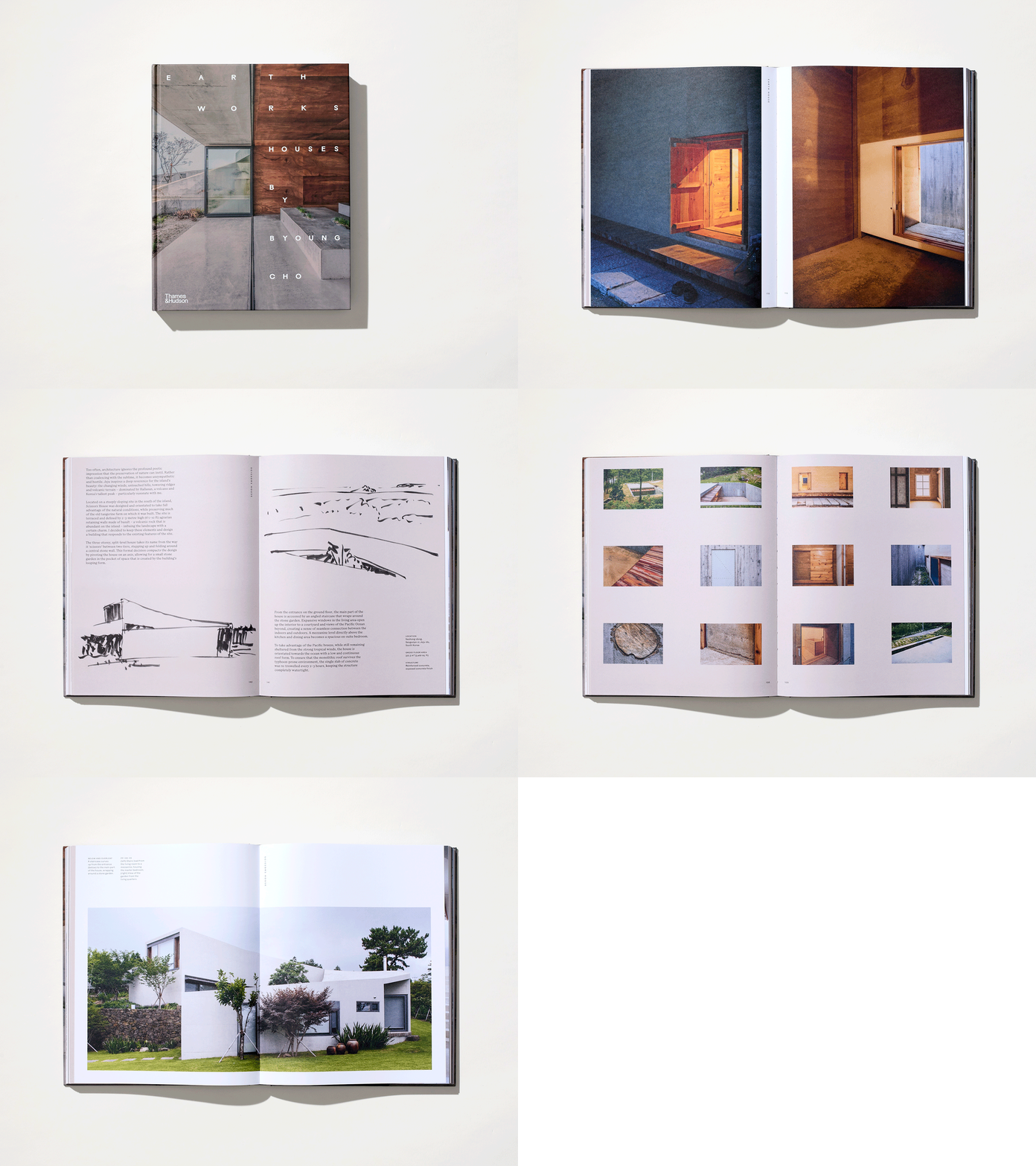
New monograph Earth Works: Houses by Byoung Cho begins with a memory from the South Korean architect’s childhood: a cavity of excavated earth in which a coffin was about to be placed. Cho recalls how the red of the soil contrasted with the blue of the sky. The sight left a lasting impression on Cho, causing him to reflect on how humans are intrinsically linked to the earth.
This fascination with the ground beneath our feet has frequently informed his work, as the 15 projects documented here make clear. Connected by a concept that he calls “earth works”, these buildings are conceived to be in harmony with their surroundings, blending traditional Korean architecture with contemporary Western styles. Whether it’s showcasing a furniture gallery in Seoul’s Hyoja-dong area or a quiet guesthouse overlooking the coast of Geoje-si, this reflective book, published by Thames & Hudson, digs into the legacy of one of South Korea’s most respected contemporary architects.
thamesandhudson.com
|
|
Image credits:
Alex Cretey Systermans, Tim Kemple, Arthur Comely, Tony Hay
| | |