June 19, 2026

Image

Better health begins with ideas


Editors’ Note

A new Kaiser Family Foundation analysis revealed a 24% drop in funding through 2029 from the United States and the Global Fund to Fight AIDS, Tuberculosis and Malaria (Global Fund) for countries with U.S. bilateral health agreements. Those cuts threaten the civil society organizations (CSOs) dependent on international donors that have spent decades providing HIV and tuberculosis services to vulnerable populations. 


To open this week’s newsletter, Program Manager Michael Elhardt and President Robert Hecht of Pharos Global Health Advisors, alongside President and CEO of Friends of the Global Fight Against AIDS, Tuberculosis and Malaria Chris Collins, explain how the United States, the Global Fund, and partner countries can ensure the survival of CSOs amid the rollback in donor funding. 


Also on adapting to shocks, the World Bank found that more than one-third of households in Indonesia reported eating less than usual because of lack of money or resources following COVID-19 and climate-related disruptions. UN University Policy Research Fellow Ronald Tundang explains that, to build a resilient food system, Indonesia should promote diverse, healthy diets that are affordable and protected from commercial pressures. 

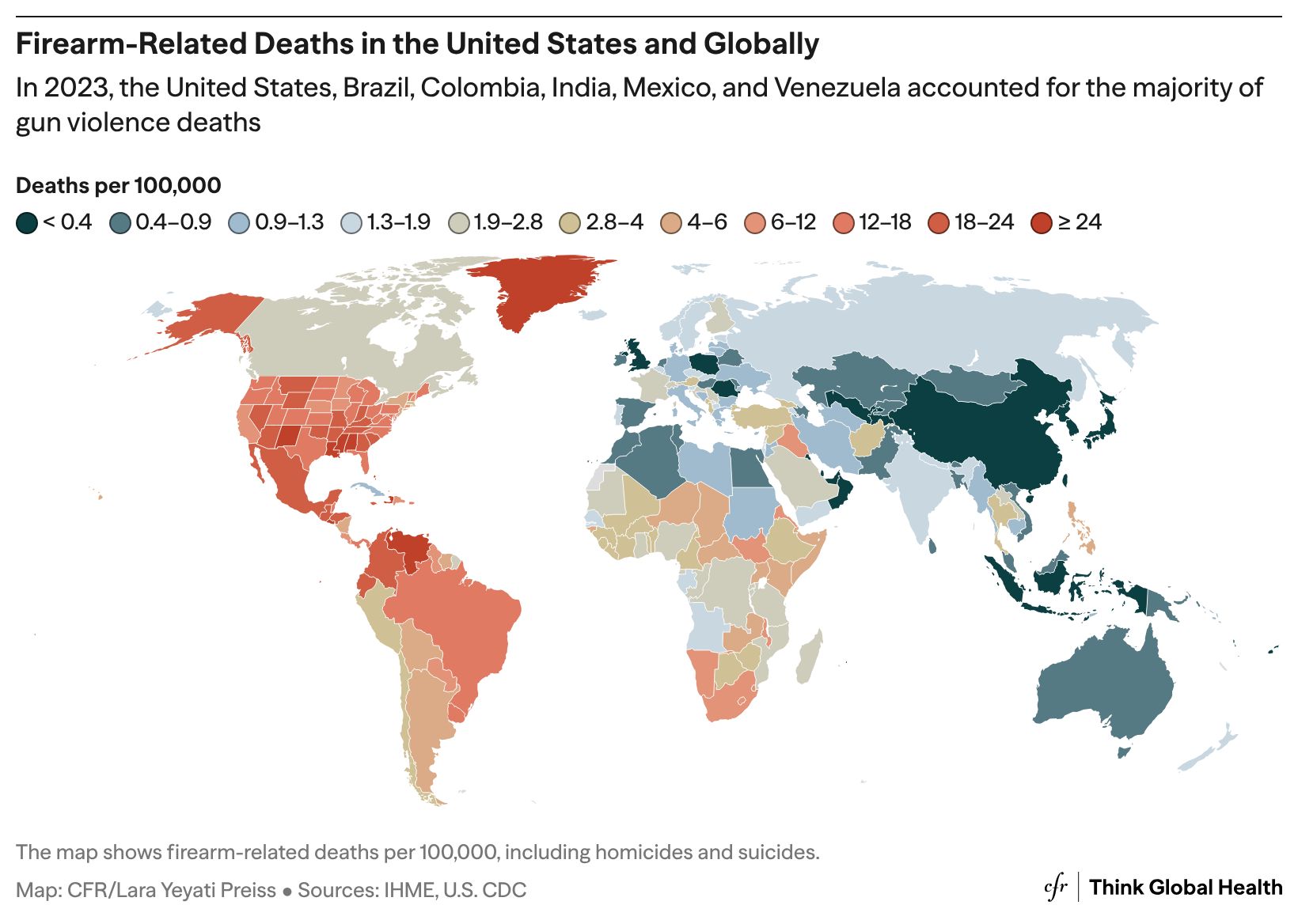
To close, Medical College of Wisconsin Professor Stephen Hargarten, Duke University Global Health Initiative Adjunct Professor Jonathan Quick, University of Sydney Professor of Public Health Joel Negin, and Duke University student Nicholas Hoffmann urge international leaders to act on gun violence by creating global health policies that implement evidence-based measures to reduce firearm-related harms. 

Until next week!—Allison Krugman, Associate Editor, Data Visuals and Aly Martinez, Research Associate


This Week’s Highlight


GOVERNANCE

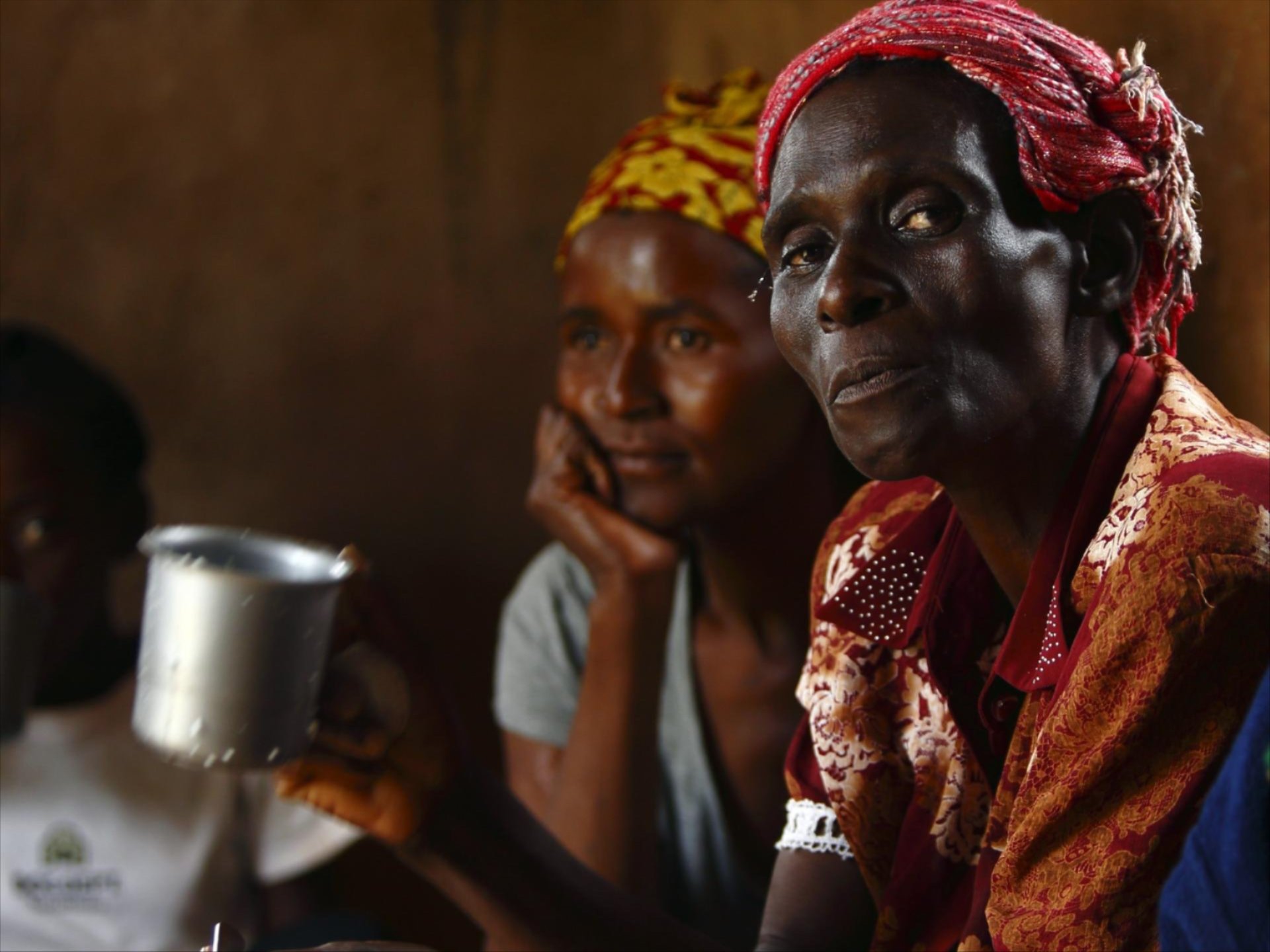
HIV-positive members of a self-help group meet with a caregiver in the village of Michelo, Zambia, on February 23, 2015.

Securing Sustainable Funding for Civil Society Organizations  

by Michael Elhardt, Robert Hecht, and Chris Collins

The United States and Global Fund should work with partner governments to transition support for groups delivering HIV and tuberculosis services after aid cuts 


Read this story


Figure of the Week


The map shows firearm-related deaths per 100,000, including homicides and suicides.

Read this story 


Recommended Feature


FOOD

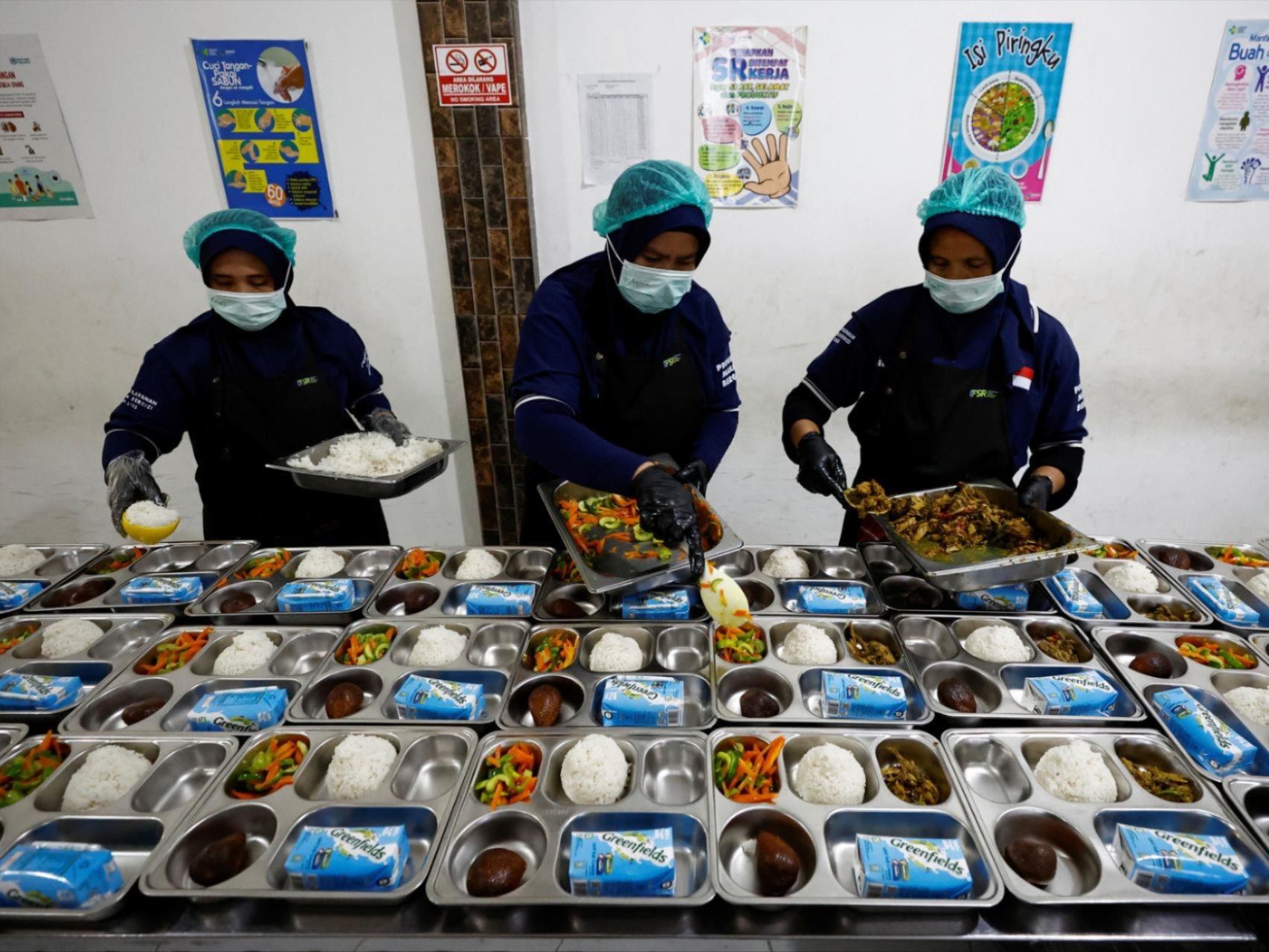
Workers prepare meals to be distributed free for students, during the free nutritious meals program trial, at a pilot kitchen in Sukabumi, West Java province, Indonesia, September 25, 2024.

How Indonesia’s Food System Can Weather Supply-Chain Shocks  

by Ronald Tundang

Promoting diverse and affordable diets will keep Indonesia healthy through natural disasters, conflict, and disease outbreaks


Read this story


What We’re Reading

Kennedy Seeks to Expedite Appeal of Ruling That Blocked His Vaccine Policies (The New York Times)


WHO Director-General is Profoundly Concerned After Visit to Ebola Outbreak Area (STAT)


RFK Jr. Orders Continued Hantavirus Quarantine of American Woman Despite CDC Advice (The Hill)

American Doctor Previously Infected With Ebola in Democratic Republic of Congo Returns to the United States (ABC News)


U.S. Screwworm Cases Rise as Outbreak Spreads Beyond Initial Contamination Zones (The Guardian)


Africa CDC: Over 28,000 Contacts of Ebola Cases Aren’t Being Tracked (Devex)


Interested in submitting?

Review our Submission Guidelines

Image
TwitterBluesky

An initiative from the Council on Foreign Relations

58 East 68th Street — New York, NY 10065

Unsubscribe

View in Browser

Manage Your CFR Email Preferences