Cutting-edge blades from Borough Kitchen, US-Iran talks and Poland-Ukraine tensions.
|
Tuesday 23/6/26
|

|
|
London
Paris
Zürich
Milan
Bangkok
Tokyo
Toronto
|
|
|
|

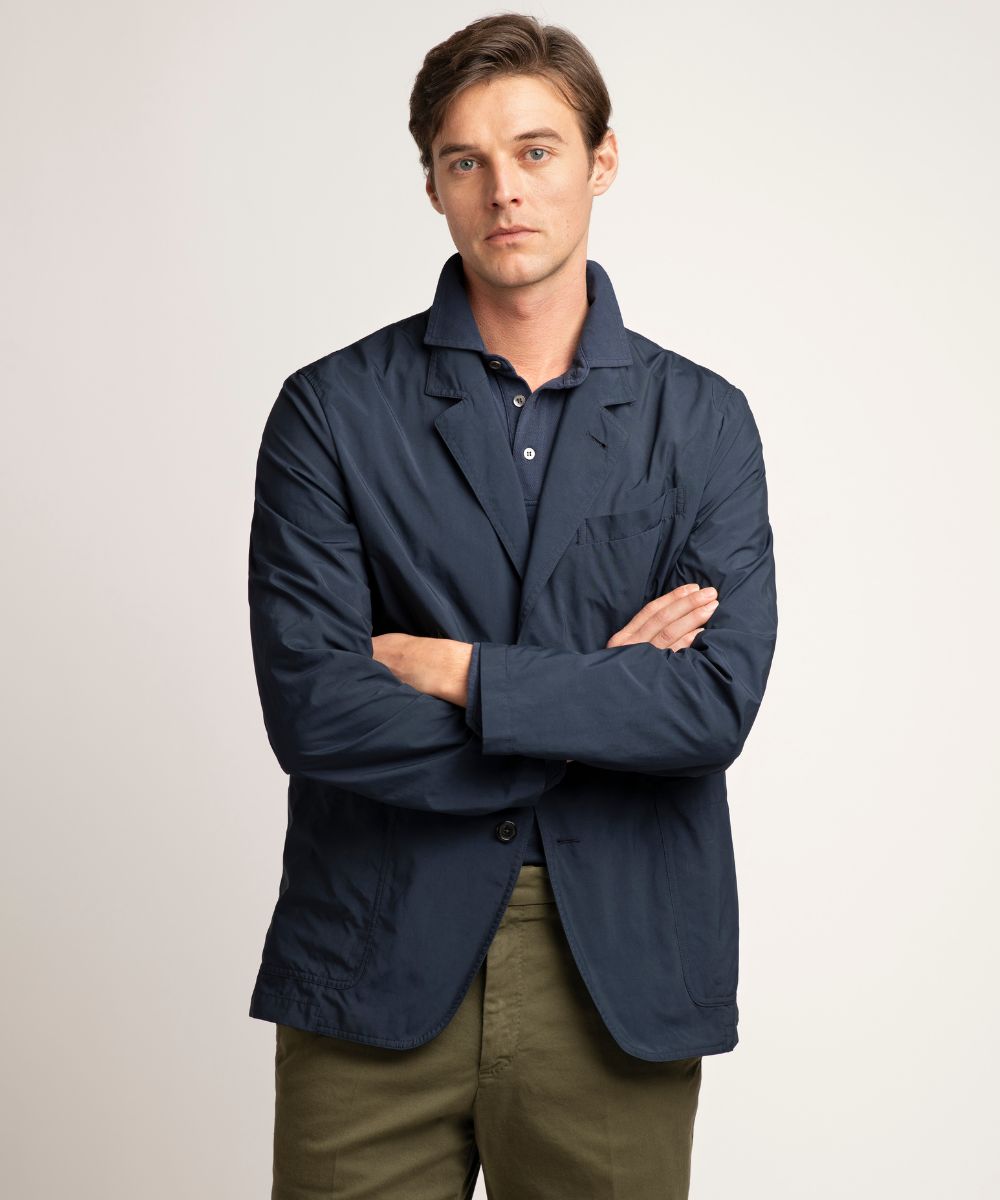
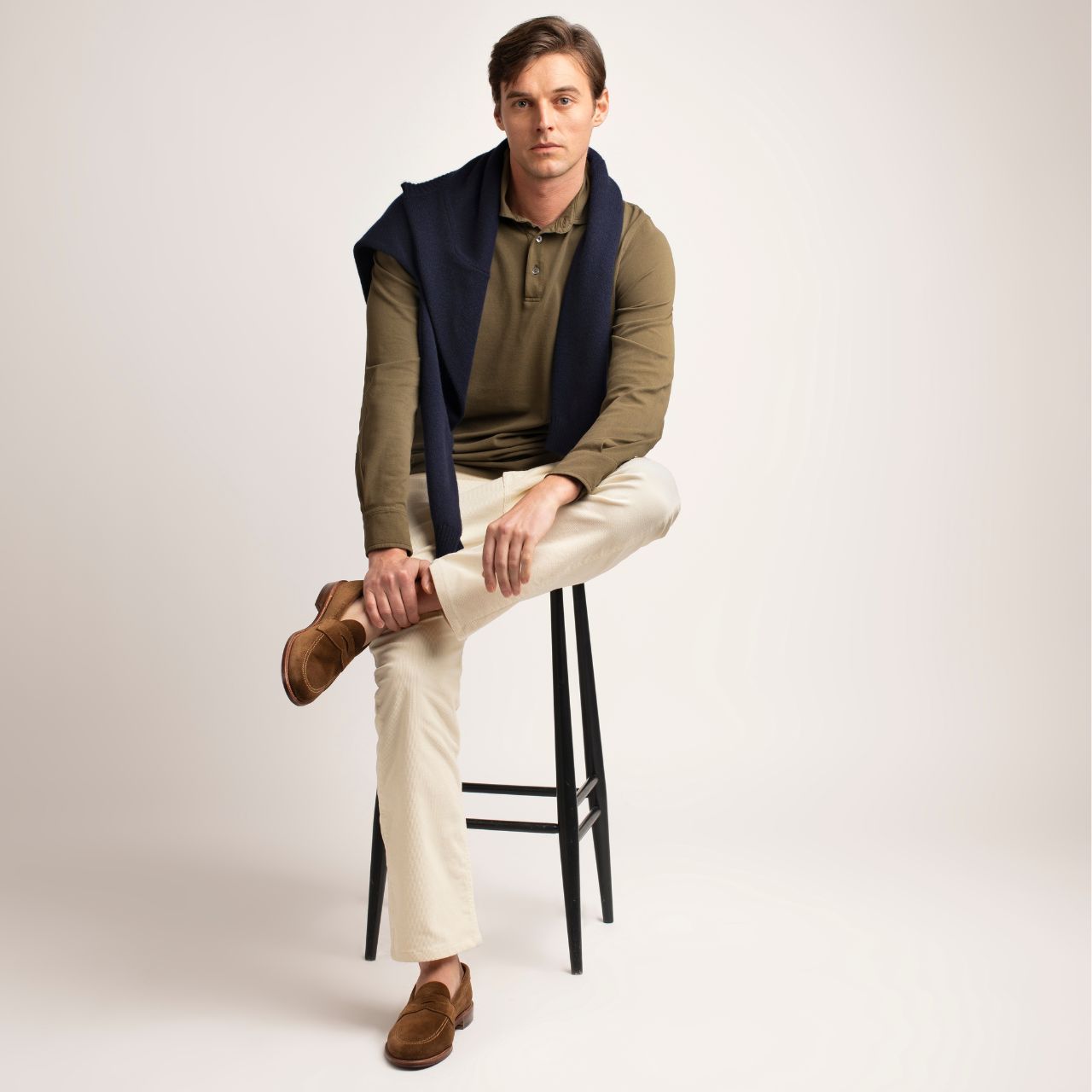
Good morning. Monocle’s European bureaux in London, Paris and Zürich are unduly warm today – how are you handling the heat? We have some wardrobe tips and urbanism solutions for keeping cool in today’s list. For more news and views, tune in to Monocle Radio. Here’s what’s coming up in today’s Minute:
THE OPINION: Will efforts to open Berlin’s Spree to swimming sink or swim?
AFFAIRS: Deals and meals at the the luxury Swiss resort hosting US-Iran talks
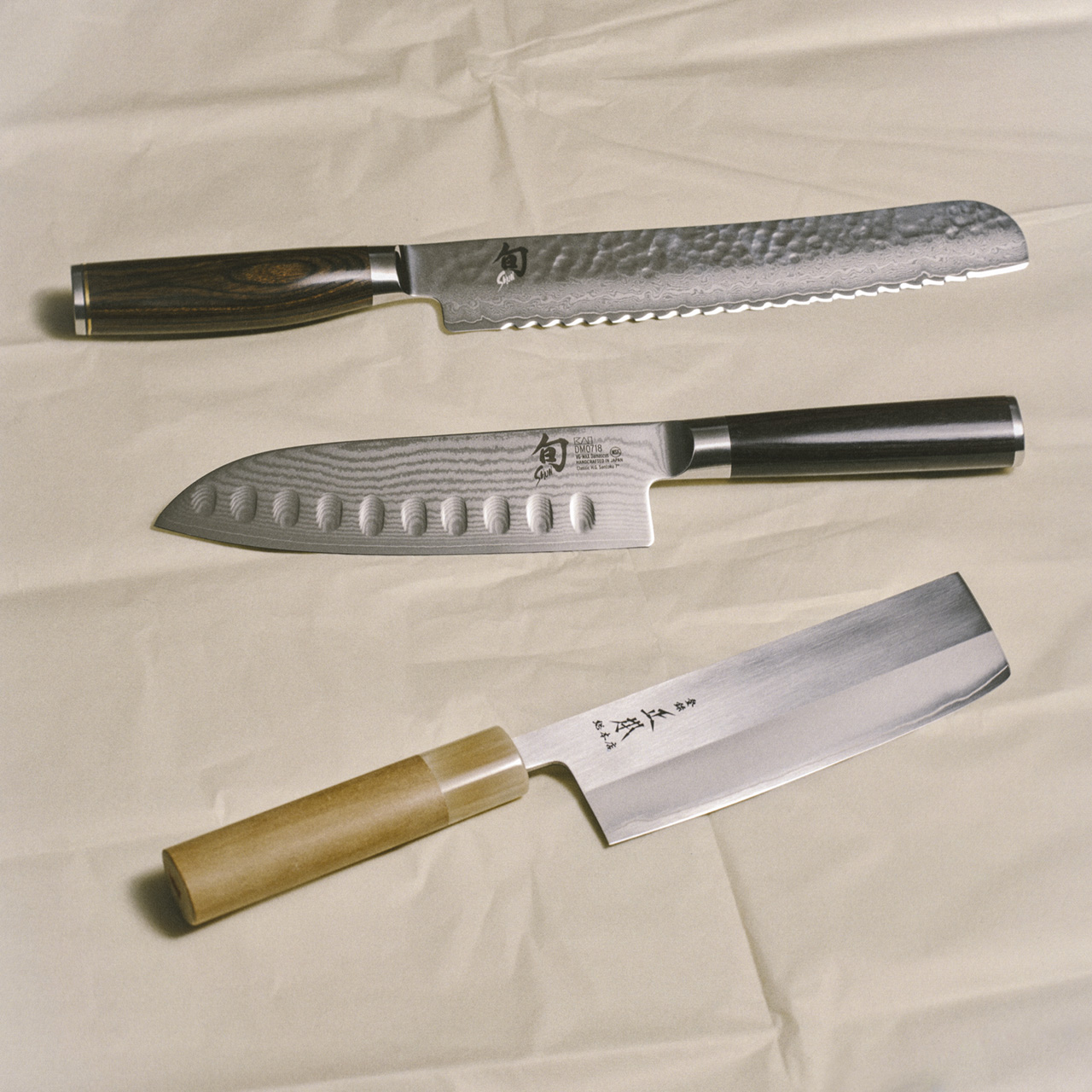
DAILY TREAT: Cutting-edge blades from Borough Kitchen
DIPLOMATIC SPAT: Poland and Ukraine trade blows over point of honour
THE LIST: Three stories to beat the heat
|
|
Berlin swimmers take the plunge amid efforts to reclaim bathing in the Spree
By Yegor Mostovshikov
|
Almost four decades after reunification, Berlin’s primary struggle remains reconciling its legacy as a divided city with the realities of being a modern metropolis. The German press has long labelled the city a “failed state” and it might be right – but Berliners haven’t lost hope. In fact, one group believes that reclaiming the city’s river for swimming could help to quell the tide of local tension.
Jan and Tim Edler, brothers and founders of art and architecture studio Realities:United, first campaigned to lift the city’s ban on bathing in the Spree in 1998. Swimming in the inner-city section of the waterway was banned in 1925 because of industrial pollution. Following the Cold War and subsequent division of the city, much of the river ran through East Berlin, where the GDR treated swimming West Berliners as illegal border-crossers.
“The river has become detached from the city and we need to rebuild that bond,” says Jan. They eventually established Flussbad Berlin, an NGO advocating to transform a 835-metre stretch of the Spree into a natural-water swimming area. It now boasts more than 500 members, who cite the city’s lack of cooling spaces as a reason for joining.
|
|
|
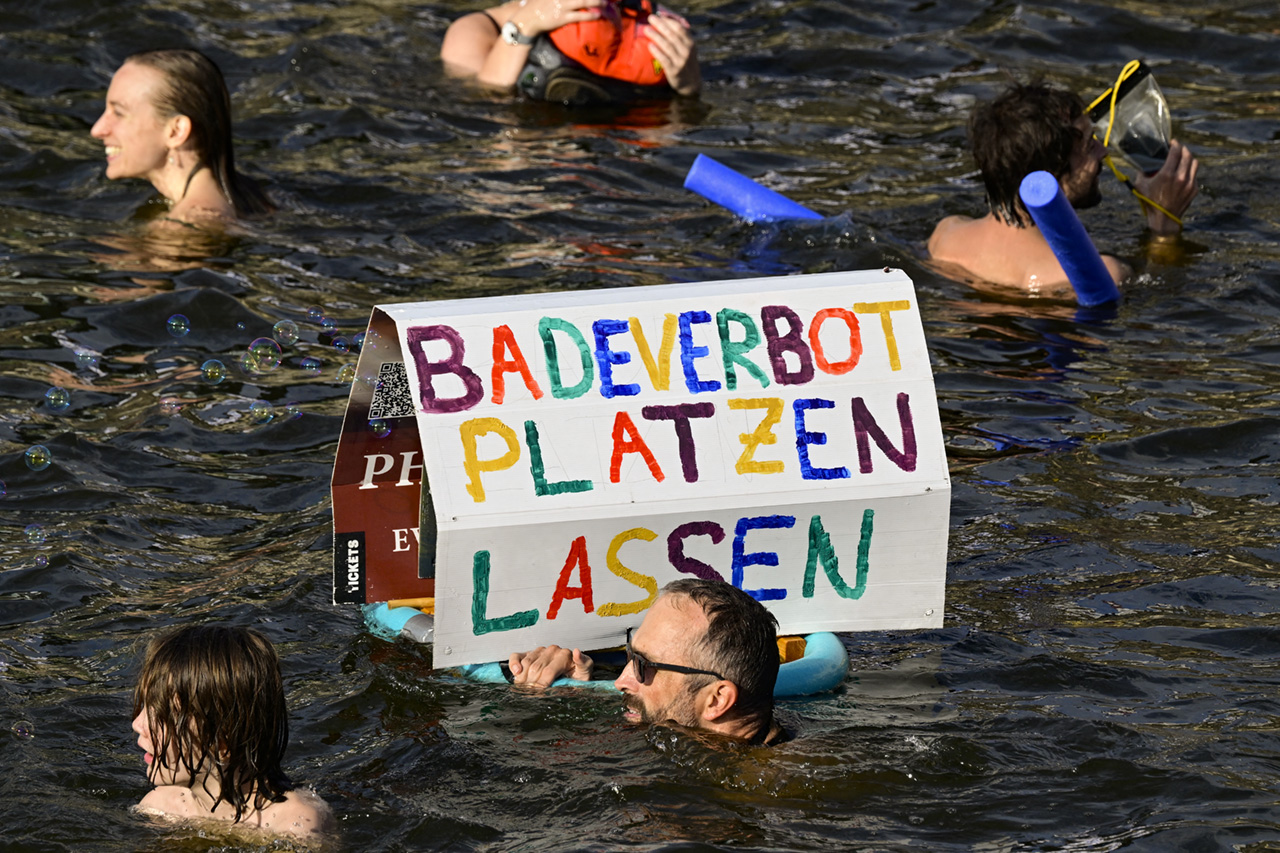
Going on a Spree: A protestor with a ‘Break the bathing ban’ sign
|
|
But this lack of swimming access reflects broader frustrations regarding access to civic infrastructure across the German capital. In recent years, Berlin has struggled with regulations and bureaucracy, a housing crisis and failing public transport. Urban development is also slow: the city’s new S15 railway line opened this month after significant delays and restorations to the Pergamon Museum have now entered their 14th year.
Protests have been driven by a desire to enrich the city’s quality of life and protect its public spaces. In 2014, Berliners forced a referendum that blocked any construction on the 300-hectare Tempelhofer Field, one of the largest inner-city open spaces in the world. In 2018, after two years of fierce local protests, Google dropped its plans to build a campus in the bohemian Kreuzberg district. And, in 2024, Tesla put its Gigafactory expansion in the Grünheide forest on hold. This year, Berliners are even opposing bids to host the Olympics in 2036, 2040 or 2044.
“It’s embarrassing,” says Jan. “Berlin has lost its ambition and it’s up to Berliners to act.” Volunteers at Flussbad Berlin developed a water-monitoring app and found that sanitation improvements have improved river safety, meaning that the Spree is now clean enough for swimming about 80 per cent of the time between May and October. The barrier to access, according to Jan, is political will: officials might allow bathing in the Spree during a potential Olympics but not at other times.
In protest of the swimming ban, the club’s members will dive into the Spree on the 20th of each month this year until the Berlin House of Representatives election in September. “Being in a river is a special feeling,” he says, “one that opens you up to ideas about caring for your city. Berliners are famous for being grumpy but in the water, it’s all smiles.”
Yegor Mostovshikov is a Berlin-based writer. For more opinion, analysis and insight, subscribe to Monocle today.
Further reading:
–
Vienna’s most naked secret lives in the open on the Danube
–
The Seine’s reopening to swimmers marks a watershed moment for Paris’s civic renewal
–
How Cape Town’s beautiful €2m public pool upgrades are making a splash
|
|
affairs: Switzerland
Bürgenstock: The luxury resort in a diplomatic lockdown
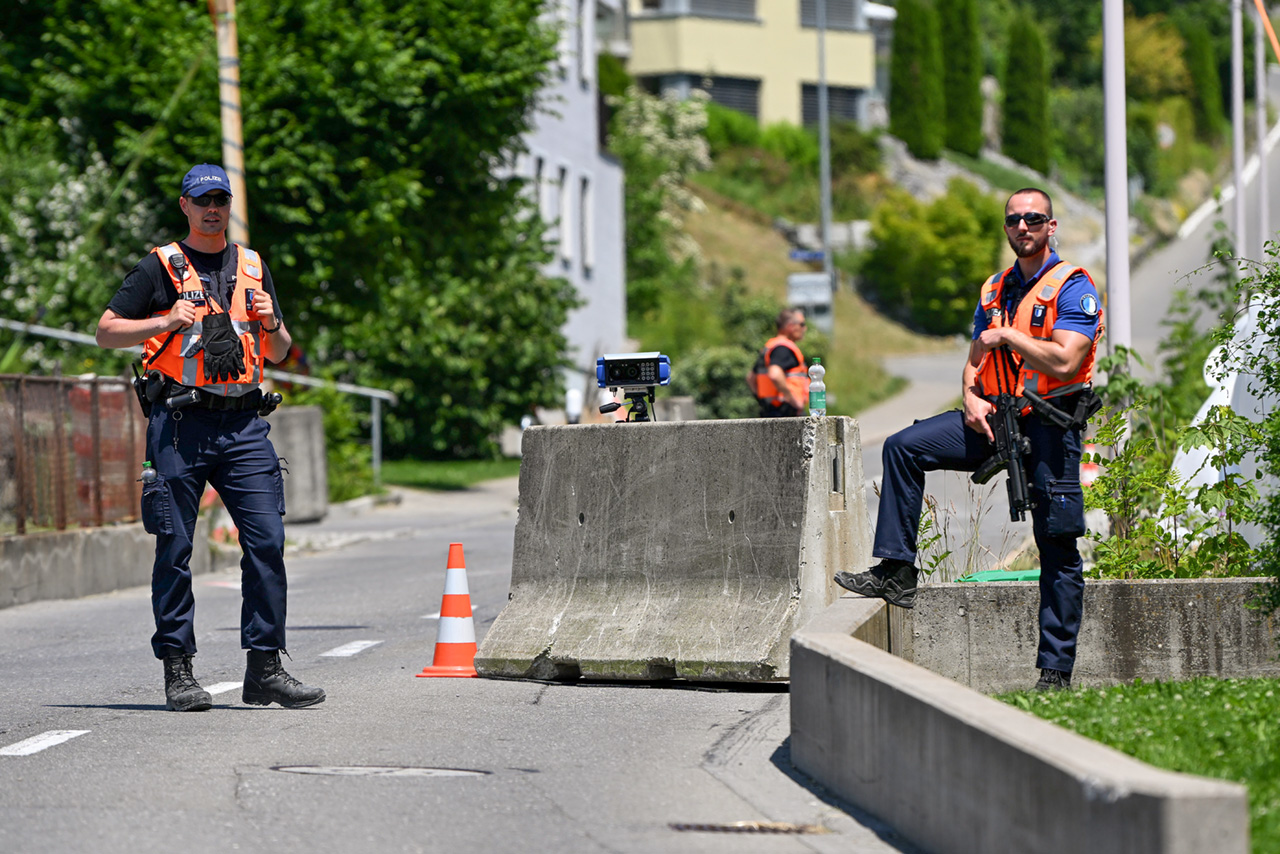
For the past few days, one of Switzerland’s most luxurious mountain retreats stopped being a hotel and became the centre of global diplomacy (writes Inzamam Rashid). Perched high above Lake Lucerne, the Bürgenstock Resort is the sort of place that normally attracts honeymooners, wellness enthusiasts and guests intent on spending their afternoons admiring the view from an infinity pool. Instead, its roads were clogged with armoured vehicles, police checkpoints and diplomatic motorcades as delegations from the US, Iran, Pakistan, Qatar and Switzerland descended on the mountainside for high-stakes negotiations.
The resort is perfectly suited for such gatherings. Accessible by a single route in and out, it functions almost as a self-contained compound. At the summit, security was formidable. Swiss special forces patrolled alongside local police, while US security personnel maintained a conspicuous presence.
|
|
|
Long road ahead: Police at the entrance leading to Bürgenstock
|
|
Between live broadcasts and briefings, we were sustained by an impressive spread of fresh salads, cold refreshments and enough snacks to feed a small European nation. The Swiss foreign ministry appeared particularly keen to showcase one of the country’s greatest diplomatic assets: Toblerone. Boxes of the triangular-prism chocolate bars seemed to materialise everywhere. A colleague left with enough to stock their own duty-free shop. Despite the Swiss hospitality, the resort is Qatari-owned, meaning that one of the key mediators in the talks was, in a sense, on home soil. It ended with a “very good foundation” being laid for further talks, according to the US vice-president JD Vance.
For the negotiators, Bürgenstock offered privacy, security and the opportunity for delegates to retreat to secluded villas or cabins between meetings. Yet even the most picturesque summit has an end date. As Vance remarked before he left, “nobody can stay here forever”. Diplomacy, eventually, must pack its bags and move on – no party can afford to get too comfortable. Wherever the next round of talks is hosted will be similarly secure but it’s unlikely to have a better buffet.
Inzamam Rashid is Monocle’s Gulf correspondent, reporting this week from Switzerland.
|
|
• • • • • DAILY TREAT • • • • •
Fix up, look sharp with Borough Kitchen’s knives
“When it comes to knives, I look for three things: sharpness, ease at which food releases from the blade and the feel of it,” says Justin Kowbel, co-founder of London’s handsome kitchenware retailer Borough Kitchen. For sourdough lovers, Kowbel recommends the Kai Shun Premier Bread Knife. “The direction of the serration changes at the midpoint, effortlessly cutting through tough crusts.”
The Kai Shun Classic Scalloped Santoku (middle) slices through everything from vegetables to cuts of meat. And for something a little extraordinary, choose the Masamoto FS Series Nakiri. “A nakiri’s straight blade is excellent for fine chopping,” he says. “There’s a reason why Masamoto is one of Japan’s most respected knifemakers.”
boroughkitchen.com
|
|
diplomatic spat:
Ukraine vs Poland
Out of Order: Ukrainian presidents past and present return medals after Poles poleaxe prize
Who vs who: Ukraine vs Poland
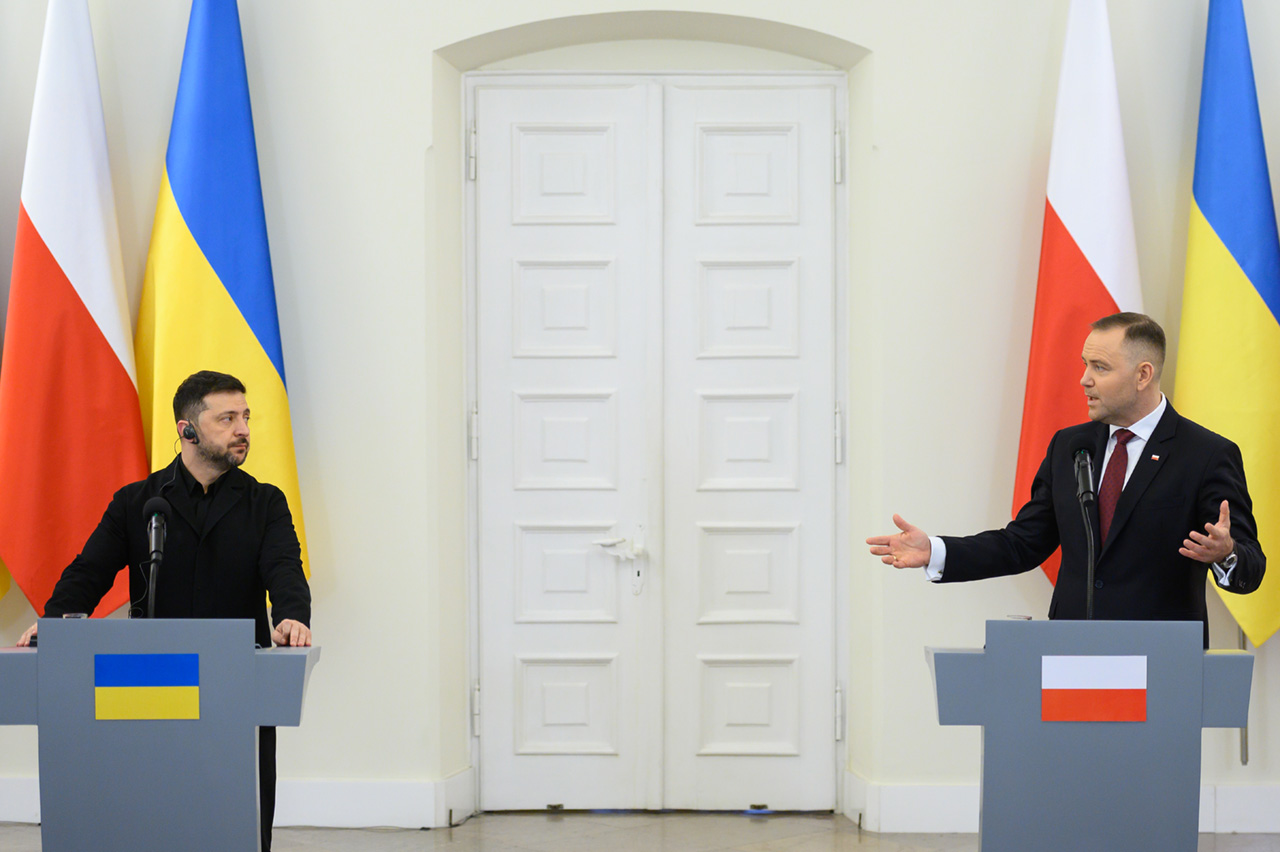
What it’s about: Poland’s Order of the White Eagle. For several centuries, it has been the country’s prestigious award, honouring auspicious Poles and admired foreign dignitaries. In 2023, it was bestowed upon Ukrainian president Volodymyr Zelensky by Poland’s president at the time, Andrzej Duda. Poland’s current president, Karol Nawrocki, has revoked the award, in fury at Zelensky renaming a Ukrainian military unit after a pro-independence militia – the Ukrainian Insurgent Army – that operated in the 1940s and 1950s, perpetrating massacres of ethnic Poles. Zelensky has duly returned his medal. In solidarity, three previous Ukrainian presidents – Leonid Kuchma, Viktor Yushchenko, Petro Poroshenko – have also returned theirs.
|
|
|
Hitting peaks: Volodymyr Zelensky and Polish president Karol Nawrocki
|
|
What it’s really about: It is important to remember that President Nawrocki’s party, PiS, is no longer the government (Poland’s prime minister, Donald Tusk, has criticised Nawrocki’s decision). So, this is a means of keeping PiS’s base simmering – as with all populist nationalists, historical grievance is a key chapter of their playbook and there is plenty to go round in this part of the world.
Likely resolution: Even Nawrocki has said that this won’t | | | | |