Highlights from the runways and showrooms of Milan Fashion Week.
|
Tuesday 23/6/26
|

|
|
London
Paris
Zürich
Milan
Bangkok
Tokyo
Toronto
|
|
Milan Fashion Week
|
|
The fashion world’s eyes were on Milan this weekend as the industry’s top names unveiled their spring/summer 2027 collections for Milan Fashion Week Men’s. From Thom Browne’s first runway show in the city to Alessi Lillocci’s debut collection for Canali, we bring you some of the most noteworthy moments from the four-day event. For more news and views, tune in to Monocle Radio. Here’s what’s coming up:
THE OPINION: Amid global uncertainty, Milan Fashion Week Men’s needs to embrace change
TOP COLLECTIONS: Three highlights from the runways and showrooms
Q&A: Canali’s new creative director, Alessio Lillocci, on protecting brand essence
THE LOOK: The revived art of dressing for the occasion
THE MONOCLE CONCIERGE: Three spots to grab a bite in Milan
WHAT’S NEXT?: Paris Fashion Week Men’s
|
|
THE OPINION: milan
Are the world’s fashion weeks finally warming up to the idea of real change?
By Natalie Theodosi
|

|
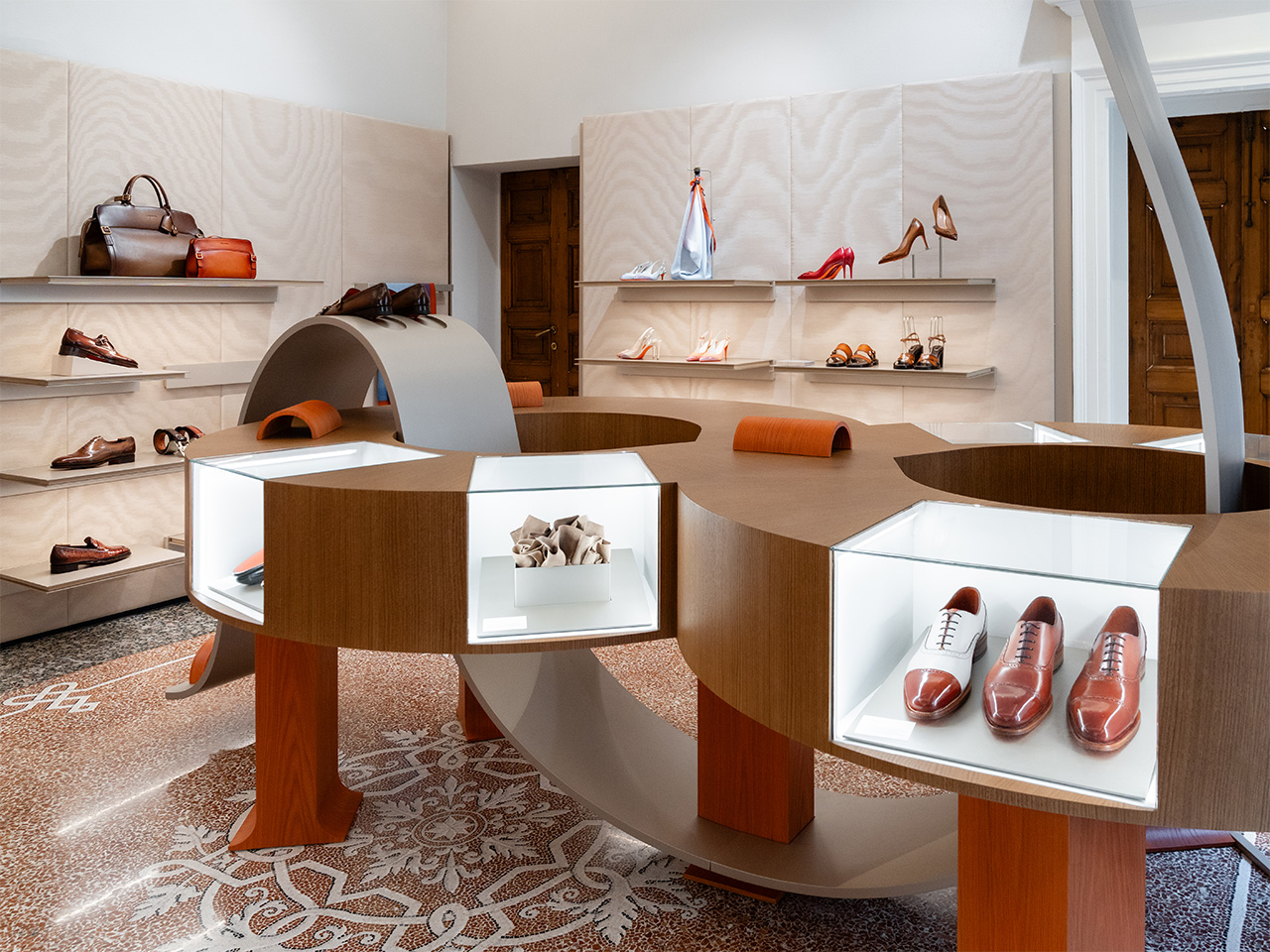
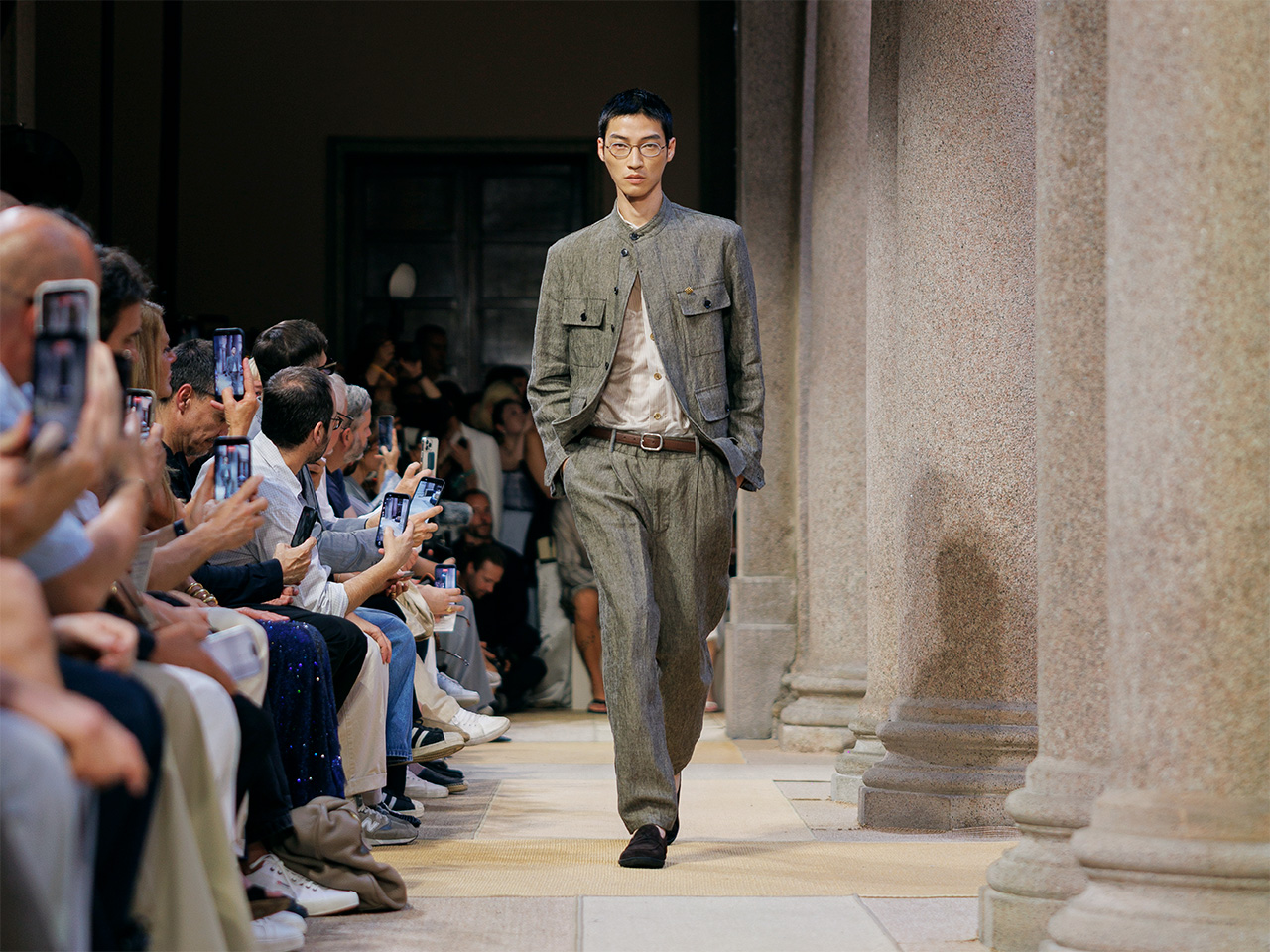
Milan is a city of master tailors, top-end manufacturers and product obsessives. The Italians are more concerned with achieving excellence in quality than making loud design statements and setting seasonal trends, particularly when it comes to menswear. What’s more impressive is that they set the bar higher for themselves every season. This year, Santoni improved the soles of its loafers to make them lighter; Tod’s made the leather of its bomber jackets softer and more lightweight (the label highlighted the Pashmy project for the season, which involves ongoing innovation around leather); and heritage label Malo reworked its cashmere sweaters to be feather-light and summer-appropriate. Milanese luxury houses seemed to be on a collective hunt for lightness in their spring/summer 2027 presentations, with all the beauty being in the details.
But in this spirit of innovation, brands should also interrogate whether a traditional fashion-week format – which usually involves five-minute runway shows or static presentations in loud, overcrowded rooms – is still right for showing such impressive fabric developments and craftsmanship. Even more so in June, when Milan’s sweltering heat overtakes every conversation and slows the city down. The luxury experience should start at a collection’s launch. This season, those experiences were diluted by poor ventilation systems and not-so-chic electric hand fans held by guests.
|
The fashion industry finds change difficult. But at a time of economic volatility and shifting consumer habits, this might finally be the moment for brands to question traditional schedules, reallocate budgets and get more creative with the ways they present their collections. They could perhaps even make the real VIPs – their customers – a bigger part of the experience than filling the front rows with famous faces. Zegna, one of Italy’s fastest growing menswear businesses (revenues grew 5.9 per cent for the first quarter of 2026 to €310.3m), is ahead of the rest, having already started taking its collections on the road, starting with Dubai last year and Malibu this May. The label also recreated Villa Zegna, a shop-cum-private club, inside LA’s Chateau Marmont. Needless to say, customers were happily shopping.
|
Designers that insist on the runway format – and utilise it well – tend to have a flair for theatre and bigger stories to tell. Saul Nash, an up-and-coming designer and former dancer, showed how freely you can move in his collection, a sophisticated mix of tailoring and sportswear, while New York-based Thom Browne, who showed in Milan for the first time, commanded the runway with his sense of humour and dramatic styling. Browne doubled down on his signature shrunken suiting but also added workwear-inspired canvas jackets, crisp cotton shirts and embroidered trench coats. He is one of the few designers of his generation who has managed to marry his eccentric spirit with commercial savvy, with some help from Gildo Zegna who invested in the American brand in 2018.
Then there is Miuccia Prada, who always leaves her audience with something to ponder. Alongside her co-creative director, Raf Simons, she spoke about moving away from “useless” design this season by returning to basics and “breaking with the conventions of luxury”: think denim, T-shirts and slim tailoring. More Italian designers should take her advice and reconsider how they present their products and engage with their audiences.
|
|
Top collections: Highlights from Milan Fashion Week Men’s
The 10 best spring/summer 2027 collections at Milan Fashion Week Men’s
The spring/summer 2027 edition of Milan Fashion Week’s menswear edition delivered collections that offered something for every occasion, from the Americana-inflected vision of Ralph Lauren to the movement-ready clothes of former dancer Saul Nash. Beyond the runway, the city’s showrooms offer the opportunity to get up close to the designs and feel the quality of Italian manufacturing – namely made-in-Marche loafers and Florentine cashmere. Here are Monocle’s top-10 moments from the week.
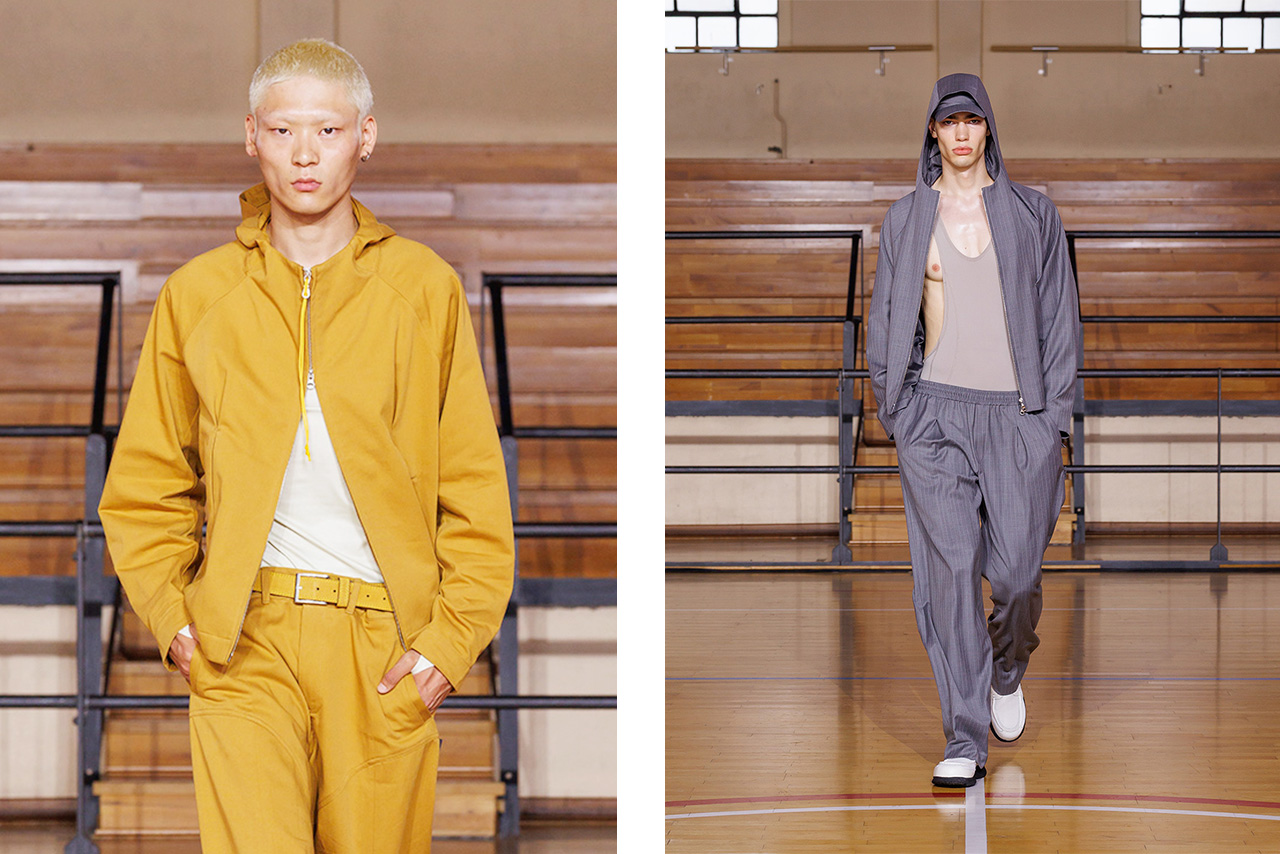
A former dancer, London-based Saul Nash has carved an appealing niche for himself in the menswear market, blending sportswear and tailoring while experimenting with innovative performance fabrics. Put simply, he offers clothes that enhance motion instead of restricting it. For spring/summer 2027, he continued exploring his “movement-based” design philosophy, looking at archival imagery of sports figures and pin-ups, and translating them into garments that were both functional and elegant: a raincoat cut like double-breasted trench; a suit jacket with an elasticated back nodding to fencing uniforms; and nylon twinsets in shades of burgundy and yellow. “Growing up in London, there was a unique story to be told around the men who wear sportswear and elevated perceptions around them – I’m always fascinated with what we deem formal versus casual,” says Nash after dancing down the runway to take his bow.
His growing presence in Milan over the past few years comes as a breath of fresh air to the city’s calendar, which is mostly dominated by longstanding brands. “Milan has been the first step to help me imagine what my brand looks like beyond technical wear, and look at [my expertise] through a lens of tailoring,” adds Nash.
saulnash.com
|
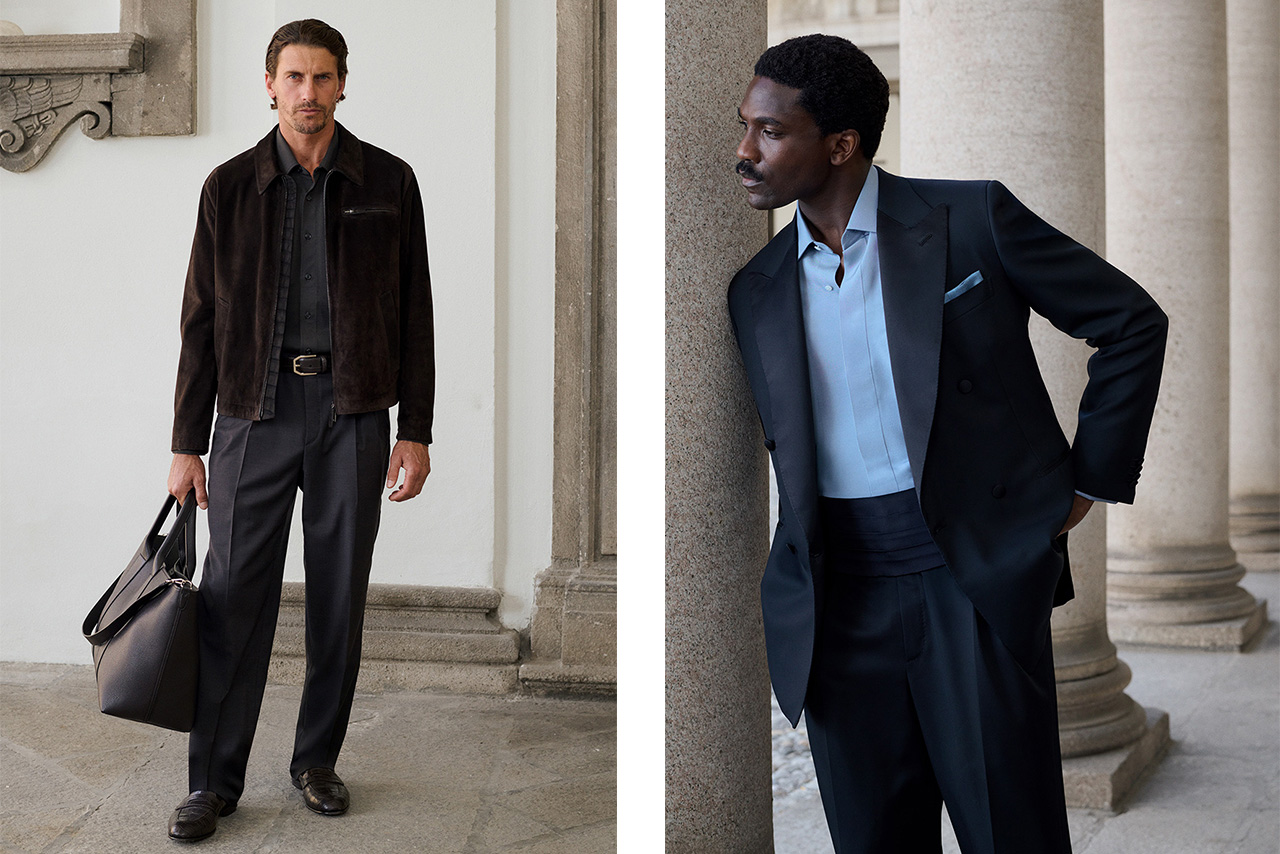
This season, Brioni’s in-house design team led the charge in the absence of a creative director (Austrian designer Norbert Stumpfl exited last December and has yet to be replaced). As is often the case when brands find themselves in an interim period, the instinct is to reaffirm house codes rather than rock the boat. At Brioni, this means a reinforcement of the label’s bespoke tailoring offerings with Brioni Maestria, a new project that aims to provide further opportunity for customisation. The label also looked to its Roman origins with a palette inspired by the city’s hues – eucalyptus green, faded reds and travertine beige to name a few – as well as the relaxed, unlined silhouettes favoured by residents of the Italian capital. Highlights from the collection include a butter-soft suede blazer and a jacket with pockets designed to hold a newspaper and a pen, as well as roomy weekender bags for city escapes. As the brand awaits its next chapter, its design team is guarding the core belief that good menswear revolves around functionality and high-quality fabrics but also keeping a sense of ease, alla Romana.
brioni.com
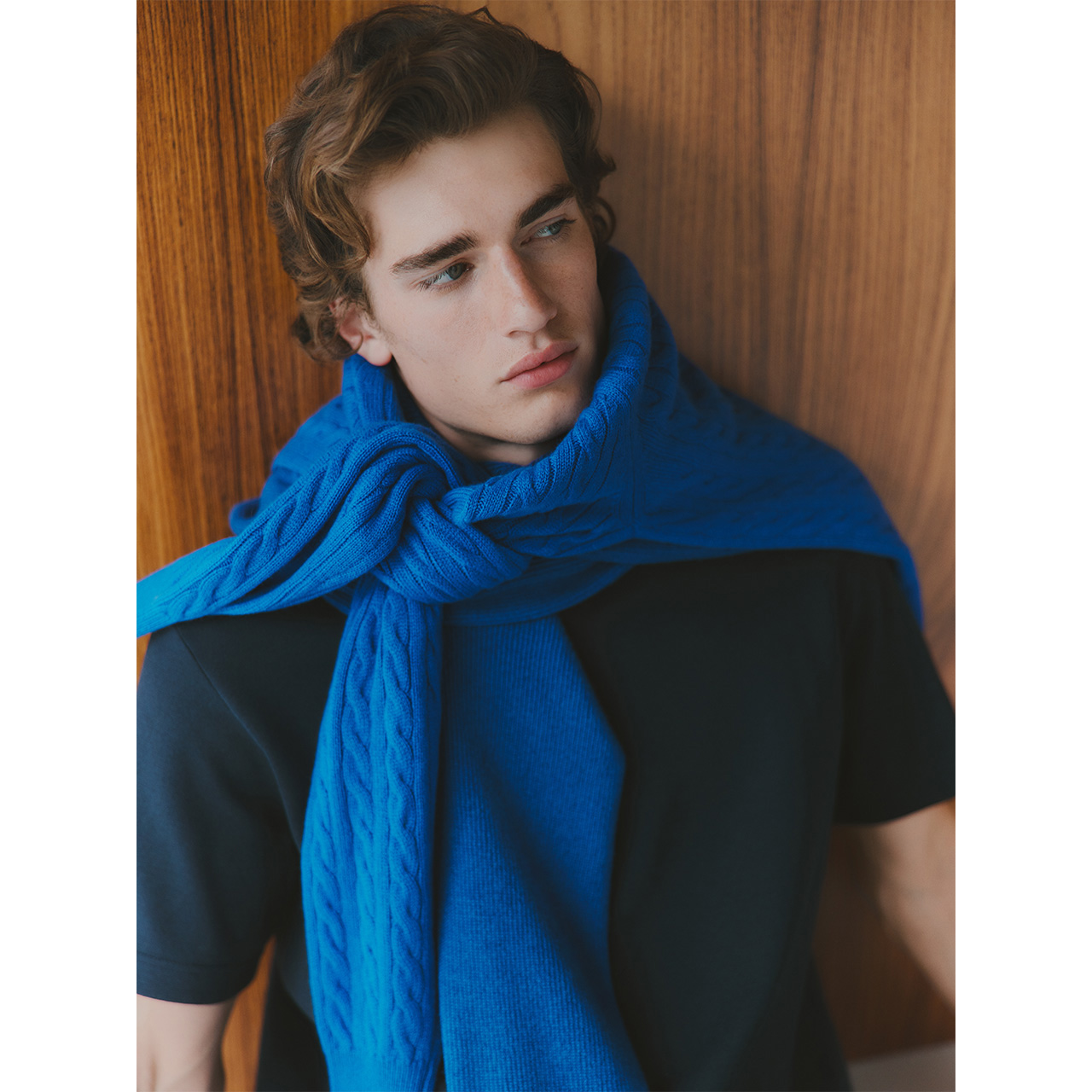
Italian knitwear label Malo was founded in Florence in the 1970s by brothers Alfredo and Giacomo Canessa. From their Tuscan atelier, the duo created some of the world’s finest cashmere sweaters – and were among the first to offer coloured cashmere – but it struggled to keep up with market pressures in the 2010s. Now, it has been acquired by American investor David Glickman via his private-equity firm Glickman Capital and is being relaunched with an ambitious plan, which includes a new retail space on Milan’s Via della Spiga and a growing collection of knitwear, shirting and sharp outerwear.
Behind the new collections is longtime editor-turned-CEO Michelle Kessler-Sanders, who has successfully sprinkled a fresher, more fashion-forward touch to Malo’s signature cashmere offering – quickly turning the label into the one to watch in the Italian fashion capital.
malo.com
For our full runway rundown with all 10 highlights, click here.
|
|
Q&A: Alessio Lillocci
‘We’re respecting the DNA of the house’: Alessio Lillocci on guiding Canali into its next chapter
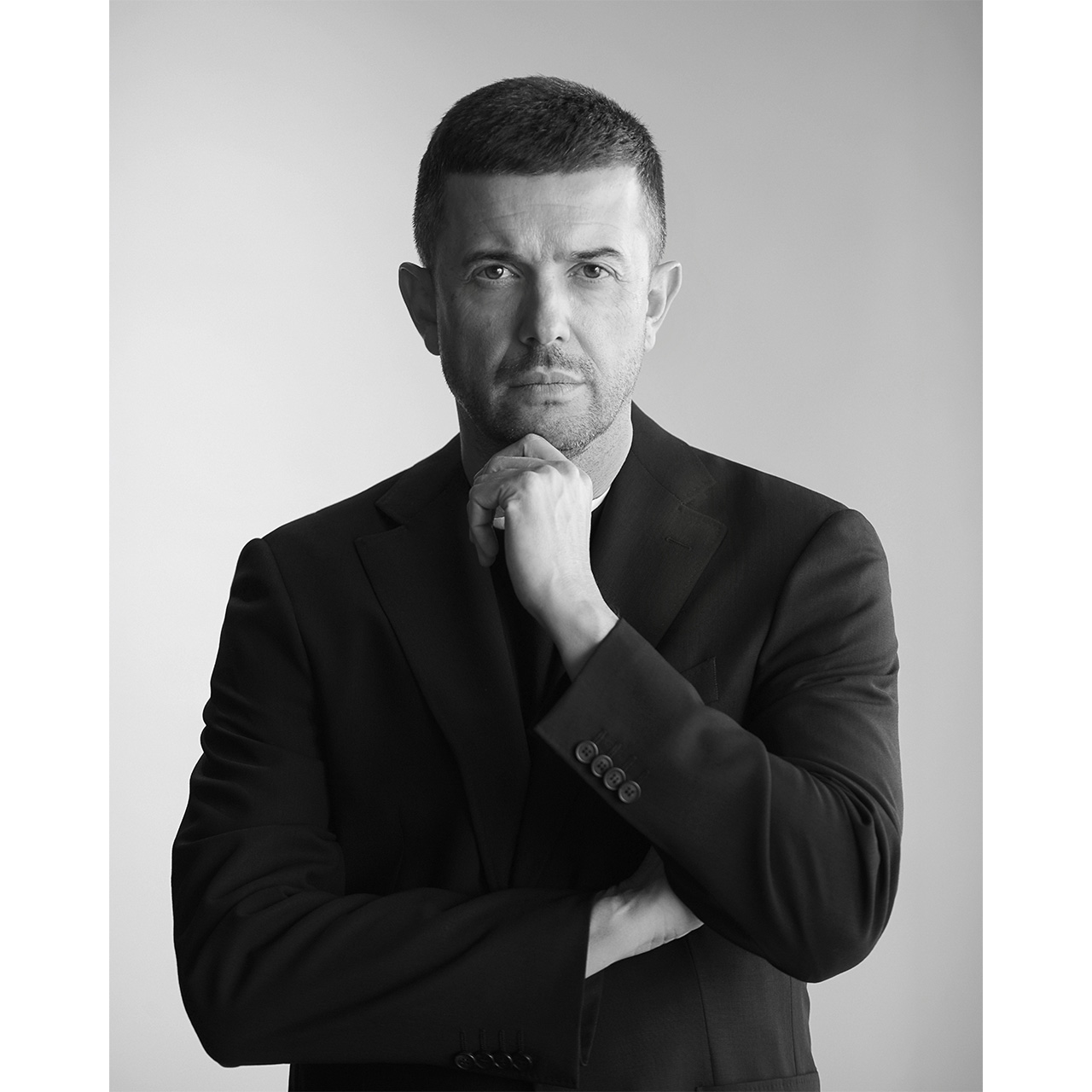
In May, Canali tapped Alessio Lillocci as its first creative director, tasking him with overseeing the label’s collections and the evolution that it has been undergoing, moving towards a more casual, contemporary offering. A menswear veteran who worked for the likes of Prada and Brunello Cucinelli, Lillocci jumped at the opportunity to work with a family business that still puts the focus on good products and high-end Italian manufacturing. At the presentation for his inaugural collection for the brand, he tells us more about his plans.
|
What appealed to you about this new position at Canali?
I started [my career in fashion] with my mother, who had a small tailoring shop, so I have always worked close to the product and the materials. I always say, “I’m not a designer, I’m a product guy.” When I first met the Canali family, it felt like being back home. Here, there is an opportunity to work with the finest materials and the best artisanal know-how.
What opportunities do you see for the house?
I have told Stefano Canali that they don’t need a creative director but a barman who can blend the ingredients that they already have in a contemporary way.
Tell us about the new spring/summer collection.
I imagined the collection as a journey from East Africa to India and the Mediterranean, following the spices and ingredients that you encounter at each location. That’s where the colours came from. We also worked on new silhouettes, including the carrot-fit trousers and a series of soft leather jackets inspired by the 1980s. But we’re respecting the DNA of the house. We don’t want to be a fashion brand.
|
|
the look: man on the move
What’s in a dress code? Milan Fashion Week brings back the art of occasion dressing
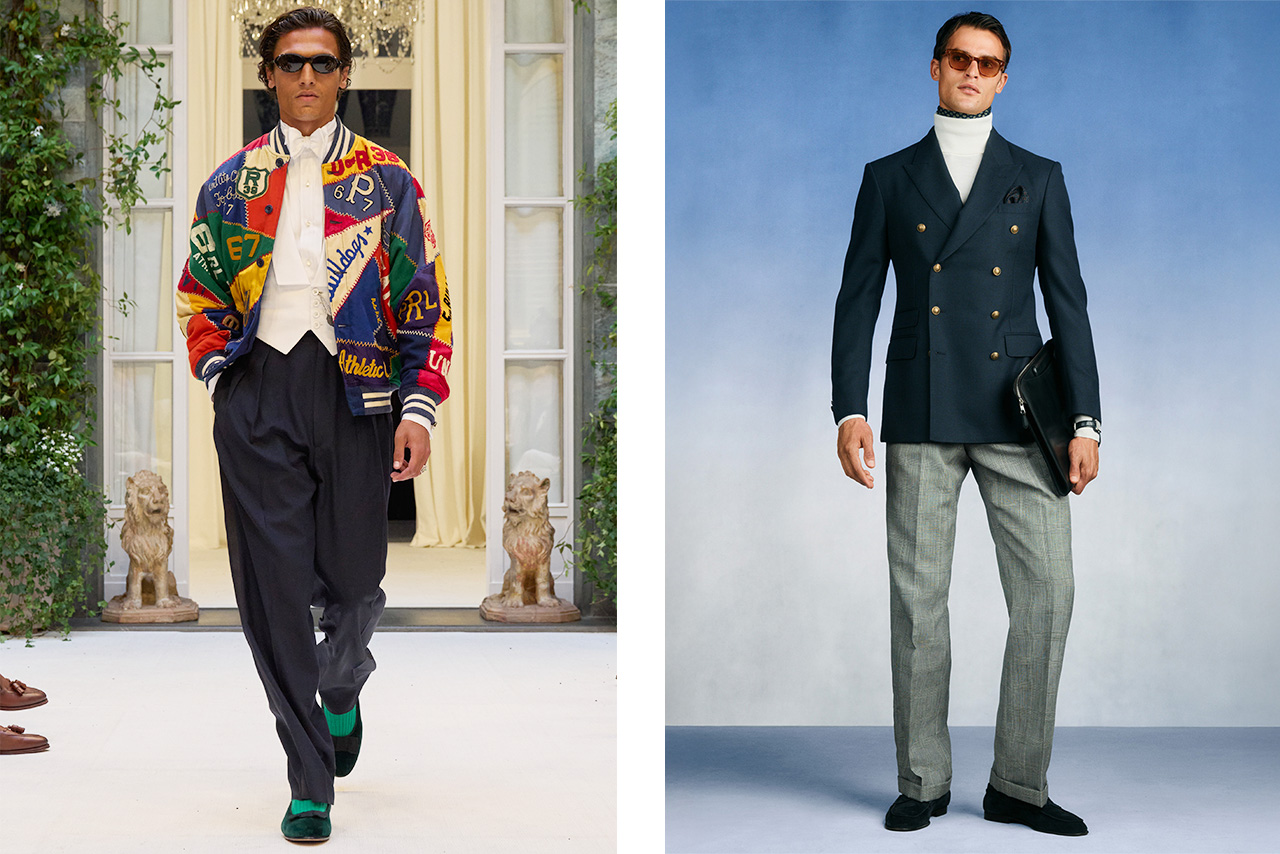
At its best, fashion is an act of aspiration (writes Grace Charlton). This season in Milan, designers seem to be aspiring to busy social calendars and dynamic urban lifestyles, constructing suave characters to match. So packed are their schedules that events might even overlap. Take Ralph Lauren, which layered a motocross jacket over a black-tie suit. At Dunhill, the social calendar of a modern gentleman (embodied by Roger Moore’s James Bond) continues to inspire Simon Holloway, the British heritage house’s creative director. “The social season is in full swing with the RHS Chelsea Flower Show, Wimbledon, Royal Ascot and Glyndebourne,” he tells Monocle, pointing out a series of blue blazers that could be worn to such events.
|
“In British culture, this plays such a part in the act of getting dressed up. We aim to be the pinnacle of that, done in a way that leans into the chic rather than the garish.” Ultimately, the menswear look for next season is becoming more formal, slimmer – gone are the days of the oversized suits – and alluding to the power of clothing to take you to the right places. By placing emphasis on the formal codes of tailoring, designers are creating collections with specific occasions in mind. It’s fitting that on the streets of Milan, men are leading by example: attending shows in suits with cumberbands, crisp shirts and ties, despite the 35C heat.
|
|
The Monocle Concierge: where to eat in milan
Feeling peckish between shows? Here are three places to try
We round up some of Monocle’s favourite spots in the city, from a Japanese-inspired bakery for pre-work treats to a neighborhood restaurant and a historic gelateria to help you cool off.
Pan Deli
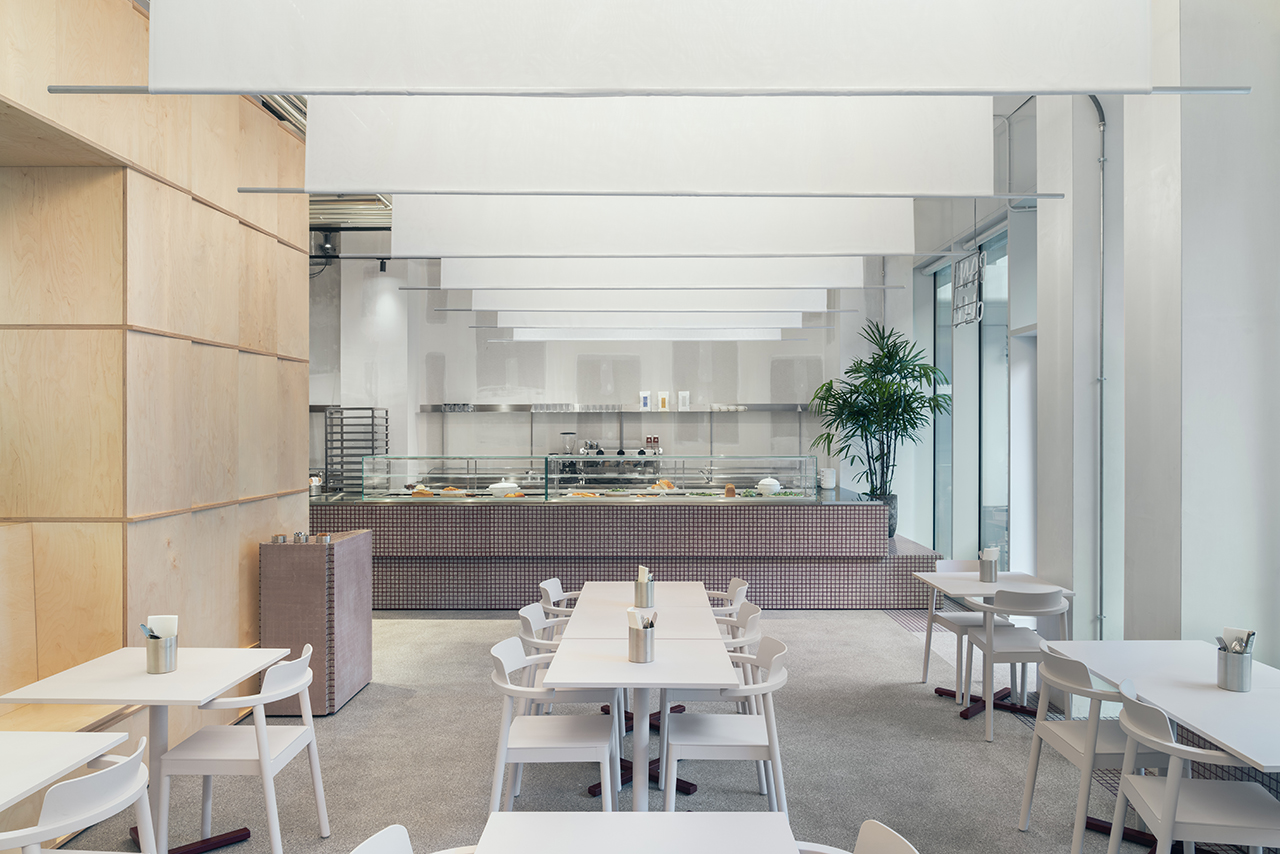
A Milanese bakery with Japanese influences, Pan remains one of the city’s hottest tickets for everything from brunch to a matcha fix and that makes its expansion welcome news. The café, which was founded by Alice Yamada and Yoji Tokuyoshi, has recently opened a new spot in the Lombard capital’s expanding Porta Nuova neighbourhood. Pan Deli is located off the inner courtyard of Pirelli 35, a stylish new-build by Park Associati and architecture studio Snøhetta. Pan has again teamed up with architecture firm Studio Wok for the interiors, something Yamada calls “the fil rouge throughout the projects”, meaning that trademark details such as noren curtains, this time in white. Inspired by the delis of California, Pan Deli still has its signature pastries but focuses on ready-to-go meals, from sandwiches to koftas and salads. It’s another great addition to Milan’s food scene.
panmilano.com
|
Umberto 1934
Ice-cream shops are a dime a dozen in Milan and many of them are excellent. But they come and go, often trying to outdo each other with unusual or outlandish flavours. Trying to find a classic holdout isn’t always easy, which is what makes Umberto 1934, a small shop tucked away in Milan’s Cinque Giornate neighbourhood, a winner. The institution has been run by the same family since its beginning: after learning the craft of ice-cream making in Naples, founder Umberto moved to Milan in the 1930s and established his shop. The freshest ice cream is made every day, according to seasons. At most, the shop stocks 12 flavours, with refreshing classics such as pistachio and chocolate.
umberto1934.com
Sandì
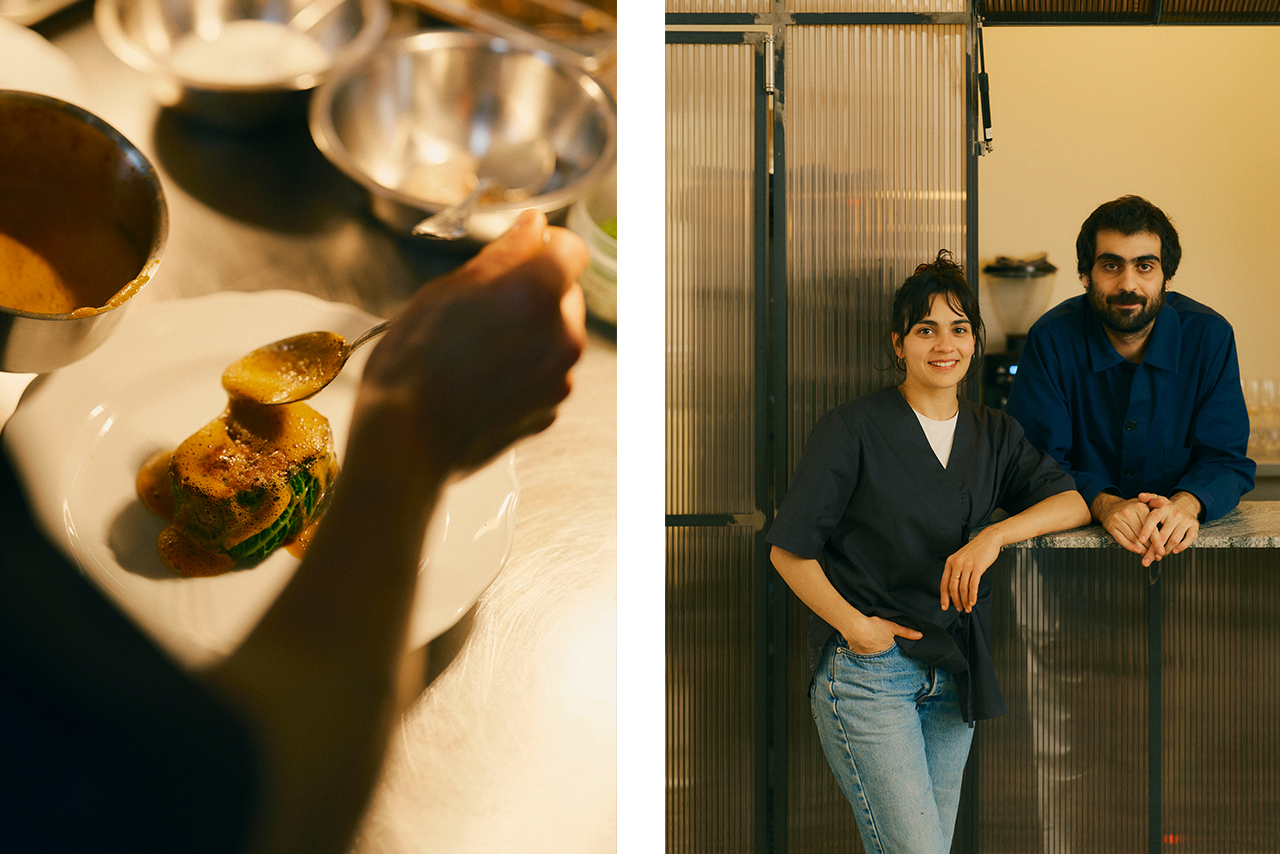
Hidden away on a residential street in Porta Venezia, bistro Sandì has swiftly become a neighbourhood favourite. The project is overseen by chef Laura Santosuosso, originally from Modena, and her partner, Denny Mollica, who manages the front of house and pulls together an unconventional, ever-evolving wine list. Sandì – a portmanteau of Santosuosso’s surname and Mollica’s nickname – occupies a beautiful 1960s street-level space that was once a bakery. Original design details have been preserved, including a Palladian marble floor with flashes of pink. In-demand design studio Parasite 2.0 is behind the subtle refurbishment and the striking metal-and-glass wall. “The menu’s departure point is always regional Italian food,” says Santosuosso. “But there are influences from all our travels too.” Open for lunch only, except on Fridays when they also have dinner service, Sandì offers one of the best priced (and most delicious) lunchtime set menus in the city.
Via Francesco Hayez 13
|
|
What’s next? paris
The next stop for menswear: What to anticipate at Paris Fashion Week Men’s
This morning the fashion crowd is getting ready to leave Milan and board their flights to Charles de Gaulle Airport for Paris Fashion Week Men’s. While there’s been slight panic about the weather forecast – “What do you even wear when temperatures are that high?” asked one overheated editor on the front row – there is plenty of excitement around what is on the schedule. Unlike the quieter pace of Florence and Milan, Paris is once again expected to be action-packed.
A year on, there’s just as much curiosity around seeing Jonathan Anderson’s collections for Dior, while Michael Rider and Sarah Burton will also be making their menswear debuts for Celine and Givenchy, respectively. But for menswear experts, the real excitement comes from attending the shows of Paris Fashion Week’s ever-growing Japanese delegation, including Auralee, A Presse, Yoke and LVMH Prize winner Soshiotsuki. Stay tuned on monocle.com and Monocle Radio for coverage from the French capital’s runways and showrooms.
|
|
Image credits: Courtesy of Santoni, Justin Shin/Getty Images, Pablo Latorre/Courtesy of Saul Nash, Courtesy of Brioni, Courtesy of Malo, Courtesy of Canali, Isidore Montag, Courtesy of Dunhill, DSL Studio, Andrea Pugiotto
If you would like to read this email online, click
here
Unsubscribe from Monocle On the Road.
This email is from Monocle who | | |