Kobe’s waterfront comeback, interior designer Tola Ojuolape and the Basel Social Club exhibition.
|
Wednesday 24/6/26
|

|
|
London
Paris
Zürich
Milan
Bangkok
Tokyo
Toronto
|
|
|
|

Blueprint for success
As the mercury rises we’re heading down to the waterfront, specifically the Tottei Green Hill project in the Japanese port city of Kobe. Then: we chat with interior designer Tola Ojuolape about her cross-cultural portfolio, take a nostalgic ride in a famous lemon, the Leland P76 sedan, and pop into the Basel Social Club exhibition. Monocle Radio’s senior producer, Laura Kramer, gets us under way.
|
|
OPINION: Laura Kramer
State of the art
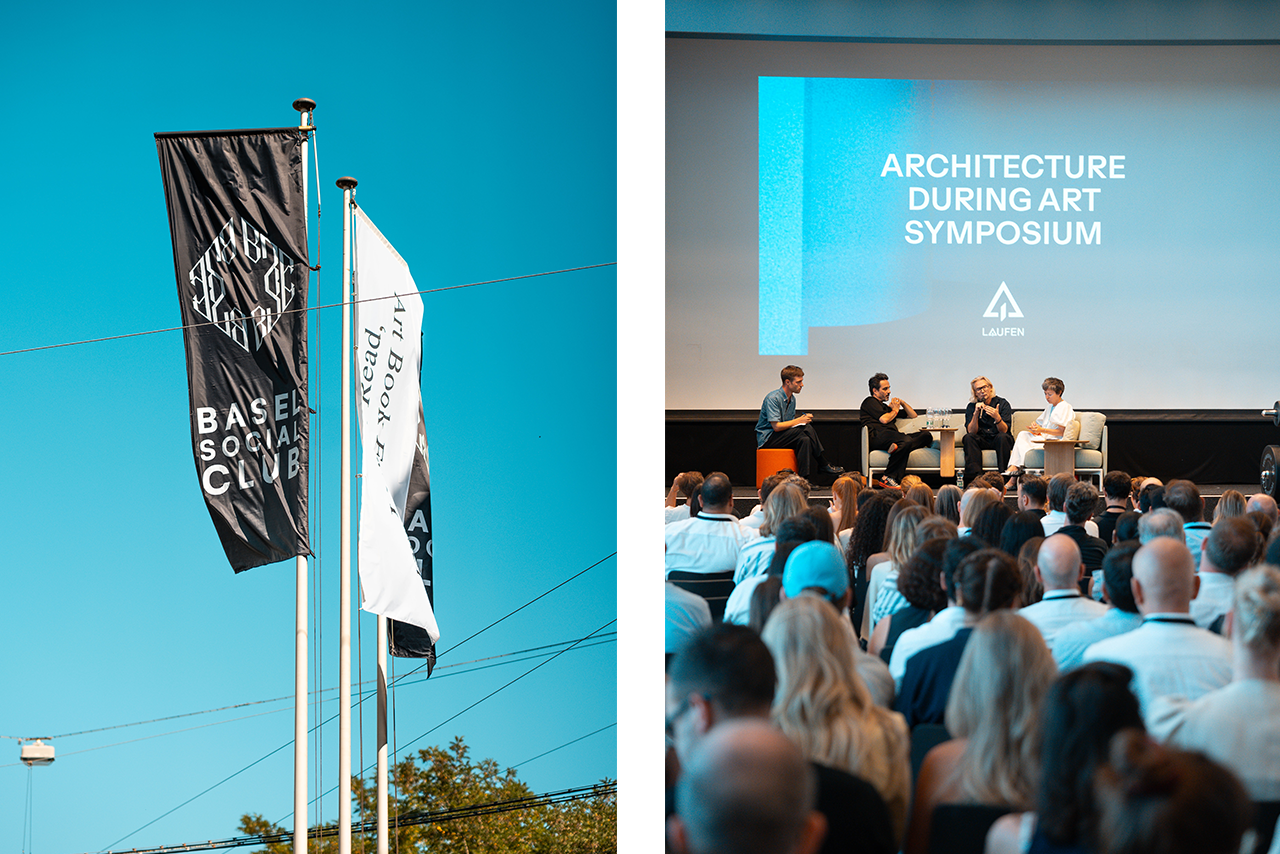
How should we use technology and art in the creative and artistic industries? That’s a topic that every industry event seems to be grappling with, from fashion and design weeks in Milan and Paris to the recent edition of Art Basel. On the sidelines in Basel, Swiss bathrooms manufacturer Laufen hosted its Architecture During Art symposium, a two-day fete of thought-provoking conversations. The point of discussion on everyone’s lips? How to approach technological advances in a way that shapes a brighter future for humanity.
Hosted at the Basel Social Club (see ‘In The Picture’ below), the symposium featured a panel of leading voices from the worlds of architecture and design. Among its speakers were Gabriele Chiave, the founder and creative director of multidisciplinary studio Controvento, curator and art historian Chus Martínez, and designer and creative director Mike Meiré.
|
But should we innovate for innovation’s sake? Answers varied. For Chiave, it remains essential when it serves a deeper purpose. “Innovation is a tool that can bridge the past and the future, celebrating heritage and craft,” he said. “It’s about the beauty of creating items with time, materials that get better with age, [such as] bronze and even leather.” For him, it’s about emphasising endurance over novelty, looking at what design should help to preserve rather than replace.
Martínez added that while technology promises efficiency, we need to be careful that it doesn’t strip away the meaning and ritual that give objects and spaces lasting value. There’s a desire for this, she said, evidenced in the resurgence of 1990s aesthetics across interior and product design, underlining a want from people to counterbalance their increasingly online lives. As digital technologies become increasingly embedded in everyday life, Martínez argued, people are gravitating towards physical experiences, ritual and sensory engagement.
Meiré furthered this logic, arguing that spaces should help people to reconnect with themselves rather than focus purely on optimising their lives. “We have this whole desire to [use technology to] provide space to slow down the time a little bit,” he said. It’s an ambition reflected in Konstantin Grcic’s installation for Laufen, first unveiled during Milan Design Week and presented again in Basel. Objects such as smart ceramic basins and bathroomware were designed to match the needs of an ageing population and explore how products might adapt to changing bodies. Admittedly, the future of the toilet is a tough subject to broach at the best of times – let alone at Art Basel – but, as we are constantly reminded, quickly ageing societies can benefit from smart technology.
The consensus, it seems, is that AI and technology are worthwhile pursuits not only for extending our lives but also improving the quality of it. And isn’t that the ambition of all good design?
Laura Kramer is Monocle Radio’s senior producer. For more news and analysis, subscribe to Monocle today.
|
|
the project: Tottei Green Hill, Japan
On the waterfront
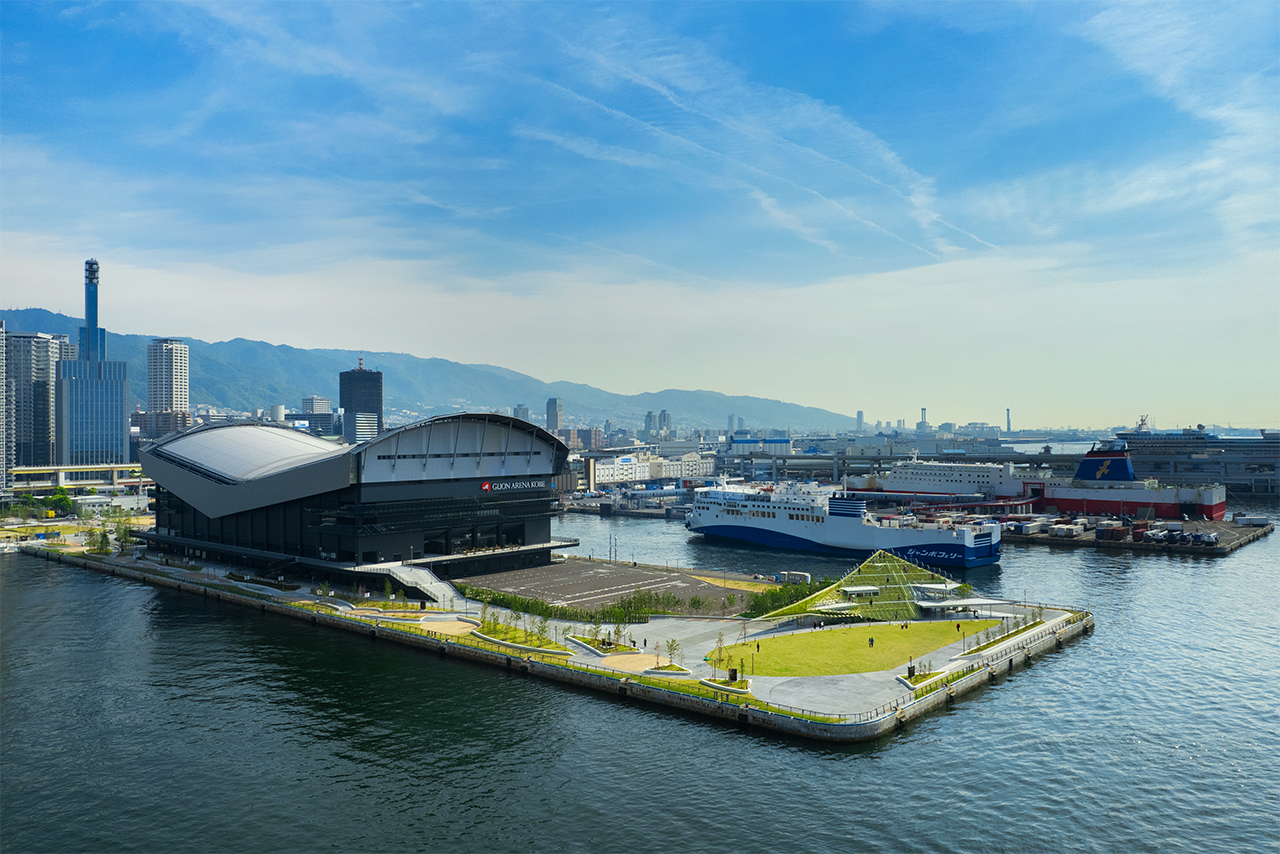
Two decades after an earthquake damaged the Japanese port city of Kobe in 1995, architect Tomohiro Hata was commissioned to transform the tip of the central No 2 Pier into a space for residents. With a population of 1.5 million, Kobe lies between the Seto Inland Sea and the Rokko mountains. “When you walk through the city, the dense concentration of high-rise buildings makes it difficult to understand the connection between the sea and the mountains,” says Hata. Once you reach the waterfront, however, the region’s dramatic topography reveals itself.
|
|
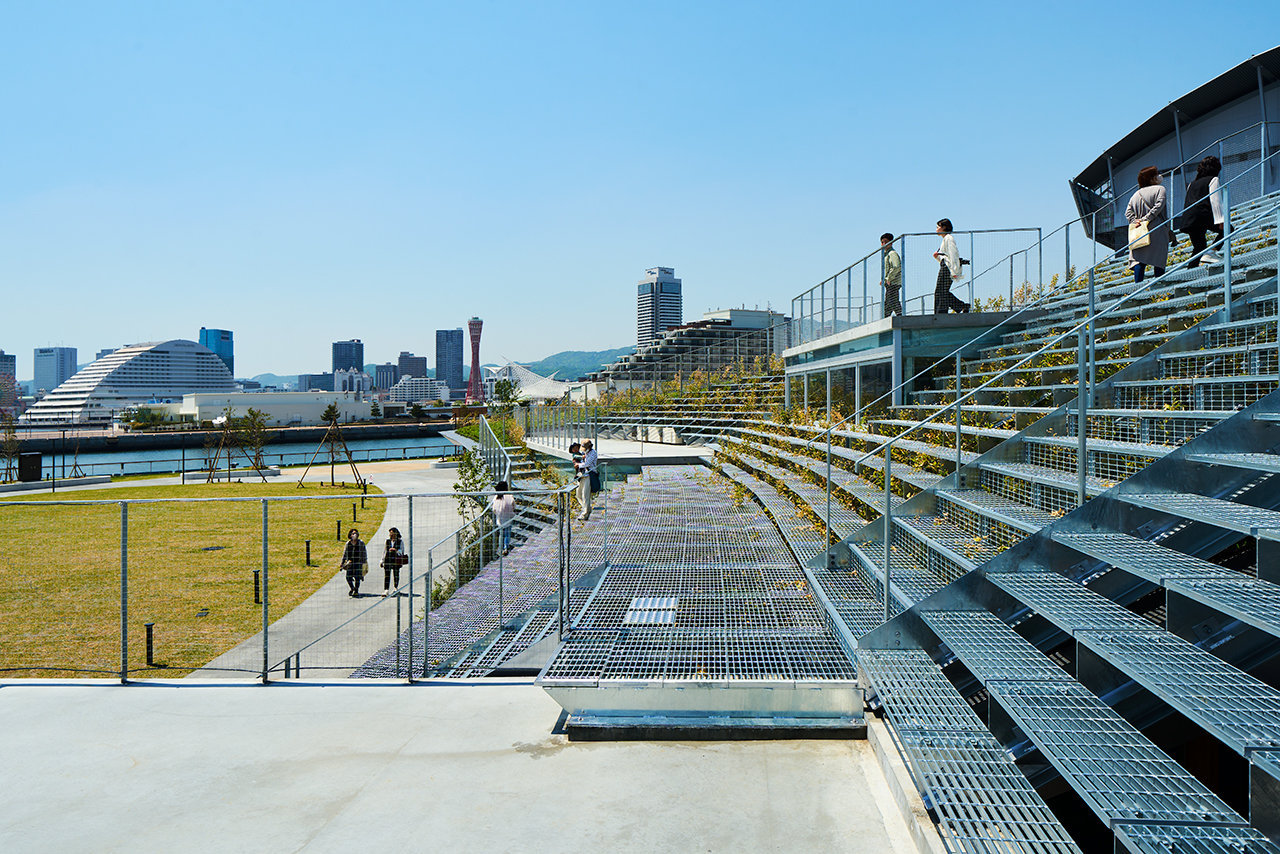
Hata designed a grassy plaza and raised one corner of the pier by 11 metres, creating a hill offering panoramic views. The amphitheatre-like space features stepped platforms made from metal grates that float above the planted slopes, allowing sunlight to reach the vegetation below, while providing spaces where people can sit. The empty area within the hollow hill can be used for events in all weathers. It’s an impressive reinvention of a piece of neglected urban infrastructure and Kobe has embraced it.
For more waterfront projects reshaping cities from Sydney to New York, pick up a copy of Monocle’s July/August edition, which is out on Thursday. Our annual issue dedicated to quality of life celebrates outstanding architecture and urbanism raising the bar for designers everywhere.
|
|
WORDS WITH... Tola Ojuolape, UK
Sense of self
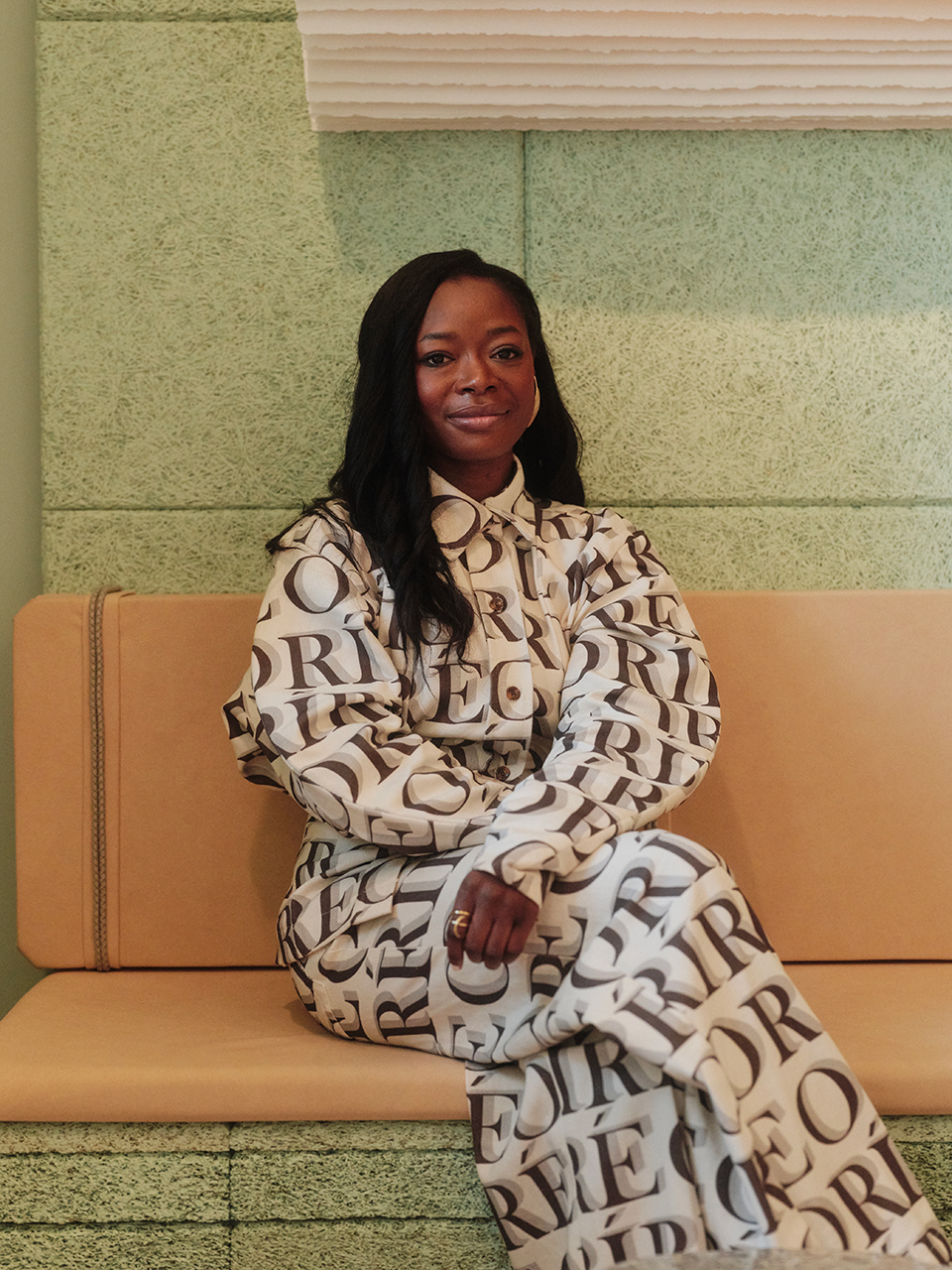
Tola Ojuolape is a London-based designer renowned for interior-design work emphasising tactility, materiality and craftsmanship. Raised in County Clare, she draws inspiration from her Nigerian heritage and studies in Ireland, Italy and the UK. The result is a cross-cultural practice that blends storytelling and an appreciation for heritage. Here, she tells us about her most recent projects and explains how design might have far-reaching economic consequences.
|
What’s your earliest memory of design?
Fashion was my first real language for aesthetics and my first memory of it was what I observed on television. Growing up around African garments gave me a second lens too, with colour and pattern showing how fabric could carry meaning.
Earlier this year you completed the Collectors’ Lounge at Collect Art Fair in London’s Somerset House. Tell us about the design process.
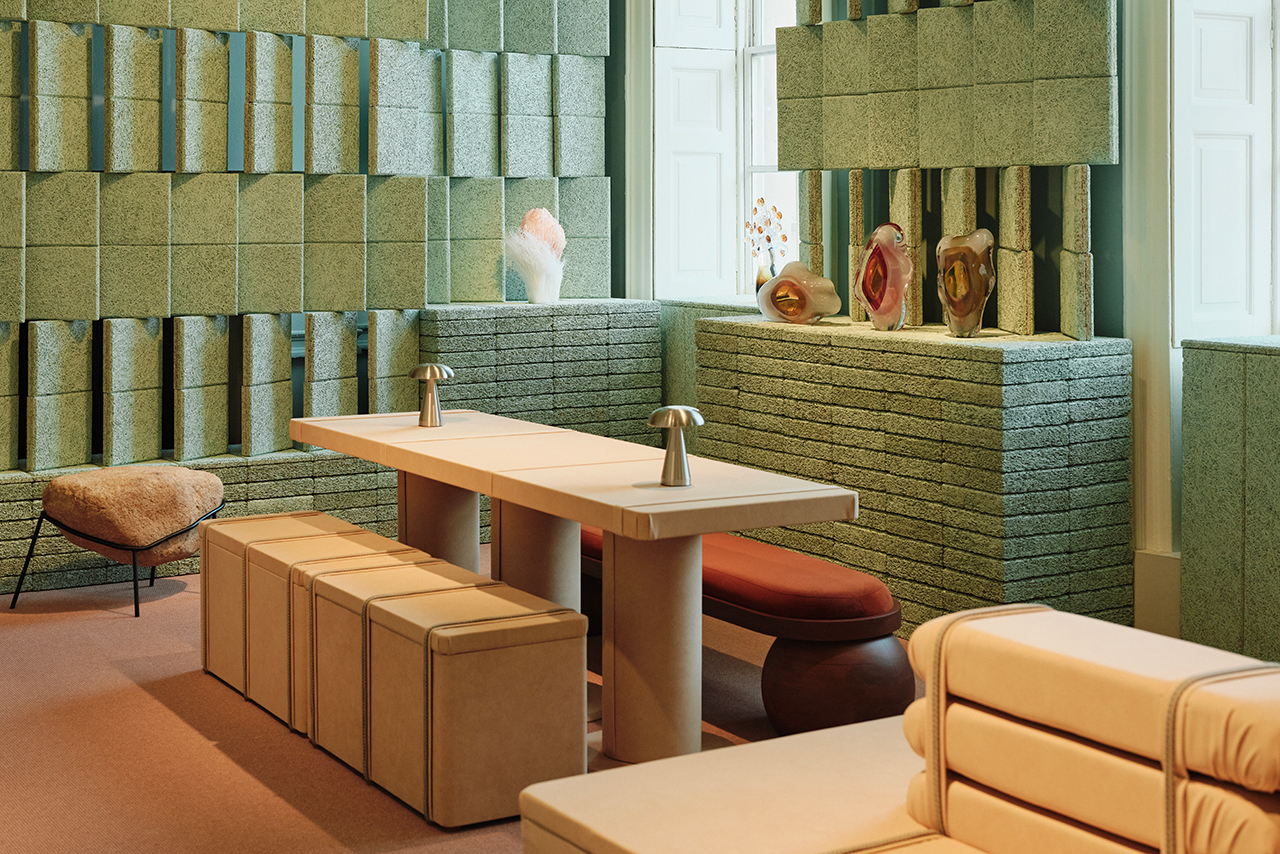
The brief was to create a space of calm amid the fair. We called it The Makers’ Library and the idea centred on materiality and handwork. The design was deliberately restrained, with a small selection of materials repeated and patterned in ways that let you really see them. We wanted to challenge how materials are conventionally used and contrast that with the historic architecture of Somerset House. Because it was a pop-up we were conscious about responsibility, everything needed to be recyclable where possible.
|
Another portfolio highlight is your work for the Africa Centre in London. How did you go about creating a space for the entire diaspora?
The Africa Centre has been around since 1964. It was described at its founding as home to all who are Africans and all those who care for the interest of its people. That sense of collective belonging was already embedded in the institution's DNA before I was appointed. The continent contains multitudes and unifiers. What I tried to do was draw on the dyes, textile traditions, craftsmanship and warmth of Africa but bring them into a contemporary register. I wanted to challenge the reductive idea of what people assume African design to look like.
How does that speak to the broader challenge of balancing a sense of place with globalism?
Designers have a role to underpin their work with rigorous research. I bring a unique perspective by being bicultural and, naturally, I understand the balance and synergy required without being reductive.
How does the work you do impact the day-to-day?
It’s felt in how people move through a space, how long they choose to stay, how they feel when they leave. The decisions around light, colour, texture and spatial layout are not abstract. They have a direct effect on someone’s mood, their comfort, their sense of belonging. That’s both the responsibility and the privilege of this work.
How does design impact broader society?
Design plays a critical role in sharpening discourse. The spaces that we create and the narratives that we embed in them have the power to shift how people see themselves, how they see others, what they believe is possible. It has real economic stakes too in terms of who gets to tell those stories and who gets resourced to do it.
Which city has the best design scene? And where should we visit?
Copenhagen has an incredible design culture that feels progressive, warm and calming. One of my favourite buildings is Grundtvig’s Church. It is a masterclass in contemporary Gothic architecture that still feels relevant and refreshing. I am particularly drawn to the simplicity of its material palette and the tile layouts throughout the space. I also love Mexico City. Casa Luis Barragán is an essential visit for its use of colour, light and emotion, while Lago Algo is a refreshing model for how art, architecture and hospitality can come together in a single space.
For more from Tola Ojuolape, tune into her interview on Monocle On Design on Monocle Radio.
|
|
from the archive: Leyland P76, Australia
When life gives you lemons
The Leyland P76 is a textbook example of why the devil really is in the details. Noticing that the Australian market had taken a liking to cruise-ship-sized Chryslers and Fords, British Leyland Motor Corporation (which once produced Jaguars, Land Rovers and Minis) decided to build a large saloon to compete. The P76, which emerged in 1973, was more spacious than British cars but more restrained than American counterparts. The available colourways had Aussie-humour names such as “Oh Fudge” and “Hairy Lime”.

|
Despite early rave reviews, the P76 became British Leyland’s death knell down under. The first cars were riddled with defects, including ill-fitting body panels and dashboards that melted in the sun. Instead of fixing the production line, executives tried to pinch pennies by setting up a dedicated “Rectification Centre”, where almost all new cars quickly ended up. The P76 became known as a lemon and two years later British Leyland shuttered its last factory in the Commonwealth. With slightly shrewder corporate management, the P76 – and British car manufacturing – might have met a far happier fate.
|
|
IN the picture... Basel Social Club, Switzerland
Framed differently
Gallery architecture and the staging of art has an enormous influence on how a work can be interpreted and experienced. Stark white walls and uniform lighting might isolate a work in an institutional environment, while a work on show in a bustling trade hall (such as the booths in Messeplatz during last week’s Art Basel) transform pieces into commercial objects.
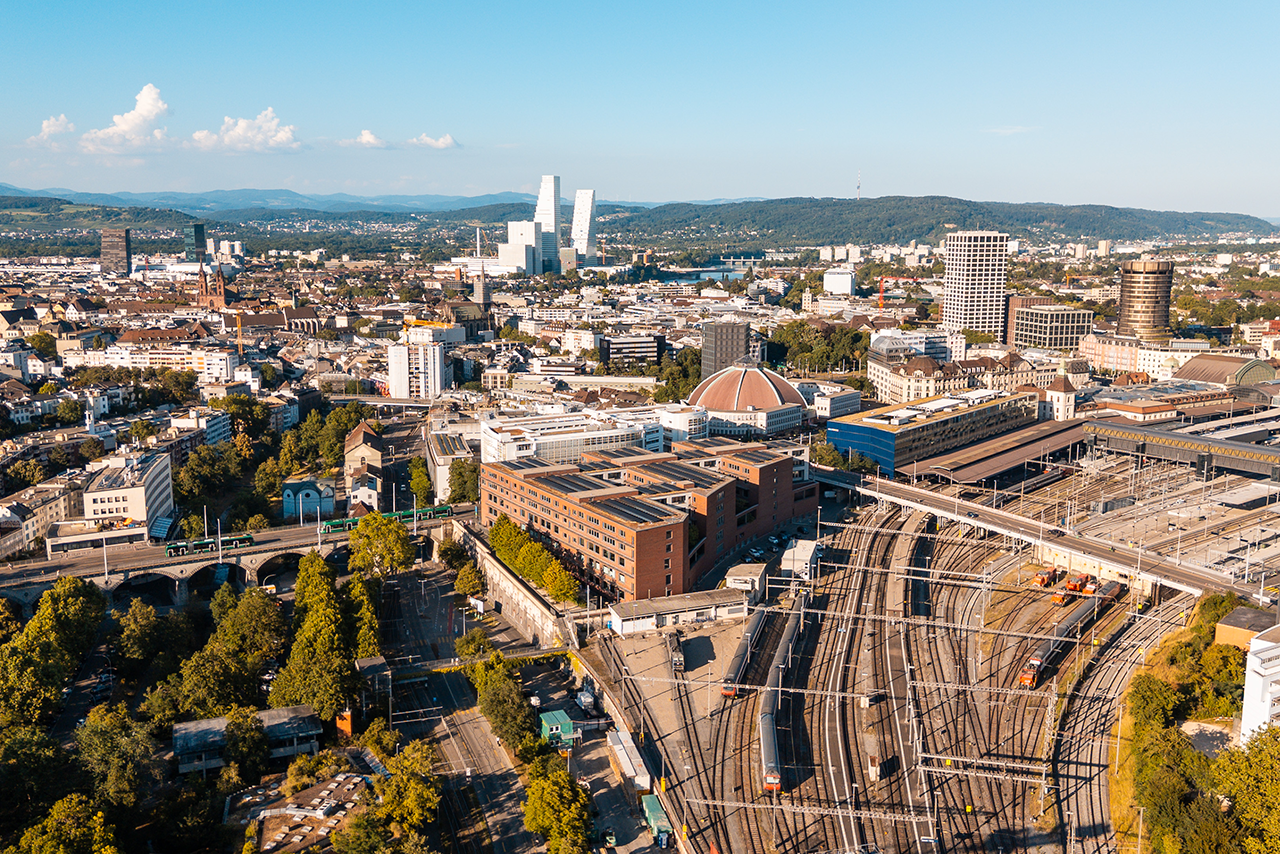
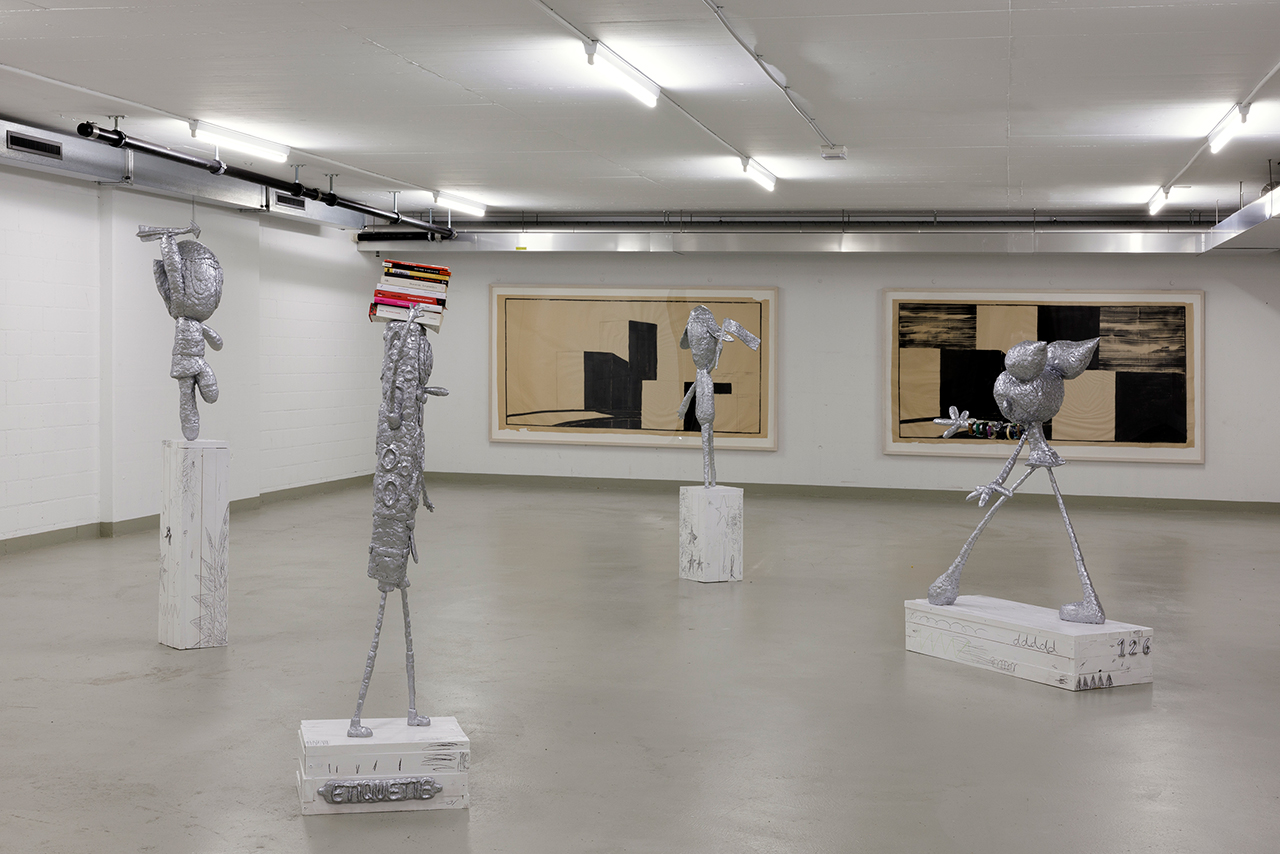
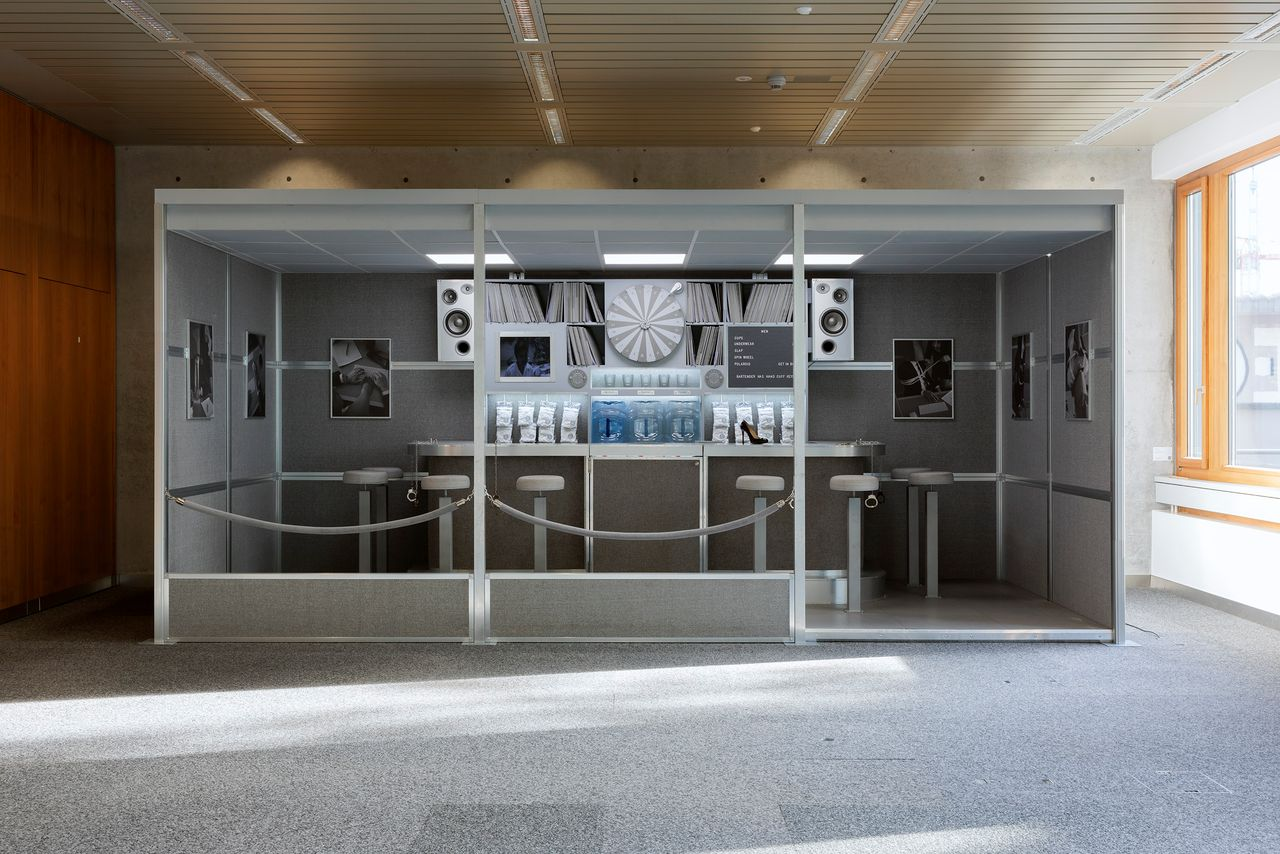
Breaking from these traditions is the Basel Social Club, a now-annual exhibition taking place during the city’s art week that showcases works in forgotten buildings and corners of the city. This year’s event, which wrapped up last week and was backed by the likes of Swiss furniture giant USM, drew thousands to a vacant multistorey office building designed by Diener & Diener near the city’s central station.
|
Here, fine art was exhibited alongside experiential work ranging from dance performances to dining and record bar that doled out advice as well as drinks (pictured, bottom). Visitors to the unexpected setting enjoyed paintings by, among others, David Weiss and sculptures by Florent Bonzon (pictured, top). It’s a move that, in the words of Robbie Fitzpatrick, co-founder of the Fitzpatrick Gallery and the initiator of the Basel Social Club, allowed attendees to experience art and architecture while “reconsidering the workplace not as a site of production but of critical reflection”.
baselsocialclub.com
|
|
| | |