| | In this edition: South Africa’s anti-migrant protesters vow more demonstrations, Senegal’s latest po͏ ͏ ͏ ͏ ͏ ͏ |
| |  | Africa |  |
| |
|
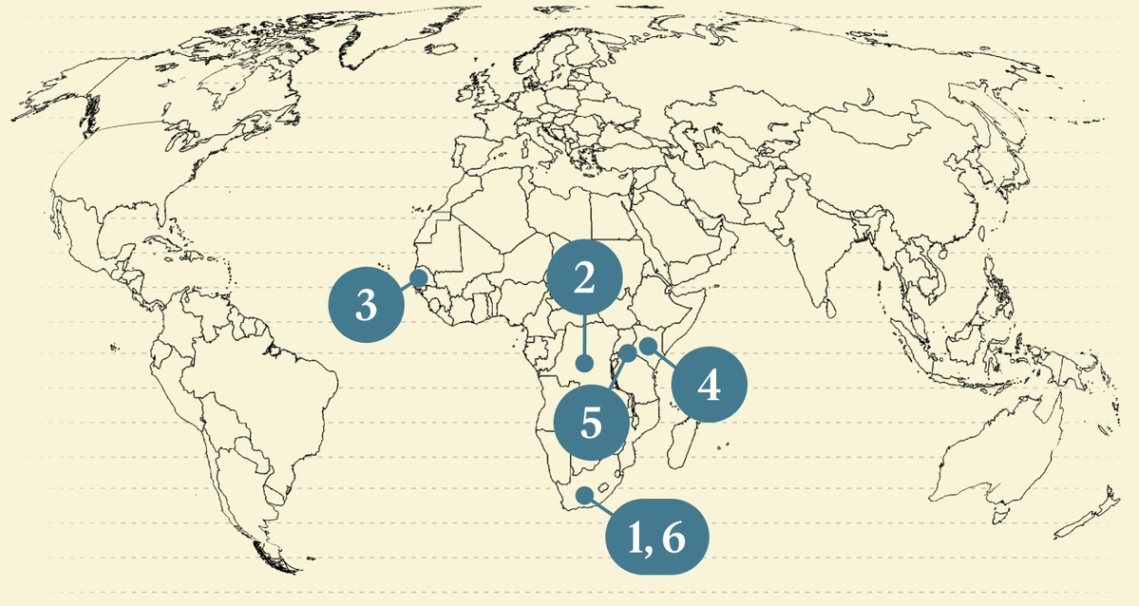 - More S. Africa protests
- Ebola’s economic impact
- Senegal power shift
- Kenya’s World Bank loan
- Fuel security deal agreed
- Robust EV sales
 A new novel about two sisters in 1970s Ghana. |
|
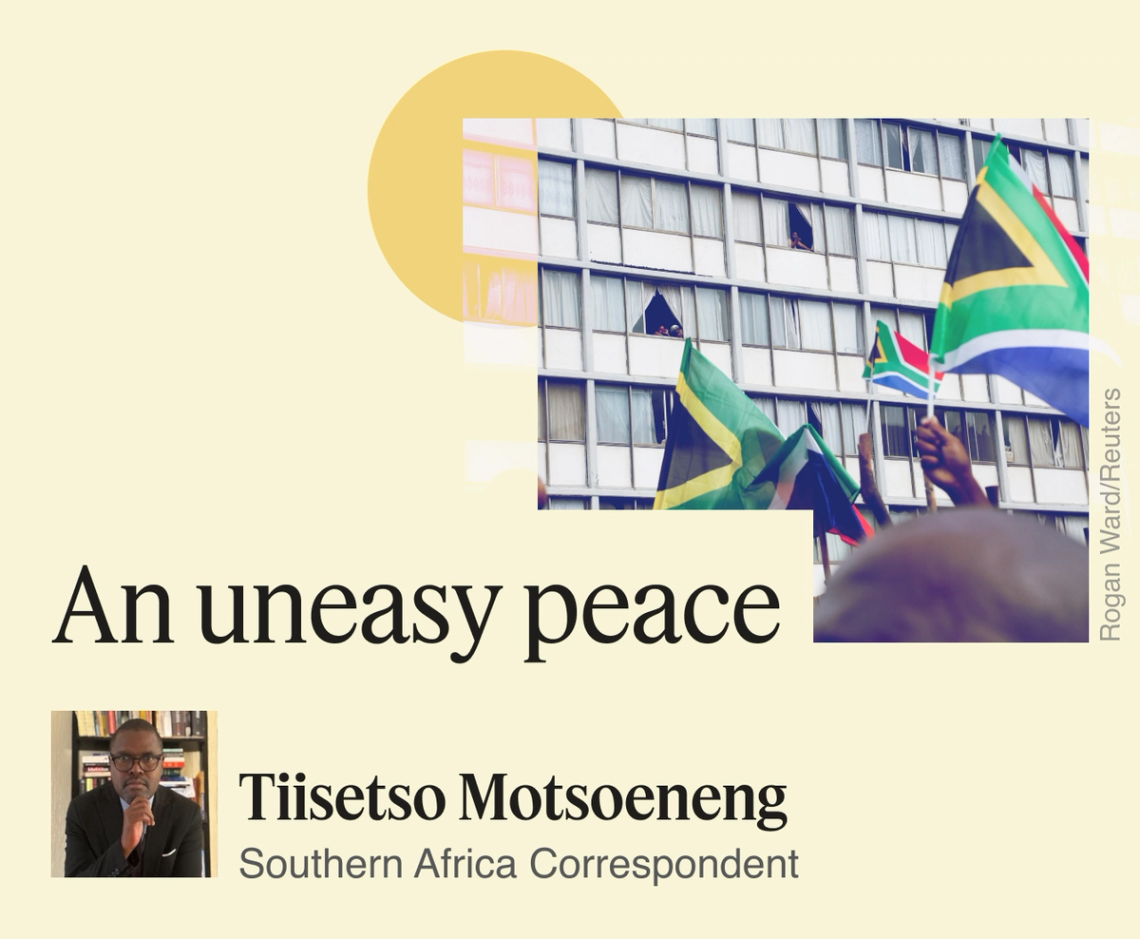 South Africa’s political class will spend the week congratulating itself for a peaceful protest: The country’s major cities saw anti-migrant demonstrations that were largely devoid of violence. The government shifted millions of dollars into the police budget, deployed tactical units, and put soldiers on standby. But the fact that the protests were peaceful is the wrong framing — and the government’s response has done nothing to address underlying problems. Ultimately, the country’s economic hubs — Cape Town, Durban, Johannesburg — were partially shut down because a civic movement, and not the state, dictated the tempo. That is a warning shot: Africa’s biggest economy is buckling under an unemployment rate topping 30%, accelerating food inflation, and an informal retail sector where millions compete for survival. This week’s peaceful marches simply demonstrated that the squeeze is still there and still potent. Unrest in 2021 — when tens of thousands ran amok, looting and torching shopping malls and trucks — showed that failure to deliver basic services, corruption-driven state paralysis, and criminal opportunism can combine to produce the most expensive civil disorder in post-apartheid South Africa. This week’s shutdown was the peaceful sequel. Same vulnerability, different tactics. The absence of violence this week was not evidence of stability. It was evidence of how easily South Africa’s economic core can be bent — and how little authority the state can project when confronted with organized pressure. A government that cannot deliver jobs, services, or clean governance will continue to face mobilization from citizens who feel abandoned, and opportunists who see weakness as an opening. South Africa avoided another 2021. But it also confirmed why 2021 happened. Policymakers should treat it as a reminder that the country’s foundations are still cracking — and if the drift continues, the next rupture will be something darker.
|
|
S. Africa to see more anti-migrant demos |
| |  | Tiisetso Motsoeneng |
| |
 Rogan Ward/Reuters Rogan Ward/ReutersThe leaders of South Africa’s anti-migrant protests vowed a rolling campaign targeting the country’s commercial hubs, after tense nationwide demonstrations ended with activists giving the government until the end of the year to enforce mass deportations and workplace quotas. The ultimatum puts the country on a knife-edge and heaps pressure on President Cyril Ramaphosa to make good on his promises last month to cut off undocumented migrants from Africa’s biggest economy. Xenophobic violence has flared up in recent months in the world’s most unequal society: One in three are unemployed and municipal services are failing against a backdrop of rising food inflation and intense competition in the informal retail sector. |
|
Ebola outbreak could cost $3.6B |
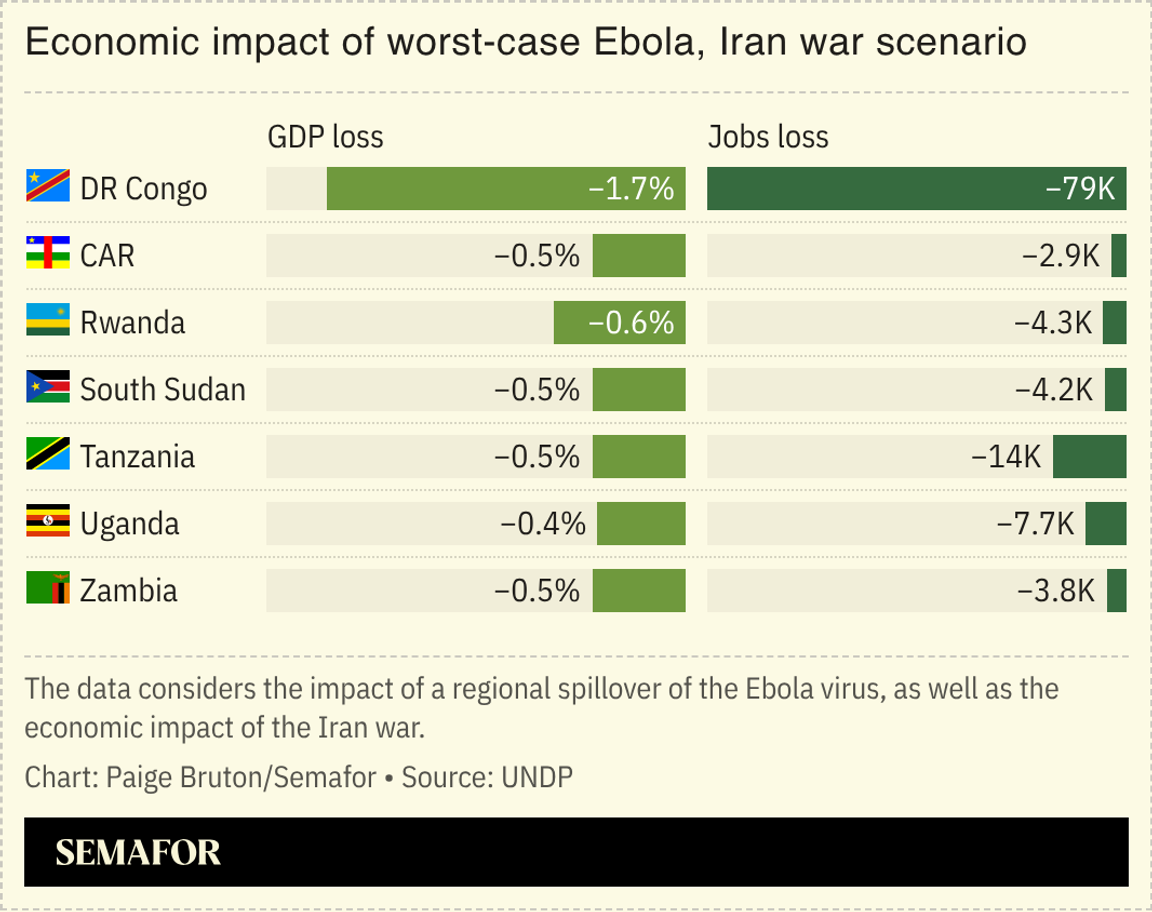 The UN warned that the ongoing Ebola outbreak in Central Africa could cost the continent as much as $3.6 billion and hundreds of thousands of jobs. A worst-case scenario involved the outbreak spreading beyond DR Congo and Uganda to other countries, including Rwanda and Angola, and coinciding with higher fuel costs tied to the Iran crisis. Officials in DR Congo, meanwhile, fear the disease may have spread to two new provinces, Reuters reported. The Bundibugyo strain, for which there is no vaccine or treatment, has infected around 1,300 people and killed more than 300 in the country since an outbreak was declared on May 15. Authorities have said they are playing catch-up with the virus. Dwindling medical supplies and widespread skepticism about the disease have made health workers’ jobs more challenging, and a vaccine is likely weeks away. |
|
Senegal’s political crisis deepens |
 Senegal’s President Bassirou Diomaye Faye. Marvellous Durowaiye/Reuters. Senegal’s President Bassirou Diomaye Faye. Marvellous Durowaiye/Reuters.Senegalese lawmakers voted to curtail the president’s powers, deepening political turmoil in the nation as it grapples with a debt crisis. The proposed reform — which sparked scuffles in parliament and protests in the streets — seeks a “rebalance of power” by empowering parliament while banning the president from leading a political party or a coalition. It will go to a national referendum, though no date has been set. The proposal was tabled by the Pastef party, led by Ousmane Sonko, the speaker of the National Assembly who was dismissed from his previous role as prime minister by President Bassirou Diomaye Faye last month, triggering a political firestorm in a country long seen as a regional bastion of democracy. The latest twist comes as Dakar seeks to untangle itself from a debt crisis that has plagued its economy since 2024, when the government uncovered billions of dollars in undisclosed loans, forcing the IMF to suspend lending. — Jenny Vaughan |
|
World Bank lends $750M to Kenya |
 Akhtar Soomro/File Photo/Reuters Akhtar Soomro/File Photo/ReutersThe World Bank approved a $750 million loan to Kenya to support the government’s efforts to bolster the economy by increasing investment. The financing will help Kenya fund a $37 billion budget, a third of which is allocated to servicing the country’s nearly $100 billion debt. The Washington lender praised financial management reforms that William Ruto’s government has undertaken to improve Kenya’s fiscal climate, including an anti-corruption push to plug leaks in public finance. But it called for a need to “stay on the path of these reforms to ensure fiscal and debt sustainability.” The World Bank also approved a long-term partnership strategy with Nigeria, which includes $1.25 billion in financing, in an effort to boost job creation and economic growth. |
|
Kenya, Rwanda sign fuel deals |
 Laban Walloga/Reuters Laban Walloga/ReutersNairobi and Kigali signed three agreements to expand landlocked Rwanda’s access to petroleum imports. They come as African nations attempt to boost energy security and diversify supplies while a fuel crisis bites across the continent. Rwanda imports all its petroleum products overland through two ports, one in Dar es Salaam, Tanzania and the other in Mombasa, Kenya. The new deals mean more of Rwanda’s fuel will pass through the Mombasa route. Energy importers across Africa have been hard hit by the Iran war and the de facto blockade of the Strait of Hormuz, through which much of Africa’s fuel passed before the conflict. The crisis has spurred efforts to make the continent less dependent on energy imports: Nigeria’s Dangote Group said it was looking to expand its oil refining capacity in the coming years and open another refinery in East Africa. |
|
Fuel crunch boosts Africa EV sales |
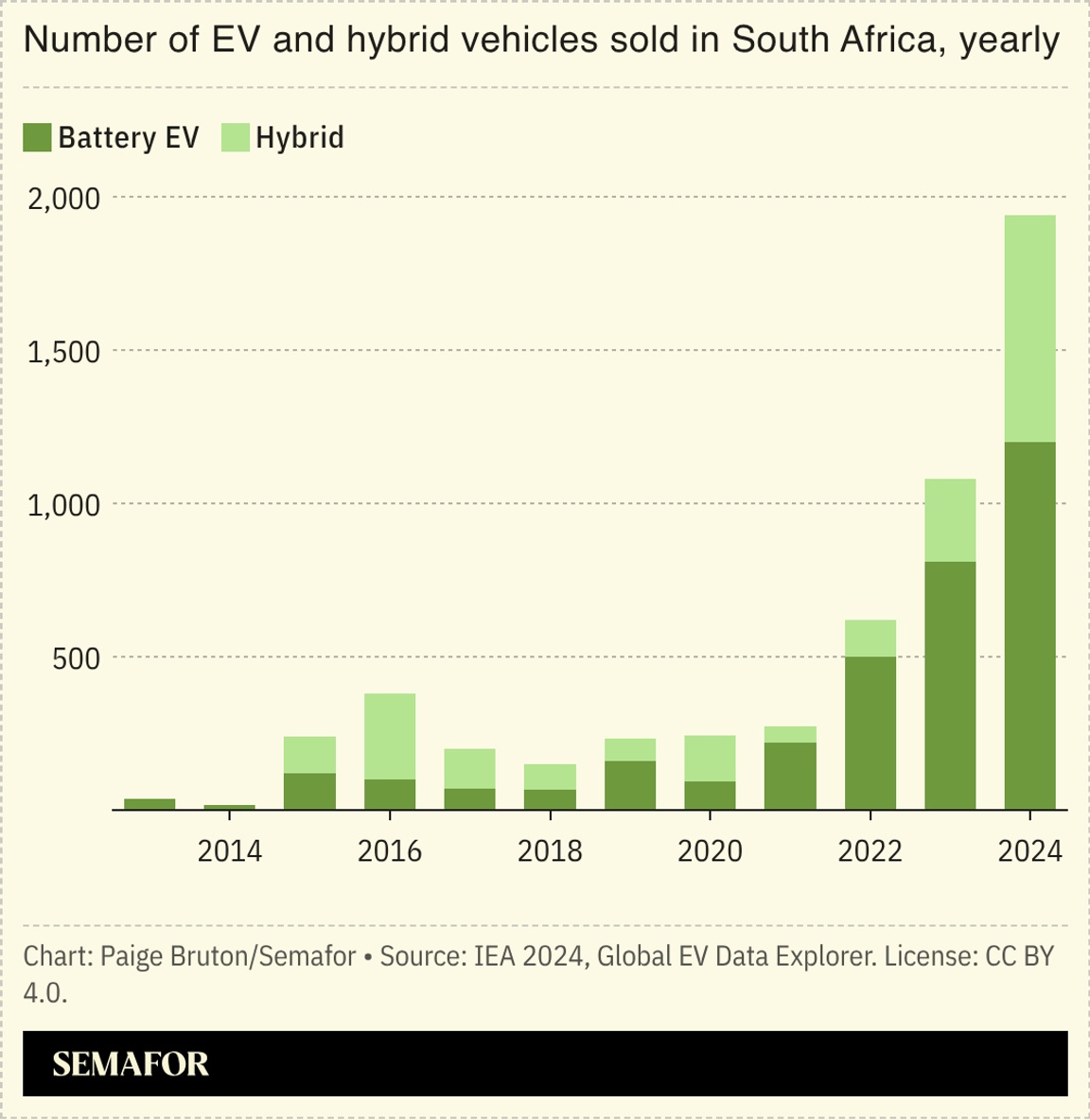 Overall vehicle sales in sub-Saharan Africa are expected to grow at a slower rate than previously forecast, mainly due to rising fuel costs triggered by the Iran war, but EV purchases on the continent should remain robust, according to a new report. In most African markets, Chinese EVs cost the same as their internal combustion engine alternatives, according to research firm BMI. Soaring fuel costs in import-reliant markets such as Kenya have further boosted the case for EVs, especially for high-usage consumers and fleet operators. But weak charging infrastructure, limited and unreliable electricity supply outside major cities, and high financing costs could constrain widespread adoption on the continent, even as investors race to build out infrastructure. — Jenny Vaughan |
|
 Business & Macro |
|
|


