Melinda French Gates’ Pivotal Ventures invests in companies and funds that, alongside its work in policy advocacy and philanthropy, help to advance women’s power. One subcategory is caregiving—lobbying for paid family leave and other policies that support women, and finding ways to support that mission in the for-profit sector too, as French Gates
discussed with me recently.
The VC fund Magnify Ventures has a remarkably aligned thesis—and Pivotal just came back as an LP in its $46 million Fund II,
Fortune is the first to report.
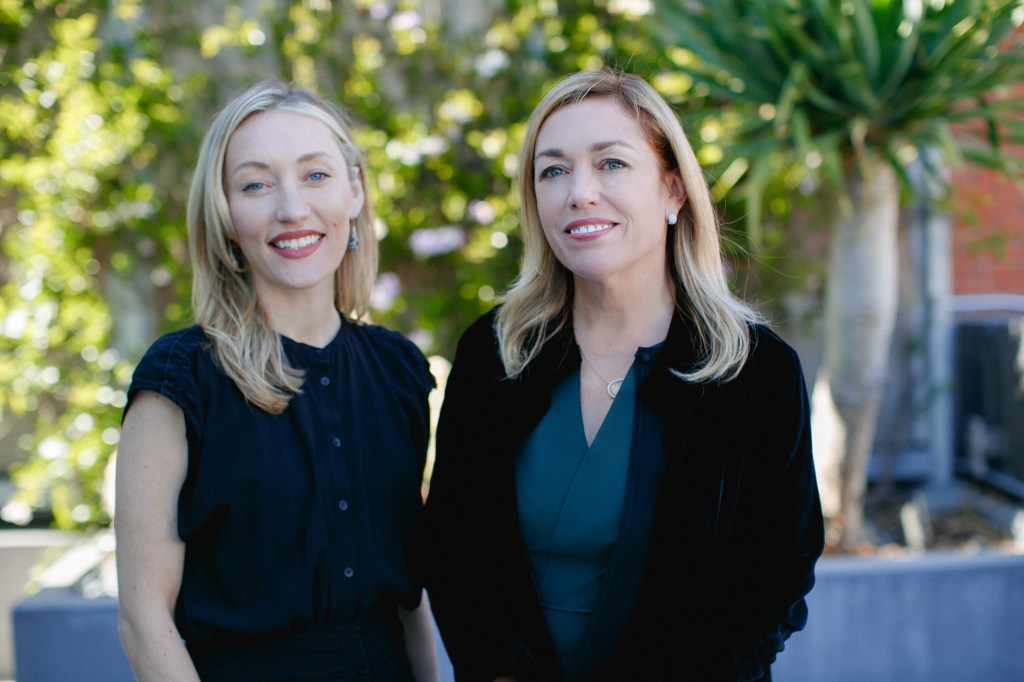
Magnify was cofounded by general partners Joanna Drake and Julie Wroblewski. And it’s no coincidence it has a lot in common with Pivotal. Wroblewski was one of the earliest execs at the firm, and she launched its original funds of funds practice, backing funds that could then go on to back companies that improve women’s lives. She chose to leave and launch a fund that would advance similar goals, with the idea that a fund directly investing in startups could “go faster” to back early-stage founders in the care economy. (Since then, Pivotal has also expanded its investing practice to directly backing
a handful of startups itself, but it still focuses mainly on funds with 27 investments in funds as an LP and 13 in early-stage companies.)
Magnify’s Fund 1 was $52 million—which means it will now in total deploy close to $100 million into startups that are part of what it calls the care economy. With that $52 million, it made 21 investments; it hasn’t started investing out of Fund II yet.
“It’s a massive white space,” says Drake. (I couldn’t talk to Wroblewski because she just gave birth this month—following in the footsteps of Drake, who went into labor with twins two days after she closed $40 million to launch Al Gore’s Current TV in the 2000s.)
Magnify’s portfolio so far includes the caregiver support tech platform Nolia Health; the digital health platform MiSalud for Spanish-speaking families, which taps Mexico-based doctors for telehealth services; and the estate settlement tech platform Alix.
Pivotal’s senior director of investments Erin Harkless Moore describes Magnify as “one of the first to recognize this massive, under-resourced opportunity. “Their work reflects our conviction that an investment in caregiving is an investment in the economic opportunity, health, and well-being of American families,” she says.
The Magnify duo define the care economy broadly—beyond digital health, it might include cybersecurity protection (especially for vulnerable, or elderly, family members).
Drake sees an opportunity for tech solutions to problems that were once too big for startups to solve. “It is true, if you look three, four, five years ago, some of these areas by necessity required public and private and technology coordination to solve for, but we’re going to see all three factors coming together very rapidly,” she says. “There are all these pockets that I think are just really going to light up quickly.”
Emma Hinchliffeemma.hinchliffe@fortune.comThe Most Powerful Women Daily newsletter is Fortune’
s daily briefing for and about the women leading the business world. Subscribe here.