|
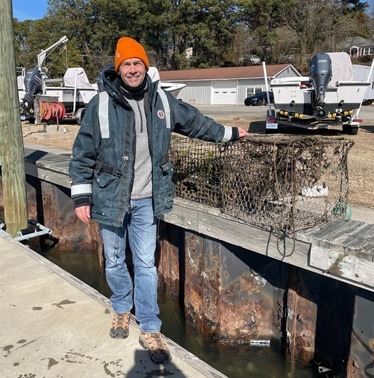
Jason Philibotte, Director of the NOAA Marine Debris Program, stands near retrieved crab trap debris while on a site visit with the Virginia Institute of Marine Science Nationwide TRAP Program (Photo Credit: NOAA).
Twenty years ago, the NOAA Marine Debris Program was established as the U.S. Government’s lead to reduce and prevent the adverse impacts of marine debris on our ocean and Great Lakes. Jason Philibotte, Director of the NOAA Marine Debris Program, reflects on the experiences that inspired his commitment to addressing marine debris and the partnerships that have advanced solutions over the past 20 years. He looks back on the program's accomplishments, shares lessons learned from witnessing marine debris impacts firsthand, and considers the work still ahead.
Follow along and celebrate two decades of collaborative action.
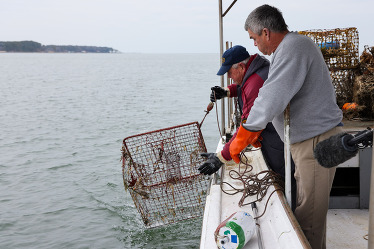
A derelict crab trap is removed from the York River, Virginia (Photo Credit: John Wallace/VIMS).
Firsthand perspectives from industry workers help show how marine debris affects jobs and livelihoods in coastal communities. With support from a 2023 award from the NOAA Marine Debris Program, the William and Mary’s Batten School and the Virginia Institute of Marine Science (VIMS) Nationwide Trap Removal, Assessment, and Prevention (TRAP) Program is addressing derelict fishing gear across the country. The program removes abandoned fishing traps while collecting data on where and why gear is lost. Through subgrants, the Nationwide TRAP Program supports regional efforts to remove traps and prevent future loss.
Watch the video created by Green Fin Studio, in partnership with VIMS.
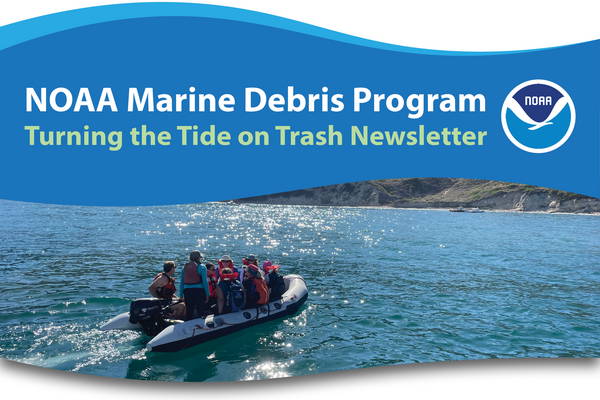
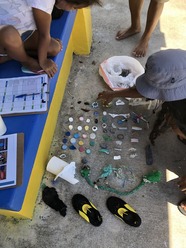
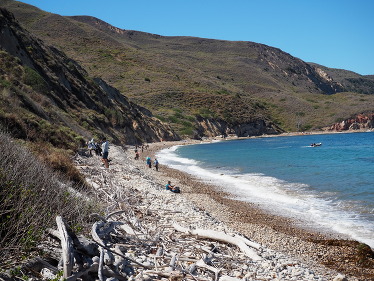
Volunteers scour the shoreline for marine debris on Santa Rosa Island in the Channel Islands, California (Photo Credit: NOAA Marine Debris Program).
Channel Islands National Park and Channel Islands National Marine Sanctuary protect some of California’s richest coastal and marine habitats. Keeping these remote islands and surrounding waters free of marine debris requires extensive collaboration among volunteers, conservation organizations, and local lobster fishers who help recover debris from difficult-to-access shorelines. With support from a 2023 award from the NOAA Marine Debris Program, the National Marine Sanctuary Foundation is working with Santa Barbara Channelkeeper, Island Packers, Commercial Fishermen of Santa Barbara, California State University Channel Islands Santa Rosa Island Research Station, and other regional groups to remove large and hard-to-reach marine debris from the Channel Islands. Volunteer cleanup crews have removed over 18,168 pounds of large debris, including lost fishing gear, from the islands so far. More than 150 volunteers have contributed to over 10 cleanups across Santa Rosa, Santa Cruz, and Anacapa Islands.
Learn more about cleaning up the Channel Islands. |