A $26 billion U.S. stock offering by South Korean memory chip giant SK Hynix looks likely to benefit from colossal investor interest in the hardware companies powering the AI boom. At least one smaller tech manufacturer is angling to take advantage of the investor frenzy. ScaleFlux, a 12-year-old startup that designs memory controllers and storage drives used in AI data centers, wants to go public as soon as this fall, according to people familiar with the talks. It has picked banks including Goldman Sachs, Morgan Stanley and Barclays to advise on the offering. (Spokespeople for the banks declined to comment, and a ScaleFlux representative couldn’t be reached for comment.)
Join The Information for AI Agenda Live on Wednesday, September 23, at SFMOMA. We’re bringing together the industry’s most influential researchers, founders, and investors to preview the next wave of innovation—from breakthroughs in continual learning models to the latest bleeding-edge applications. Learn more here.
Welcome back!
A $26 billion U.S. stock offering by South Korean memory chip giant SK Hynix looks likely to benefit from colossal investor interest in the hardware companies powering the AI boom. At least one smaller tech manufacturer is angling to take advantage of the investor frenzy.
ScaleFlux, a 12-year-old startup that designs memory controllers and storage drives used in AI data centers, wants to go public as soon as this fall, according to people familiar with the talks. It has picked banks including Goldman Sachs, Morgan Stanley and Barclays to advise on the offering. (Spokespeople for the banks declined to comment, and a ScaleFlux representative couldn’t be reached for comment.)
ScaleFlux may get a valuation of a few billion dollars in an IPO, those people said. It has raised more than $280 million from investors, most recently at a $1 billion valuation in 2021, according to PitchBook.
An offering would try to take advantage of investors’ recent realization that AI’s complex workloads have caused a shortage in memory and related components, which has sent prices soaring and revenues of memory chip companies exploding.
Shares of Micron, which makes high-bandwidth memory, have surged 214% this year. Sandisk, which makes NAND flash memory, has gained 575% this year. And Samsung shares have more than doubled: The electronics maker recently told investors its second-quarter operating profit would surge 1,800% from the year ago quarter—largely thanks to memory chip demand.
Citi’s Robot Legions
It’s possible the only thing buzzier than memory chips is robotics.
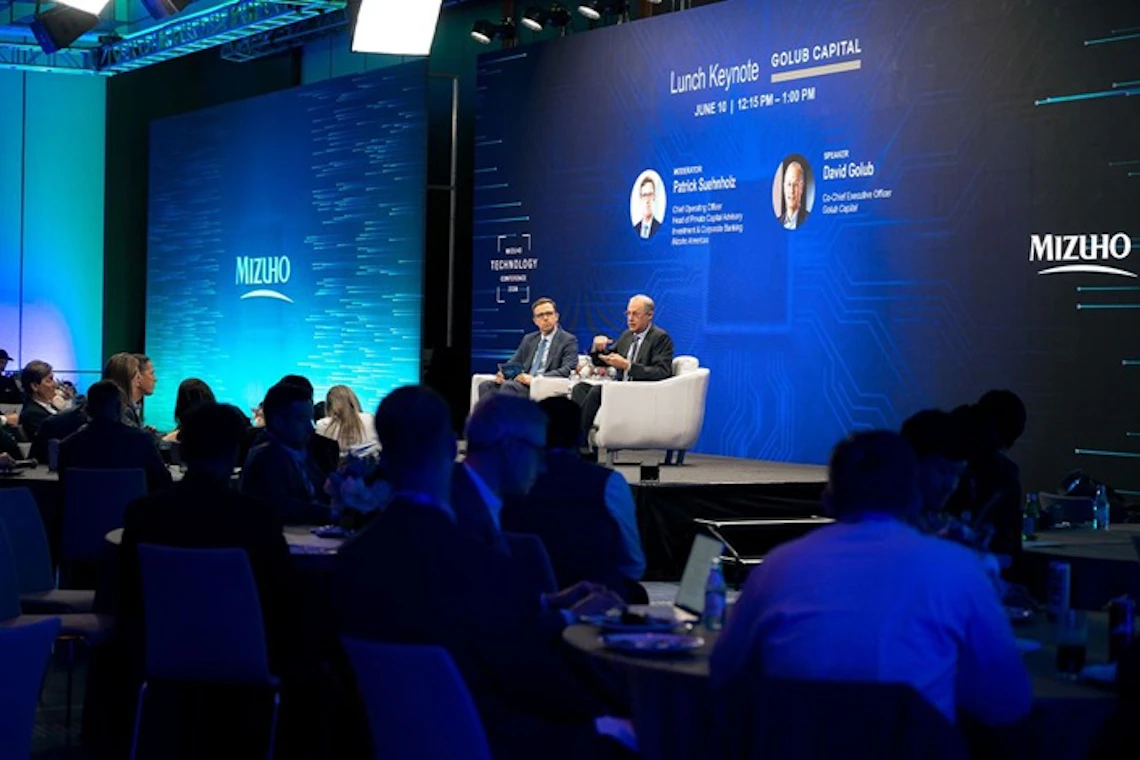
On Tuesday, Citigroup hosted its fourth annual Robotics and Physical AI Leadership Conference, attracting more than 200 investors and companies including Agility Robotics, Nuro, Locus Robotics, FieldAI and Symbotic at the bank’s New York headquarters.
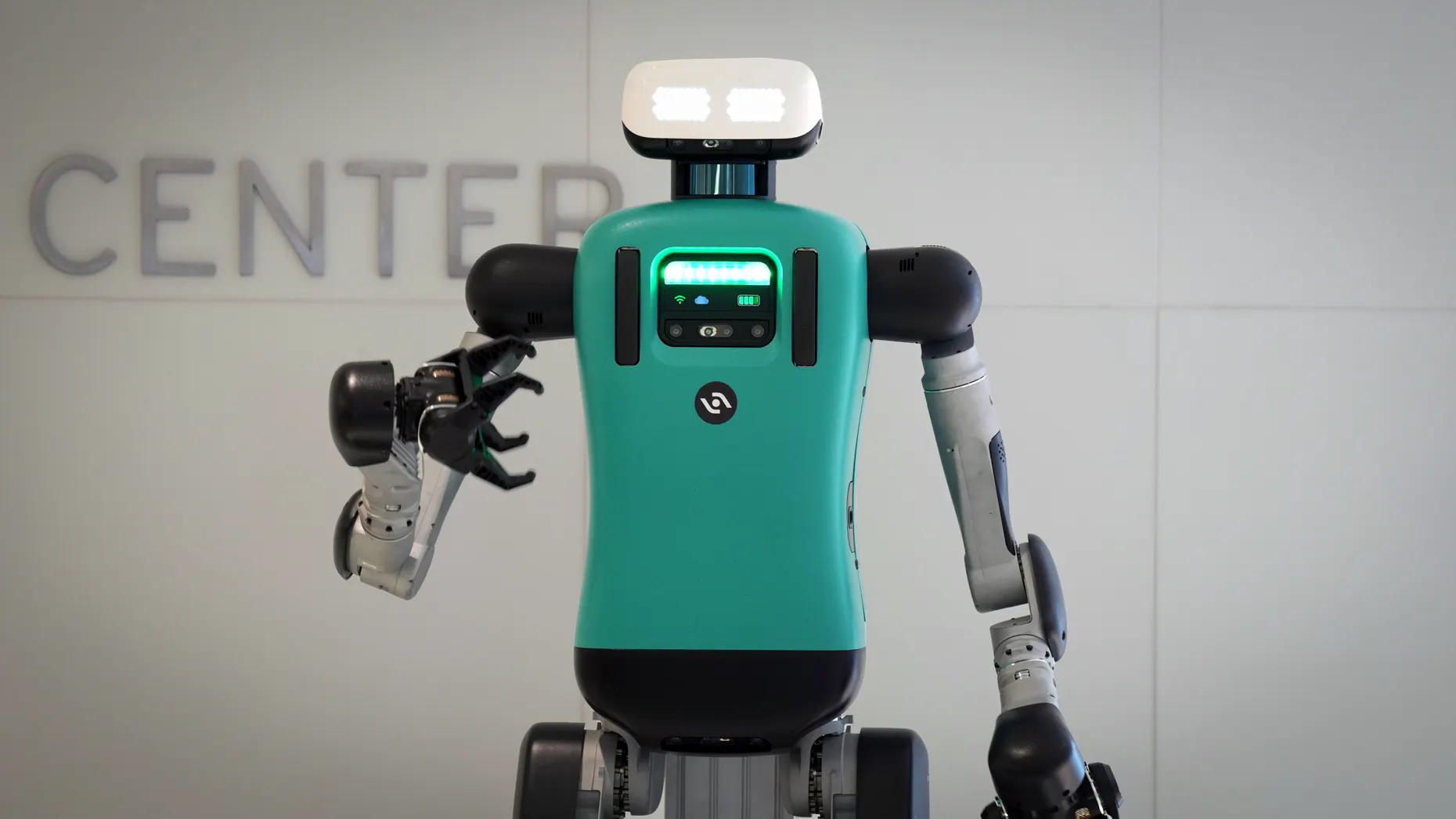
When I arrived,I was greeted by Digit, a human-size robot developed by Agility that helps human workers move heavy items from one assembly line or station to another.
It’s a good time for roboticists to hobnob with investors. Venture capital firms and other investors have poured billions of dollars into robotics startups in the last year, backing humanlike bots such as those made by Neura Robotics, companies that develop large AI models to power robots, and many others.
Developing robots takes time—and lots of capital.
“Investors clearly recognize that physical AI is going to be exponentially harder because the technology needs to work in the real world,” said Anand Govind, Citi’s managing director of AI and enterprise software investment banking, in an interview at the event. “At the same time, it’s going to take exponentially more capital.”
That may explain why the tone this year among investors is more focused on commercialization.
“It’s not about asking questions such as do the robots dance or do backflips, but how do you actually get into the factory floors and the commercial spaces?” said Shenwei Zhu, head of industrial technology and robotics banking at Citi.
Investors are asking companies where and how they’re deploying their technology at commercial scale and what kind of economic value robots are generating at the unit level, Zhu said.
The need for capital has already encouraged two companies to turn to public markets. Agility in June merged with Churchill Capital Corp. XI, a blank-check company run by former Citi banker Michael Klein (Citi advised Churchill on the transaction). The combined company aims to raise as much as $620 million.
Softbank is also spinning out a new business focused on AI and robotics named Roze AI, which aims to go public in the coming months, though its plan could change, according to a person familiar with its plan.
Just before I headed out, I checked out a self-driving car made by startup Tensor parked outside the bank on Hubert Street. Tensor’s robocar looks very similar to a Waymo, except the startup envisions individuals will own them. Unfortunately, I had to take the subway back to the office.
AI Agendaby Stephanie Palazzolo separates hype from reality and explains how AI is transforming industries. The 4x/week newsletter details the innovation and disruption happening in AI, from the AI startup funding frenzy to the major technological breakthroughs that will set the agenda for decades to come.Sign up today.
One year of TITV calls for a toast. Join The Information on July 16 in San Francisco as we celebrate TITV’s first year with a happy hour for the insider community shaping and covering the defining stories in tech. Request an invite to attend.
Request an invitation to join The Information and EY for an exclusive dinner bringing together senior leaders for candid conversation on closing the trust gap in enterprise AI.
Get ahead of the story. Purchase your ticket to AI Agenda Live, where The Information's reporting team convenes the leaders driving the next era of AI. Early Access pricing available now.
Tickets on sale now: The Information returns to Napa Valley October 27–28 to convene senior women across tech, media, and finance. Join us for two days of intimate, candid conversations with the leaders navigating today’s global shifts.