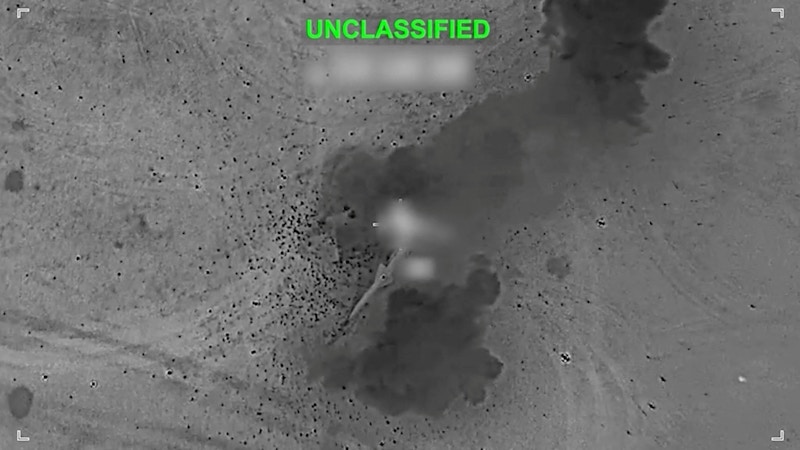
Smoke rises at an unknown location from what the US military said were strikes on Iranian military targets. REUTERS/US Central Command |
|
|
|
An Exolum refueling tanker fills an airplane at Almeria airport in Spain. REUTERS/Nacho Doce |
-
Europe's jet fuel inventories stood at 38 million barrels at the start of June, Energy Aspects said. That leaves Europe with less than 30 days of demand cover, Reuters calculations show — the tightest of the major jet fuel markets.
-
Volkswagen could cut around 50,000 additional jobs based on calculations aimed at bringing the carmaker into line with the cost competitiveness of other companies, CEO Oliver Blume told staff in an internal memo seen by Reuters.
-
SK Hynix shares fell more than 15% in trading on Monday, its biggest one-day decline on record, as investors in Seoul cashed out of a scorching share price rally following its Nasdaq debut last week.
- Ford said it has reached a tentative agreement with Canadian auto union Unifor on a three-year national labor contract. The contract covers more than 5,000 unionized employees in Canada, the company said.
-
TSMC, the world's largest contract chipmaker, reported second-quarter revenue that rose 36% from a year earlier to a record high on surging interest in artificial intelligence applications.
|
|
|
|
Extreme heat threatens Italy's Parmesan heartland |
A cow stands in a corridor among herd mates battling soaring temperatures in Medesano, Italy. REUTERS/Matteo Minnella |
Fifty years ago, farmers in Italy's Emilia-Romagna region used to open the windows in their barns at night during the summer to keep their cattle cool.
Today, as heatwaves send temperatures soaring to record highs, those windows stay open round the clock to protect the cows, and ultimately their milk, the foundation of the area's centuries-old Parmigiano Reggiano cheese industry.
Production of authentic Parmigiano Reggiano is only allowed in five provinces, and cows must be fed exclusively with grass and hay grown there. "If it doesn't rain, grass doesn't grow, hay cannot be produced and it's impossible to obtain the milk needed to make the cheese," Bertinelli, 54, told Reuters. |
|
|
|
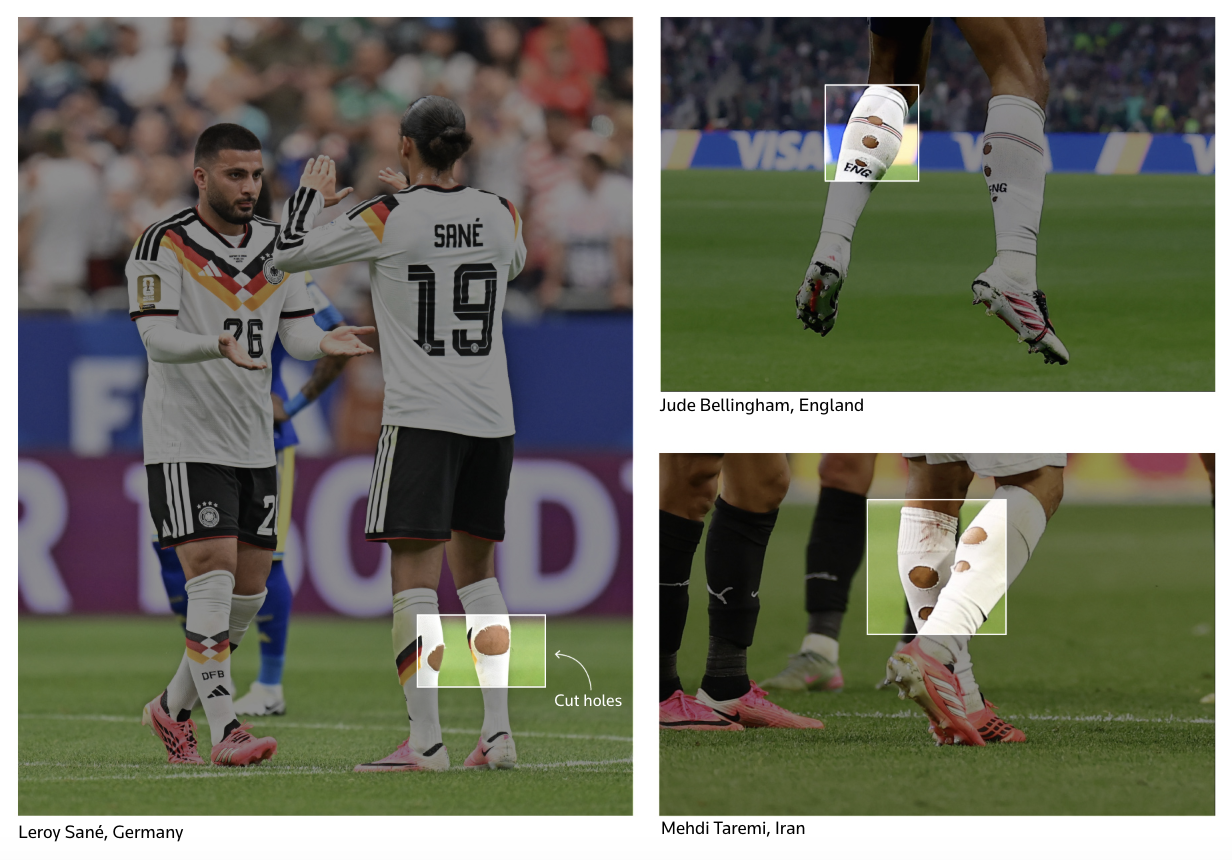
Players are increasingly cutting holes into their socks, exposing their calf muscles in a trend said to improve comfort and reduce pressure. REUTERS |
The details of footballers’ attire at the World Cup are shaped as much by personal preference and style as by performance. Nowhere is this more visible than from the knee down, where players take different approaches to how they wear their socks, blending comfort, performance and aesthetics.
|
|
|
|
|