+ The fight over 2026 is underway.

Follow the biggest developments in courts, law firms and legal practice with Reuters. Subscribe for $1/week.


The Daily Docket

The Daily Docket

A newsletter by Reuters and Westlaw

By Caitlin Tremblay

Good morning. Today we begin with a look at how the legal fight over the midterms has already begun. Plus, Viasat and Kioxia head to trial in a data storage patent case; prosecutors face a deadline to submit justification for dropping criminal charges against Gautam Adani; and the 11th Circuit rebuked a lawyer over “fake and hallucinated” case citations. How it’s already Monday is almost as mysterious as these ancient quasars. Let’s dive in nonetheless.

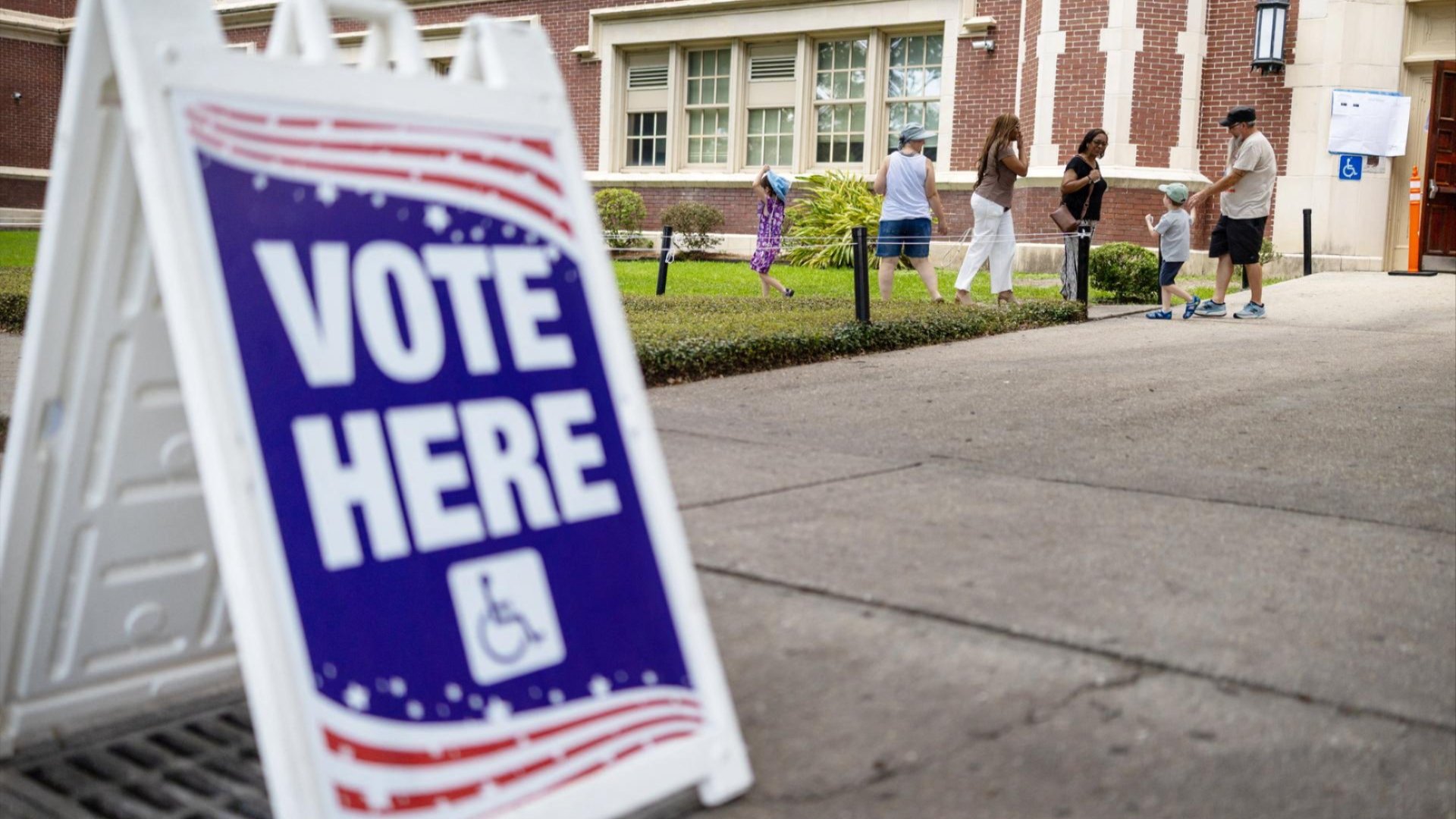
The legal fight over the midterms is already underway


REUTERS/Kathleen Flynn

The 2026 midterms are still months away, but the rules governing them are already changing.

In the past few weeks, the U.S. Supreme Court loosened restrictions on campaign spending, the DOJ warned state election officials they could face criminal liability over voter rolls, and the Trump administration removed the remaining members of a federal election commission. 

More money, fewer limits
One of the biggest changes is financial. The SCOTUS decision could give national party committees a bigger role in competitive races, potentially reshaping how campaigns raise and spend money.

A bigger federal role in election administration
The DOJ's voter-roll warning signals a more assertive federal approach to election oversight, an area traditionally managed by states.

Questions about election oversight
The removal of the remaining Election Assistance Commission members comes as courts have given presidents more authority over independent agencies. The move underscores a broader debate over how much control the White House should have over bodies that historically have operated with a degree of independence from partisan politics.

Why it matters
The battle for Congress won't just be fought on the campaign trail. The legal rules, institutions and powers that shape elections are also being contested and could help define the 2026 midterms.


Coming up today

  • IP: Satellite-communications company Viasat will attempt to convince a jury in Waco, Texas, that chipmaker Kioxia's solid state drives violate its patent rights in flash-memory technology. The trial will likely last one week. 
  • Criminal: U.S. prosecutors face a deadline today to provide a federal judge with additional justifications as to their reasoning for abandoning a criminal prosecution against Indian billionaire Gautam Adani. 
  • Judiciary: The U.S. Senate will vote to confirm Arthur "Rob" Jones, a high-ranking prosecutor in the U.S. Attorney's Office for the Southern District of Texas, to serve as a federal judge in that district.

Court calendars are subject to last-minute docket changes.


More top news

  • U.S. judge says DOJ lawyers can work from home pending lawsuit over telework policy
  • Goldman lawyer Ruemmler to be questioned by House panel on Epstein ties
  • Trump administration ties states' anti-terrorism grants to election security
  • DOJ says white supremacist charged after threats to U.S. lawmaker, Muslims and transgender people
  • U.S. extends work permits for Haitians, other immigrants with temporary protected status
  • DOJ investigating allegations around UAW President Shawn Fain
 

Industry insight

  • The 11th Circuit rebuked Florida lawyer Anthony Sabatini for filing briefs riddled with what it called “fake and hallucinated” material generated by AI and issued a broad warning against outsourcing legal work carelessly to AI.
  • Jones Day settled a $9.6 million lawsuit against private equity firm Centre Lane Partners over allegedly unpaid legal fees.
 

$200 million

That's the amount consumers could pursue in damages from third-party software developers under a proposed class action settlement with Amazon. The deal would allow consumers to seek compensation from developers of “social casino apps” tied to alleged illegal gambling transactions on Amazon's online marketplace. Read the filing.


"This court does not write here to criticize a lawyer for throwing stones. It writes because the lawyer who cried ‘frivolous’ was himself the one without a case."

—Chief Judge Matthew Solomson of the U.S. Court of Federal Claims, sanctioning lawyer Mark “Thor” Hearne and warning about filings built on “fictional” authority. Read the ruling.


In the courts

  • Immigration: The DOJ sued Maryland over what the Trump administration cast as the state's “sanctuary” policies that it alleged were interfering with the federal government's immigration ‌ crackdown. Read the complaint.
  • DEI: The New York Times accused the U.S. Equal Employment Opportunity Commission of illegally ‌retaliating against the newspaper for its coverage of President Trump's administration by suing it for passing over a white man for a top editorial role.
  • Trade secrets: Apple sued OpenAI and two former employees, alleging misappropriation of its trade secrets to benefit the ChatGPT-owner's foray into consumer hardware, a dramatic escalation of already simmering tension between the two companies.
  • Immigration: The 5th Circuit said it would reconsider whether the Trump administration can subject thousands of immigrants to mandatory detention, after a panel on the same court ruled last week it could not hold them past 90 days unless they are granted a chance to seek release on bond.
  • LGBTQ+: U.S. District Judge James Boasberg in D.C. declined for now to block the Federal Trade Commission from pursuing a lawsuit accusing a nonprofit focused on transgender health of making misleading statements about the benefits ‌of gender-affirming treatments for minors.
  • AT&T agreed to pay $184.1 million to settle a lawsuit accusing the telecommunications company of shortchanging about 300,000 current and former employees out of pension payments.