I am not a big fan of the All-Star Game. It may have something to do with childhood trauma.
You see, I lived for box scores as a kid, and the idea of a three-day All-Star break (and now it’s FOUR days) without a meaningful collection of stats to dissect was excruciating. (For several years, I kept a notebook with my version of the Player of the Day culled from that day’s box scores. I was a seriously disturbed adolescent.)
Thankfully, the internet has stepped in to help. Instead of box scores, I spend the All-Star break catching up on all kinds of stats I overlooked during the season’s first half. (Yes, I’ve progressed into a seriously disturbed senior citizen.)
Anyway, I was looking at the Rays numbers Sunday evening and was dumbfounded by this oddity:
In 2025, the Rays scored 4.41 runs per game and gave up 4.22 runs per game.
In 2026, the Rays are scoring 4.52 runs per game and giving up 4.18.
Pretty similar, yes? The Rays are slightly better scoring runs and a smidge better on run prevention.
So how did they go from a .475 winning percentage (77-85) last year to a .596 (56-38) so far this season? That’s a huge gap between two seasons with similar production.
The obvious explanation is Tampa Bay is doing a better job in close games and does not have as many blowout victories. And the stats back that up. The Rays were 22-29 in one-run games in 2025 and are 11-9 this season.
But that leads to another question:
Is that a fluke, or are the 2026 Rays intrinsically better in nail-biters?
My guess is the answer would be yes. To both halves of that question.
There probably is some randomness in results of one-run games. Bad hops, lucky bounces, calls that don’t go your way. Sometimes, the baseball gods have got it out for you, and the 2025 Rays probably had worse luck than they deserved.
But there are also some characteristics of teams that thrive in close games. Teams with strong bullpens, for instance, would theoretically have an advantage when the score is tight. And teams that can manufacture a run without counting on a walk-off homer would also have an edge.
And that pretty much describes the 2026 Rays.
Although they’ve gone on a power-happy streak in July, this team relies on small-ball far more than most lineups. They’re tied for the league lead in sacrifice bunts, they lead in bunt hits, they’re in the top 10 in stolen bases and they’re second in the percentage of productive outs.
So, yeah, the Rays can be pretty handy when it comes to scratching out a late run or two.
But you already knew that.
It’s the bullpen part of the equation that’s interesting. I’m not sure many Rays fans would describe this as a strong bullpen. After all, Tampa Bay relievers have a collective 4.25 ERA, which is a letdown from last season's 3.81. The difference is they went through a stretch in mid-summer of 2025 when the bullpen faltered repeatedly and the Rays fell out of contention.
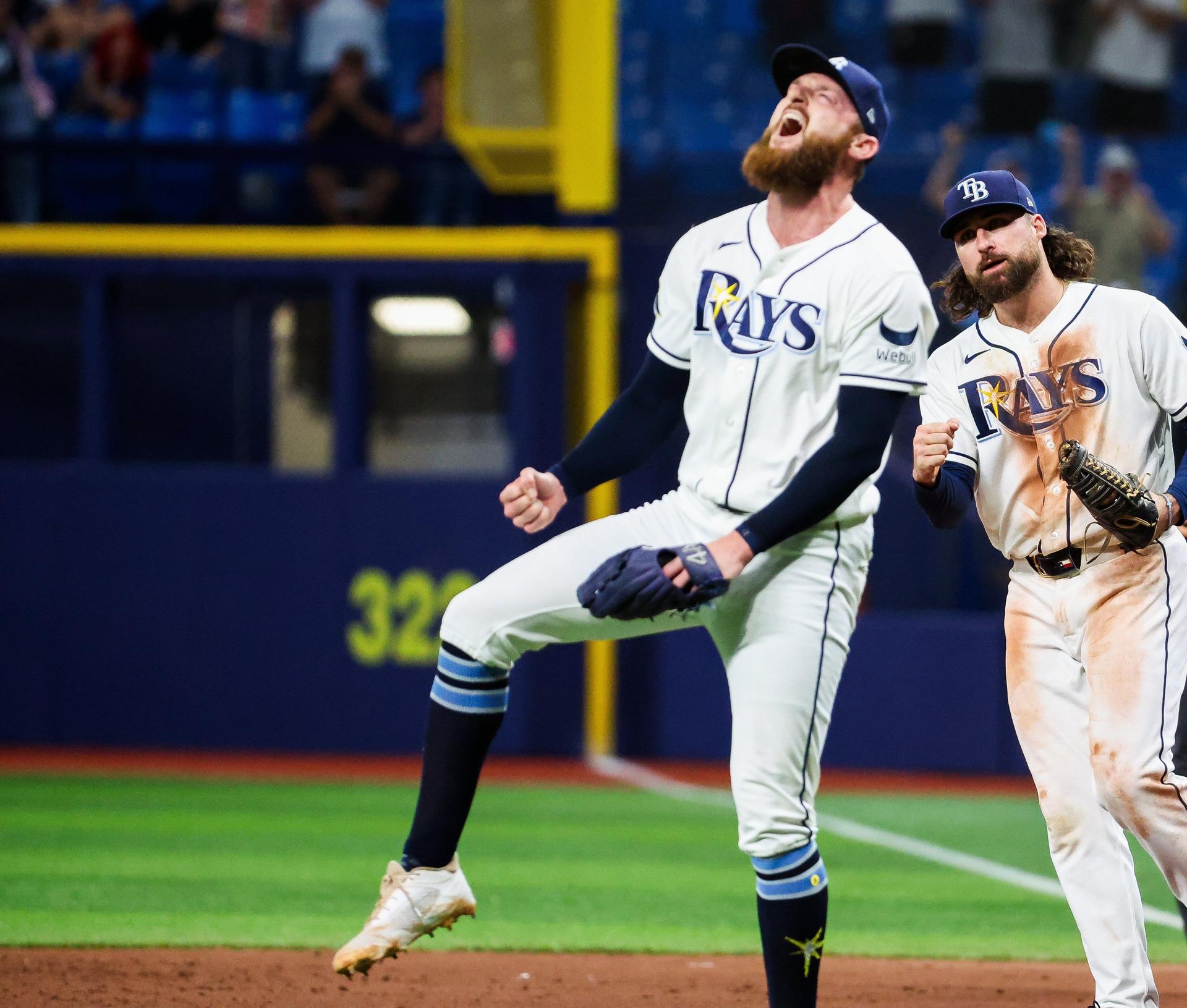
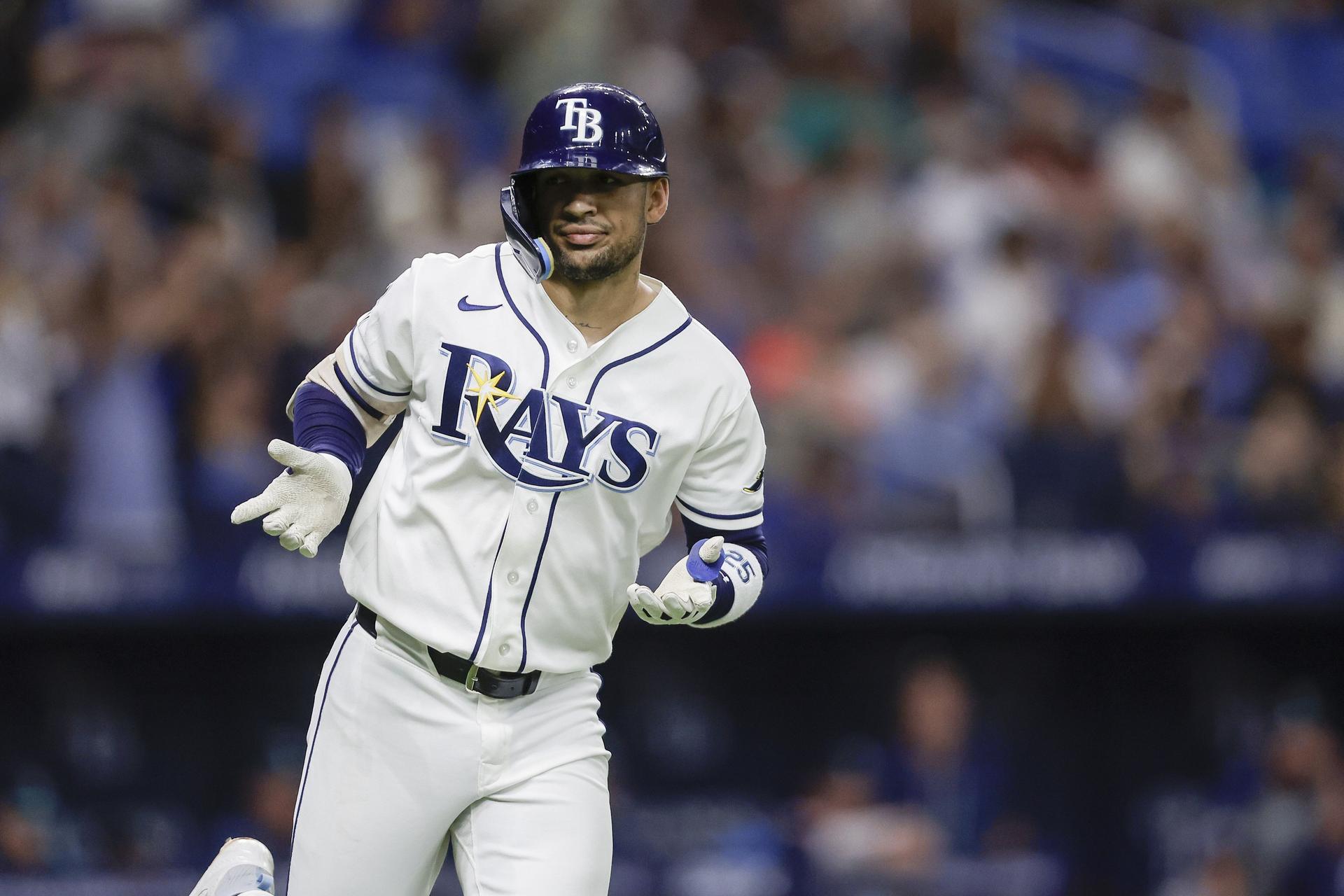
Much like the batting order with Yandy Diaz, Jonathan Aranda and Junior Caminero doing most of the damage, the current bullpen is also top heavy. Bryan Baker and Kevin Kelly have been two of the most effective relievers in the game in 2026, and Cam Booser has been a pleasant surprise. Blown saves have been much less of an issue this season.
The problem is injuries to Edwin Uceta and Manny Rodriguez have created an issue with depth, so the Rays have cycled through some interesting names at the end of games. And considering they are in the top 10 in innings pitched by a bullpen, that’s led to some ugly finishes. Which explains why no one would be shocked to see the Rays go after another reliever at the trade deadline.
In the meantime, when you see Baker at the All-Star Game in Philadelphia on Tuesday night, you should freak out your family by giving him a standing ovation in the living room.