Plus: Personhood for embryos – once-fringe idea approaches mainstream ‌ ‌ ‌ ‌ ‌ ‌ ‌ ‌ ‌ ‌ ‌ ‌ ‌ ‌ ‌ ‌ ‌ ‌ ‌ ‌ ‌ ‌ ‌ ‌ ‌ ‌ ‌ ‌ ‌ ‌ ‌ ‌ ‌ ‌ ‌ ‌ ‌ ‌ ‌ ‌ ‌ ‌ ‌ ‌ ‌ ‌ ‌ ‌ ‌ ‌ ‌ ‌ ‌ ‌ ‌ ‌ ‌ ‌ ‌ ‌ ‌ ‌ ‌ ‌ ‌ ‌ ‌ ‌ ‌ ‌ ‌ ‌ ‌ ‌ ‌ ‌ ‌ ‌ ‌ ‌ ‌ ‌ ‌ ‌ ‌ ‌ ‌ ‌ ‌ ‌ ‌ ‌ ‌ ‌ ‌ ‌ ‌ ‌ ‌ ‌ ‌ ‌ ‌ ‌ ‌ ‌ ‌ ‌ ‌ ‌ ‌ ‌ ‌ ‌ ‌ ‌ ‌ ‌ ‌ ‌ ‌ ‌ ‌ ‌ ‌ ‌ ‌ ‌ ‌ ‌ ‌ ‌ ‌ ‌ ‌ ‌ ‌ ‌ ‌ ‌ ‌ ‌ ‌ ‌ ‌ ‌ ‌ ‌ ‌ ‌ ‌ ‌ ‌ ‌ ‌ ‌ ‌ ‌ ‌ ‌ ‌ ‌ ‌ ‌ ‌ ‌ ‌ ‌ ‌ ‌ ‌ ‌ ‌ ‌ ‌ ‌ ‌ ‌ ‌ ‌ ‌ ‌ ‌ ‌ ‌ ‌ ‌ ‌ ‌ ‌ ‌ ‌ ‌ ‌ ‌ ‌ ‌ ‌ ‌ ‌ ‌ ‌ ‌ ‌ ‌ ‌ ‌ ‌ ‌ ‌ ‌ ‌ ‌ ‌ ‌ ‌ ‌ ‌ ‌ ‌ ‌ ‌ ‌ ‌ ‌ ‌ ‌ ‌ ‌ ‌ ‌ ‌ ‌ ‌ ‌ ‌ ‌ ‌ ‌ ‌ ‌ ‌ ‌ ‌ ‌ ‌ ‌ ‌ ‌ ‌

US Edition - Today's top story: Yes, breathing wildfire smoke can harm your health – here’s what you can do to protect yourself View in browser

17 July 2026

US Edition

The Conversation
 

Top headlines

Lead story

When the sky turns an eerie shade of orange in the middle of the day, as people across several U.S. states and Canada are experiencing this week, you know something has gone very wrong. Apocalyptic movies use that color for a reason – it’s unsettling. It’s also what happens when sunlight is scattered by lots of wildfire smoke particles in the air.

Those tiny particles can get into your nose and throat and travel deep into your body, with potentially serious consequences for your health. Colleen Reid, an environmental health expert who works on wildfire smoke issues at the University of Colorado, explains in our lead article today what’s in wildfire smoke, the health risks and why episodes like this are becoming more frequent. She also shares some tips on what you can do to prepare and stay safe.

Remember: If you can smell smoke, you’re breathing it in. Knowing what to do can help you protect your health.

[ Sign up for our newsletter on how AI is impacting society. Every Friday. ]

 

Stacy Morford

Senior Environment, Climate and Energy Editor

 
Heavy wildfire smoke from Canada’s forests turn skies orange in Toronto and across parts of the U.S. in July 2026. Steve Russell/Toronto Star via Getty Images

Yes, breathing wildfire smoke can harm your health – here’s what you can do to protect yourself

Colleen E. Reid, University of Colorado Boulder

When you breathe in wildfire smoke, harmful particles can travel deep into your body.

Ethics + Religion

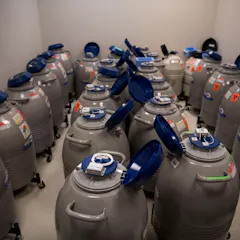
Embryo personhood, once on the margins of abortion debates, is moving closer to the center

Risa Cromer, Purdue University

In vitro fertilization has become a bigger part of reproductive rights debates as a once-fringe movement to recognize embryos as people grows louder.

Economy + Business

Why you let down your guard on ads when scrolling on social media

Matthew Pittman, University of Tennessee

When you’re tired and distracted, an online ad’s claims can be more effective in pitching a product when they’re assertive and explicit.

What are Trump Accounts for? They are more likely to help newborns start building nest eggs than help pay for their college education

Jay L. Zagorsky, Boston University

The government is kicking in $1,000 for babies born in calendar years 2025 through 2028.

Environment + Energy

Why Trump’s move to gut the Endangered Species Act won’t hold up in court

Patrick Parenteau, Vermont Law & Graduate School

If Congress didn’t believe habitat destruction and degradation constitute ‘harm’ under the statute, why would it require permits and plans to offset habitat loss?

Science + Technology

Bees of many species contain tiny magnetic particles – suggesting they may have an innate magnetic compass for navigation

Laura Russo, University of Tennessee

Researchers were surprised to find how widespread this magnetic property was, not only across families of bees but also beetles, wasps and flies.