biotech
How one disease went from ‘lost cause’ to gold rush
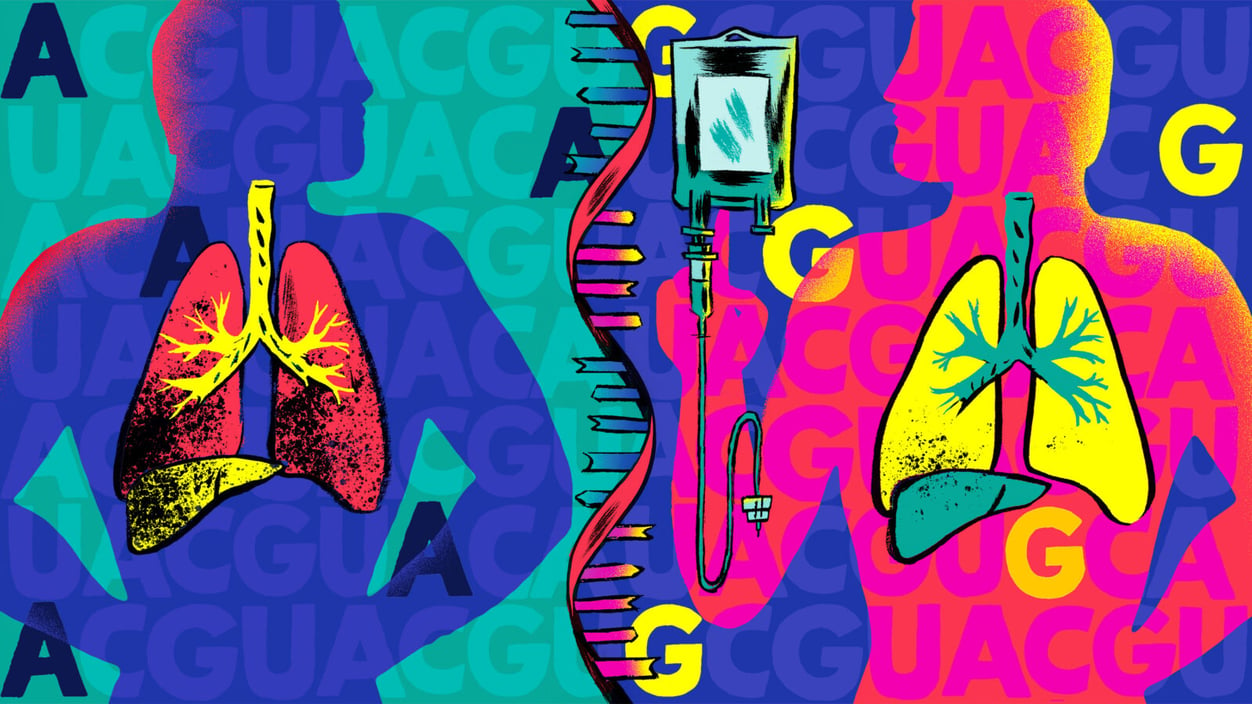
Mike Reddy for STAT
More than 200,000 people in North America and Europe are estimated to have alpha-1 antitrypsin deficiency, a rare liver disorder that was possibly spread through a Viking conquest. Due to a single genetic spelling error (an “A” where there should be a “G”), the liver produces a mutant version of a protein that typically works to protect the lungs, putting both organs at risk.
Most people have never heard of the disease, but over the last five years, executives at more than a half dozen biotech companies have realized the condition is the perfect match for new technologies capable of changing individual letters of DNA or RNA. That also means there’s a lot of money to be made for the company that can get a treatment to market. STAT’s Jason Mast reported on the contentious race among companies, which features patent wars, a broken alliance, and of course, growing anxiety about the rise of Chinese biotech. Read more.
addiction
New data on American substance use
Yesterday SAMHSA released the results of its 2025 National Survey on Drug Use and Health. Here are some highlights:
- More than half (56%) of people age 12 and older used tobacco, nicotine, alcohol, or an illicit drug in the past month. Most of those people were drinking alcohol.
- Among those who were currently drinking, 44% engaged in binge drinking over the course of the year. In the past month, 19.5% had binged, a decrease from nearly 22% in 2021.
- The percentage of people who used nicotine products largely didn’t change from 2022, the earliest year to which comparisons can be made. But among nicotine products, the percentage of people smoking cigarettes decreased across age groups while the percentage of people vaping mostly increased.
- Marijuana was the most commonly used illicit drug, with 21% of people using it in 2025. By comparison, just 3% used hallucinogens and 2% misused prescription opioids. The survey found no change in the number of people knowingly using illegal fentanyl at 0.3%.
- Forty-four million people had a substance use disorder last year. Among adults 18 and older, 54.6 million (almost 21%) had any mental illness.
There’s a lot more data — you can check out the agency’s highlights here.
neurotransmissions
AAIC: Brain as infrastructure, brain as business
This summer, neurologist and STAT contributor Jason Karlawish attended the annual Alzheimer’s Association International Conference for the first time in nine years. Since his last visit to London, a lot has changed about the way we think about the aging brain, he writes in his latest column.
Until recently, “the aging brain was an enigmatic, largely impenetrable organ,” he writes. “AAIC2026 showed how suddenly, and now all at once, this is changing.” The organ is like a building or public transportation system. But perhaps most importantly, there’s finally a business model for brain health that can help maintain and improve it. Read more from Karlawish on his experience and where the field stands.