
|
 |
 |
| ||



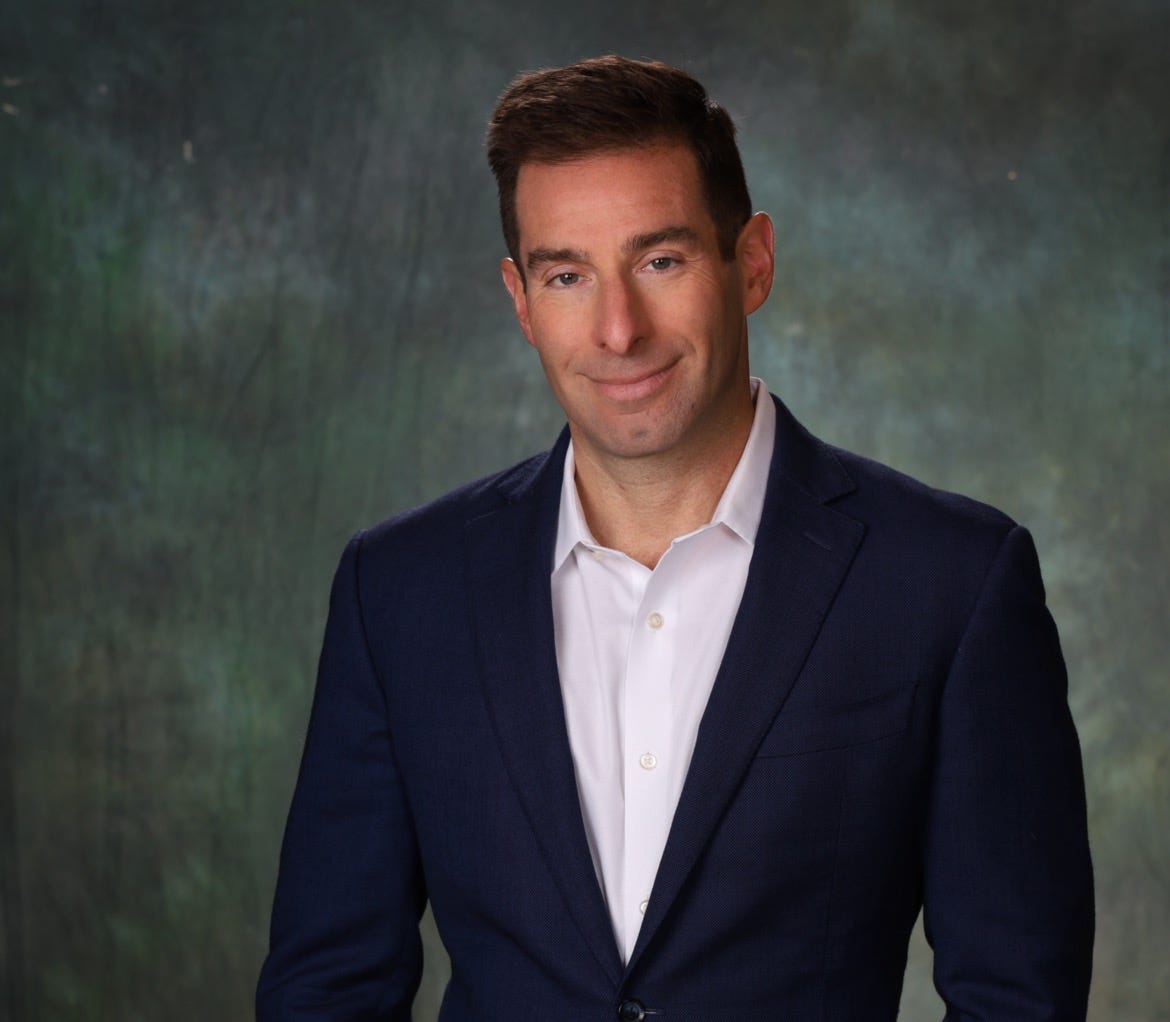


So, we didn’t exactly walk into a bar, but anytime Preet Bharara, Elie Honig and I get a chance to talk shop, it’s a good conversation.
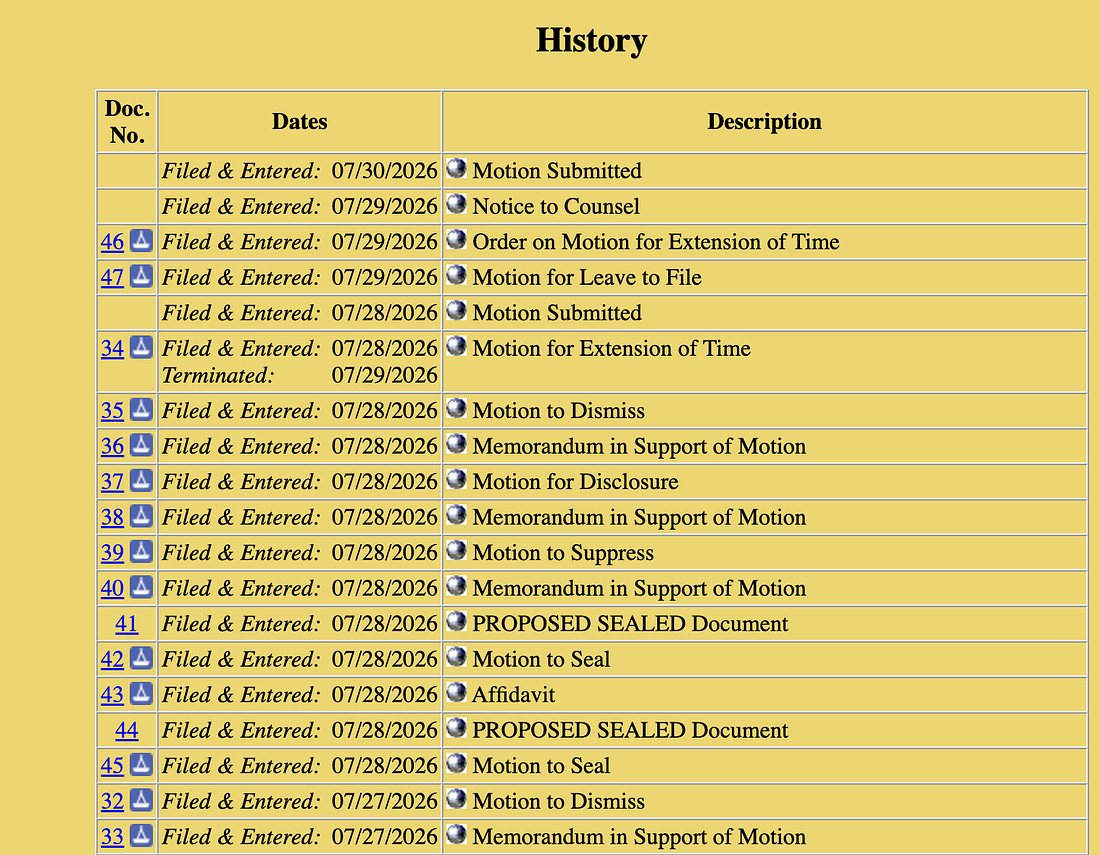
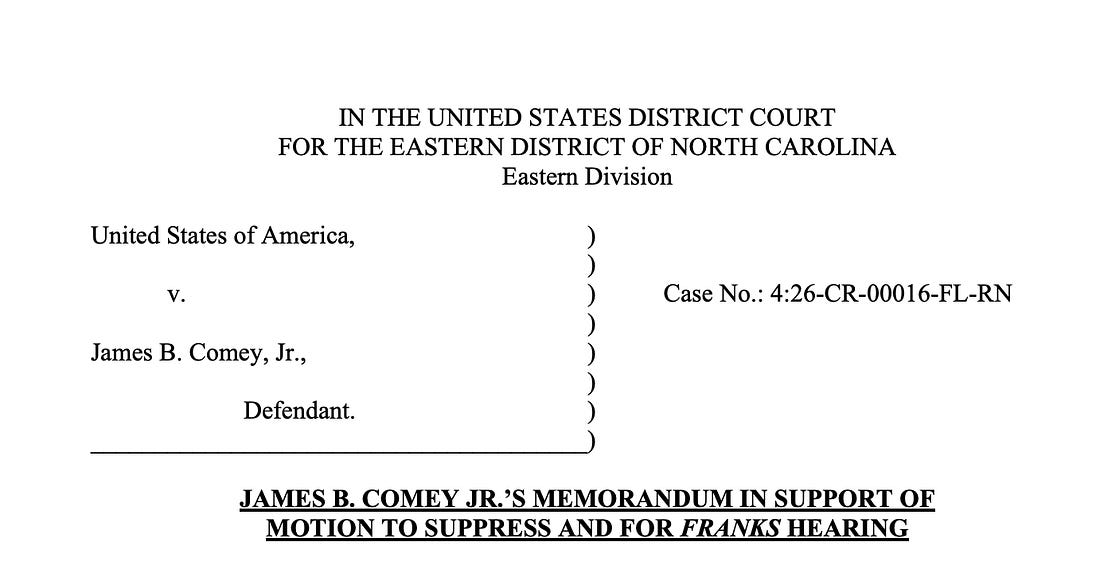
There have been a lot of developments in the government’s (second) prosecution of Jim Comey in the last couple of days. You can see the flurry of motions that have been filed on the court’s PACER docket, including the motion to dismiss for failure to allege a true threat which we discussed earlier this week and two more recent motions. One is a motion to dismiss arguing the prosecution is selective and vindictive. The other is a motion to suppress evidence obtained using what Comey’s lawyers say were improperly obtained search warrants. You can read their memo in support of that motion here. Preet, Elie, and I discuss all three and the weaknesses in the government’s case that they put on full display.
 |
The motion to suppress also asks the court to conduct what’s called a Franks hearing to assess the government’s improper conduct.
 |
Comey alleges that the government made “intentional false statements and material omissions” in the search warrant affidavits. These are serious allegations if they hold up, unlikely to be easily forgiven by the court. Comey’s lawyers write in their brief that:
“According to the affidavits submitted by the government in support of those warrants, Mr. Comey’s Instagram post was a ‘true threat’ against President Trump, a crime punishable by imprisonment, because Mr. Comey’s experience prosecuting organized crime in the Southern District of New York would have made him aware that the term was a call for violence against the President. The inference that Mr. Comey was exposed to a supposedly violent alternative meaning of ’86’ during his prosecutorial days was thus central to the government’s probable cause showing. But the affidavits supporting the applications for those warrants—sought and issued ten and twelve months after the Instagram post, respectively—omitted facts known to the affiant that eviscerated that theory.” [Emphasis added]
Investigations into threats made against the president are typically handled by the Secret Service. Here, they dropped the investigation, only to have it picked up by the FBI, one of the four law enforcement agencies that operate under the control of the Attorney General, a year later. Waiting for a year doesn’t suggest that anyone in law enforcement believed Trump was in immediate danger from Comey’s “threat.” And we learn some important details about how that investigation was conducted from these new pleadings.
In an effort to prove Comey thought “86” meant assassinate Trump, the FBI turned to infamous Mafia informant Sammy “The Bull” Gravano. The 5’5” tall former underboss turned cooperating witness who “confessed to his involvement in 19 murders, including those of his best friend and his brother-in-law.”
 |
Gravano, who went back to crime after getting a deal and cooperating, and was subsequently incarcerated again, would not be a particularly good witness for prosecutors, who would have to prove Comey’s guilt beyond a reasonable doubt if they ever get this case to trial, which seems highly unlikely, even if he could unequivocably establish Comey would have understood people used “86” to mean kill. But he could not go that far.
Worse still for prosecutors, John Gleeson, who went on to become a federal judge after securing Gravano as his witness and successfully convicting Gambino crime family boss John Gotti, had this to say in his affidavit: