
|


 |
How would Jesus’ original audience—first-century Galileans, Pharisees, and peasants—have received his words? That’s the question posed in two books by scholars Scot McKnight and Kenneth Bailey—and it’s one they answer in very different ways, according to reviewer Andrew Wilson. This week’s column also features Wilson highlighting Athanasius’ classic work of theology, On the Incarnation, which continues to resonate with believers after more than 1,700 years.
Happy Reading,
Taylor Berglund
Senior Features Editor, Christianity Today
A portion of this newsletter appeared as a column at Christianity Today. Join CT for full access to all our journalism.
This email may contain affiliate links that help support CT at no additional cost to you.

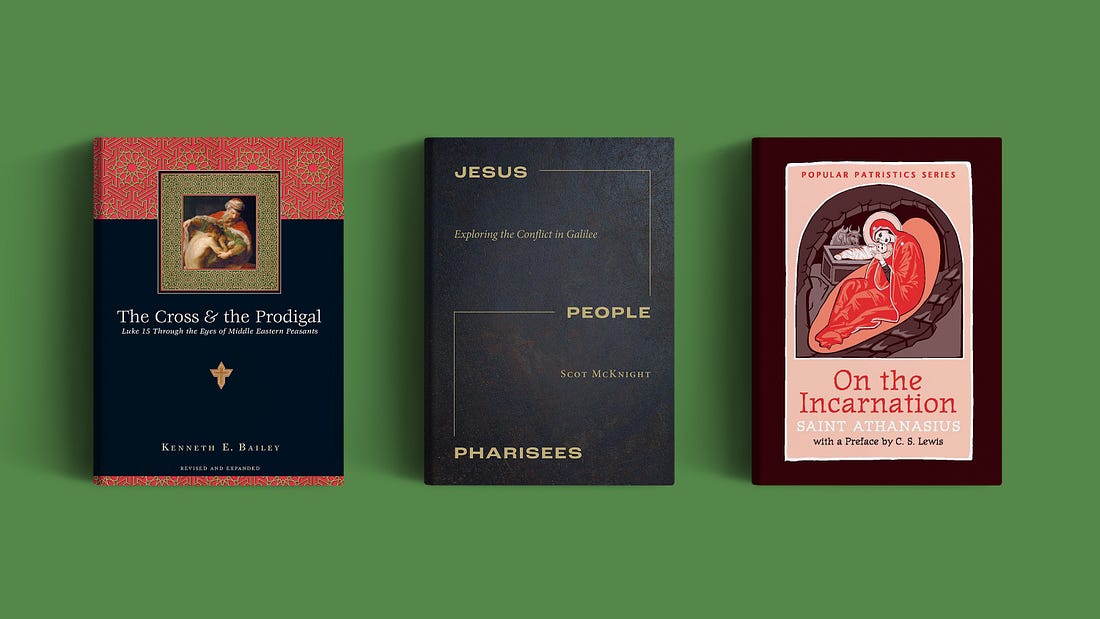 |
Three Books on Theology
Scot McKnight, Jesus, People, Pharisees: Exploring the Conflict in Galilee (Fortress Press, 2026)
On more than a dozen occasions in this provocative book, Scot McKnight claims the Gospels are exaggerating. Some of these exaggerations, of numbers and geographical reach, he regards as relatively minor and forgivable. Others he says are dangerous and must be resisted: those relating to the theological differences between Jesus and the Pharisees, for example, or regarding the individuals responsible for the execution of Jesus. (McKnight argues the latter exaggerations escalate chronologically, from Mark to Matthew to Luke and Acts and finally to John, with each blaming the Jews more than its predecessor did.) How readers respond to these claims will probably shape the way they respond to Jesus, People, Pharisees as a whole.
At times, some will wonder whether McKnight is the one exaggerating. Are all conflicts essentially reducible to power struggles? Are Protestants genuinely responsible for seeing the Pharisees as examples of self-righteousness? Can we exonerate the Pharisees of hypocrisy to the degree McKnight wants to, based on the sources we have? Are the Gospels really guilty of absolving Pilate of responsibility and blaming the Jews instead? How do we know the quarrel the evangelists had with the Pharisees is so different from that of Jesus himself, given that we know about the latter only via the former? (And while we’re at it, do we have to call John the Baptist “Yōannes the Dipper”?)
Others, however, will be intrigued, lean in, and in the process learn a lot about both the Pharisees and the crowds in the Gospels. McKnight, as you’d expect from a scholar of his standing, is well-versed in the primary and secondary sources on Pharisaism. He communicates with punch and clarity. His central thesis—that the Pharisees are agents in a wider power struggle between the temple authorities in Jerusalem and Jesus’ grassroots movement in Galilee, and that this underlies their disputes with him about how to apply the Torah—is compellingly argued, based on New Testament and other first century sources. His insights on crowds, Greco-Roman poverty in the first century, and the teaching of Jesus in relation to both (like “God blesses the beggars”) are indispensable.
Scot McKnight has written a bracing and challenging book about Jesus, and books like that are good for the church to wrestle with. But most evangelicals will also find plenty to disagree with here.