Plus: Fauci and right-wing fever dreams ‌ ‌ ‌ ‌ ‌ ‌ ‌ ‌ ‌ ‌ ‌ ‌ ‌ ‌ ‌ ‌ ‌ ‌ ‌ ‌ ‌ ‌ ‌ ‌ ‌ ‌ ‌ ‌ ‌ ‌ ‌ ‌ ‌ ‌ ‌ ‌ ‌ ‌ ‌ ‌ ‌ ‌ ‌ ‌ ‌ ‌ ‌ ‌ ‌ ‌ ‌ ‌ ‌ ‌ ‌ ‌ ‌ ‌ ‌ ‌ ‌ ‌ ‌ ‌ ‌ ‌ ‌ ‌ ‌ ‌ ‌ ‌ ‌ ‌ ‌ ‌ ‌ ‌ ‌ ‌ ‌ ‌ ‌ ‌ ‌ ‌ ‌ ‌ ‌ ‌ ‌ ‌ ‌ ‌ ‌ ‌ ‌ ‌ ‌ ‌ ‌ ‌ ‌ ‌ ‌ ‌ ‌ ‌ ‌ ‌ ‌ ‌ ‌ ‌ ‌ ‌ ‌ ‌ ‌ ‌ ‌ ‌ ‌ ‌ ‌ ‌ ‌ ‌ ‌ ‌ ‌ ‌ ‌ ‌ ‌ ‌ ‌ ‌ ‌ ‌ ‌ ‌ ‌ ‌ ‌ ‌ ‌ ‌ ‌ ‌ ‌ ‌ ‌ ‌ ‌ ‌ ‌ ‌ ‌ ‌ ‌ ‌ ‌ ‌ ‌ ‌ ‌ ‌ ‌ ‌ ‌ ‌ ‌ ‌ ‌ ‌ ‌ ‌ ‌ ‌ ‌ ‌ ‌ ‌ ‌ ‌ ‌ ‌ ‌ ‌ ‌ ‌ ‌ ‌ ‌ ‌ ‌ ‌ ‌ ‌ ‌ ‌ ‌ ‌ ‌ ‌ ‌ ‌ ‌ ‌ ‌ ‌ ‌ ‌ ‌ ‌ ‌ ‌ ‌ ‌ ‌ ‌ ‌ ‌ ‌ ‌ ‌ ‌ ‌ ‌ ‌ ‌ ‌ ‌ ‌ ‌ ‌ ‌ ‌ ‌ ‌ ‌ ‌ ‌ ‌ ‌ ‌ ‌ ‌ ‌

US Edition - Today's top story: Students are anxious – and it's no surprise, since we are teaching them to be that way View in browser

31 July 2026

US Edition

The Conversation
 

Top headlines

Lead story

I remember the first time I stayed up late in my college dorm to cram hundreds of pages of reading I couldn’t even fathom finishing by morning. I didn’t end up reading every word, but I later realized that most students didn’t, either. It also dawned on me that somewhere along the way, I had internalized a default state of anxiety when it came to my schoolwork.

Many other high school and college students have similar experiences, according to Erin Clabough, a neuroscience, biology and psychology professor at the University of Virginia. Indeed, a recent survey found that one-third of college students self-reported experiencing either anxiety or depression.

Students who struggle with anxiety might find that “stress doesn’t switch off when they leave the classroom or finish an exam. It can become the body’s normal, staying with learners long after graduation,” Clabough explains.

Clabough writes about how too much academic pressure and stress can cut off a “curiosity loop” that makes learning fun – and why the theory that there is an optimal amount of stress for good performance is flawed.

[ Sign up for our newsletter on how AI is impacting society. Every Friday. ]

 

Amy Lieberman

Education Editor

 
Academic pressure to achieve at age 15 can predict depressive symptoms that persist into adulthood. Juan Algar/Moment via Getty Images

Students are anxious – and it’s no surprise, since we are teaching them to be that way

Erin Clabough, University of Virginia

Whether students feel pressure to get good grades or keep up with classmates, the anxiety this effort produces can have long-term effects on their brains.

International

Revolving door at 10 Downing St. is weakening the special relationship between UK and US

Garret Martin, American University School of International Service

The days of long-established relationships between the UK prime minister and the US president are long gone.

Economy + Business

Americans feel the sting of high prices every day, so why does the Fed need so many ways to measure inflation?

Brandy Hadley, Appalachian State University; D. Brian Blank, Mississippi State University

Fresh off a divided Fed vote to hold rates, policymakers confront a deeper question: Which of conflicting inflation gauges should guide them?

Science + Technology

Getting outside despite your 9-to-5 job can improve your mental health – here’s how to spend time in nature during and around working hours

Todd Lookingbill, University of Richmond

Sometimes the best escape isn’t a weekend away. It’s the park just down the road.

Foldable synthetic molecules could infiltrate and bust apart the toxic protein clumps causing Parkinson’s

Sunil Kumar, University of Denver

Researchers are finding ways to target the toxic proteins involved in neurodegenerative diseases such as Parkinson’s and Alzheimer’s that were once considered ‘undruggable.’

Politics + Society

Fauci’s COVID-origins hearing shows how conspiracy theories became political weapons

Art Jipson, University of Dayton

Conspiracy theories don’t just explain events – they identify villains, and Fauci is among the most popular.

How an 1876 massacre of Black men in South Carolina turned racial terror into political power

Jacob Ware, Georgetown University

The men responsible for the bloodshed 150 years ago were never prosecuted; instead, they rose to South Carolina’s highest offices.

58 years of attacks on the media by powerful leaders trying to deflect criticism, from Nixon to Trump

Heather Hendershot, Northwestern University

American faith in news is at an all-time low, aided by a president hostile to the press. But presidents have long attacked journalists as biased. What does objectivity really mean?

Environment + Energy

Leaving vehicle engines idling is unhealthy, expensive – and often illegal

Richard Marcantonio, University of Notre Dame

Idling vehicles are easy targets for enforcement – they’re often left running for no good reason.

Rain on wildfire burn scars can trigger dangerous flooding and mudflows − a geologist explains how

Jen Pierce, Boise State University

Debris flows can move with the speed of a freight train, picking up and demolishing anything in their path.

Arts + Culture

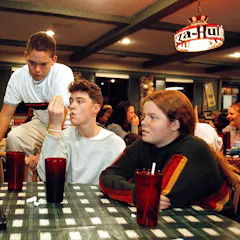
What this western Pennsylvania ’90s Pizza Hut reveals about nostalgia

Jeff Galak, Carnegie Mellon University

A CMU marketing researcher explains why the love of a retro Pizza Hut has more to do with the relationships attached to it than pizza.

Ethics + Religion

The Catholic principle guiding popes through tech upheavals, from the Industrial Revolution to AI

Walter Scheirer, University of Notre Dame

Pope Leo is one of many popes to respond to technological change by drawing on a Catholic principle called ‘subsidiarity.’

Trending on site

The Conversation's News Quiz