Plus: How to do your own health research ‌ ‌ ‌ ‌ ‌ ‌ ‌ ‌ ‌ ‌ ‌ ‌ ‌ ‌ ‌ ‌ ‌ ‌ ‌ ‌ ‌ ‌ ‌ ‌ ‌ ‌ ‌ ‌ ‌ ‌ ‌ ‌ ‌ ‌ ‌ ‌ ‌ ‌ ‌ ‌ ‌ ‌ ‌ ‌ ‌ ‌ ‌ ‌ ‌ ‌ ‌ ‌ ‌ ‌ ‌ ‌ ‌ ‌ ‌ ‌ ‌ ‌ ‌ ‌ ‌ ‌ ‌ ‌ ‌ ‌ ‌ ‌ ‌ ‌ ‌ ‌ ‌ ‌ ‌ ‌ ‌ ‌ ‌ ‌ ‌ ‌ ‌ ‌ ‌ ‌ ‌ ‌ ‌ ‌ ‌ ‌ ‌ ‌ ‌ ‌ ‌ ‌ ‌ ‌ ‌ ‌ ‌ ‌ ‌ ‌ ‌ ‌ ‌ ‌ ‌ ‌ ‌ ‌ ‌ ‌ ‌ ‌ ‌ ‌ ‌ ‌ ‌ ‌ ‌ ‌ ‌ ‌ ‌ ‌ ‌ ‌ ‌ ‌ ‌ ‌ ‌ ‌ ‌ ‌ ‌ ‌ ‌ ‌ ‌ ‌ ‌ ‌ ‌ ‌ ‌ ‌ ‌ ‌ ‌ ‌ ‌ ‌ ‌ ‌ ‌ ‌ ‌ ‌ ‌ ‌ ‌ ‌ ‌ ‌ ‌ ‌ ‌ ‌ ‌ ‌ ‌ ‌ ‌ ‌ ‌ ‌ ‌ ‌ ‌ ‌ ‌ ‌ ‌ ‌ ‌ ‌ ‌ ‌ ‌ ‌ ‌ ‌ ‌ ‌ ‌ ‌ ‌ ‌ ‌ ‌ ‌ ‌ ‌ ‌ ‌ ‌ ‌ ‌ ‌ ‌ ‌ ‌ ‌ ‌ ‌ ‌ ‌ ‌ ‌ ‌ ‌ ‌ ‌ ‌ ‌ ‌ ‌ ‌ ‌ ‌ ‌ ‌ ‌ ‌ ‌ ‌ ‌ ‌ ‌ ‌

US Edition - Today's top story: What the panic over Gen Z's reading habits gets wrong View in browser

4 August 2026

US Edition

The Conversation
 

Top headlines

Lead story

I’ve loved reading my entire life, but my reading habits have fallen off a cliff in recent years. The proof is in my Goodreads history: 52 books read in 2011 – a book a week! – atrophied to just 11 in 2025. I like to blame my phone: Whereas I used to read books and magazines before bed, now I scroll Reddit and X, often waking up the next morning with my cheek pressed to my Pixel screen.

So it’s been easy to take the headlines warning about the collapse of reading among young people at face value. (If I’m having trouble finishing books, surely they must be lost at sea!)

But publishing scholars Kathi Inman Berens and Rachel Noorda push back on the notion that young people aren’t interested in reading books. The authors of “How Gen Z Discover and Consume Books,” they draw on nationally representative survey data to explain how young people aren’t reading less, so much as reading differently.

Maybe Gen Z doesn’t need a lecture about their poor reading abilities after all. And maybe I just need to leave my phone in my living room before bed.

[ Sign up for our weekly Global Economy & Business newsletter, with expert perspectives from around the world. ]

 

Nick Lehr

Senior Arts + Culture Editor

 
Members of Gen Z are more likely to identify as readers if books are folded into their social lives. FilippoBacci/E+ via Getty Images

What the panic over Gen Z’s reading habits gets wrong

Kathi Inman Berens, Portland State University; Rachel Noorda, Portland State University

Despite dire warnings of a ‘postliterate’ generation, data suggests Gen Z is still reading – just in ways many traditional studies fail to capture.

Science + Technology

Producing spider silk is a biological feat – scientists are using it to develop materials for drug delivery and wound care

Aliasger K. Salem, University of Iowa

If Spider-Man were real, he could help scientists revolutionize healthcare. Since he’s not, researchers develop creative ways to produce spider silk to study.

How to do your own online health research like a scientist – a biostatistician’s step-by-step guide

Lucy McGowan, Wake Forest University

Here’s how to sift through complicated studies without getting overwhelmed.

Environment + Energy

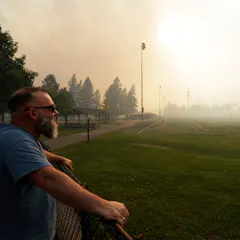
Why the Spokane wildfires became so catastrophic

Mojtaba Sadegh, Boise State University; United Nations University; John Abatzoglou, University of California, Merced

Extreme fire conditions converged in suburban neighborhoods built into the forests, shrubland and grasslands and quickly spread.

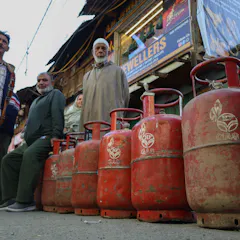
Oil shortages escalate from wars in Iran and Ukraine, with few signs of relief

Amy Myers Jaffe, New York University; Tufts University

Cooking gas and diesel fuel are among the oil products whose supply levels have been affected already. Here’s why to expect long-term shortages.

Ethics + Religion

The financial dilemma that wound up helping US churches thrive

Thomas Adam, University of Arkansas

American churches could not rely on the state for financial support. Private philanthropy helped them survive – and shaped the country’s religious diversity today.

Education

Better call mom: Schools still see mothers as the default parent to contact

Laura K. Gee, Tufts University; Kristy Buzard, Syracuse University; Olga Stoddard, Brigham Young University

When both parents appeared equally available, schools were 40% more likely to call students’ moms, rather than their dads.

Economy + Business

Before Trump, some states had already ended affirmative action for contractors – here’s what happened

Ben Rosa, University of Michigan

Contractors affected by affirmative action bans at the state level saw a drop in employee head count but were no less likely to go out of business.

International

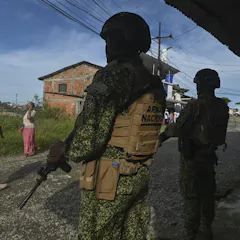
Why targeting guerrilla groups and cartels doesn’t stop violence in Latin America – but focusing on geography might

Stephen Pires, Florida International University; Dylan Spencer, Georgia Southern University; Juan Del Rio, Florida International University; Rob T. Guerette, Florida International University

Study suggests long-practiced strategy of taking out the heads of drug cartels may be missing underlying predictors of crime.

How the Ceuta border crossing incident immediately played into the hands of Spain’s far right

Deniz Torcu, IE University

In the absence of information, dramatic images are feeding misinformation – and shifting public opinion.

Trending on site

Today's chart

A line graph comparing headline inflation and core inflation from January 2025 to June 2026. Looking at costs in one month compared to the same month a year earlier, headline inflation has generally been rising since early 2025. Even when energy and food are taken out of consideration – reflecting more stable 'core' inflation – prices are rising, too.

Americans feel the sting of high prices every day, so why does the Fed need so many ways to measure inflation?

Read the article