SpaceX sales jump, Big Tech goes to Washington, Cloudflare embraces AI shopping.
 ͏  ͏  ͏  ͏  ͏  ͏  ͏  ͏  ͏  ͏  ͏  ͏  ͏  ͏  ͏  ͏  ͏  ͏  ͏  ͏  ͏  ͏  ͏  ͏  ͏  ͏  ͏  ͏  ͏  ͏  ͏  ͏  ͏  ͏  ͏  ͏  ͏  ͏  ͏  ͏  ͏  ͏  ͏  ͏  ͏  ͏  ͏  ͏  ͏  ͏  ͏  ͏  ͏  ͏  ͏  ͏  ͏  ͏  ͏  ͏  ͏  ͏  ͏  ͏  ͏  ͏  ͏  ͏  ͏  ͏  ͏  ͏  ͏  ͏  ͏  ͏  ͏  ͏  ͏  ͏  ͏  ͏  ͏  ͏  ͏  ͏  ͏  ͏  ͏  ͏  ͏  ͏  ͏  ͏  ͏  ͏  ͏  ͏  ͏  ͏  ͏  ͏  ͏  ͏  ͏  ͏  ͏  ͏  ͏  ͏  ͏  ͏  ͏  ͏  ͏  ͏  ͏  ͏  ͏  ͏  ͏  ͏  ͏  ͏  ͏  ͏  ͏  ͏  ͏  ͏  ͏  ͏  ͏  ͏  ͏  ͏  ͏  ͏ ­ ­ ­ ­ ­ ­ ­ ­ ­ ­ ­ ­ ­ ­ ­ ­ ­ ­ ­ ­ ­ ­ ­ ­ ­ ­ ­ ­ ­ ­ ­ ­ ­ ­ ­ ­ ­ ­ ­ ­ ­ ­ ­ ­ ­ ­ ­ ­ ­ ­ ­ ­ ­ ­ ­ ­ ­ ­ ­ ­ ­ ­ ­ ­ ­ ­ ­ ­ ­ ­ ­ ­ ­ ­ ­ ­ ­ ­ ­ ­ ­ ­ ­ ­ ­ ­ ­ ­ ­ ­ ­ ­ ­ ­ ­ ­ ­ ­ ­ ­ ­ ­ ­ ­ ­ ­ ­ ­ ­ ­ ­ ­ ­ ­ ­ ­ ­ ­ ­ ­ ­ ­ ­ ­ ­ ­ ­ ­ ­ ­ ­ ­ ­ ­ ­ ­ ­ ­  
Wednesday, August 5, 2026
What happened in SpaceX’s first earnings report as a public company

Good morning. Want to find me this November? Come to Detroit.

It’s not the Last Word cocktails that bring me to town (though they surely don’t hurt). It’s our inaugural, invite-only Fortune 500 Innovation Forum, Nov. 16 to 17. I will join an all-star team of Fortune editors to lead candid conversations examining the role of capitalism and competition in the U.S.—from advancing technology and creating jobs to revitalizing communities and moving markets.

As you’d expect from Fortune, there’s a top-notch program. Speakers include such familiar tech and tech-adjacent faces as Oracle co-CEO Mike Sicilia, Oscar Health CEO Mark Bertolini, NYSE president Lynn Martin, C.H. Robinson CEO Dave Bozeman, Honeywell CEO Vimal Kapur, Stryker CEO Kevin Lobo, Commonwealth Fusion CEO Bob Mumgaard, Sunrun CEO Mary Powell, Shield AI CEO Gary Steele, and Corning CEO Wendell Weeks.

Unlike a Fortune Brainstorm, though, the scope of this business gathering goes well beyond core tech concerns. Participants will also hear from U.S. Steel CEO David Burritt, Kraft Heinz CEO Steve Cahillane, Ford Foundation president Heather Gerkin, Macy’s CEO Tony Spring, Ulta CEO Kecia Steelman, former U.S. Ambassador to Japan Rahm Emanuel, and a clutch of U.S. governors past and present: Tate Reeves of Mississippi, Kevin Stitt of Oklahoma, and Chris Christie of New Jersey.

Compelled? Register your interest in participating. Hope to see you there. —Andrew Nusca

Want to send thoughts or suggestions to Fortune Tech? Drop a line here.
SpaceX revenue surges to $7.8 billion
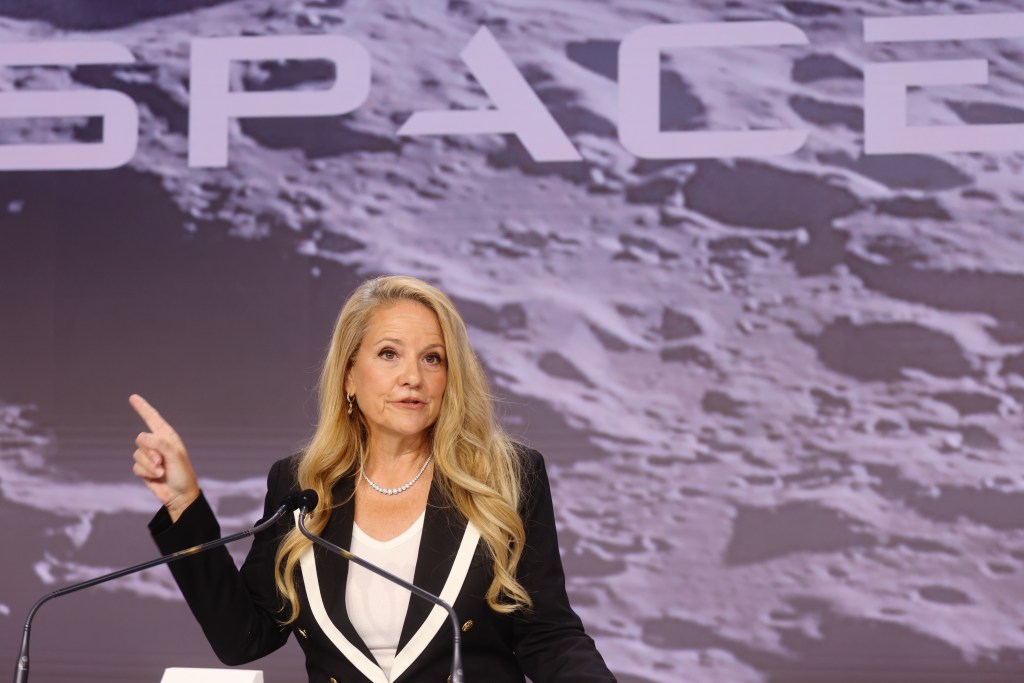
SpaceX president Gwynne Shotwell during the company's initial public offering (IPO) in New York, on June 12, 2026. (Photo: Michael Nagle/Bloomberg/Getty Images)SpaceX president Gwynne Shotwell during the company's initial public offering (IPO) in New York, on June 12, 2026. Michael Nagle/Bloomberg/Getty Images

SpaceX said Tuesday that it grew revenue 92% to $7.8 billion in the second quarter, powering past Wall Street’s estimate of about $6.9 billion in the rocket-and-connectivity giant’s first earnings report as a public company since its June debut on the Nasdaq.

The company reported a net loss of $541 million, a marked improvement from a $1 billion loss a year ago and higher than the wide range of analyst estimates.

Despite the strong results, shares of SpaceX declined more than 7% in after-hours trading.

The results land at a pivotal moment for SpaceX, which has tumbled roughly 50% from its peak stock price of $211 days after its IPO on June 12. 

One major question for investors pertains to SpaceX’s capital spending, which hit $18.4 billion in Q2 alone, with $15.8 billion from the AI segment. The company’s quarterly run rate, $73.5 billion annualized, will outpace the $48.7 billion capex consensus analysts had going into this quarter. 

Investors have thus far had low patience for higher spending without significant revenue growth and acceleration, hence the after-hours stock tumble. Will it continue?

At any rate, SpaceX’s second-quarter results come courtesy of a strengthened AI trade, a doubling of Starlink’s subscriber base from last year, and a flush of new cloud-computing contracts.

Their arrival also triggers the opening of a lockup provision that will allow pre-IPO shareholders to begin selling a portion of their holdings that could exert some more downward pressure on the stock. Expect an even larger glug—roughly 900 million additional shares, a block larger than the entire IPO issuance—of insider selling after third-quarter results later this year. —Amanda Gerut
Trump meets AI giants as Senate Dems decry ‘unpredictable’ governance
As the White House met Tuesday with AI companies to discuss a finished voluntary framework for testing frontier AI models’ cybersecurity risk, Senate Democrats claimed the Trump administration’s lack of clarity on AI governance has fueled an increase in American companies outsourcing their operations to cheaper Chinese AI alternatives.

“The American people and leading AI companies need clear rules, not constantly changing dictates from the White House,” Sen. Kirsten Gillibrand wrote in a letter ahead of the meeting.

The voluntary framework stems from a June 2 executive order that lets the government review powerful new AI models for national security risks for up to 30 days before they launch. But details were scarce. 

On Monday, the administration announced it had met its deadline to finish the framework, but didn’t disclose what was actually in the document, who has seen it, or when companies will begin using it.

Google, OpenAI, and Anthropic—all reportedly in attendance at Tuesday’s closed-door meeting—reviewed a draft and submitted edits in late July, Politico reported.

“Without consistent policy governing American models,” wrote Gillibrand and four other Democratic senators—Chris Coons, Mark Kelly, Adam Schiff, and Mark Warner—“consumers and businesses would be incentivized to migrate to models from foreign vendors, including those based in the People’s Republic of China.”

That point seems to miss the full scope of what makes Chinese AI alternatives so enticing, said Sam Bresnick, a research fellow at Georgetown’s Center for Security and Emerging Technology.

“Cost and fine-tunability are the drivers of Chinese AI adoption,” he said. “You can download the weights, and your engineers can fine-tune the model for whatever specific application you want. For a lot of companies, that’s easier than paying top dollar for a closed, proprietary model they don’t need.” —Catherina Gioino
Cloudflare launches a tool and wallet for AI shopping
The field of agentic commerce—a term that describes the use of bots for online buying and selling—is evolving fast.

The latest example came Tuesday when cloud computing firm Cloudflare announced a service that will equip your AI agent to go shopping. 

The service comes in the form of an identity tool, known as cloudflare.pay, that will let merchants confirm that an agent is acting on your behalf, and that is paired with a wallet that can hold funds for your agent to spend.

This marks a profound change in the nature of the internet. Bots were once a fairly small portion of traffic and primarily treated as a threat or a nuisance; today, around 57% of web traffic consists of bots, according to Cloudflare’s chief strategy officer, Stephanie Cohen.

“The internet needs a different business model. In order to have a different business model, you need payments that actually will support that,” said Cohen, adding: “Every interaction on the internet is a chance for commerce.”

As a practical matter, Cloudflare’s new identity service provides any user with a bot-readable identity in the form of a permanent web address. The user can then assign that identity to various agents to tell a merchant bot who they are (though there is also an option to remain pseudonymous).

The payment portion of Cloudflare’s arrangement, meanwhile, involves the user creating a virtual wallet that is funded by a bank transfer that is converted into a dollar-pegged currency known as stablecoins. The user can then grant permission to their agent to access the wallet and make purchases on their behalf.

Cloudflare is not the only firm offering wallets for AI shopping. Last week, the crypto-native payments firm Moonpay unveiled a universal, decentralized AI wallet called PayBox that is designed for nontechnical Claude and OpenAI consumers. —Jeff John Roberts
More tech
David Ellison defends the Paramount-Warner deal: “The issue is whether I can be trusted as a steward of Warner’s CNN.”

Electronic Arts is officially private. It was acquired for $55 billion—with $20 billion in debt financing—by Saudi Arabia’s PIF, Silver Lake, and Affinity Partners.

There were 19 instances of leading AI models attempting to hack people or organizations during testing last month, according to the U.K. AI Security Institute.