+ fewer new sustainable funds.

Track ESG trends, corporate action, and investment shifts in sustainable finance. Subscribe to Reuters.com for $1/week.


Sustainable Finance

Sustainable Finance

By Ross Kerber, U.S. Sustainable Business Correspondent

It will be no surprise if U.S. securities regulators do away with rules requiring companies to disclose climate information, which were passed by Democrats in 2024.

But the comment letters piling up in Washington about a proposal to rescind the rules also reveal uncertainty about the powers of the U.S. Securities and Exchange Commission as a whole.

You can read more about the issue in my column this week, linked below. I've also included links to articles about a New Jersey lawsuit against Amazon.com and a decline in new sustainable fund launches.

Some housekeeping: Next week's newsletter may come a day late, on Thursday Aug 13, for logistical reasons.

Please follow me on LinkedIn and/or Bluesky. You can reach me via ross.kerber@thomsonreuters.com. 

Latest Headlines

  • Samsung, SK Hynix signal stronger shareholder returns
  • Activist investor Saba reveals exposure in UK's Unite Group
  • Shopify shares soar as forecast shows AI is boosting business, not disrupting
  • Australian regulator sues Japan's Inpex over Ichthys LNG emissions breaches
  • Japan real wages up for sixth straight month in June


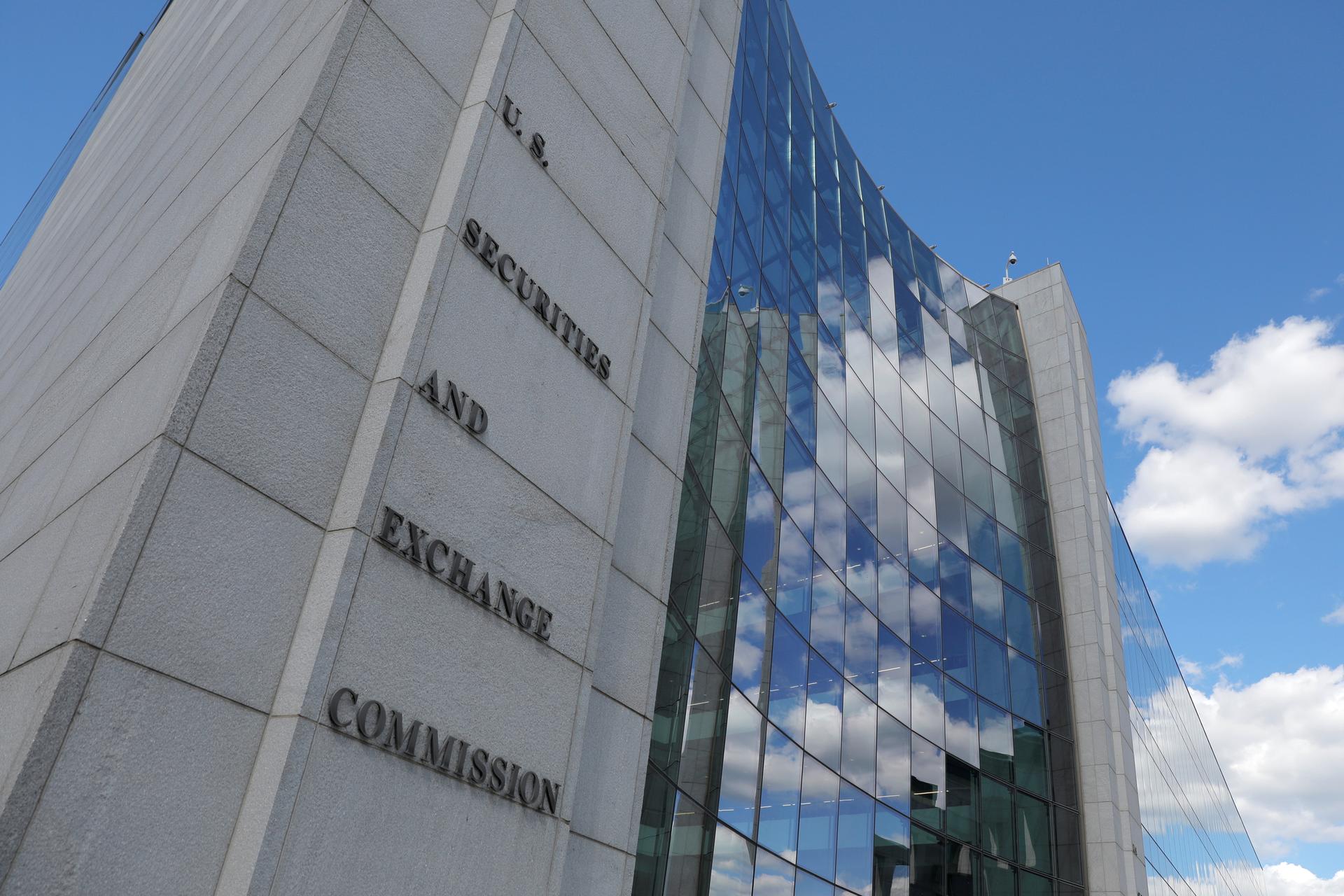
Signage is seen at the headquarters of the U.S. Securities and Exchange Commission in Washington, D.C., U.S., May 12, 2021. REUTERS/Andrew Kelly

Low stakes and high stakes if the SEC axes climate disclosure rules

Environmentalists are up in arms about the proposed rescission of climate disclosure rules by Wall Street's top regulator. There is a Pollyanna case that the action may have little immediate impact on corporate reporting, but the debate over the rules also has raised questions about the authority of financial regulators.

First, the details: the U.S. Securities and Exchange Commission, now consisting of only three Republicans, looks set to eliminate rules passed when Democrats ran the agency.

Climate activists want the agency to reverse course. With greenhouse gas emissions continuing to rise, "the need for this type of disclosure has only grown as climate-related financial impacts accelerate and reshape the economy," reads a statement released by Public Citizen and 36 other organizations.

Reading up on this debate you can see two parallel arguments: first, lots of companies already make climate disclosures and probably won't quit even if the rule evaporates.

But at the same time, the SEC's pullback could undermine future attempts at disclosure regulation, a hope of some business groups and a fear of some activists. So who knows what lessons future SEC commissions might take from this back-and-forth? You can read up on the issue by clicking the button below. 

Read my column here
 

Company news


A truck departs Amazon's fulfillment center during Cyber Monday in Robbinsville, New Jersey, U.S., December 1, 2025. REUTERS/Eduardo Munoz

  • Amazon.com was sued by New Jersey, which accused the online retailer of abusing its market power to impose low pay and poor conditions on thousands of workers. An Amazon spokesperson said the complaint "is not grounded in ⁠fact."
  • New launches of European sustainable funds fell to a record low of 13 in the second quarter, new data showed, as weak performance, investor withdrawals and heightened regulatory scrutiny prompt asset managers to rethink how they market sustainability
  • A $1.5 billion waste-to-energy plant in Morocco's largest city of Casablanca is aimed for full operations by mid-2030, its Swiss-Japanese building consortium said.
 

On my radar

  • A disclosure by Capital One Financial marks the first time a bank has formally tied money laundering concerns to U.S. President Donald Trump's family business. This case is likely to be cited the next time conservatives complain of "debanking" by financial institutions.
  • As a followup on last week's story about the decline of boardroom diversity, this LinkedIN post by workforce writer Rachel Wells is worth a read. "The route into corporate power is becoming narrower, more experienced, and more dependent on credentials that have historically been harder for excluded groups to acquire," she writes.
  • A recent stewardship report by investment manager Nuveen has some interesting case studies like a description of its work with a land agency and a power company to overhaul an 11-mile irrigation canal and a note on what it likes about GoDaddy's AI strategy.
 

Sponsors are not involved in the creation of newsletters or other Reuters news content. Advertise in this newsletter or on Reuters' website