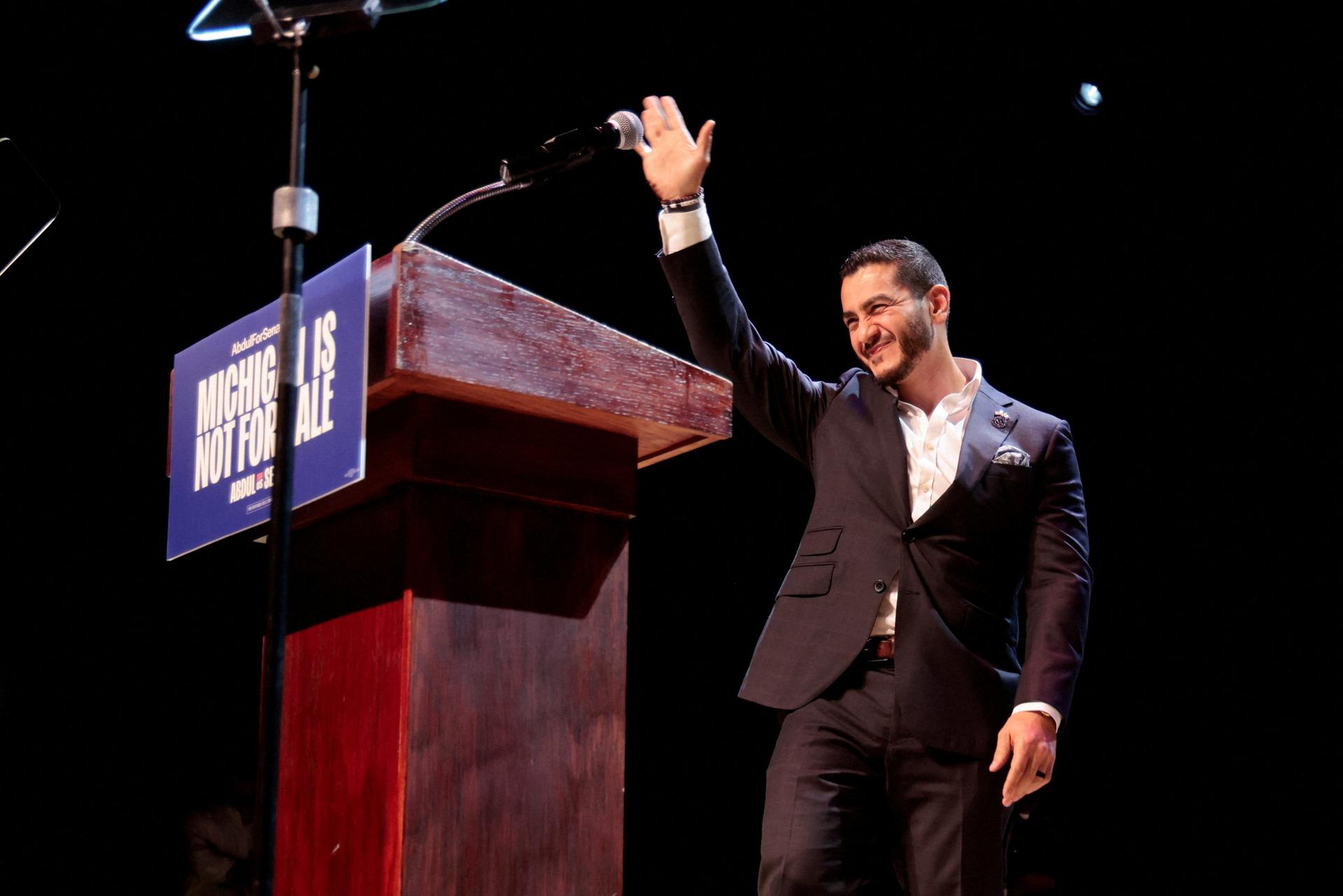
Mark this week as another watershed moment in the fight for the future of the Democratic Party, and liberal politics. In Michigan’s hotly contested Senate race, Abdul El-Sayed, a former public health official who has become one of the most high-profile members of the left flank of the Democratic Party, defeated establishment-backed U.S. Representative Haley Stevens in a tight party primary.
It follows wins for progressive candidates in other primaries from Maine to New York to Colorado. El-Sayed's win was significant – he was the first progressive to win a statewide primary in a state that Trump carried in 2024.
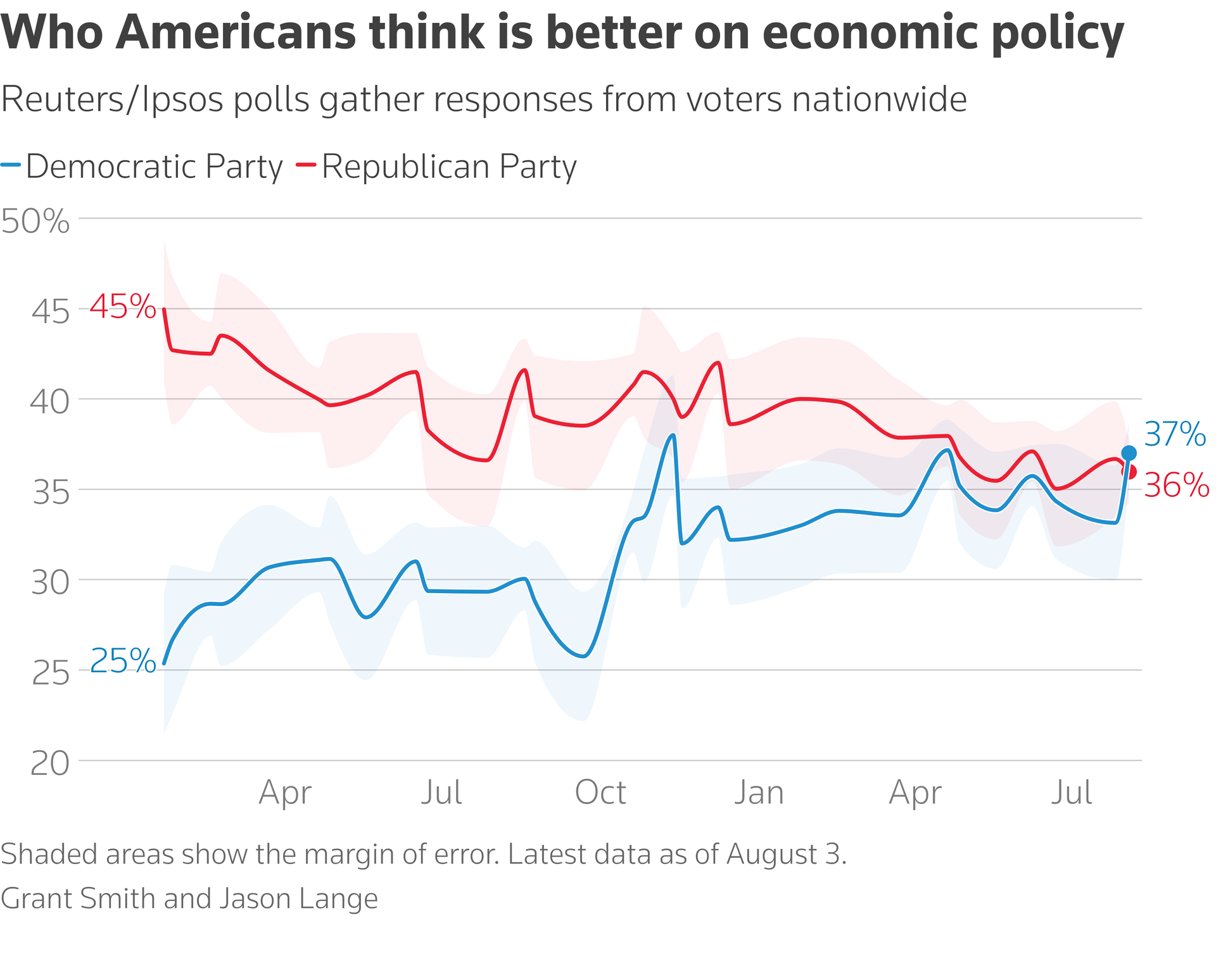
But can campaigns like El-Sayed's succeed in general elections, especially in battleground states like Michigan that Democrats need to take back control of the Senate?
Republicans have cast El-Sayed and other progressive candidates as too extreme for American voters as they seek to pivot away from voter anger over high prices. Trump has branded them as “communists.” Former congressman Mike Rogers, the Republican nominee for Michigan’s Senate race, said the difference between him and El-Sayed was “common sense or complete insanity.” El-Sayed has brushed off the attacks as the politics of distraction.
The new Democratic nominee is representative of a shift within the party - Democratic voters say they want their party candidates to track further to the left. More than seven in 10 liberal Democrats say it’s “essential” for their party’s candidates to support increasing taxes on corporations and billionaires (76%), expanding access to abortion (72%) and universal government-provided health care (71%), a Reuters/Ipsos poll found.
Yet that grassroots enthusiasm hasn't fully trickled up to the party's establishment. Even as many rank-and-file Democrats embrace progressives and their policy agenda, the party's institutional wing has been suspicious and sometimes downright hostile to them, spending millions to try to slow the rise of left-wing candidates.